

Federal Reserve
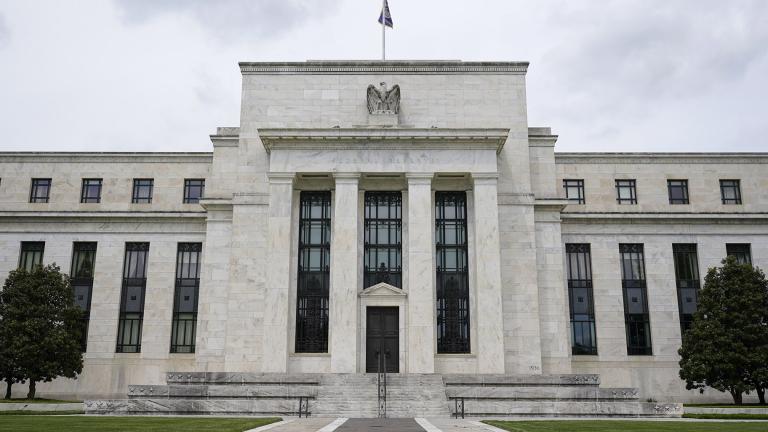

The substantial half-point hike in its benchmark short-term rate that the Federal Reserve announced Wednesday won’t, by itself, have much immediate effect on most Americans’ finances. But additional large hikes are expected to be announced at the Fed’s next two meetings, in June and July, and economists and investors foresee the fastest pace of rate increases since 1989.
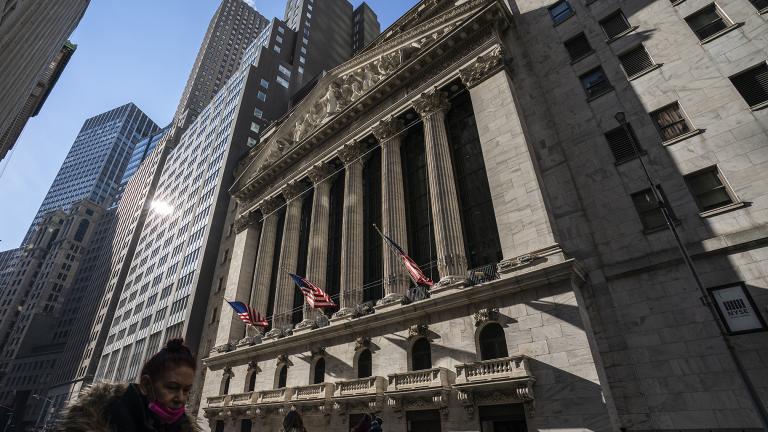
The wilder action was in oil and Asian stock markets, where tightened anti-COVID measures in China are raising worries about demand for energy and about disruptions to manufacturing and global trade. Oil prices tumbled more than 8%, taking some pressure off the world’s high inflation, and a barrel of U.S. crude fell below $95 after starting the week above $109.
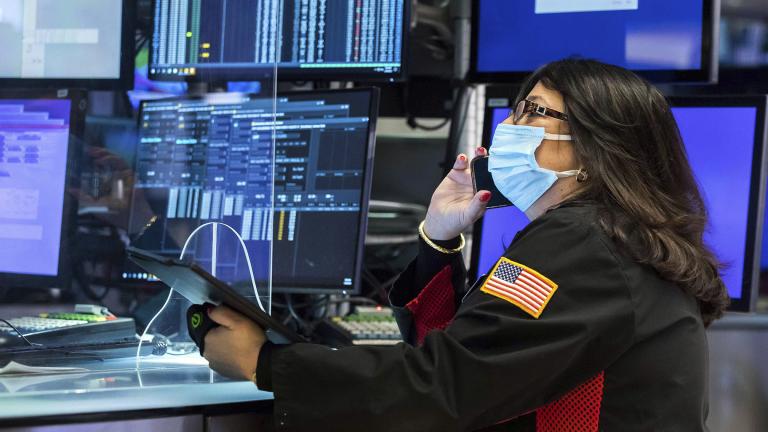
The stock market extended its three-week decline and put the benchmark S&P 500 on track for a so-called correction — a drop of 10% or more from its most recent high.
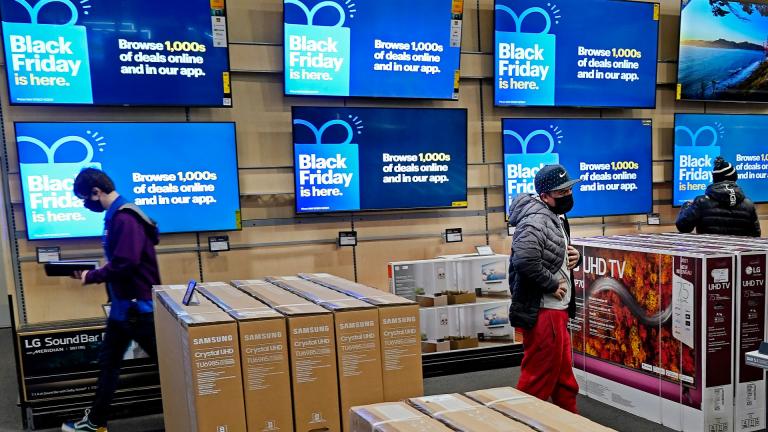
Economists are now voicing a more discouraging message: Higher prices will likely last well into next year, if not beyond.
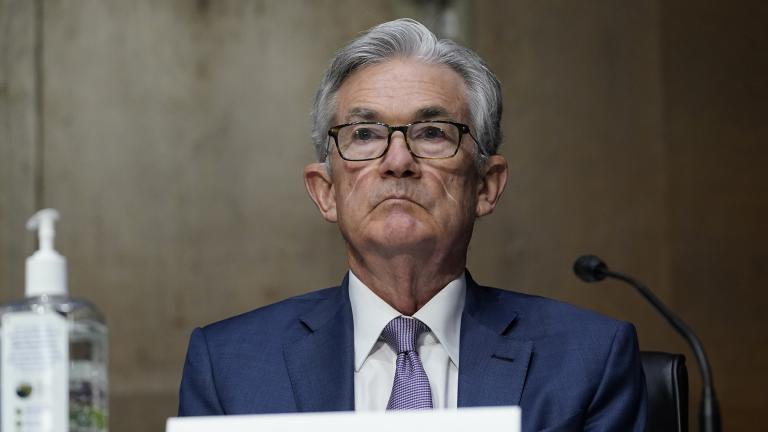
The Federal Reserve signaled Wednesday that it may act sooner than previously planned to start dialing back the low-interest-rate policies that have helped fuel a swift rebound from the pandemic recession but have also coincided with rising inflation.
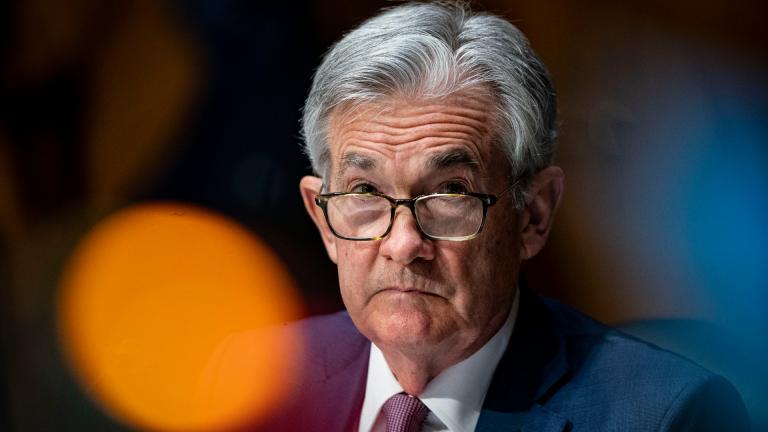
Federal Reserve Chair Jerome Powell underscored the U.S. economy’s ongoing weakness Tuesday in remarks that suggested that the Fed sees no need to alter its ultra-low interest rate policies anytime soon.
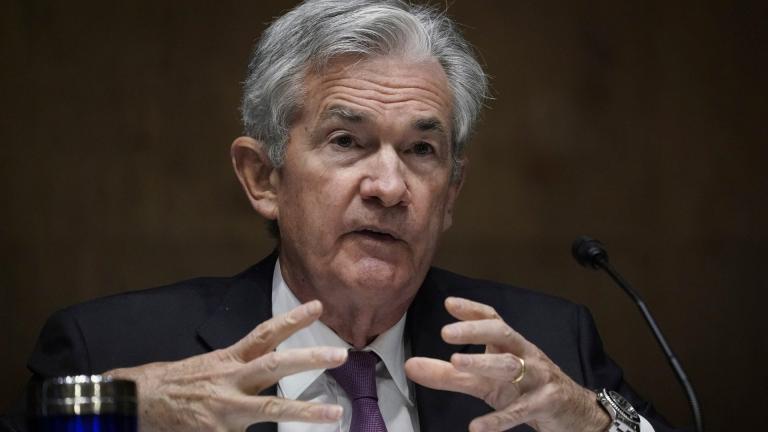
The Fed announced no new actions after its latest policy meeting but left the door open to provide further assistance in the coming months.
According to the Federal Reserve, the gap between the rich and the not-so-rich in the U.S. is getting wider. What that new data may mean for economic inequality in America.
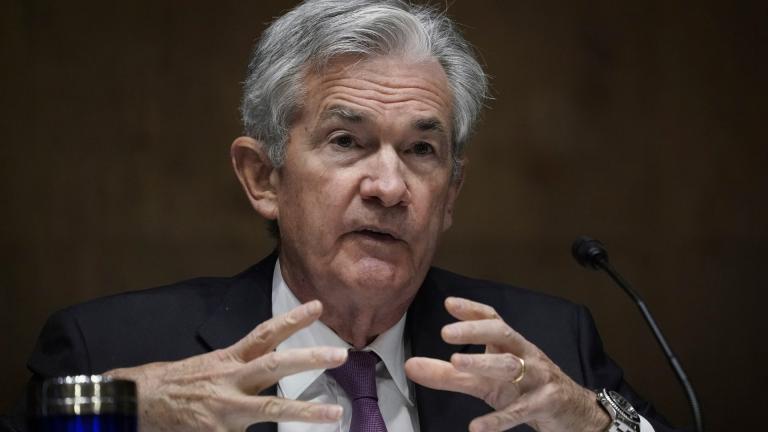
Federal Reserve Chair Jerome Powell warned Tuesday that a tentative recovery from the pandemic recession could falter unless the federal government supplies additional economic support.
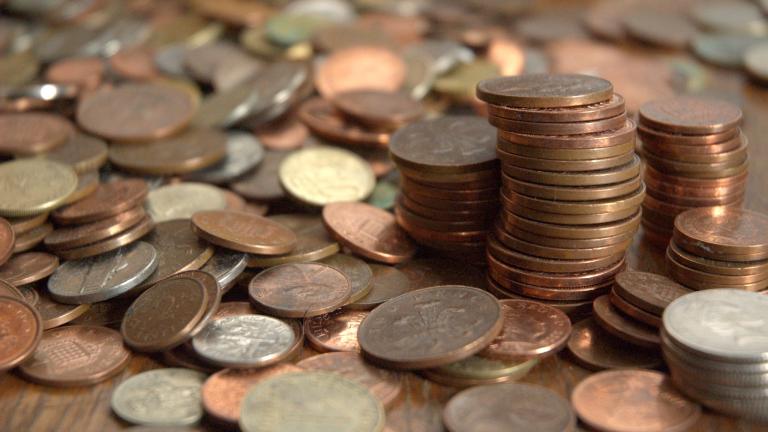
Whether piled up in change jars, cup holders or couch crevices, coins are not circulating, and that makes it difficult for businesses to deal in cash, the U.S. Coin Task Force says. Here’s how to help.
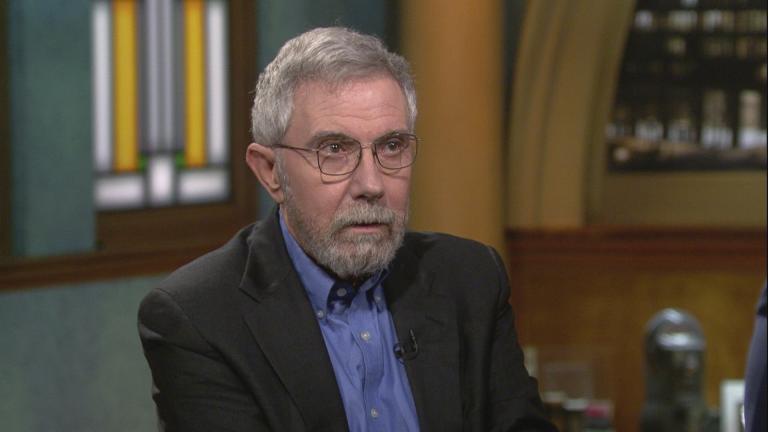
A conversation with with the Nobel Prize-winning economist and New York Times opinion columnist about his new book, “Arguing With Zombies: Economics, Politics, and the Fight for a Better Future.”
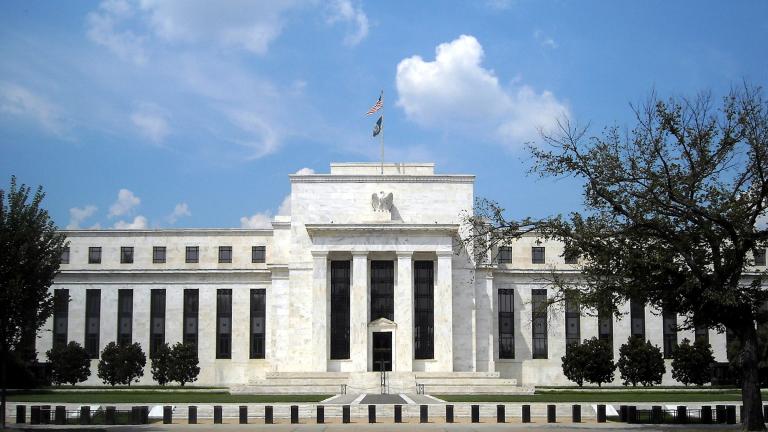
While the U.S. economy continues its record-breaking expansion, some wonder whether the Fed reacted to softening global markets or perhaps even pressure from President Donald Trump.
The Fed under Chairman Jerome Powell has signaled that rising economic pressures — notably from President Donald Trump’s trade wars and from a global slowdown — have become cause for concern. So has an inflation rate that remains chronically below the Fed’s target level.
Chairman Jerome Powell didn’t explicitly say what the Federal Reserve would do. But expectations are rising that the Fed will cut rates at least once and possibly two or more times before year’s end, in part because of the consequences of the trade war.
The Federal Reserve hikes its benchmark interest rate for the fourth time this year, by one-quarter of 1 percent to 2.5 percent. We discuss the outlook for the markets and the economy.
A market that has grown used to cheap money over the past decade is becoming increasingly concerned that the Federal Reserve will aggressively raise benchmark interest rates.
Trending
Interim NITA Director Earning $350K Salary While Also Collecting $213K Annual City Pension, Records Show

Early Voting for November General Election Kicks Off in Downtown Chicago

Uptown Theatre Added to Open House Chicago, Catch a Rare Glimpse Inside Gilded Jewel
City Lawyers Propose Spending $260.8M to Settle 16 Cases Tied to Disgraced Ex-CPD Detective Guevara

Chicago Woman Accused of Social Security Fraud After Hiding Mother’s Body in Freezer for 2 Years
Sign up for the WTTW News newsletter