

Environment

U.S. Sens. Dick Durbin and Tammy Duckworth are among those urging the EPA to take “immediate action” against Southeast Side industrial facilities for emitting potentially harmful levels of brain-damaging manganese dust.
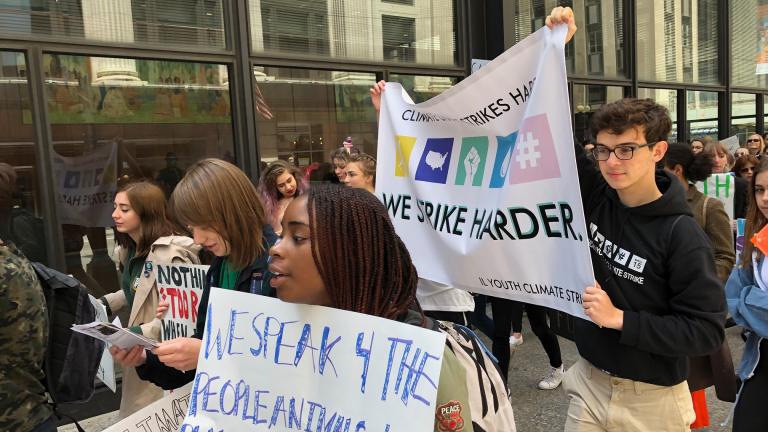
Several hundred students ditched classes Friday for a march and rally downtown as part of the Youth Climate Strike, a global movement demanding action to address global warming.

A chemical leak that caused a toxic plume to hang for hours over a northern Chicago suburb Thursday sickened dozens of people, including seven who are in critical condition, officials said.
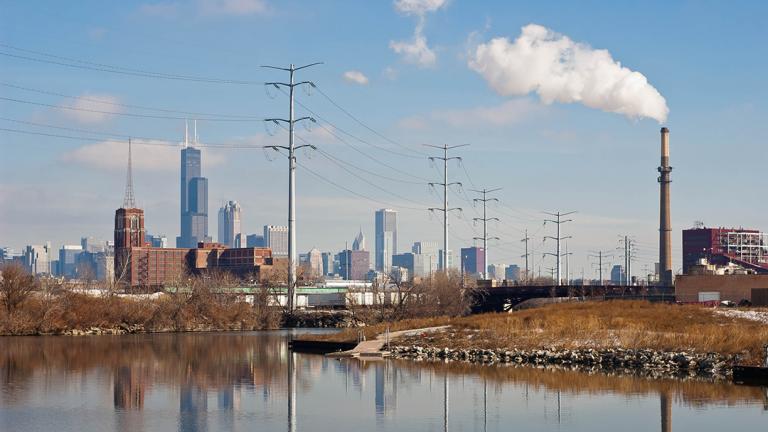
The American Lung Association’s annual “State of the Air” report found that Chicago has experienced an increase in days with spikes of ozone-polluted air.

By tracking the types, frequency and intensity of frog mating calls, experts hope to gauge the success of conservation efforts in an area commonly referred to as the city’s dumping ground.

The non-binding measure is being celebrated by environmental advocates, who note that Chicago is now the largest U.S. city to announce a timeline for obtaining all of its energy from renewable sources.

The diets of white Americans contribute to climate change more than the eating habits of African and Latino Americans, according to a new report by a group of Chicago researchers.

Regulators plan to clean up the soil of several residential yards with high levels of brain-damaging manganese, but they have yet to finalize a plan for addressing homes with elevated levels of lead in the soil.

A first-of-its-kind report shows how climate change is threatening the Great Lakes, and how their ongoing transformation figures to impact the entire region.
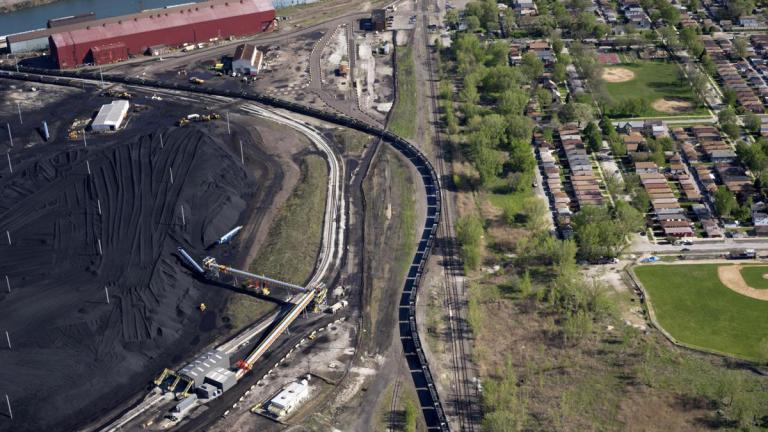
Proposed legislation would require the federal government to examine potential health risks from exposure to petroleum coke, a solid byproduct of the oil refining process that had for years been stored in uncontained piles on the Southeast Side.
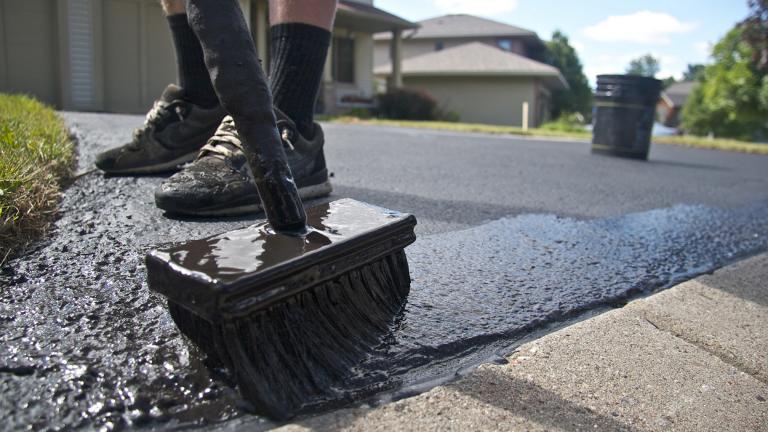
Children who are regularly exposed to coal tar-based pavement sealants are 38 times more likely to develop cancer, according to the environmental group the Sierra Club.
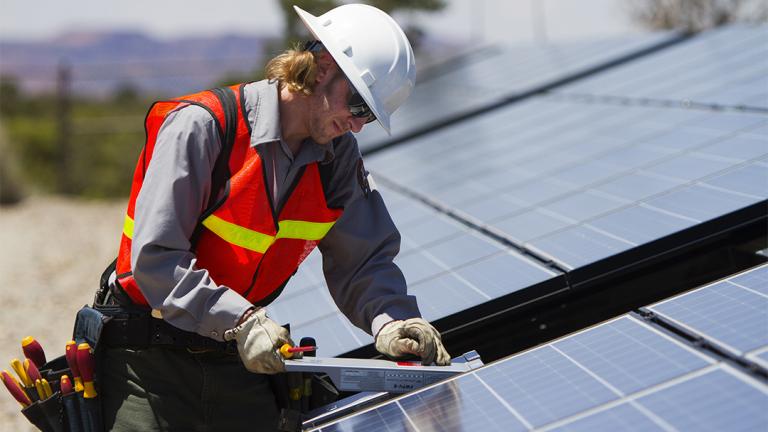
The Clean Energy Jobs Act aims to move Illinois to 100 percent renewable energy by 2050 while modernizing the state’s transportation sector and creating thousands of new jobs.


Erin Brockovich’s efforts to expose a utility company's contamination of California groundwater were made famous in a 2000 film bearing her name. She joins us to discuss Chicago’s environmental issues.

The Litter Free Chicago River project will soon include a stretch of the river from North Avenue to Foster Avenue, where the North Branch connects with the North Shore Channel.

Watco Transloading says it will no longer handle materials with high concentrations of manganese, a heavy metal used in steelmaking that can cause brain damage at high exposure levels.

Mayor Rahm Emanuel announces a plan for transitioning Chicago buildings to 100 percent renewable energy by 2035. But community advocates say the plan ignores existing environmental threats in some parts of the city.
Trending
Who Is Running, or Thinking About Running, to Become Chicago’s Next Mayor

Suspend CPD Officers, Sergeant Repeatedly Accused of Making Improper Traffic Stops for a Combined 330 Days: Police Brass

No Tax Hikes or Layoffs Needed to Close Cook County’s $550M Gap Thanks to ‘Budget Magic’: Preckwinkle

Hilario Dominguez, Candidate for CPS Board President, Defends Conduct as Watchdog Reopens Probe Into Inappropriate Behavior Allegations

Johnson’s Debt Refinancing Plan Results in Just Half of What He Promised, Forcing Officials to Scramble to Fill Budget Gap

Sign up for the WTTW News newsletter