

Criminal Justice
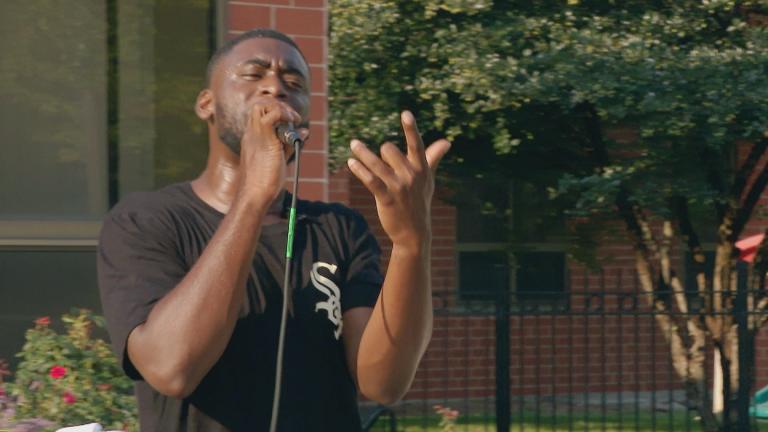

Though there are about 1,300 permanent punishments on the books in Illinois — and countless more that aren’t — there are only a handful of ways to get around them. They often involve a complicated mix of paperwork and expenses. The records sealing or expungement process, for example, involves filing a petition in court, costing around $157 per charge.

President Joe Biden is pardoning thousands of Americans convicted of “simple possession” of marijuana under federal law, as his administration takes a dramatic step toward decriminalizing the drug and addressing charging practices that disproportionately impact people of color.
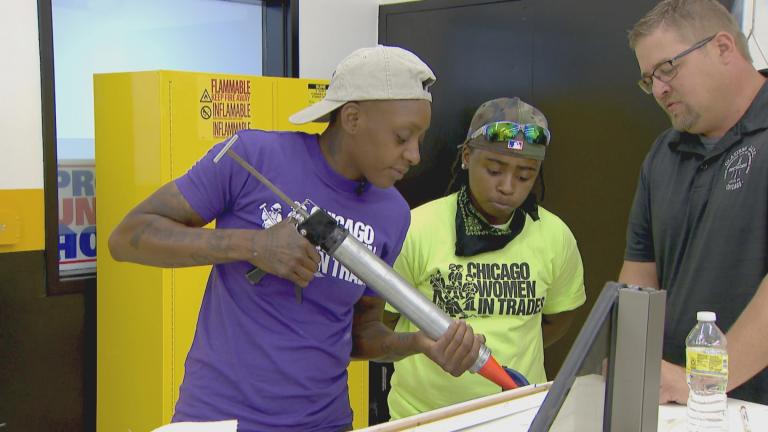
Many people who’ve been impacted by the criminal legal system say they frequently face problems finding employment. Some local organizations are helping people build new skills, while others are aiming to address laws and licensing requirements.
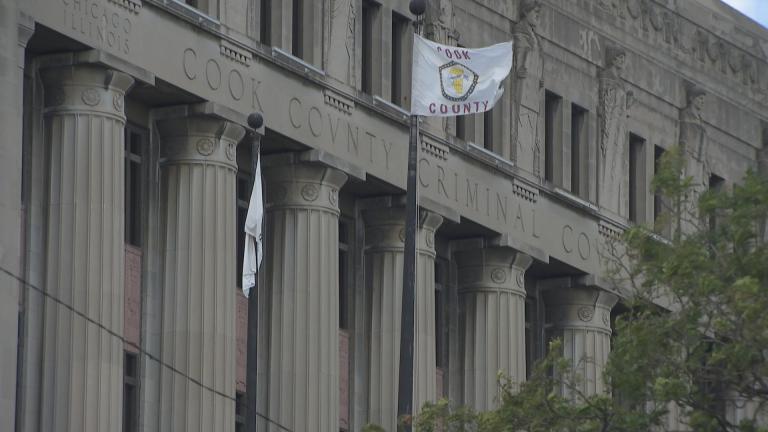
The law, known as the SAFE-T Act, will eliminate cash bail come January. But it’s likely the law will see an overhaul of its own — or at least, tweaks — before then.
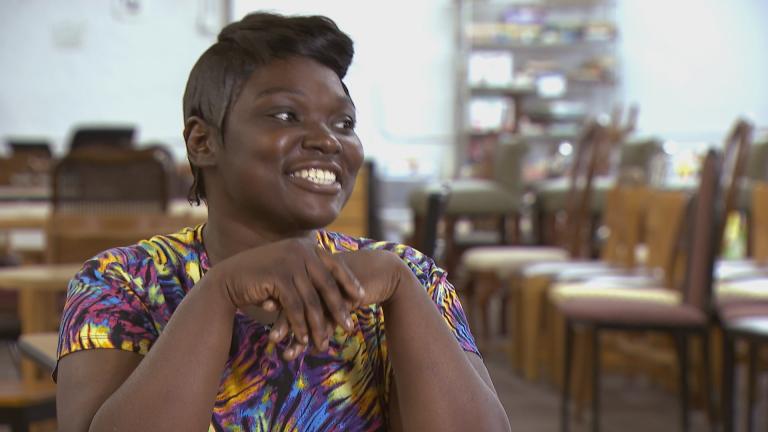
The reasons women commit crimes are different, and often overlooked, researchers say. And since 58% of incarcerated women are mothers to children under 18, the permanent punishments they face affect not only them, but their entire families.

Judge Robert Dow will be stepping down from his role before the end of the year to take on a new position with the Supreme Court in Washington D.C.
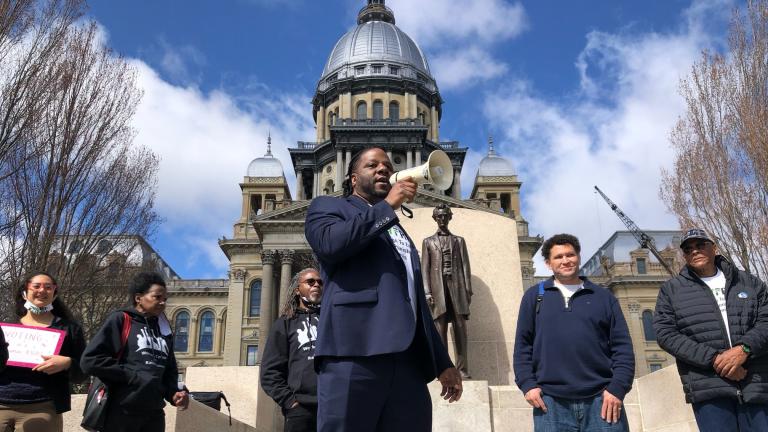
In Illinois, an estimated 3.3 million people have criminal records, which can include everything from an arrest to years spent in prison. But even once their criminal case has run its course, the punishment continues. Those who know the system best are working to make change for those looking to rebuild their lives.
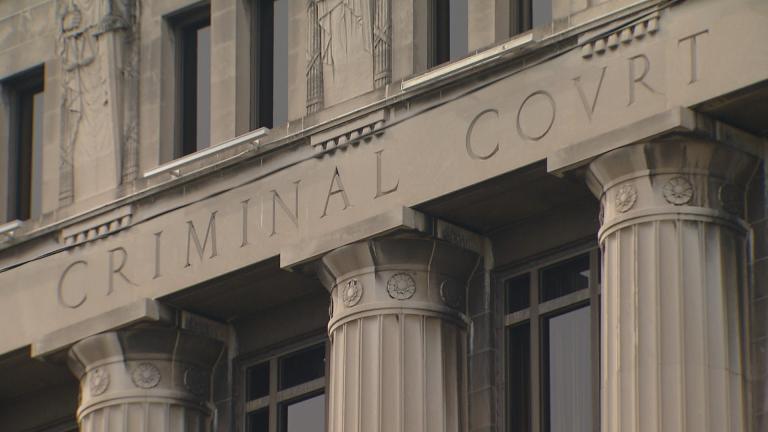
A record can include everything from an arrest— not necessarily even a conviction — to years spent in prison. But even once that criminal case has run its course in the legal system, oftentimes the punishment continues.
A list of resources for formally incarcarated people and the organizations working to support them.

The unanimous Supreme Court decision, released Sept. 22, resolves a 7-year-old lawsuit brought by Charles Green, who was sentenced to life in prison at age 16 after being convicted in a 1985 quadruple murder. Green was released in 2009, and wants to prove his innocence.

In all, the payments approved Wednesday are equivalent to 30% of the city’s annual $82 million budget to cover the cost of police misconduct lawsuits.

The Chicago City Council is set to pay $15 million to the family of a woman who was struck and killed by a car driven by a Chicago Police officer.
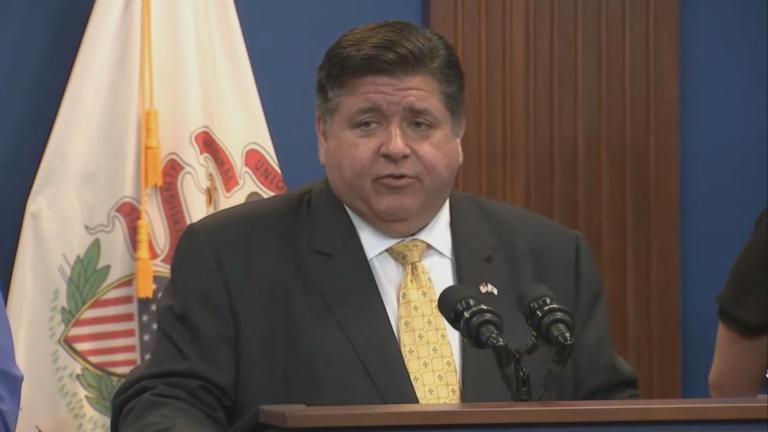
The Safety, Accountability, Fairness, and Equity Today Act — better known as the SAFE-T Act — was signed into law by Governor J.B. Pritzker in 2021. It has now become a campaign talking point.
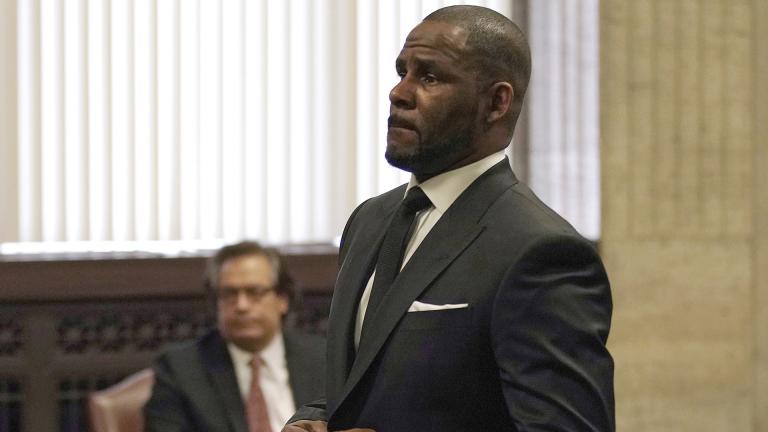
During the monthlong trial, jurors heard from R. Kelly’s goddaughter “Jane” and three other accusers — each of whom testified using a pseudonym — who described being sexually abused at the hands of the singer while they were underage.
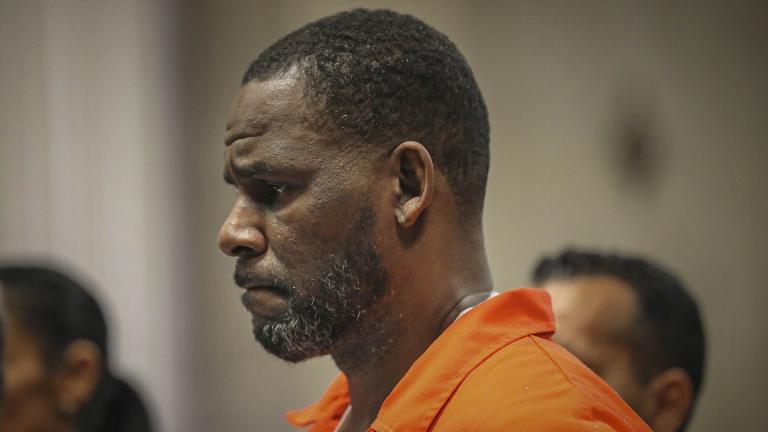
Jury deliberations got underway Tuesday afternoon
“You can think he’s the most amoral, unethical person on the planet,” R. Kelly’s attorney Jennifer Bonjean said, “and that has nothing to do with whether the government has met its burden on the charged offenses.”
Attorneys for both the prosecution and defense prepared to deliver their final statements to jurors in the trial of R. Kelly and his former employees, Derrel McDavid and June Brown.
Trending
2026 Chicago Festival Guide

CPD Sergeant Who Led Botched Raid at Home of Anjanette Young Now Working as a Suburban Police Detective

Woman Charged With Fatally Stabbing 7-Year-Old Girl Walking in Chicago Saturday

Key City Panel Unanimously Agrees to Pay $260.8M to Resolve 16 Lawsuits Tied to Disgraced Ex-CPD Detective Reynaldo Guevara

Marimar Martinez Hopes New Lawsuit Could Spur Criminal Charges 1 Year After Border Patrol Agent Shot Her

Sign up for the WTTW News newsletter