

Conservation
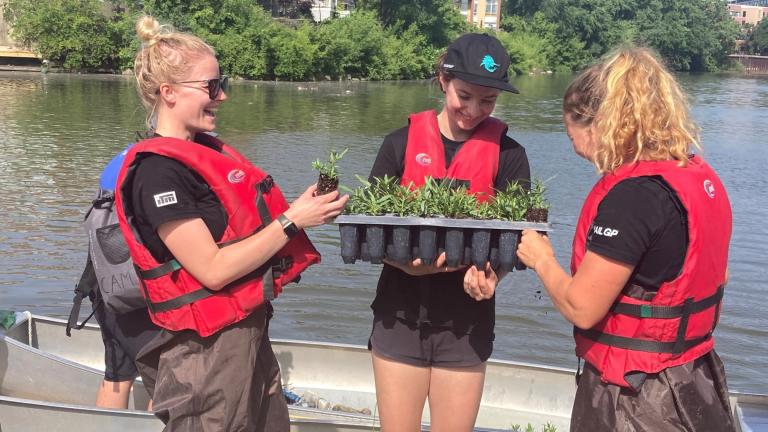
Members of the SailGP international yacht racing league have converged on Chicago for an upcoming competition, but before taking their catamarans onto Lake Michigan this weekend, the athletes piled into canoes and helped install native aquatic plants along the Chicago River's banks.
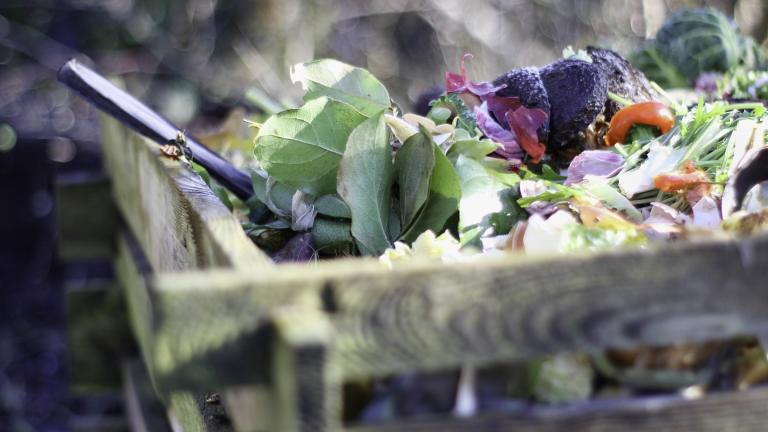
The University of Illinois Extension in Cook County is teaming up with the Garfield Park Conservatory Alliance and Plant Chicago on a pair of compost collection events in Chicago on Saturday.
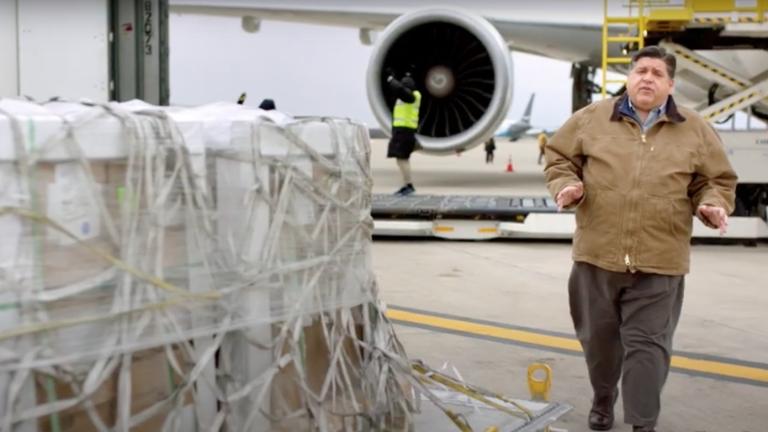

Environmentalists have been taken aback by a campaign ad in which Gov. J.B. Pritzker touts the expansion of Rockford Airport, which will demolish an 8,000-year-old remnant prairie.
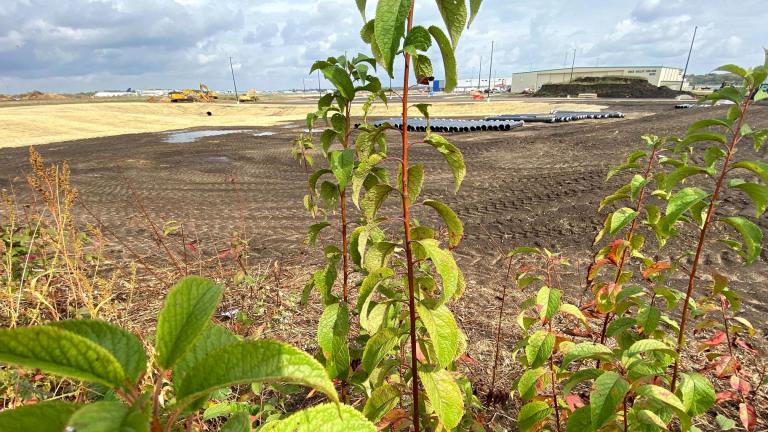
A rare patch of 8,000-year-old remnant Illinois prairie has been granted a new three-month lease on life, as the Greater Rockford Airport Authority has again delayed demolition of the natural area, pending additional environmental review.
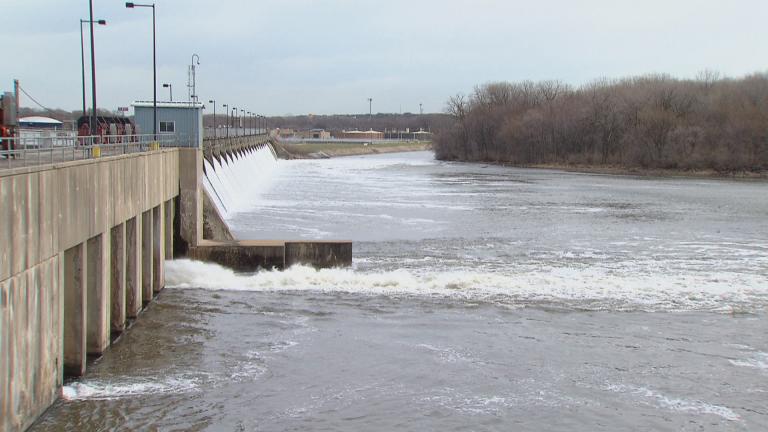
The U.S. Army Corps of Engineers has allocated $225.8 million to the Brandon Road Lock and Dam invasive carp barrier. The funds will complete the planning and engineering phase of the project.
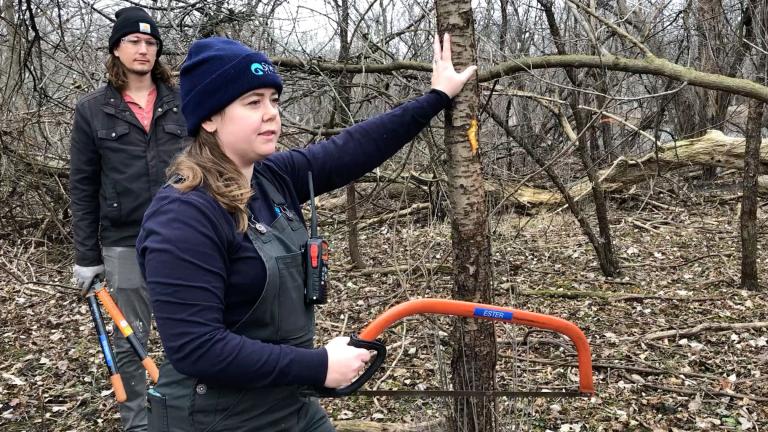
The Battle Against Buckthorn: A Look at How Local Volunteers Fight Back Against the Invasive Species
Skokie Lagoons may look like an oasis of green but a lot of that lush vegetation is actually an invasive species called European buckthorn. WTTW News tagged along as a group of volunteers charged into the thicket and tackled this enemy.

In response to concerns about putting a see-through glass tower in the path of migrating birds, Carvana revised its plan to incorporate bird-friendly components. Critics called the proposed mitigations “woefully inadequate.”
On Friday, the Greater Rockford Airport Authority filed a motion in U.S. District Court to dismiss a lawsuit blocking the airport’s planned expansion of its cargo operations, which would destroy a rare five-acre high-quality remnant prairie in the process.
A 140-foot-tall transparent structure that’s brightly illuminated 24/7, located across the street from Harms Woods nature preserve, along a key migratory greenway, is a triple threat to birds, environmentalists say.
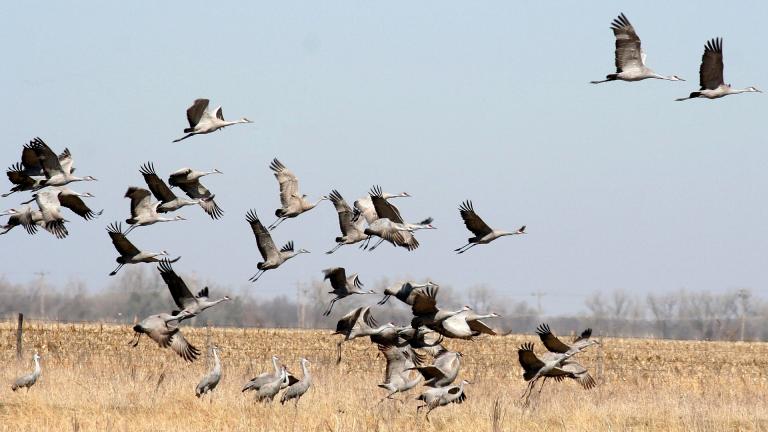
The region’s nature lovers eagerly anticipate the annual flyover of the large, raucous birds but for regular observers of the cranes, this year’s migration was cause for anxiety due to low numbers counted at their regular Indiana rest stop.
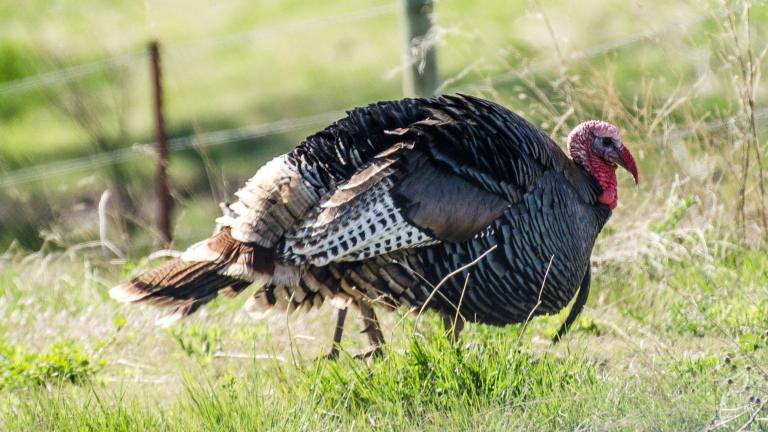
When’s the last time you thought about the turkey not as dinner but as a bird? Here are some fascinating facts about this North American original.
$50M airfield cargo expansion first phase of grander plan
The Rockford Airport Authority is not ceding Bell Bowl Prairie, an ancient prairie remnant that’s part of the airport’s nearly 3,000-acre property. In an interview with WTTW News, the authority reaffirmed its commitment to a $50 million expansion plan that would impact the five-acre prairie.
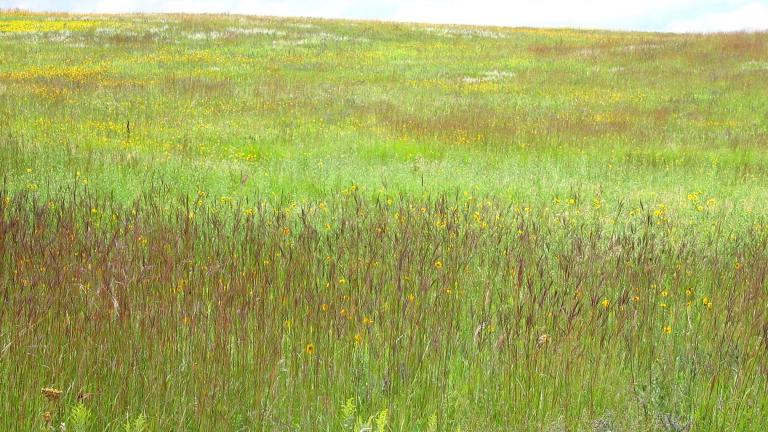
So little prairie still exists in Illinois, most residents of the state have never encountered this rare landscape. Here, then, is an introduction.
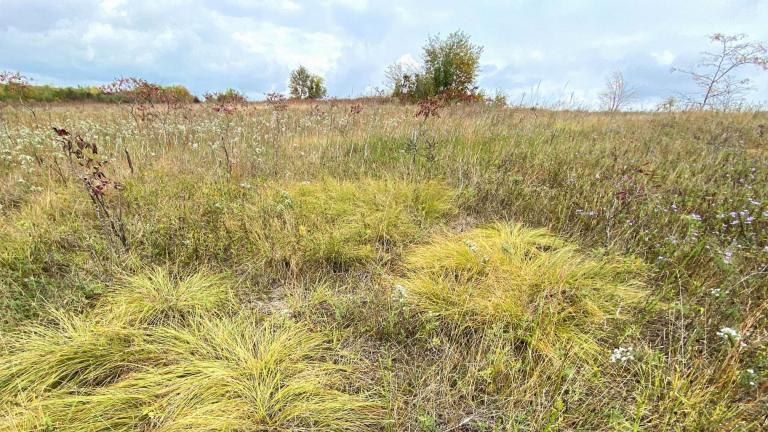
The Natural Land Institute filed suit Wednesday in U.S. District Court to stop the Greater Rockford Airport Authority from tearing up the 8,000-year-old Bell Bowl Prairie as part of an airport expansion project.
Supporters of the movement to save Bell Bowl Prairie, a small patch of rare remnant prairie situated within the boundaries of Chicago Rockford International Airport, say they have a simple solution that preserves the prairie and allows the airport to expand: Just move a road.
Conservationists are in a race against the clock to save a five-acre patch of rare Illinois prairie from being bulldozed as part of a 280-acre expansion of the Chicago Rockford International Airport's cargo operation.
Trending
Early Voting for November General Election Kicks Off in Downtown Chicago

Uptown Theatre Added to Open House Chicago, Catch a Rare Glimpse Inside Gilded Jewel

City Lawyers Propose Spending $260.8M to Settle 16 Cases Tied to Disgraced Ex-CPD Detective Guevara

Chicago Must Pay $10.5M to Family of Man Killed by Driver Being Chased by Police: Supreme Court Ruling

Family of Renee Good Sues Trump Administration, ICE Agents Months After Fatal Shooting in Minneapolis

Sign up for the WTTW News newsletter