

Consent Decree
The 39-page report from the independent monitoring team, led by attorney Maggie Hickey, compiled the results of the feedback gathered from more than 400 Chicagoans at 17 community engagement sessions in February, March and April.

The Chicago Police Department must implement an early-warning system under the terms of the consent decree, the federal court order designed to compel the department to change the way it trains, supervises and disciplines officers. CPD is in full compliance with just 5% of that 2019 court order, city data shows.
The court-mandated oversight was prompted by the 2014 murder of teenager Laquan McDonald by a Chicago police officer. Almost five years later, the department is in full compliance with just over 5% of the requirements.

The size of the Chicago Police Department is essentially unchanged since Mayor Brandon Johnson took office 100 days ago. There are 12,363 employees, including 11,722 sworn officers.
The city of Chicago and the Illinois Attorney General’s Office negotiated an agreement to shift oversight of CPD’s stop-and-frisk practices into a consent decree governing the department.
The number of people shot in Chicago dropped more than 10% in the first six months of this year, as compared with the same period last year, according to police data. The number of shootings is down 6.4%, according to police data.

The lawsuit filed by the American Civil Liberties Union of Illinois accuses the Chicago Police Department of making more than 1 million traffic stops between 2016 and 2022 based on dubious evidence of minor violations that took direct aim at Black and Latino Chicagoans but spared White Chicagoans.
The seventh semiannual report from the team led by attorney Maggie Hickey urges police brass and city leaders to “urgently address” staffing shortages, a lack of supervision for officers and poor data collection, analysis and management.
Chicago Police Department leaders offered no “legitimate rationale” for the racial disparity to the independent monitoring team charged with enforcing court-ordered reforms.
Cook County recorded 124 overturned convictions in 2022, all but two of those were tied to misconduct by two former Chicago police officers, according to the report.
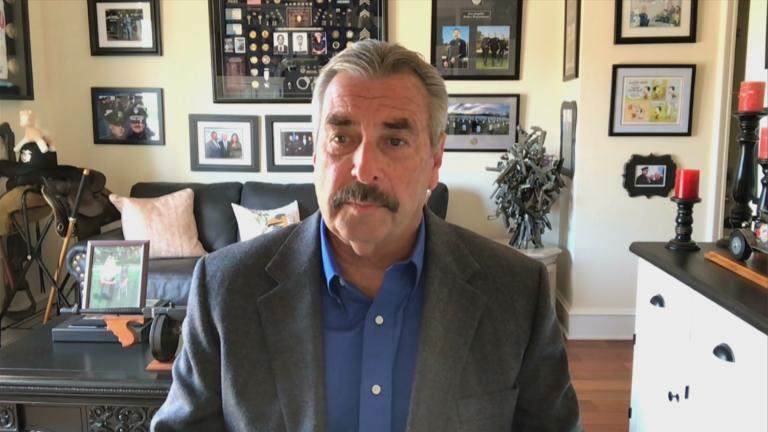
Charlie Beck previously served as Los Angeles’ police chief and Chicago’s interim police superintendent. He said Chicago’s next top cop will need to make some big changes.
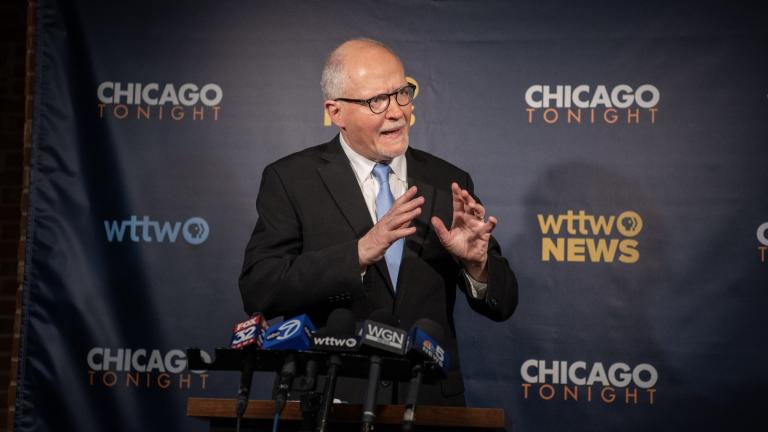
Efforts by the leaders of large cities across the country to bring back officers amid a nationwide staffing crunch have fallen short, and experts on policing told WTTW News there is no evidence that Chicago will prove to be any different.
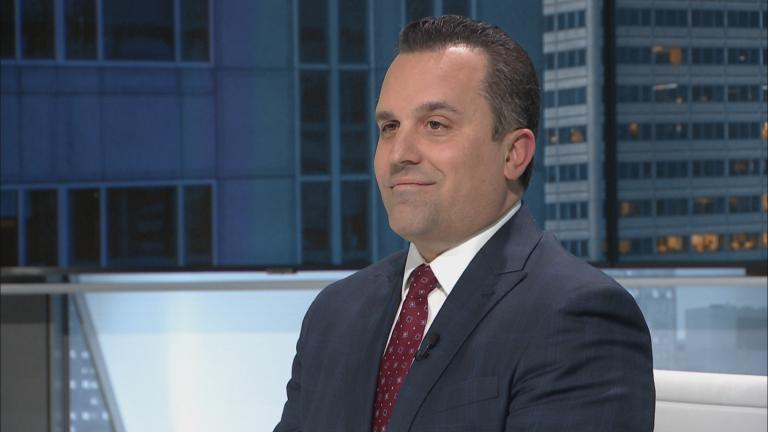
A new report says Chicago’s next top cop must be “a dynamic change agent” fully committed to implementing the court order requiring the Chicago Police Department to change the way it trains, supervises and disciplines officers.
As the consent decree prepares to enter its fourth year, progress has been anything but rapid, with the city in full compliance with 3% of its requirements, according to data released by the Chicago Police Department. Meanwhile, the future of Chicago policing has taken center stage in the mayoral race.
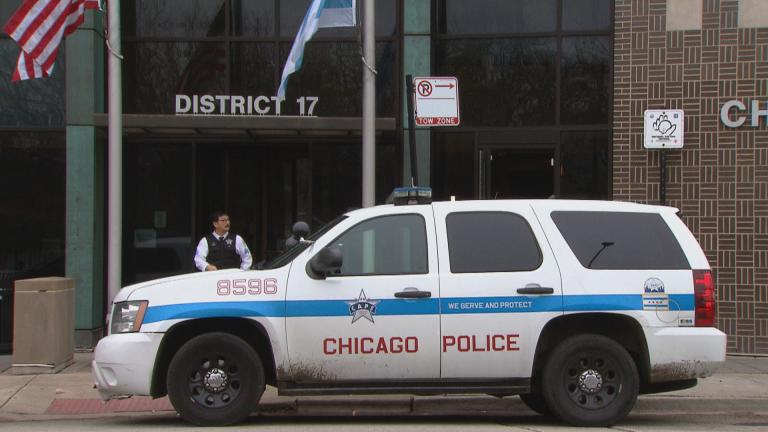
Chicago Police Must ‘Significantly Improve’ Community Partnership Efforts, Independent Monitor Finds
Chicago police have again improved their compliance levels on court-mandated reforms under the consent decree, but the independent monitor tracking the department’s progress says it must “significantly improve” its partnerships with community residents.

Robert Boik, who served as executive director of the CPD’s Office of Constitutional Policing and Reform, is no longer with the department, a police spokesperson confirmed Tuesday afternoon.
Trending
2026 Chicago Festival Guide

CPD Officer Who Fired 3 Shots at Suspected Carjacker on 606 Trail Faces Firing: Records

Interim NITA Director Earning $350K Salary While Also Collecting $213K Annual City Pension, Records Show

Firm Set to Buy Chicago’s Parking Meters Sells Airline That Carried Out Deportations

Chicago Woman Accused of Social Security Fraud After Hiding Mother’s Body in Freezer for 2 Years

Sign up for the WTTW News newsletter