

Chicago Finances
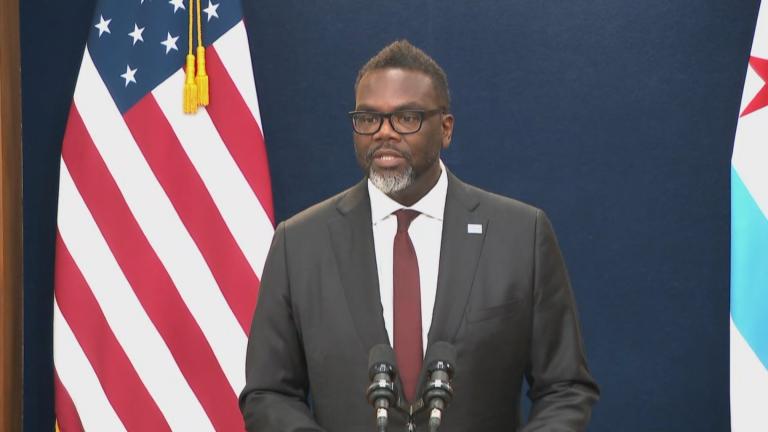

The spending plan crafted by Mayor Brandon Johnson and his team will provide the most comprehensive response to the myriad of intractable problems facing the mayor, including how to handle the more than 1,700 vacant positions in the Chicago Police Department, since he took office nearly 150 days ago.
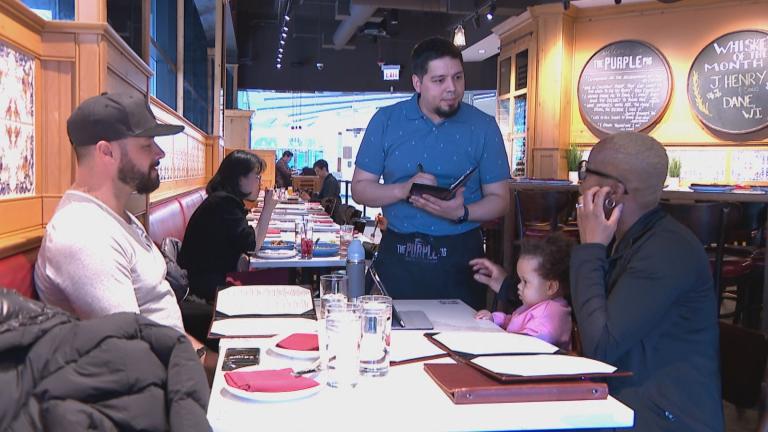
Chicago joins Alaska, California, Guam, Minnesota, Montana, Nevada, Oregon, Washington and Washington, D.C., in ending the tipped minimum wage.
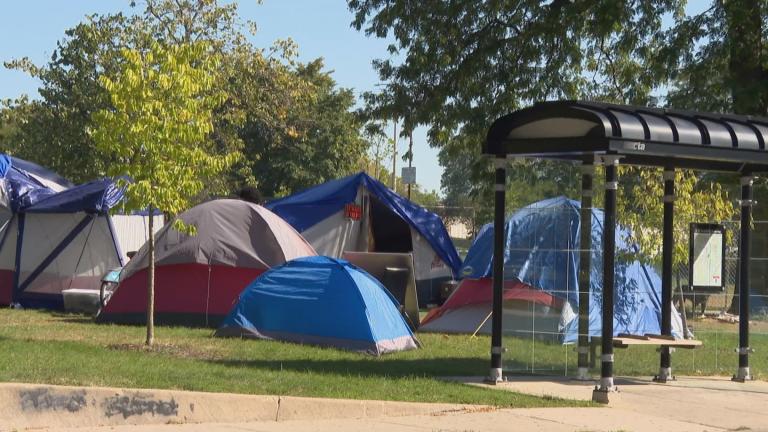
Supporters say the plan would generate approximately $100 million annually to address the root causes of homelessness by building new permanent housing that offers wraparound services.
Chicago could join Alaska, California, Guam, Minnesota, Montana, Nevada, Oregon, Washington and Washington D.C. in ending the tipped minimum wage.
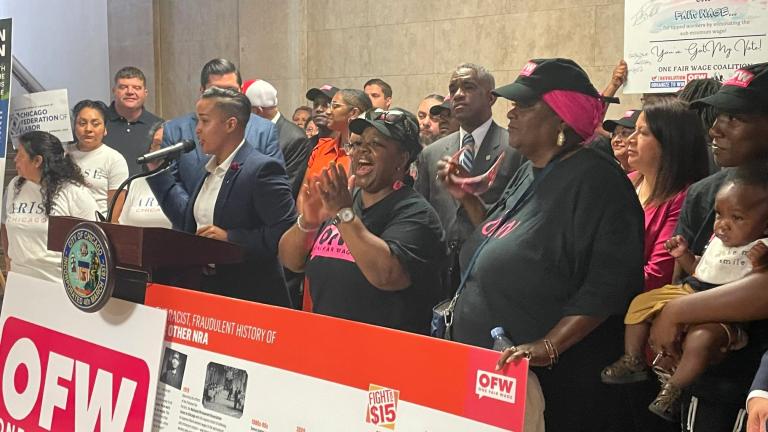
Chicago is set to join Alaska, California, Guam, Minnesota, Montana, Nevada, Oregon, Washington and Washington D.C. in ending the tipped minimum wage.
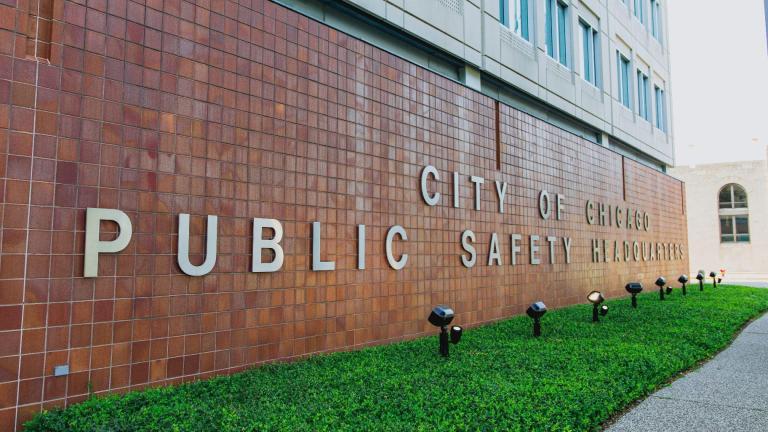
Chicago taxpayers have now spent $178 million since January 2019 to resolve lawsuits brought by more than three dozen people wrongfully convicted based on evidence gathered by Chicago Police Department officers, according to an analysis of city data by WTTW News.
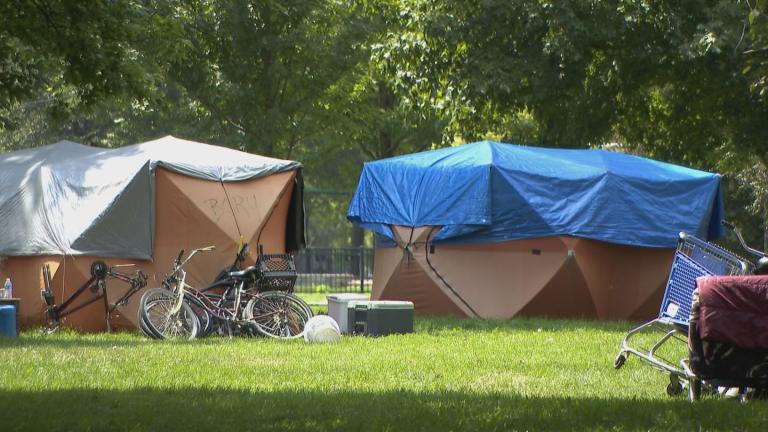
Despite the enthusiasm of supporters who held a City Hall rally before the City Council meeting and packed the chambers, Ald. Brendan Reilly (42nd Ward) tried, but failed, to prevent it from heading directly to a committee hearing and vote.
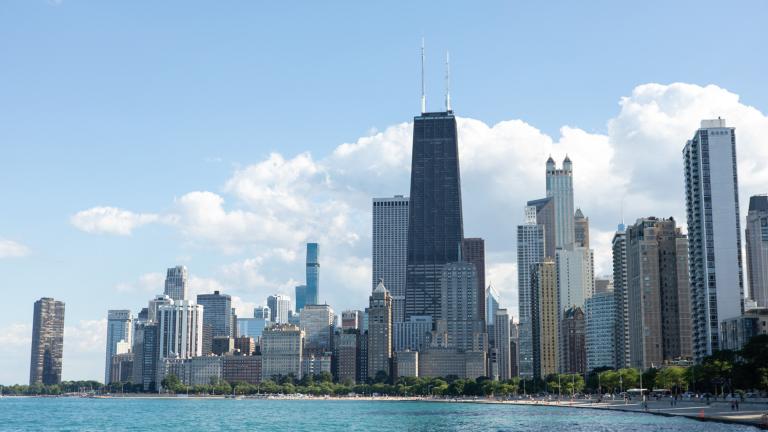
The budget gap is nearly three times the size of the gap forecasted by former Mayor Lori Lightfoot as she left office, but is still smaller than any projected shortfall since 2019.
That toll is set to grow in the coming weeks, as the Chicago City Council considers paying $25 million to resolve separate lawsuits filed in 2016 by two men who spent a combined 34 years in prison after being wrongly convicted of killing a basketball star in 1993.

Chicagoans and tourists feeling lucky can play 800 slot games and 56 table games in the century-old Shriner’s temple at 600 N. Wabash Ave., with its distinctive domed ceilings and stained-glass windows.
A revised version of the proposal known as “Bring Chicago Home” has Mayor Brandon Johnson’s support, setting up a fierce debate in the coming weeks over how the city should fight homelessness.
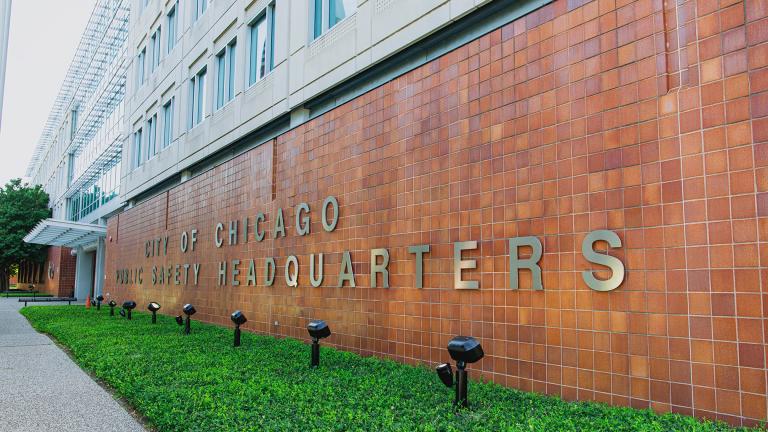
Chicago spent $197.7 million to resolve lawsuits alleging more than 1,000 Chicago police officers committed a wide range of misconduct in 2019, 2020 and 2021. Of that total, $91.3 million came from settlements involving 116 officers whose conduct led to multiple payouts.

“We are writing enormous checks and leaving a tremendous opportunity for reform on the table,” Inspector General Deborah Witzburg said. “It is a staggering amount of money.”
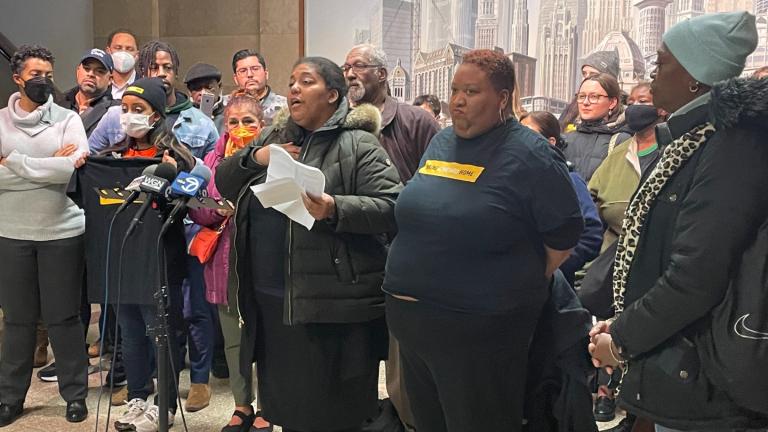
Supporters of the proposal say the change will help the nearly 66,000 Chicagoans who are unhoused by generating approximately $160 million annually — enough to address the root causes of homelessness by building new permanent housing that offers wraparound services like substance abuse counseling.
It took less than five months for the Chicago Police Department to exhaust the $100 million earmarked for overtime set by the Chicago City Council as part of the city’s 2023 budget, according to data obtained by WTTW News through a Freedom of Information Act request.
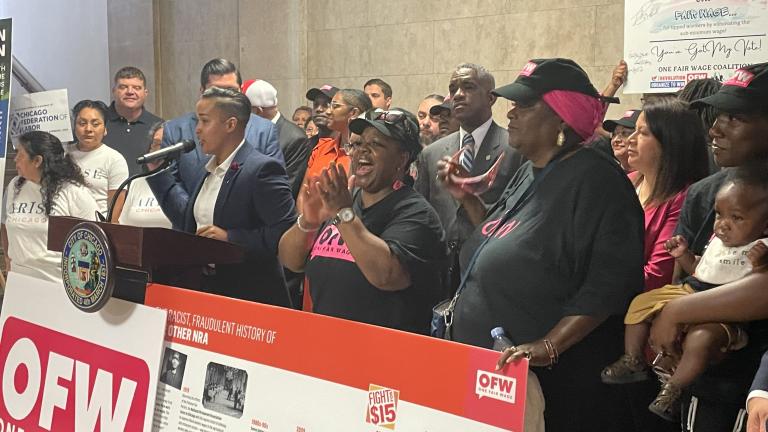
Taken together, the two proposals are likely to form the foundation of Mayor Brandon Johnson’s agenda when it comes to labor. A former organizer for the Chicago Teachers Union, Johnson enjoyed the unanimous support of Chicago’s progressive labor organizations.
Trending
Who Is Running, or Thinking About Running, to Become Chicago’s Next Mayor

Suspend CPD Officers, Sergeant Repeatedly Accused of Making Improper Traffic Stops for a Combined 330 Days: Police Brass

No Tax Hikes or Layoffs Needed to Close Cook County’s $550M Gap Thanks to ‘Budget Magic’: Preckwinkle

Hilario Dominguez, Candidate for CPS Board President, Defends Conduct as Watchdog Reopens Probe Into Inappropriate Behavior Allegations

Johnson’s Debt Refinancing Plan Results in Just Half of What He Promised, Forcing Officials to Scramble to Fill Budget Gap

Sign up for the WTTW News newsletter