

Astronomy
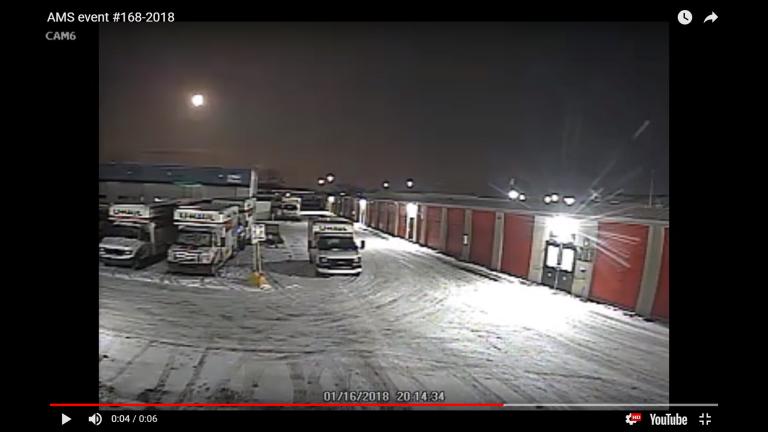

A fireball streaked across the Midwestern sky Tuesday night, creating a sonic boom. An Adler Planetarium astronomer tells us more about this rare celestial fireworks display.
It might sound like an episode of “The X-Files,” but a story reported Saturday by the New York Times sheds light on an official Pentagon program that researched and investigated unidentified flying objects.
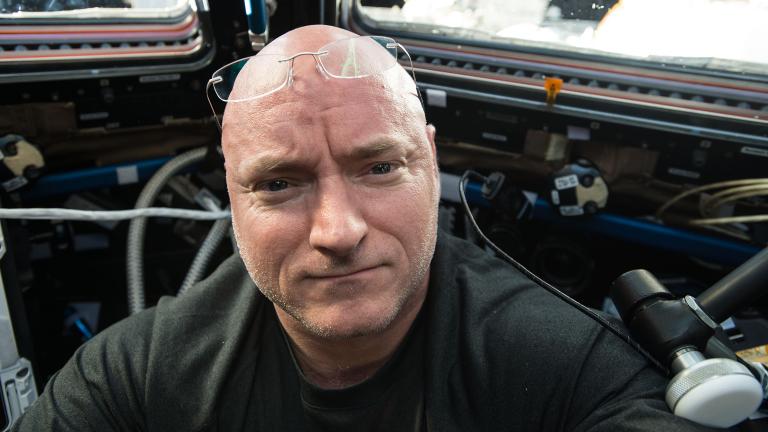
He holds the American record for most consecutive days in space. Retired astronaut Scott Kelly discusses the incredible mission described in his new book, “Endurance: A Year in Space, A Lifetime of Discovery.”
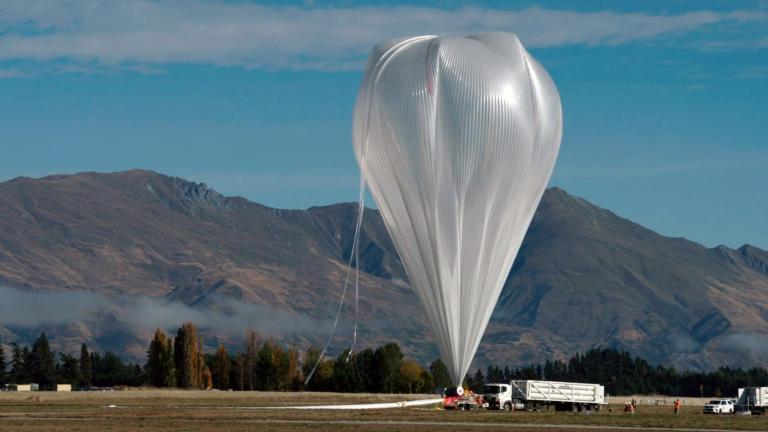
A team led by University of Chicago professor Angela Olinto will use a NASA super pressure balloon to study mysterious cosmic rays that could offer groundbreaking new insights about the universe.
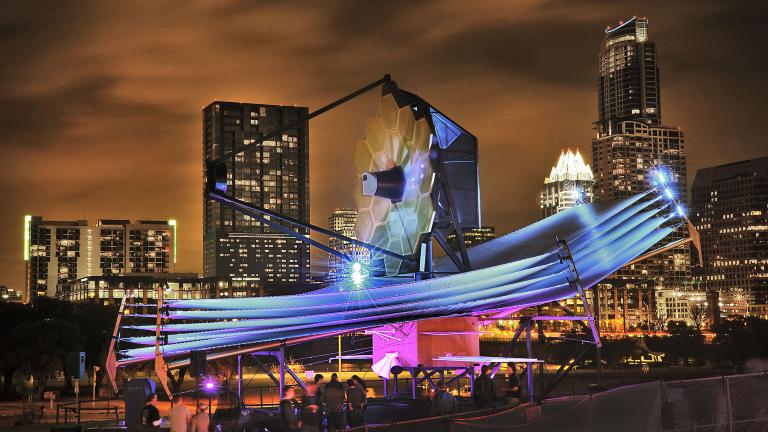
Thousands of planets orbiting alien suns, giant new telescopes coming online: Could we finally answer the question “Are we alone in the Universe?”
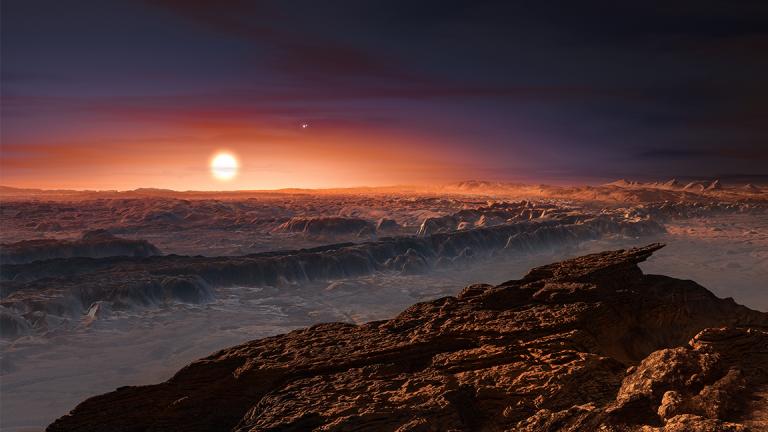
Viewers on four continents will watch a virtual presentation hosted by Adler Planetarium in early November to learn about the possibility of life on other planets.
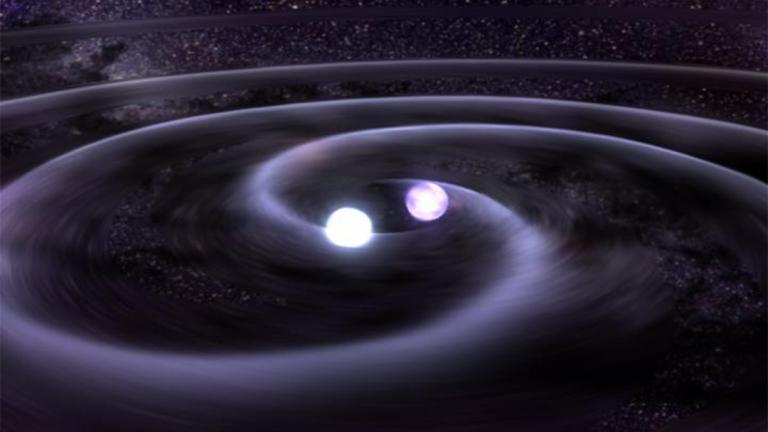
An international team that includes Chicago astronomers recently observed the collision of two high-density neutron stars, a historic discovery that confirms decades of scientific work.
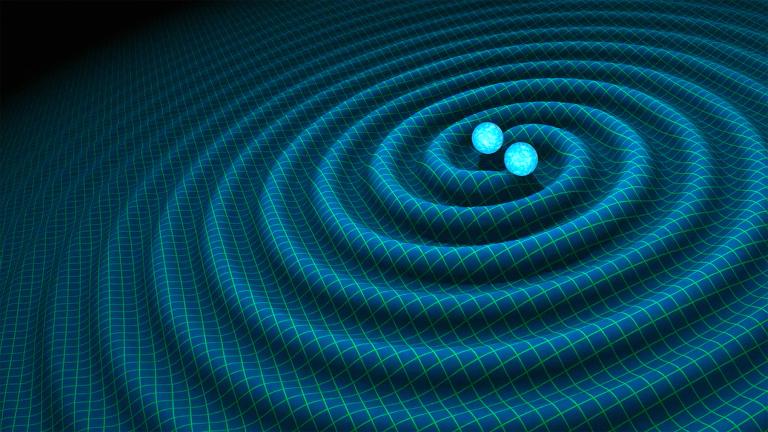
The Nobel Prize committee called it “a discovery that shook the world.” A local scientist explains gravitational waves.
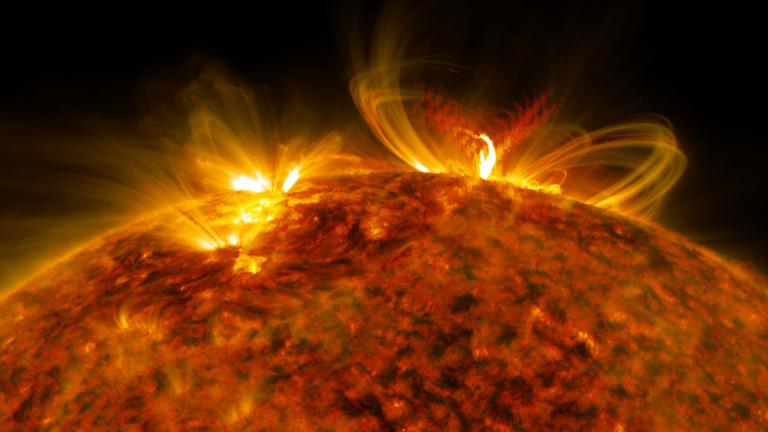
While recent hurricanes have been devastating parts of the Earth, some major activity has also been taking place at the center of our solar system.
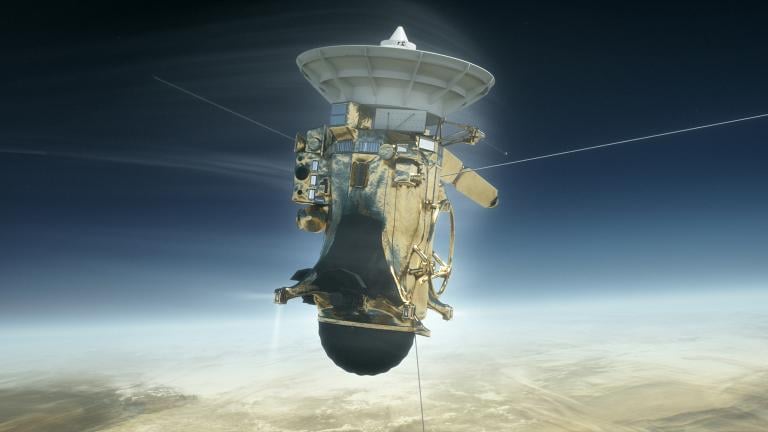
The Cassini mission has completely transformed our understanding of Saturn and identified two moons that could potentially harbor life. On Friday morning, the journey will come to a fiery end.
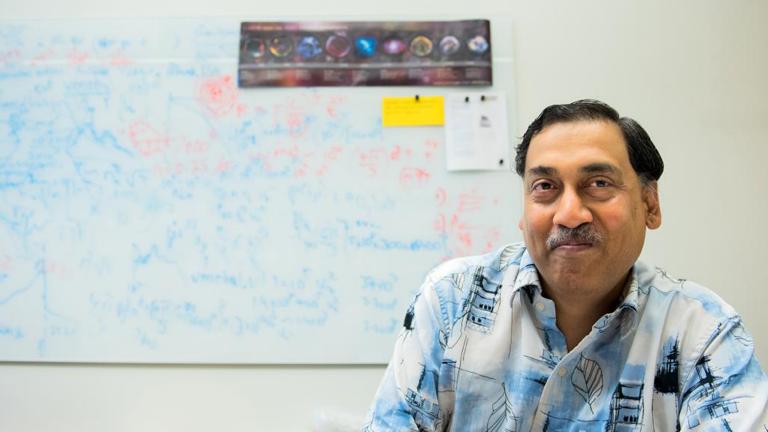
A discovery by Chicago scientists could lead to new understanding about the largest explosions in outer space.

Chicagoans from all neighborhoods and walks of life came out of the shadows to fix their appropriately covered eyes on the skies.

The last time a total solar eclipse spanned the continental United States from coast to coast was 99 years ago. Thousands joined in the Adler Planetarium’s celestial celebration to mark the occasion.
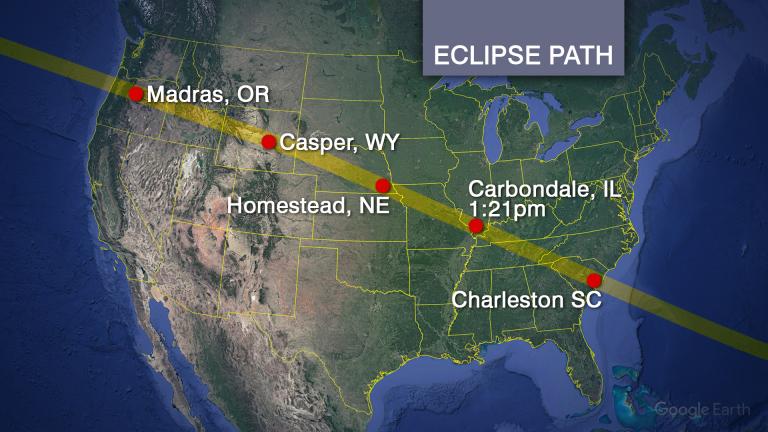
Onlookers were treated to a clear view of the solar eclipse in Carbondale. “It was a festival sort of atmosphere,” Amanda Vinicky said. “You literally had a beer tent, carnival rides, and band, a whole lot of very excited people wearing garb for the solar eclipse.”
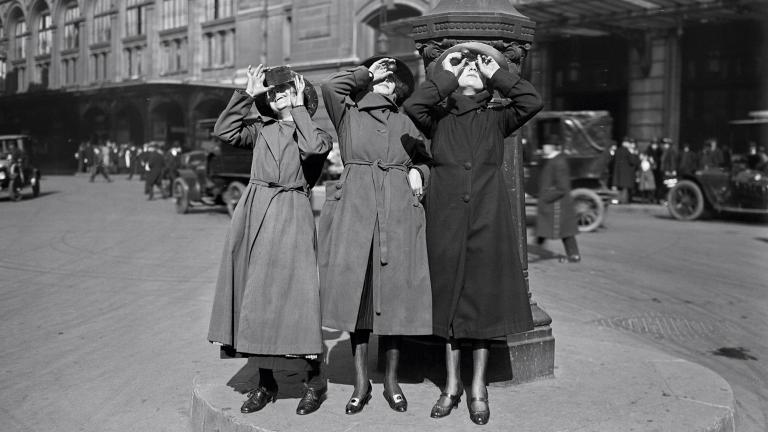
Over the course of civilization, eclipses have been met with fear and superstition. How humans have reacted to—and explained—eclipses throughout history.

Videos of the eclipse from Chicago’s Adler Planetarium and multiple spots across the U.S. from NASA, plus safety tips, Chicago watch parties and more.
Trending
2026 Chicago Festival Guide

Interim NITA Director Earning $350K Salary While Also Collecting $213K Annual City Pension, Records Show

Firm Set to Buy Chicago’s Parking Meters Sells Airline That Carried Out Deportations

Early Voting for November General Election Kicks Off in Downtown Chicago

Chicago Woman Accused of Social Security Fraud After Hiding Mother’s Body in Freezer for 2 Years

Sign up for the WTTW News newsletter