

Astronomy
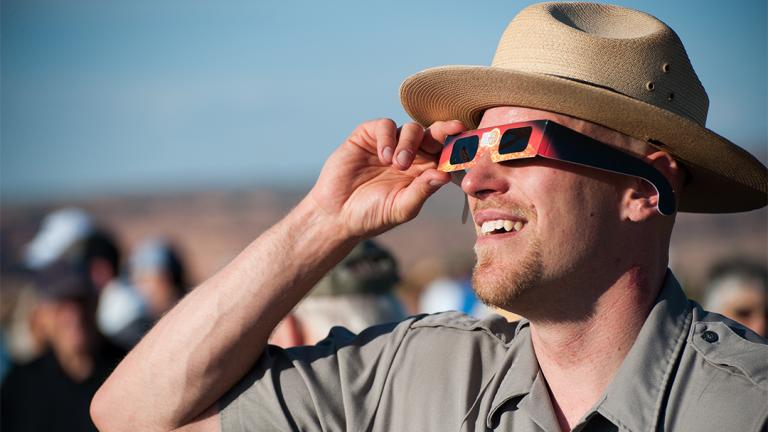

What can happen if you look at the sun for too long, even if it’s partially or almost fully blocked? We speak to an ophthalmologist about how to safely watch the eclipse.
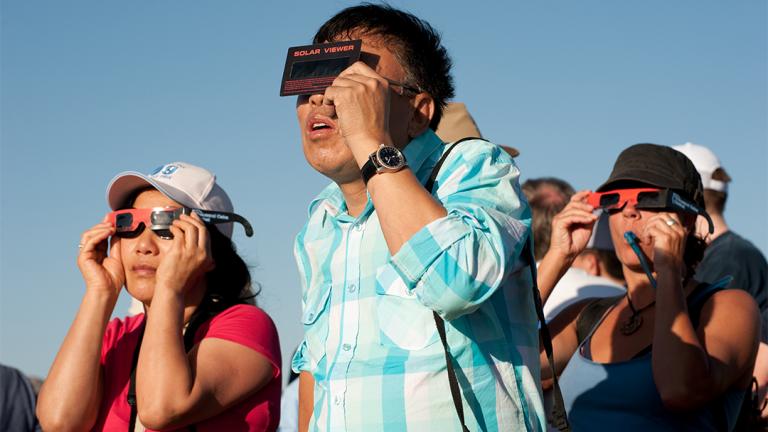
Participating in the eclipse is a way for “people to demonstrate that they want to understand the world scientifically,” DePaul sociologist Roberta Garner says.
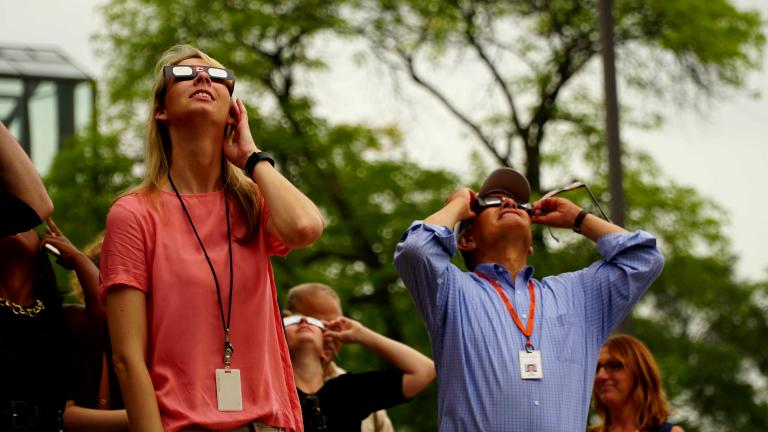
What did you see during the historic event? Add your images to our stellar online gallery.
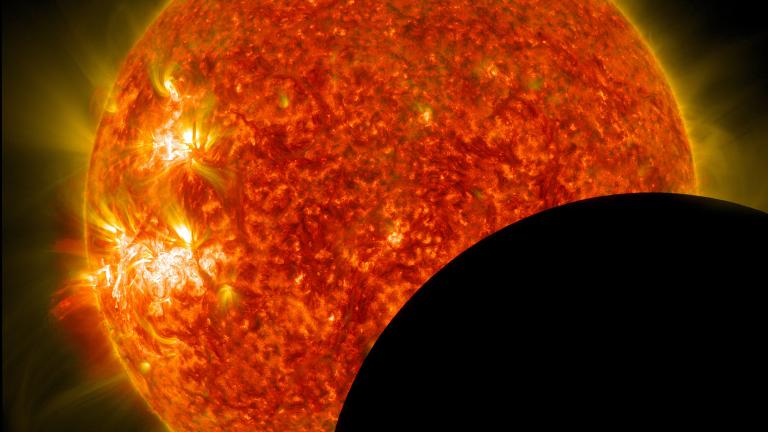
All you need to know to get ready for the coming total eclipse of the sun.
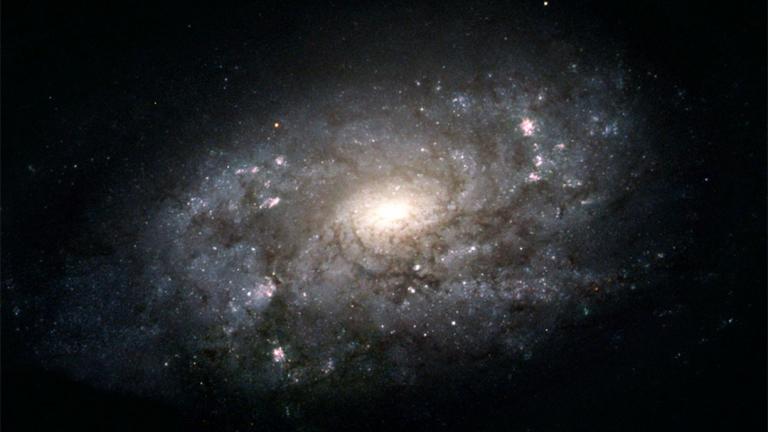
A team led by Adler Planetarium astronomer Grace Wolf-Chase used a telescope instrument to discover infrared light undetectable to the human eye, revealing new stars in the Milky Way.
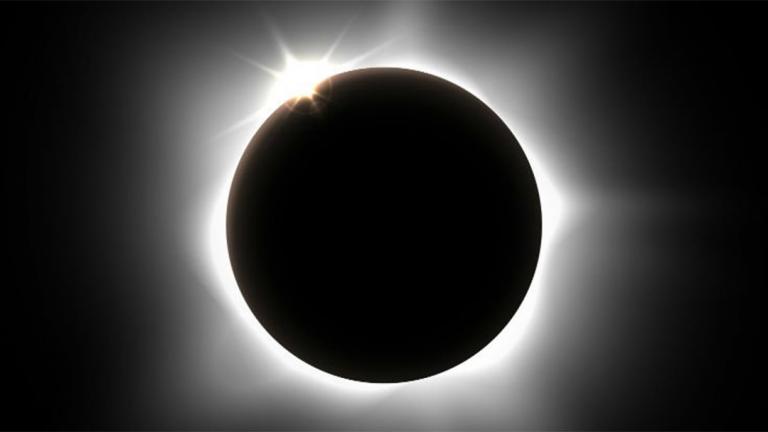
Are you ready to party like it’s 1925? That’s the last year Chicago experienced a solar eclipse like it will next month. To celebrate, the Adler Planetarium is hosting a daylong block party, and you’re invited.
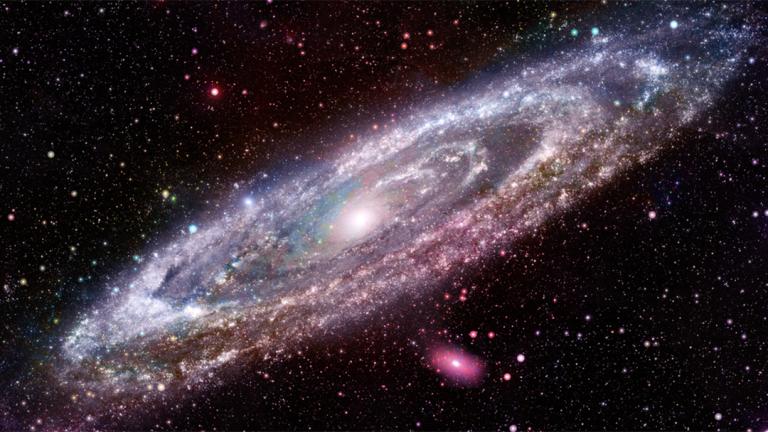
Citizen scientists can help researchers discover new distant galaxies as part of the Adler-led Zooniverse project.
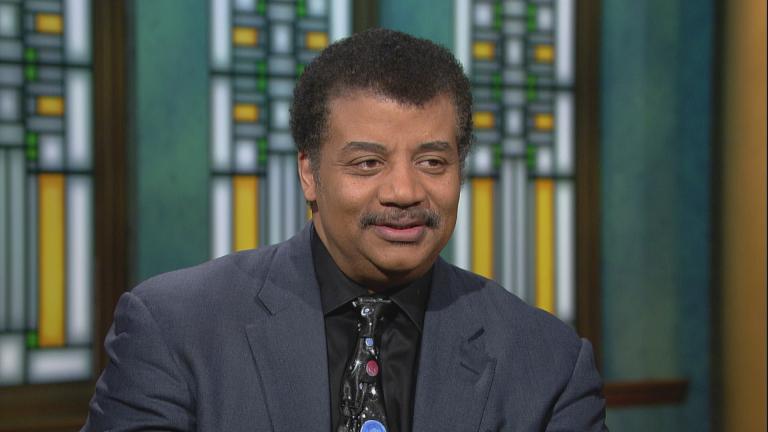
Neil deGrasse Tyson joins Chicago Tonight’s Eddie Arruza for an extended conversation about science and our place in the cosmos.
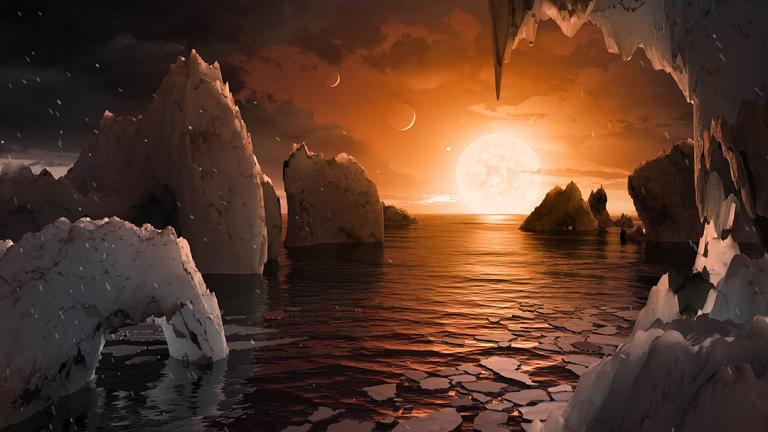
NASA said earlier this week it had a major announcement coming Wednesday. What an announcement it turned out to be.
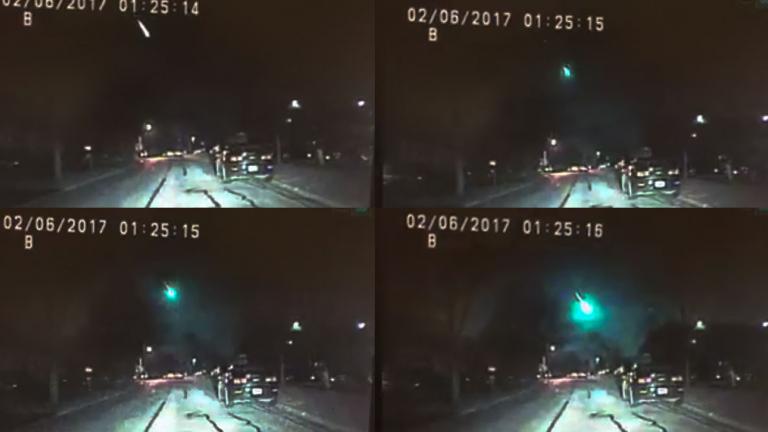
A bright meteor streaked across skies in Chicago and the Midwest at about 1:30 a.m. Monday.
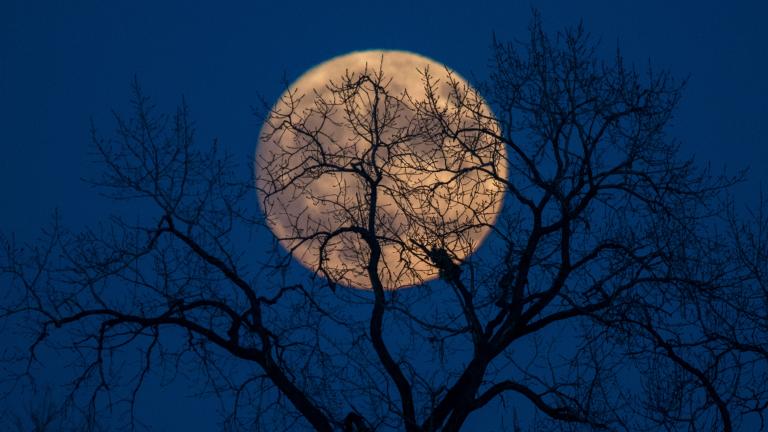
November’s full moon will be no ordinary sight. From Sunday evening through early morning on Tuesday, stargazers will be treated to a radiant lunar spectacle that hasn’t occurred to this degree since 1948.
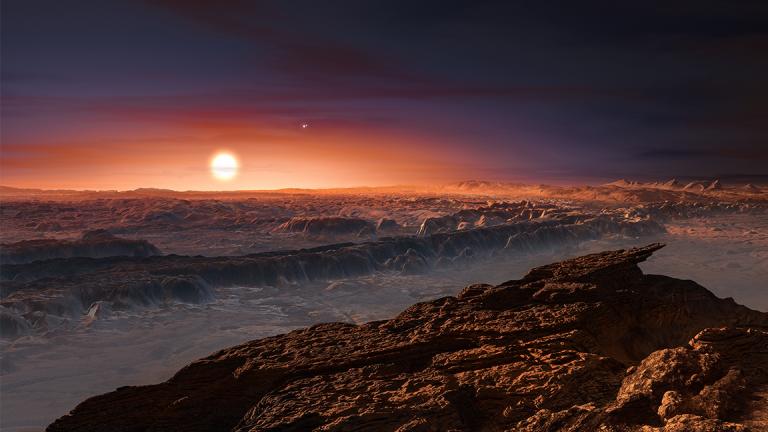
A planet that could potentially host life has been discovered orbiting Proxima Centauri, the star closest to our solar system, according to a report published Wednesday by more than 30 international scientists.
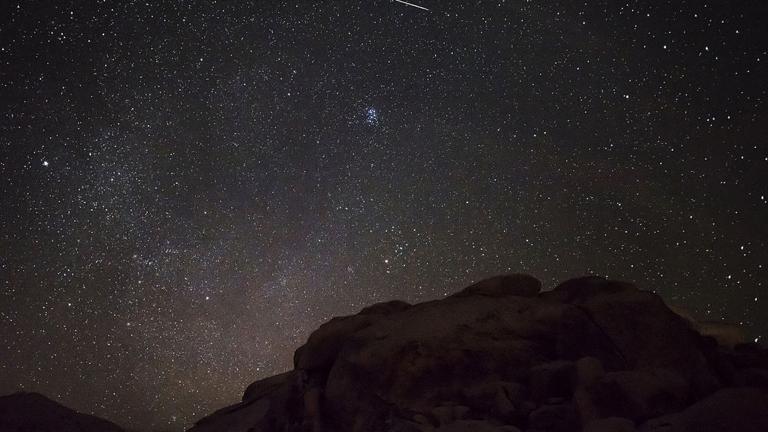
Peak activity for the Perseids is expected to be Thursday and Friday, according to NASA. The best time to view the meteors is between midnight and dawn, no telescope required.

Scientists at the University of Chicago are hoping a new, highly sensitive camera they're developing for the South Pole Telescope will reveal new information about the early universe. The camera measures something that's nearly 14 billion years old: radiation left over from the Big Bang.
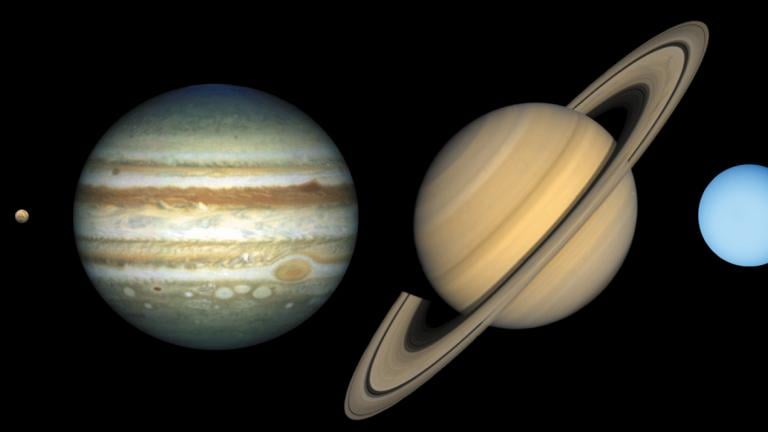
For the first time in a decade, five planets will be visible at the same time in the pre-dawn sky – and you won't need a telescope to see them.
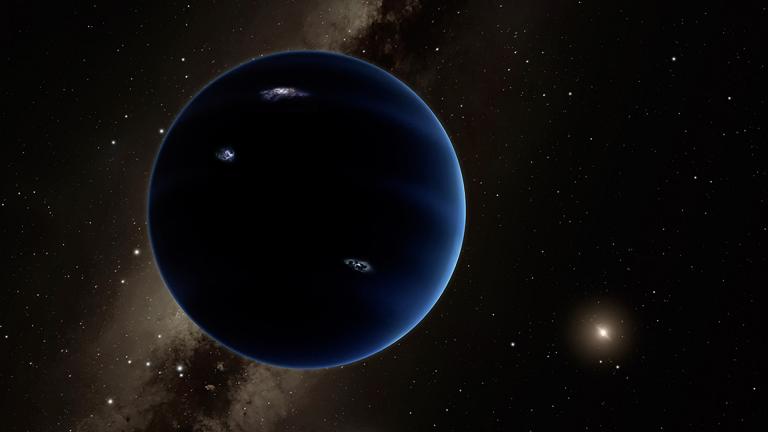
Evidence of a distant ninth planet in our solar system, electronic implants that can monitor brain injury then melt away, and how more sleep may reduce diabetes risk. Rabiah Mayas of the Museum of Science and Industry is back to review some of the hottest stories in the world of science.
Trending
2026 Chicago Festival Guide

Interim NITA Director Earning $350K Salary While Also Collecting $213K Annual City Pension, Records Show

Firm Set to Buy Chicago’s Parking Meters Sells Airline That Carried Out Deportations

Early Voting for November General Election Kicks Off in Downtown Chicago
Chicago Woman Accused of Social Security Fraud After Hiding Mother’s Body in Freezer for 2 Years

Sign up for the WTTW News newsletter