

Animals & Nature
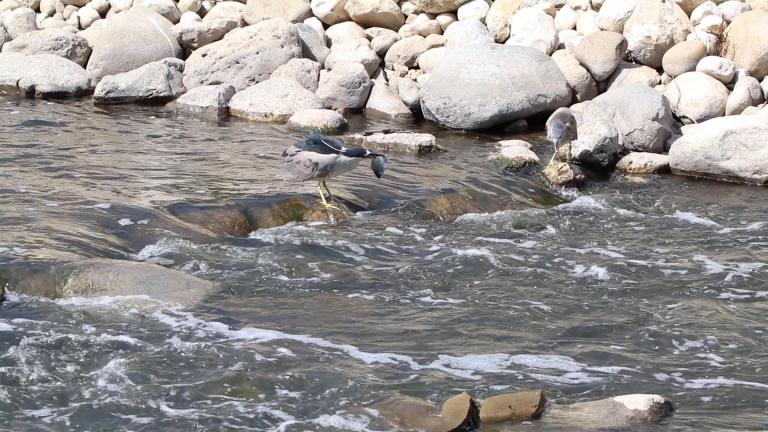

On Chicago’s Northwest Side, a gently sloping riverbed occupies the former site of a small but historically important dam. We visit a popular fishing spot – for humans and birds alike – at River Park.
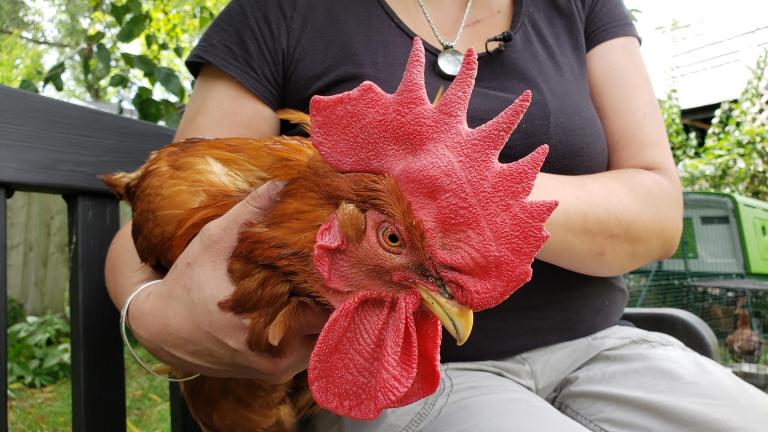
People commonly adopt dog and cats from the pound, but there’s a new phenomenon in Chicago: stray chickens and roosters are being rounded up in an effort to find them their forever homes.
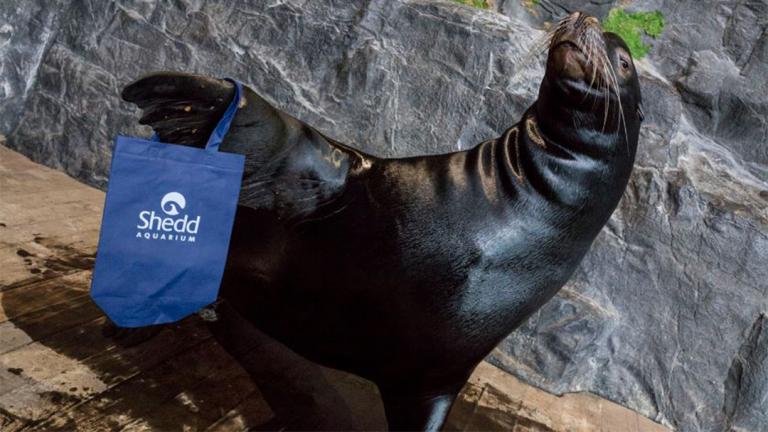
Ty, an 18-year-old California sea lion, had been living at the aquarium since 2005. Animal caretakers and veterinarians began monitoring him last week after noticing an uncharacteristic decline in his appetite.
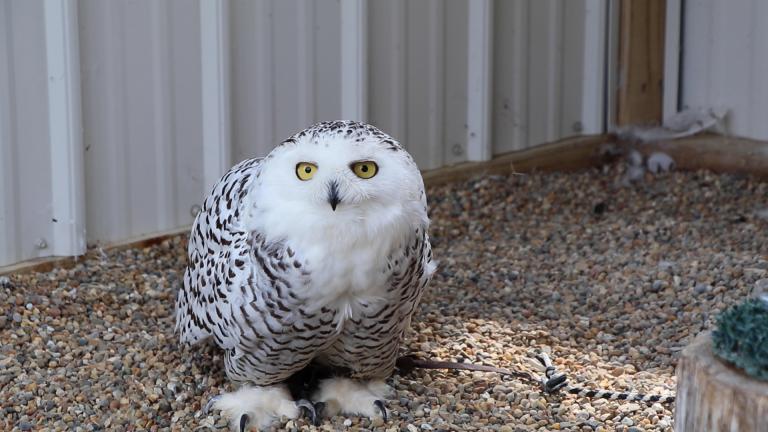
About 180 miles southwest of Chicago, a wildlife conservation facility cares for hundreds of injured, sick or orphaned raptors. We go for a look and meet some of these incredible birds of prey.

Using satellite images and data on wildlife activity, scientists determined that artificial light levels found in more than a third of the city are altering the circadian rhythm and behaviors of animals throughout the city.
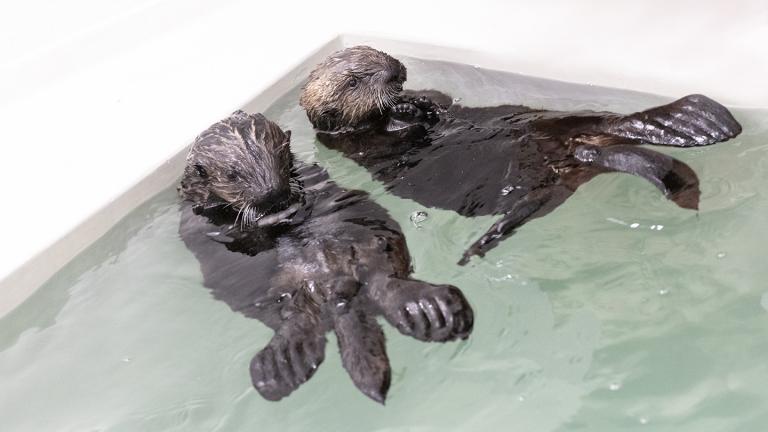
No makeup was necessary for a pair of fuzzy sea otter pups the aquarium showed off to the media this week. “They get cuter every day,” said Tracy Deakins, a senior trainer of otters and penguins.
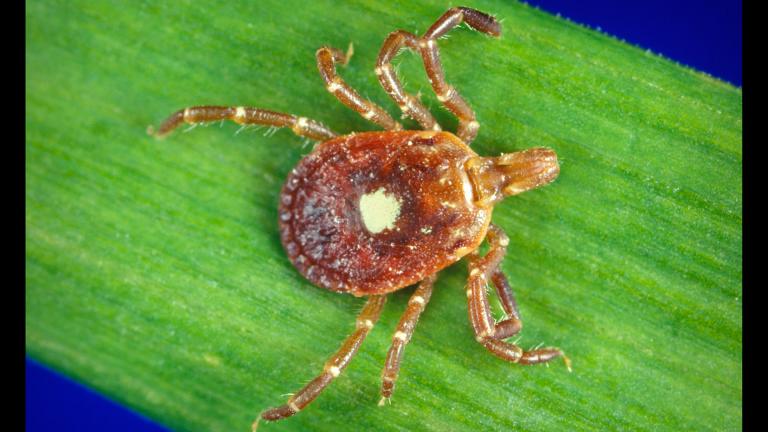
Ticks are so good at transmitting potentially dangerous illnesses like Lyme disease that we’re wise to give them our attention now and then. And in Illinois, ticks are now carrying a relatively new disease called Heartland Virus.
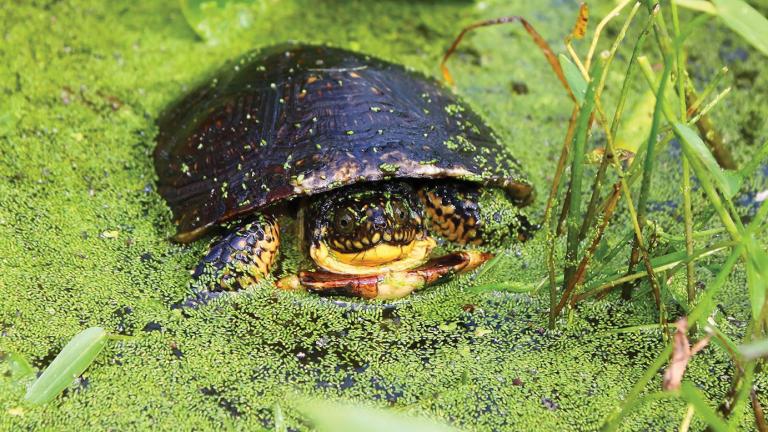
The Trump administration’s move to effectively weaken protections under the landmark law could have stark consequences for the 480 plant and animal species classified as endangered or threatened within Illinois.
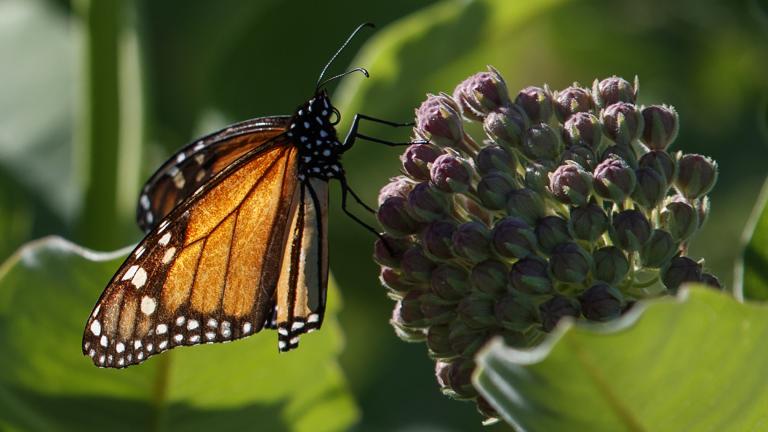
Monarchs are in trouble, despite efforts by volunteers and organizations across the United States to nurture the beloved butterfly. And the Trump administration’s new order weakening the Endangered Species Act could well make things worse.

More than 30 countries have banned cosmetics testing on animals, and while the practice hasn’t been banned in the U.S., Illinois is now the third state to enact “humane cosmetics” legislation. The new law takes effect Jan. 1, 2020.
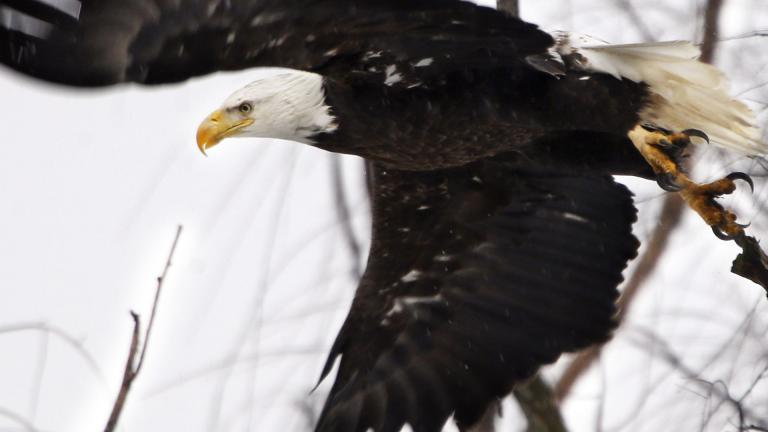
Under the enforcement changes, officials for the first time will be able to publicly attach a cost to saving an animal or plant. Blanket protections for creatures newly listed as threatened will be removed.
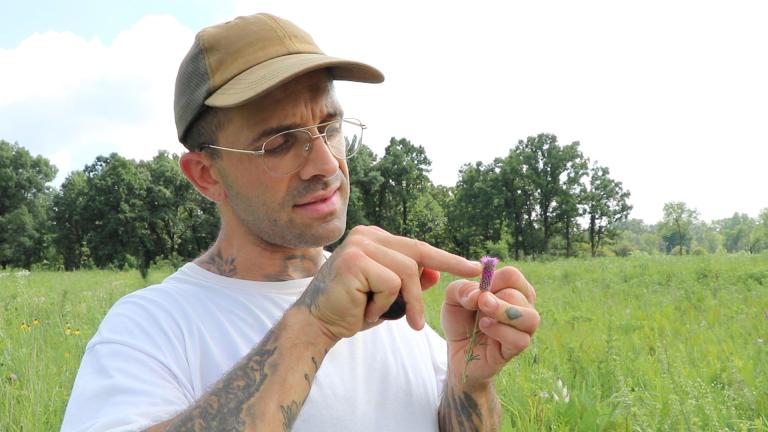
Joey Santore isn’t your typical plant expert, but his colorful style and depth of knowledge have proved popular. We go for a stroll through Wolf Road Prairie, an 80-acre nature preserve in Chicago’s western suburbs.
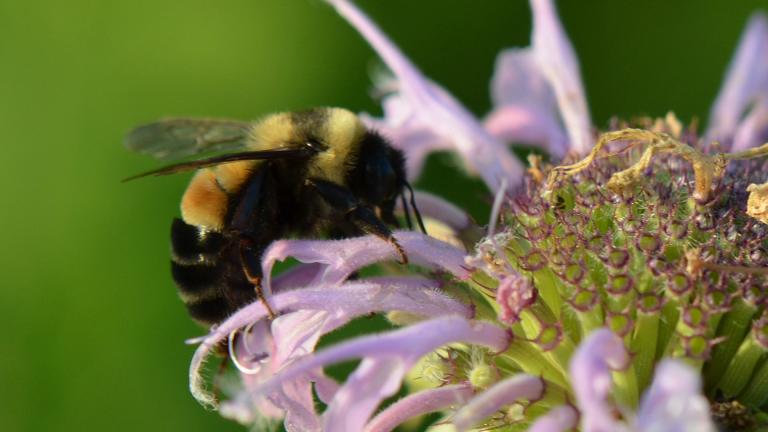
It’s been a rough few decades for the rusty patched bumblebee. Once widespread in Illinois and throughout much of the U.S., the species has lost nearly 90% of its population over the past 20 years.

Joel Brammeier, president and CEO of the Alliance for the Great Lakes, talks about the area’s shrinking and disappearing beaches this year, and why it matters.

As they set out to learn more about kids’ affinity for nature, a group of psychologists had a strong idea about what they would find. As it turned out, their assumptions were wrong. “We were incredibly surprised,” said the lead author of the study.

The discovery comes about a month after an alligator in the Humboldt Park Lagoon captured the attention of the city for about a week before the alligator was captured by a gator hunter who was flown in from Florida.
Trending
2026 Chicago Summer Festival Guide

Who Is Running, or Thinking About Running, to Become Chicago’s Next Mayor

CPD Officer Arrested for Domestic Battery Day After Ex-Top Cop, Police Board Said He Should Be Fired

Thursday’s Near-Total Lunar Eclipse Is One to Watch, Chicagoans Won’t See Another This Good for Years

Property Taxes in Suburban Cook County Continue to Soar Past Rate of Inflation: Report

Sign up for the WTTW News newsletter