Science & Nature

Chicago has launched a contest to name six of its snowplows — one for each snow district — and the competition promises to be fierce.
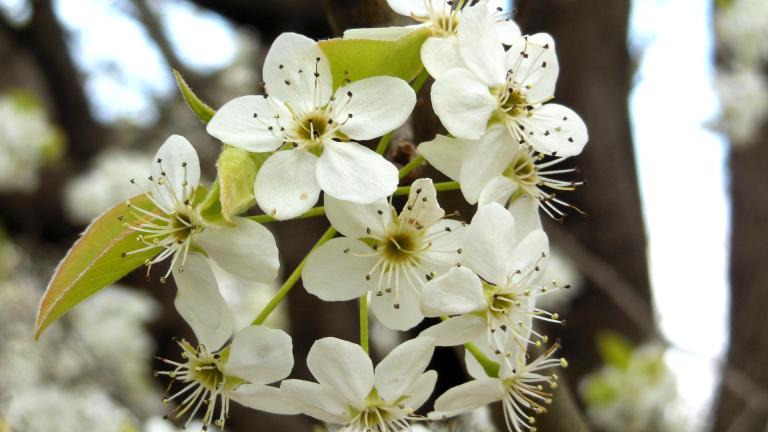
The candidates include well-known banes like garlic mustard and wild parsnip, but also a plant adored by landscapers and property owners: the Callery pear tree.
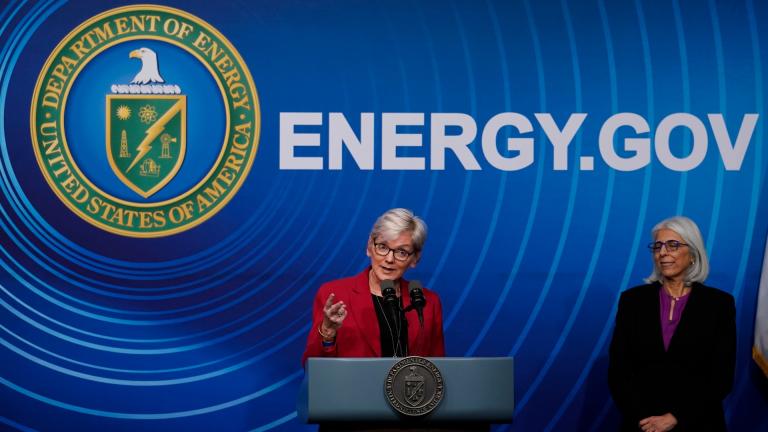

Energy Secretary Jennifer Granholm announced a “major scientific breakthrough” Tuesday in the decadeslong quest to harness fusion, the energy that powers the sun and stars.

NASA’s Ingenuity Mars helicopter is the first aircraft humankind has ever created that is capable of powered, controlled flight on another world. NASA’s team lead on the project discusses its significance.

The federal government has just announced its most significant investment to date in nature-based projects aimed at creating "climate-ready" coastlines, and Chicago is among the communities that will benefit from this latest round of funding.
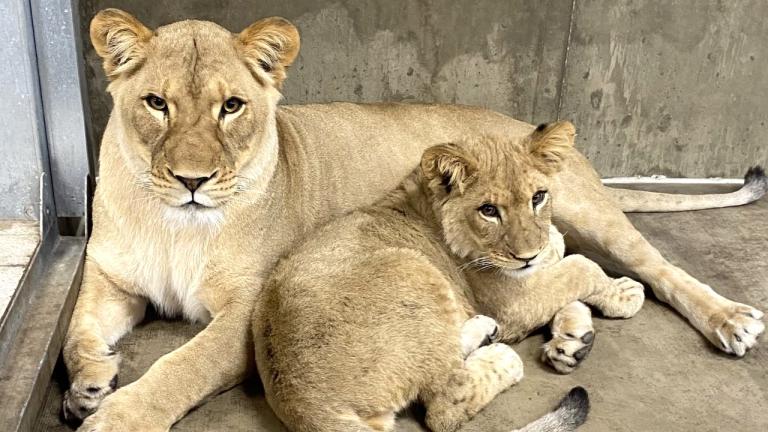
"A birth represents preservation of a species that has faced many challenges in the wild,” said Mike Murray, curator of mammals and animal behavioral husbandry.

It’s been another wild week on the nature beat. The United Nations’ biodiversity conference kicked off Tuesday in Montreal with the UN Secretary-General calling humanity a “weapon of mass extinction.” Nowhere to go but up from there.
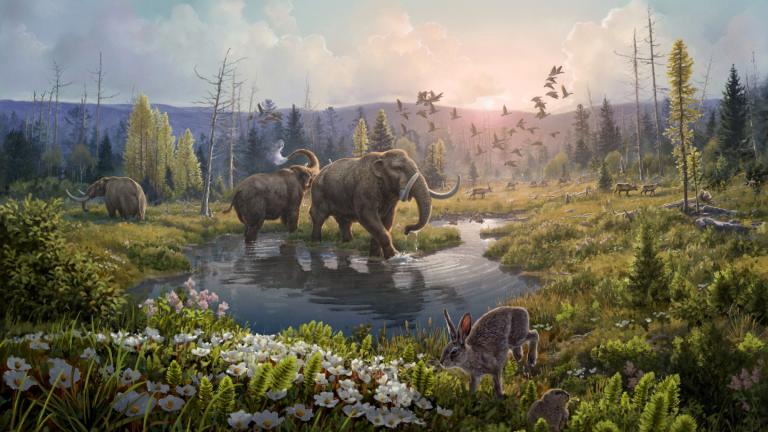
With animal fossils hard to come by, the researchers extracted environmental DNA, also known as eDNA, from soil samples. This is the genetic material that organisms shed into their surroundings — for example, through hair, waste, spit or decomposing carcasses.
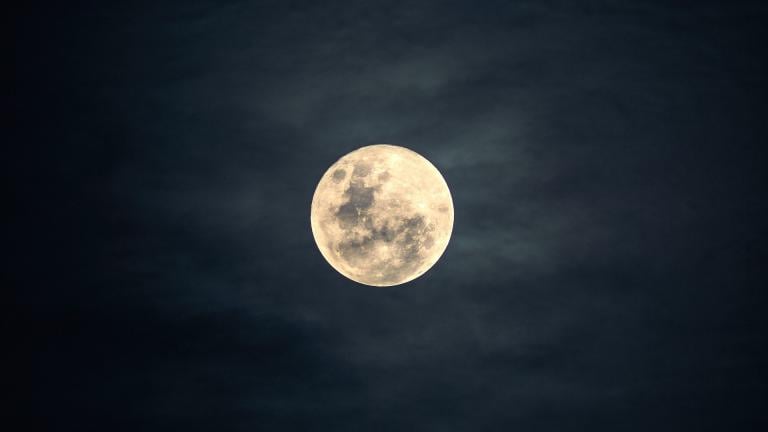
Sky watchers will have their eyes peeled Wednesday night for a rare-ish celestial event: an “eclipse” of Mars.
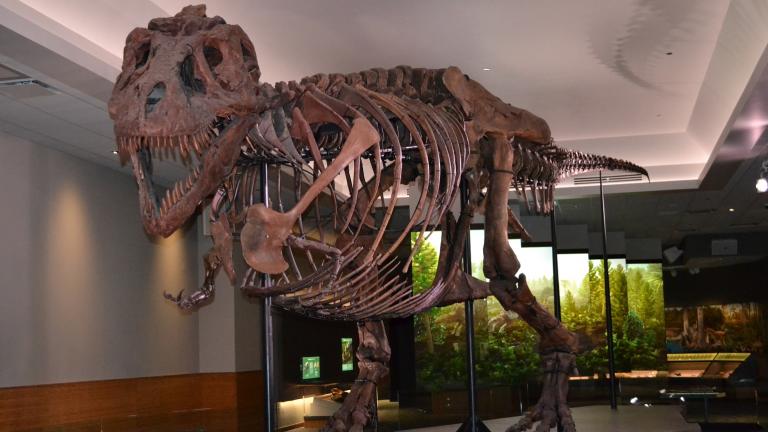
Researchers at the Field Museum are embarking on a project to discover what was the point — if any — of T. rex’s tiny arms.

Federal officials popped into Chicago Friday to celebrate the awarding of a $20 million grant from the U.S. Department of Transportation to the Englewood Nature Trail.
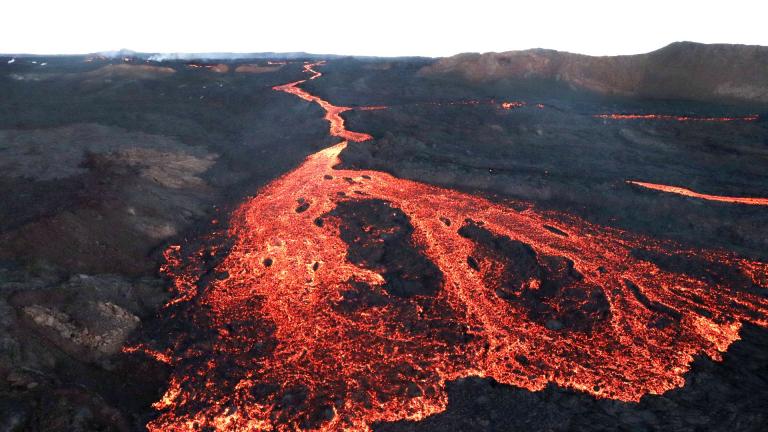
Every Friday, we’ll be rounding up some of the articles, videos, photos and social media posts that have caught our attention on the topics of climate change, the environment, wildlife, conservation and weather.
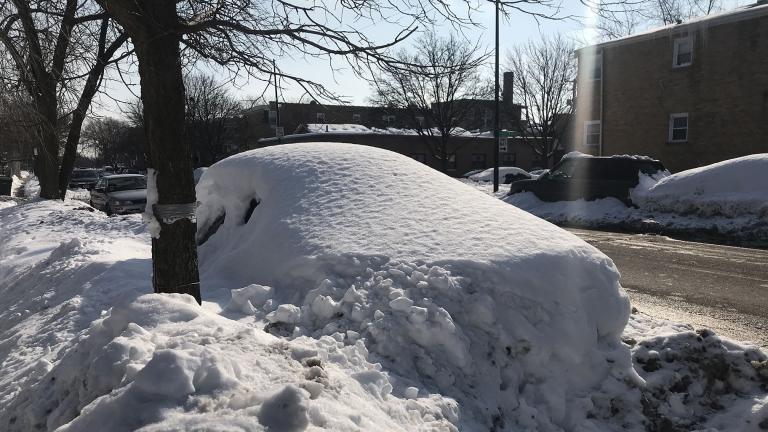
Starting Dec. 1, Chicago’s overnight parking ban takes effect on 107 miles of streets, snow or no snow, from 3-7 a.m. daily through April 1.
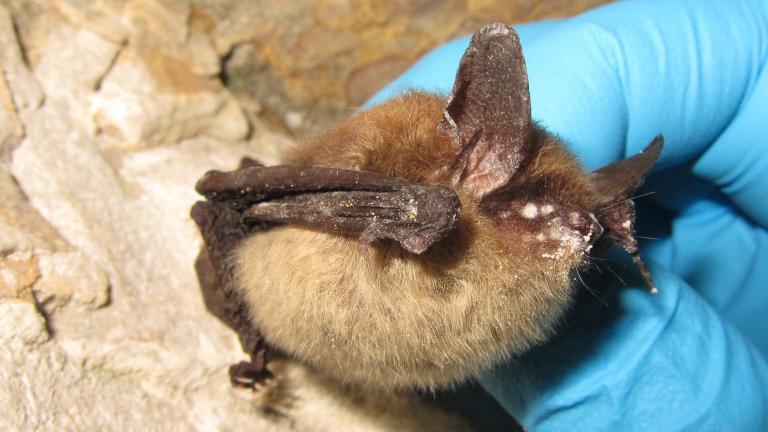
Despite habitat strongholds in places like Illinois, white-nose syndrome continues to decimate the population.
The deadly white-nose syndrome is threatening the northern long-eared bat — one of Illinois’ 13 native bats — with extinction. The race is on to find a cure and protect what’s left of the population.

Preservationists are pushing for Promontory Point to be granted Chicago landmark status. Will their case be heard?
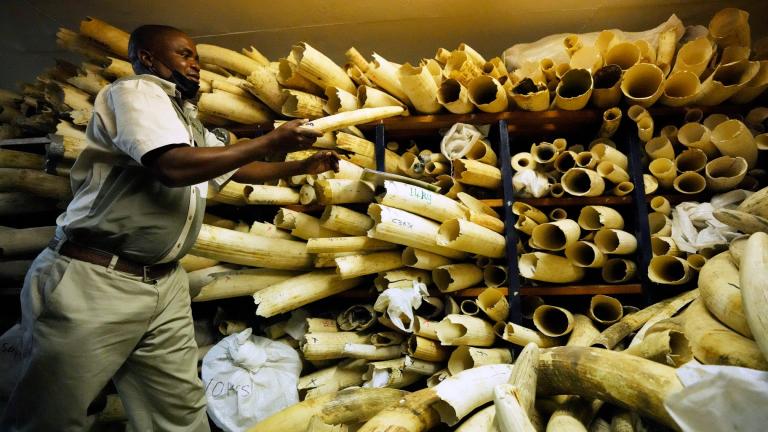
The Convention on International Trade in Endangered Species of Wild Fauna and Flora, known by its initials as CITES, ended Friday in Panama. Along with protections for over 500 species, delegates at the United Nations wildlife conference rejected a proposal to reopen the ivory trade. An ivory ban was enacted in 1989.
Trending
Police Brass Agrees to Suspend Officers for Violating Rights of Black Driver During Downtown Traffic Stop

‘This is Only the Beginning’: Illinois Accountability Commission Hears First Testimony on Federal Agents’ Use of Force in Chicago

Roseland Hospital Failed to Monitor a Patient During a Mental Health Crisis, Regulators Say. Now He’s Charged With Killing His Wife

Evanston Mayor Daniel Biss Confronts Border Patrol Chief Greg Bovino as Immigration Enforcement Continues

Chicago Bears’ Threat to Move to Indiana a ‘Slap in the Face,’ Gov. Pritzker’s Office Says

Sign up for the WTTW News newsletter