

Hedy Weiss: Theater Reviews
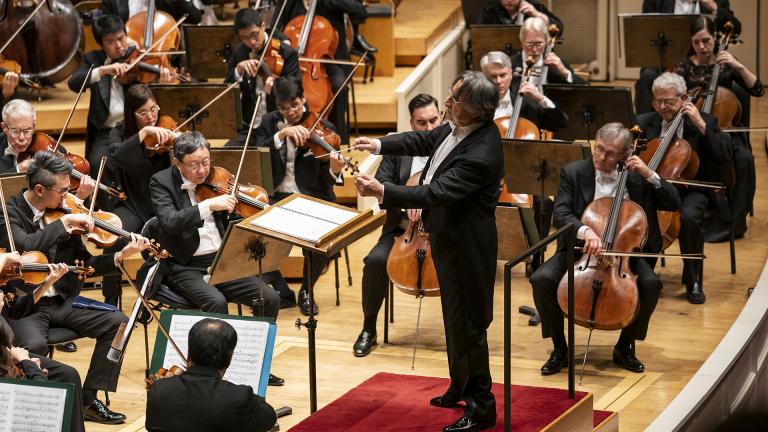
The CSO’s current program features two radically different pieces: American composer William Schuman’s haunting “Symphony No. 9” and Mozart’s glorious “Requiem in D Minor.”
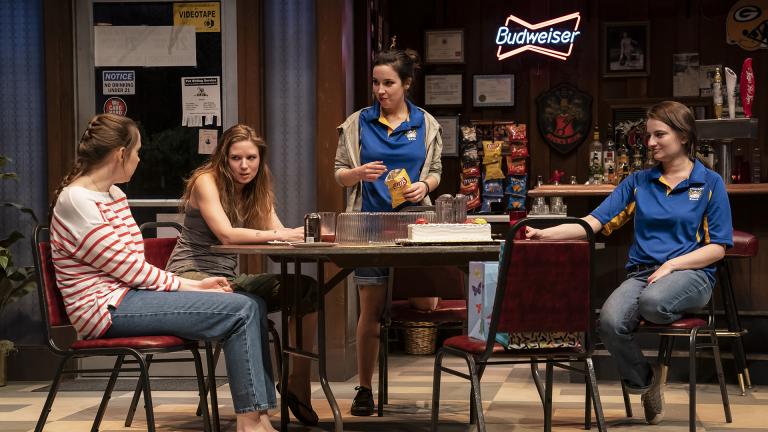
“Twilight Bowl” is a telling depiction of a crucial transitional period in the lives of a cross-section of young women who are at once lost and found in the American heartland.
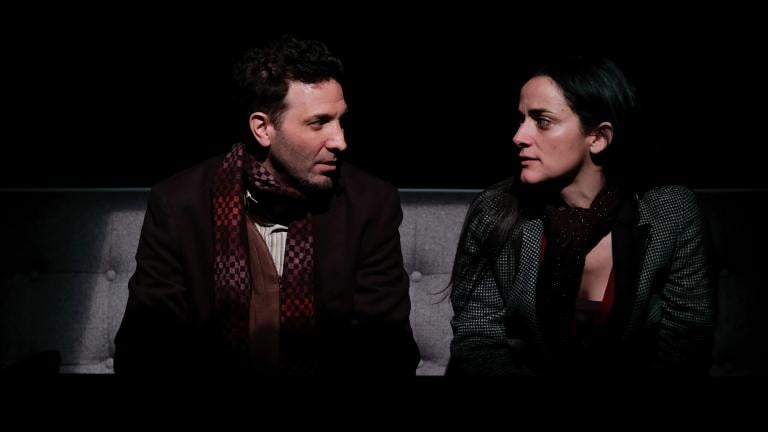
Stephanie Alison Walker’s new play serves as a chilling reminder of a particularly horrific period in Argentina’s history when, from 1976 to 1983, that nation was under the thumb of a brutal military dictatorship.
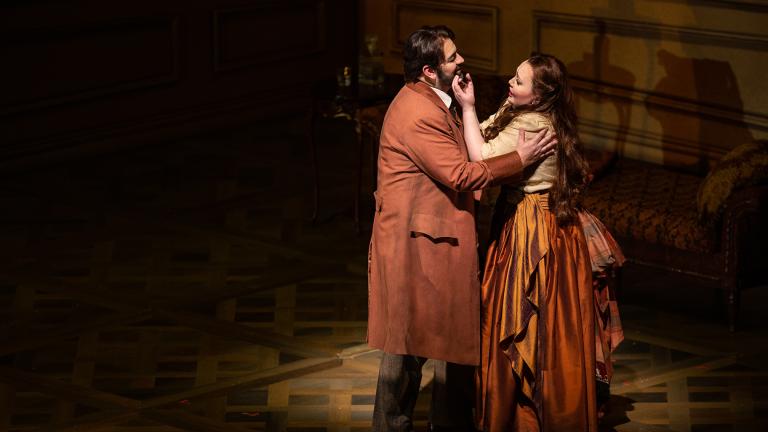
The beauty of this production goes beyond the absolute glory of Giuseppe Verdi’s impassioned, vocally demanding score. And while the voices are uniformly superb, so is the almost conversational style of acting.
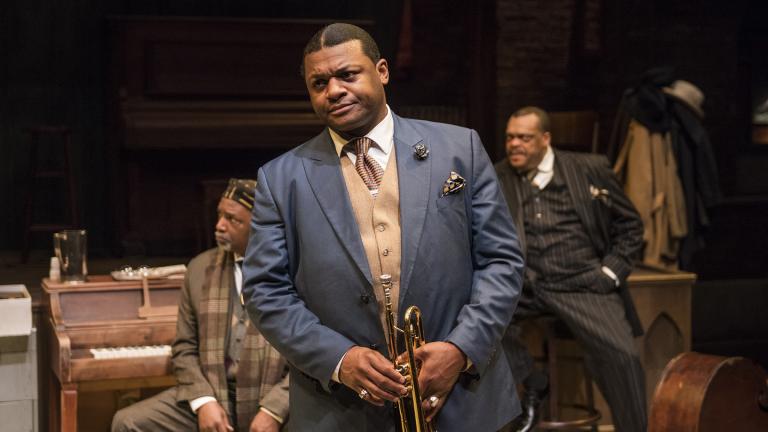
The harmonies, dissonances and inflections of the conversations among the four men who form Ma Rainey’s fractious band are something of a spoken-word blues opera in this Writers Theatre revival.
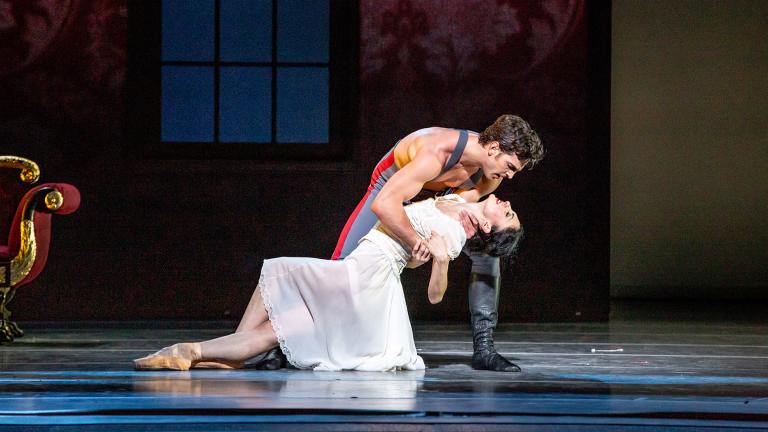
This haunting, visually fascinating interpretation of Leo Tolstoy’s massive 1877 novel serves as the latest evidence of the unique ability of the Joffrey to turn dance into riveting, multi-dimensional theater.
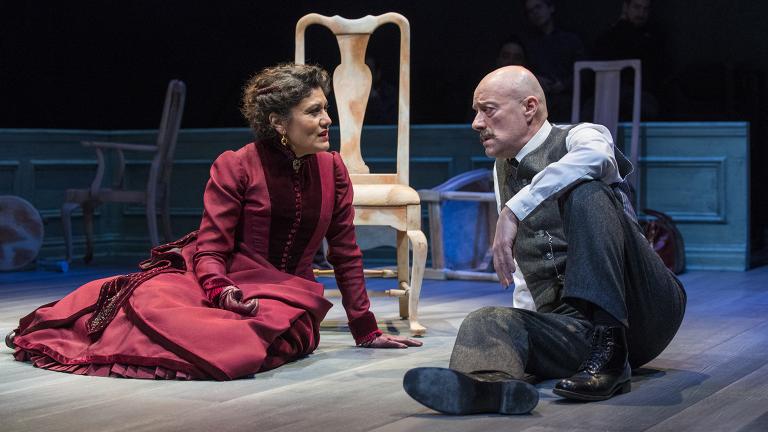
This sequel to Henrik Ibsen’s groundbreaking play – now receiving its Chicago debut at Steppenwolf Theatre – arrives at a moment when a whole new tsunami-like wave of feminist rebellion has gathered force.
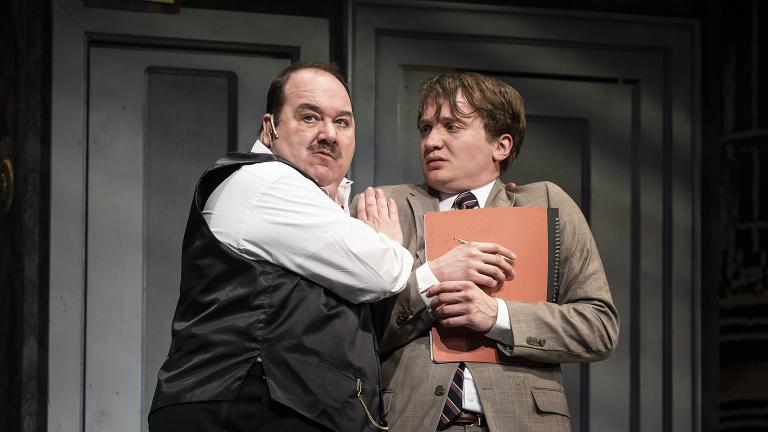
For all its retrograde tropes, Jim Corti’s envelope-pushing (yet entirely faithful) take on Mel Brooks’ 2001 musical feels more contemporary, necessary and dangerously funny than ever before.
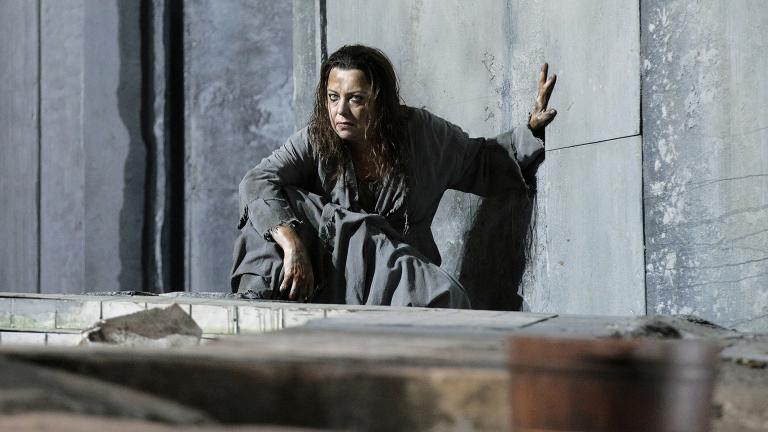
Lyric Opera’s production of “Elektra,” last seen here in 2012, has found its ideal cast this time around with singers whose spectacular, powerhouse voices are matched by superb acting skills.
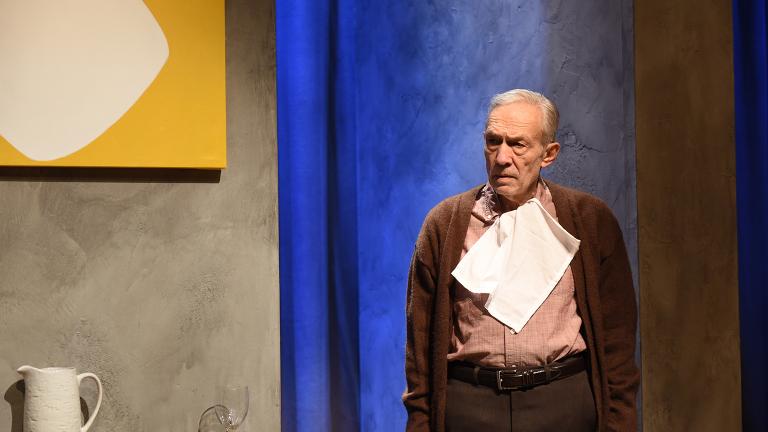
The harrowing realism of “The Father” finesses a remarkable feat of imagination that makes the audience experience the same disorientation, confusion and anger that accompany the protagonist’s own loss of clarity and memory.
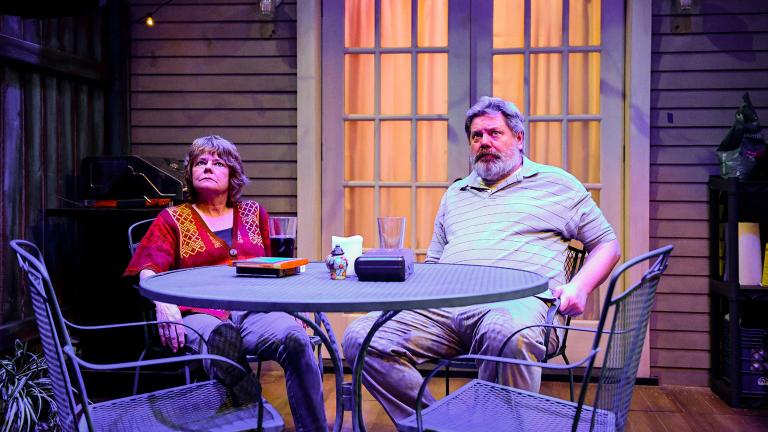

Hedy Weiss reviews a production that imagines what happens when two couples of different ages – plagued by similar problems of communication and neurological degeneration – attempt to interact. Plus, a play-turned-production that shines a light on visionary chemist Dr. Rosalind Franklin.
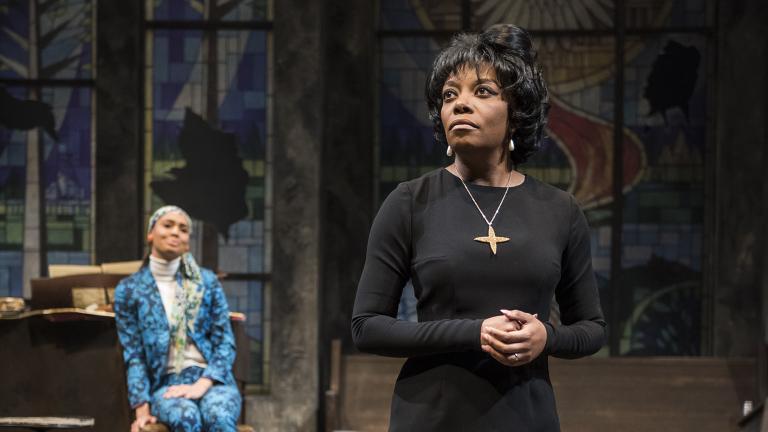
Christina Ham’s play, “Nina Simone: Four Women,” is the anatomy of a song. And by extension, it is the anatomy of the angry, emotionally wounded singer, songwriter, pianist and civil rights activist who wrote it.

Not even the polar vortex could deter the performers and audience as Porchlight Music Theatre opened its altogether bravura production this week. This brilliantly conceived and equally brilliantly performed show was meant to defy the odds on every count.
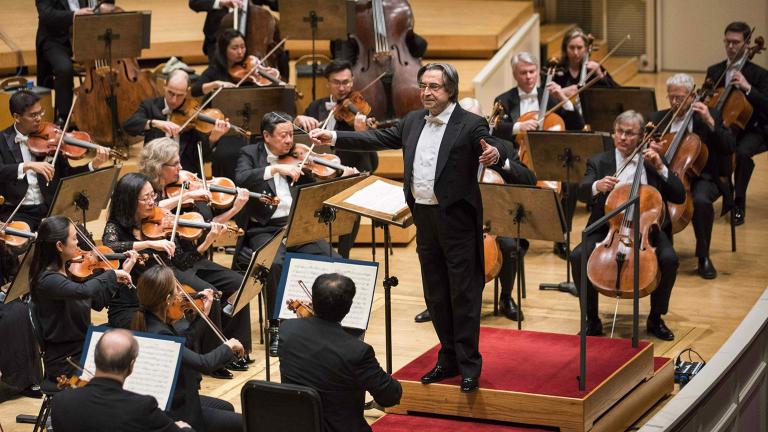
A wide array of concerts designed “to explore (Ludwig van Beethoven’s) individuality, power and genius” highlight the Chicago Symphony Orchestra’s 2019-2020 season.
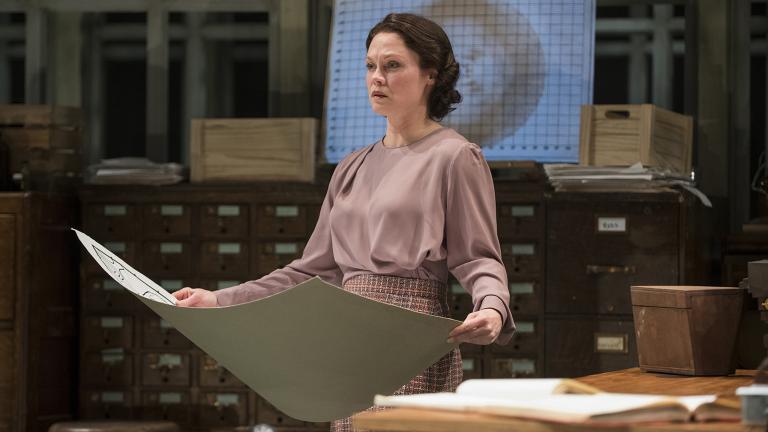
Anna Ziegler’s play, now in a biting, emotionally vivid production at Court Theatre, shines a light on the visionary chemist who was crucial to the momentous scientific paper explaining the molecular structure of DNA.
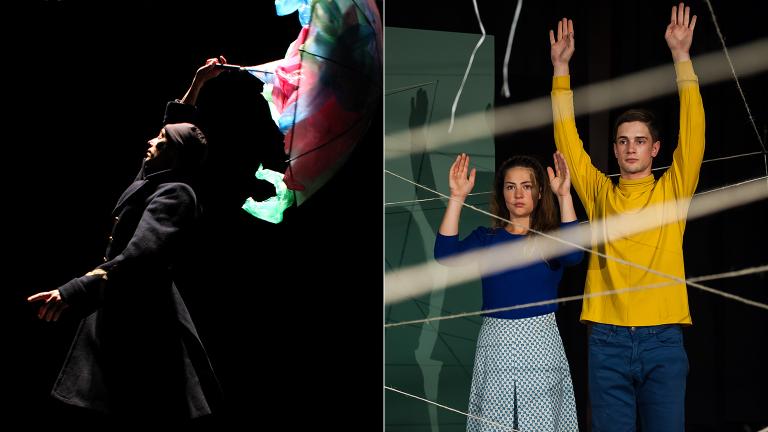
The work of two theater companies – one from Belgium and the other from France – are paying all-too-brief visits to Chicago Shakespeare Theater stages at the moment.
Trending
Who Is Running, or Thinking About Running, to Become Chicago’s Next Mayor

Thursday’s Near-Total Lunar Eclipse Is One to Watch, Chicagoans Won’t See Another This Good for Years

TIF Districts Boosted Property Taxes but Failed to Spur Development in Blighted Neighborhoods: Report

Mayor Johnson Signs Executive Order Targeting Firms Profiting From Immigration Raids

Proposed Express Train Would Take People From Downtown to O’Hare Airport in 15 Minutes

Sign up for the WTTW News newsletter