

Politics
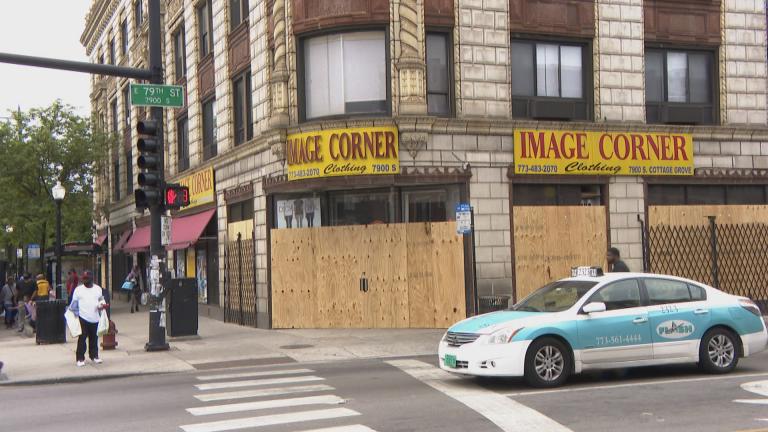
An increasing number of complaints that Chicago officials decided to protect downtown at the expense of neighborhoods on the South and West sides are “not true and illogical,” Mayor Lori Lightfoot said Wednesday.

Next time you order takeout food, you can pair it with a premade to-go cocktail, thanks to legislation signed by Gov. J.B. Pritzker on Tuesday.
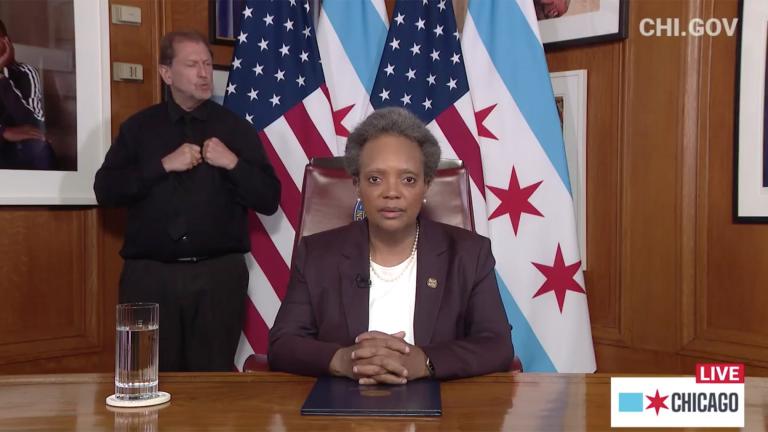
In an address Tuesday night, Chicago Mayor Lori Lightfoot outlined reforms based on improving police training, officer wellness and community relations she said are “critical to resolving our crisis.”
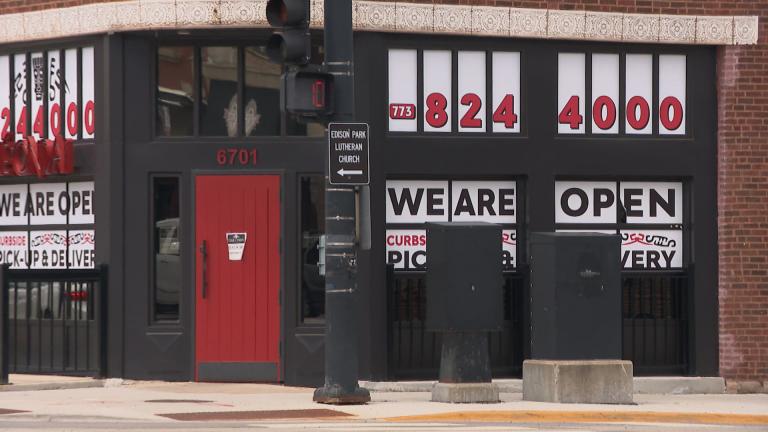
Mayor Lori Lightfoot said she made the decision only after speaking with business owners, chambers of commerce and city officials, all of whom she said were fully behind moving into phase three of the state’s Restore Illinois plan.
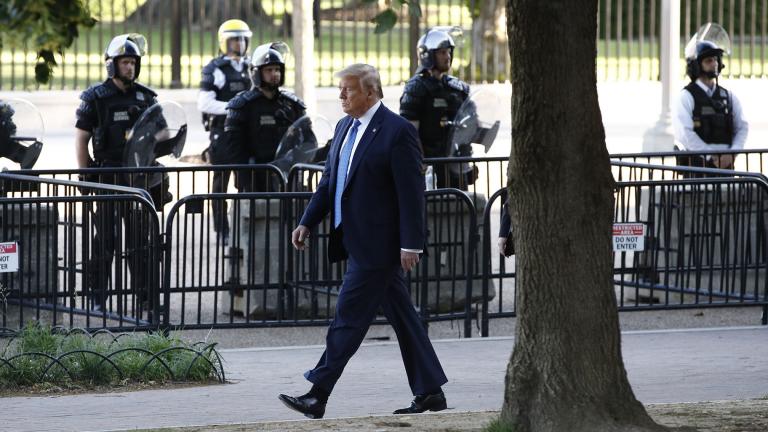
Several Democratic governors, including Gov. J.B. Pritzker, pushed back against President Donald Trump’s threat to deploy the U.S. military unless they dispatch National Guard units to “dominate the streets” in reaction to violence.
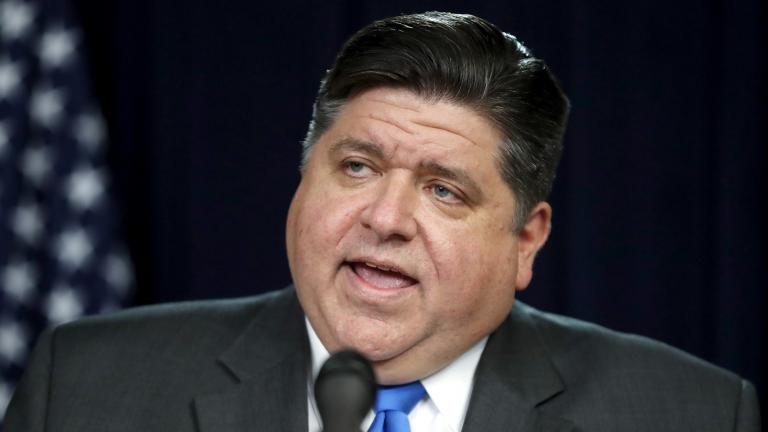
A “surge of destructive action” across Illinois prompted Gov. J.B. Pritzker to issue a disaster proclamation Monday for nine counties and deploy additional state police and National Guard members.
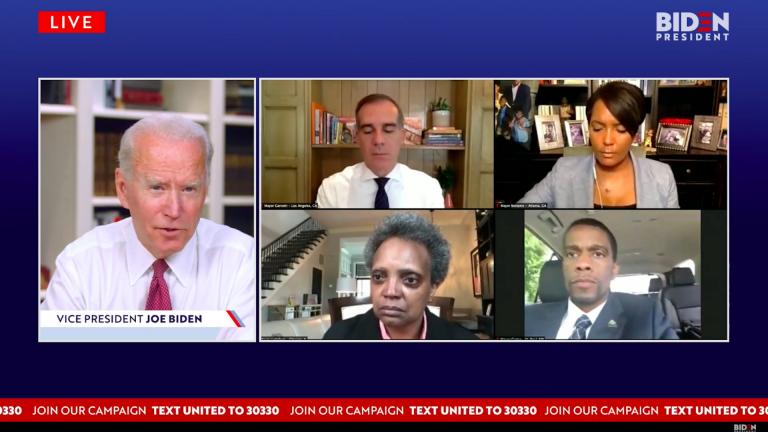
Referencing Chicago’s own “dark days” with police violence, the mayor said additional training and improved relationships between officers and the community are needed following protests and looting across the city.
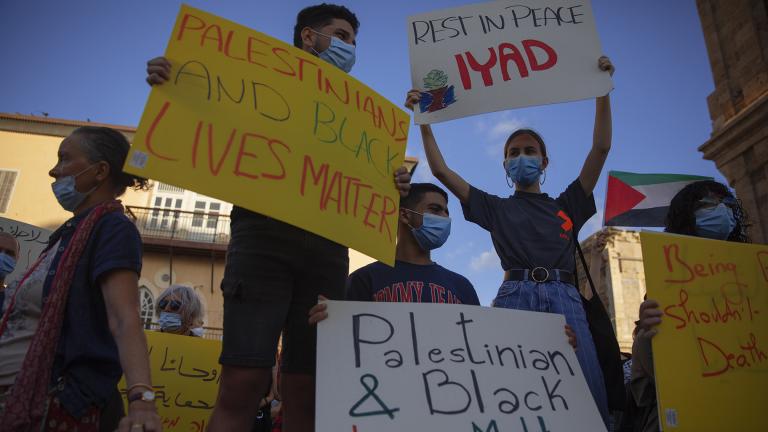
U.S. officials sought to determine Sunday whether extremist groups had infiltrated police brutality protests across the country and deliberately tipped largely peaceful demonstrations toward violence.
Mayor Lori Lightfoot said plans to lift some restrictions in Chicago on Wednesday designed to stop the spread of COVID-19 may be delayed after violent protests sparked by the death of George Floyd swept the city.
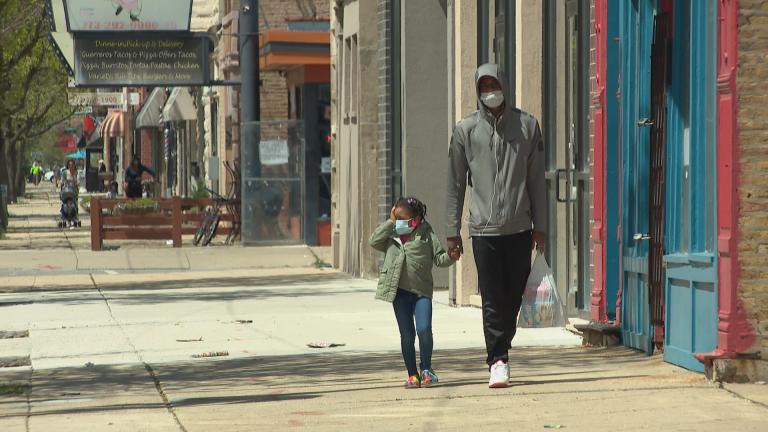
New statewide totals: 120,260 cases, 5,390 deaths
Just days after the state began slowly reopening, public health officials said 120,260 people have so far tested positive for the virus in Illinois, including an additional 1,343 between Saturday and Sunday.
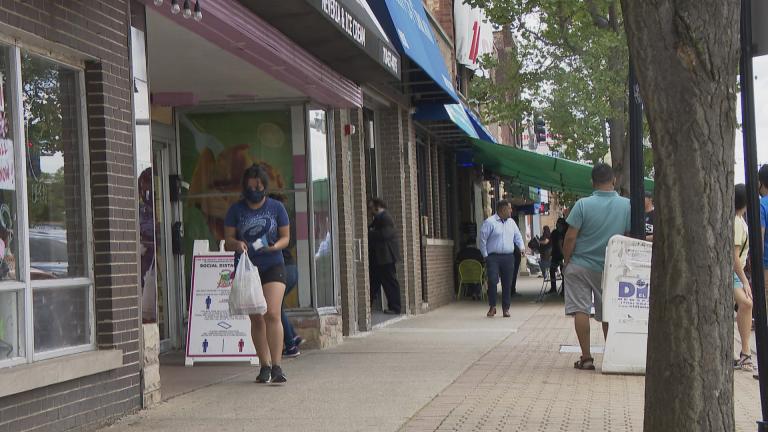
New statewide totals: 118,917 cases, 5,330 deaths
Another 1,462 Illinoisans tested positive for the coronavirus, health officials reported Saturday, as many communities across the state begin to emerge from the governor’s stay-at-home order.
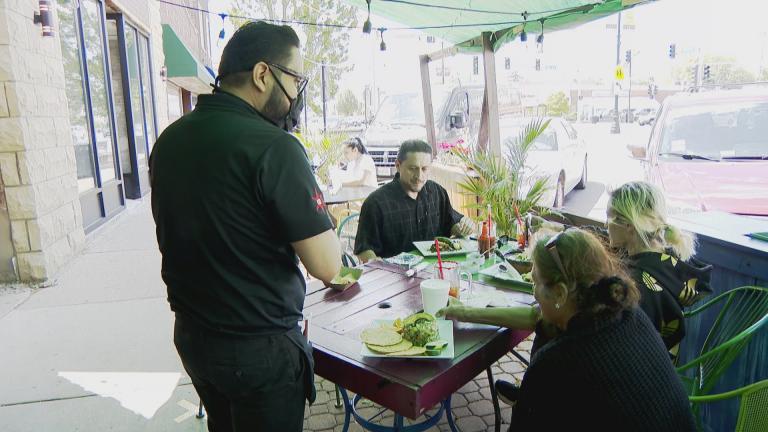

Illinois partially reopens Friday as the state surpasses more than 115,000 confirmed coronavirus cases and more than 5,000 deaths. Chicago is planning its reopening for June 3.
The stay-at-home order put in place on March 21 by Gov. J.B. Pritzker officially expired Friday. Here’s what is now open — and what will be different in Chicago as compared with the rest of the state.
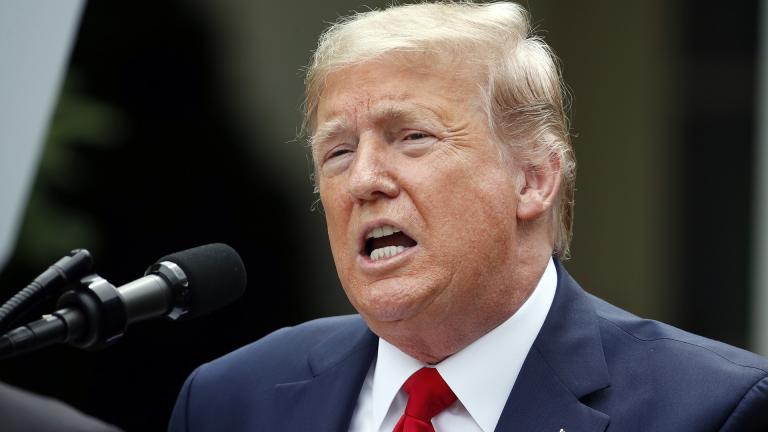
President Donald Trump announced Friday he would withdraw funding from the World Health Organization, end Hong Kong’s special trade status and suspend visas of Chinese graduate students suspected of conducting research on behalf of their government.
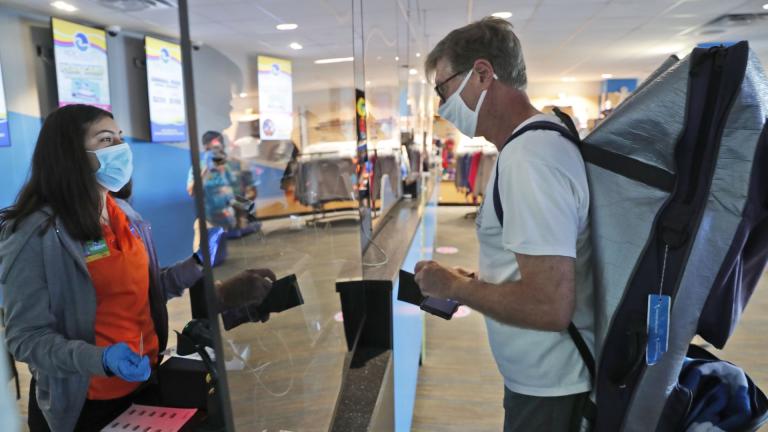
New statewide totals: 117,455 cases, 5,270 deaths
Gov. J.B. Pritzker said the time for his stay-at-home order has come to an end as several businesses across Illinois began to reopen Friday – the first day under phase three the governor's Restore Illinois plan.
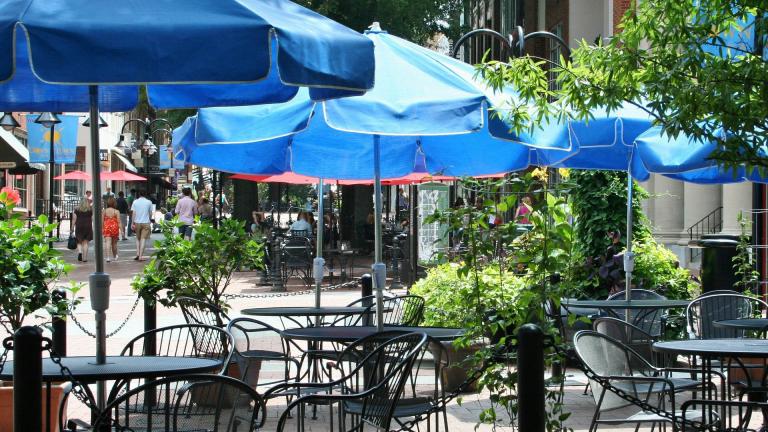
Some city restaurants will be allowed to create socially distanced, outdoor seating through a pilot program that will allow Chicago residents “a little rest and relaxation in an incredibly stressful time,” Mayor Lori Lightfoot said.
Trending
As Chicago Swelters Under Heatwave, ComEd Asks Customers to Immediately Conserve Energy to Avoid Outages
New Law Puts Cook County Sheriff’s Police on the ‘L.’ Here’s How It Works
Illinois House Speaker Welch to Rep. Harry Benton: Resign or Be Expelled
New Department of Early Childhood Launches Full Operations
CPD Superintendent Larry Snelling to Retire This Month

Sign up for the WTTW News newsletter