

Health

Concern among Americans that they or a loved one will be infected by the coronavirus rose dramatically in the past month, with two-thirds of the country now saying they’re at least somewhat concerned about contracting the COVID-19 illness.


Gov. J.B. Pritkzer on Wednesday declared the availability of testing for COVID-19 – or the lack thereof – to be the greatest challenge Illinois has faced in combating the outbreak. But he’s hopeful that will soon change.
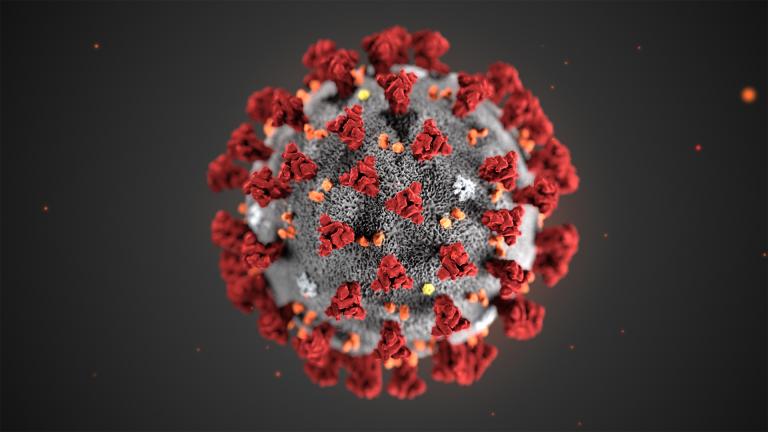
State officials on Wednesday announced the largest single-day jump in the number of confirmed cases of the novel coronavirus in Illinois. The total now stands at 288 positive tests for the virus across 17 counties in the state.

What can older adults and their families do to keep them safe during this crisis while still getting the food and care they need? We speak with Dr. John Holton, director of strategic initiatives at UIC’s Jane Addams Center for Social Policy and Research.
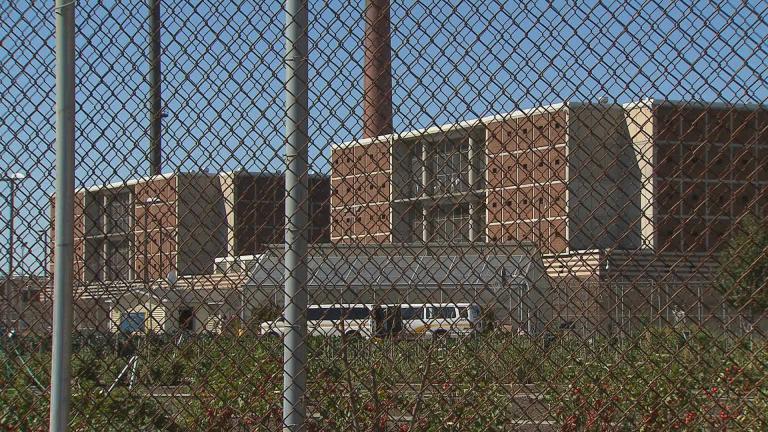
Sheriff’s Department looking to release some nonviolent, low-level detainees
The Sheriff’s Department says it has placed a “high priority” on reducing the number of nonviolent, low-level offenders in its custody, particularly those who are at an increased risk of the new coronavirus.
The coronavirus pandemic has altered daily life in every way, from increasing financial worries and food insecurity to simply upending routines. How can people adjust to a new normal in the face of all these new worries?

As of Tuesday, 63 of the 160 people who have tested positive for the new coronavirus in Illinois are Chicago residents, according to the Chicago Department of Public Health. We get the latest from CDPH Commissioner Dr. Allison Arwady.

A Chicago woman in her 60s marks the first reported death in Illinois related to the COVID-19 outbreak. Gov. J.B. Pritzker announced the death Tuesday, as confirmed cases across the state grew to 160.

Exasperated Chicago election officials say they urged Gov. J.B. Pritzker to postpone Tuesday’s election, close all polling places and move to mail-in balloting, but Pritzker rejected the idea.

Illinois hospitals are postponing elective surgeries, reconfiguring their emergency rooms and are making extra space in their intensive care units as they prepare for a spike in patients suffering from novel coronavirus.

U.S. stocks plunged nearly 13% Monday. As bars and restaurants in Illinois close to dine-in customers, we analyze the economic impact of the coronavirus.

Restaurants have closed for dine-in business. Schools are shuttered. Gatherings should be limited. How big a difference will these rules make? We speak with an infectious disease doctor about the new recommendations.

Illinois restaurants and bars are preparing for their last call for dine-in business until at least the end of the month. Meanwhile, grocers big and small are scrambling to restock shelves.
Gov. J.B. Pritzker issued a new mandate Monday in the fight against spread of the coronavirus. Gatherings of 50 people or more should be canceled, he said, citing guidelines announced Sunday by the Centers for Disease Control and Prevention.

Concerns over the spread of the coronavirus have a lot of people working from home, schools closed, restaurants shuttered and sports canceled. Can we even go outside? Yes, say the experts, but still practice social distance.

Have pressing coronavirus questions? Tweet them using the hashtag #AskDrArwady daily at 11 a.m. and get answers from Chicago Department of Public Health Commissioner Dr. Allison Arwady.
Trending
Pritzker Says Chicago Bears Stadium Legislation Could Be Voted on in Fall Veto Session

Pat Hynes on Winning Cook County Assessor Race, Easing Tax Burdens

11 of the Chicago Area’s Most Dazzling Holiday Light Shows

Trump Replaces Susie Wiles With Stephen Miller as Chief of Staff After GOP’s Midterm Defeat

Cook County’s Top Prosecutor Bars Vendor From Sharing Data With ICE

Sign up for the WTTW News newsletter