Health

Why Loyola Medical students are being encouraged to learn Transcendental Meditation – and how it could make them better doctors.
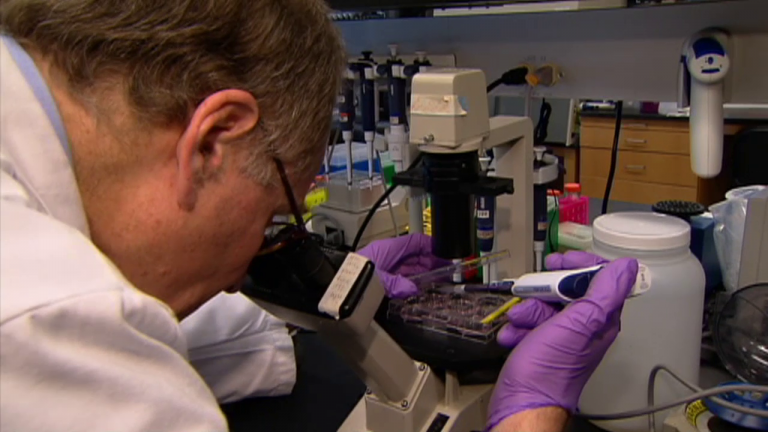
New discoveries and treatments are transforming the way doctors are fighting cancer. We speak with two specialists about recent developments that may offer hope for many patients.


Opioid and heroin overdose deaths hit record levels in 2014, according to the Center for Disease Control and Prevention. The alarming rise in heroin deaths has tripled since 2010. "Chicago Tonight" talks about the heroin crisis with the executive director of a treatment facility and the founder of an anti-heroin education and advocacy foundation.

It sounds simple: slow down and make better choices. Most of us don't do that as well as we could, but researchers are studying how the simple act of slowing down can reduce crime. Brandis Friedman has the story.

The disaster in Flint has spotlighted the dangers and adverse health outcomes of lead seeping into communities’ drinking water. Elizabeth Brackett reports on the lead pipes carrying water into Chicago and suburban homes.

It's the weekend for love, but Valentine's Day can leave some feeling awfully lonely. A University of Chicago neuroscientist joins “Chicago Tonight” to discuss the science of loneliness and its potential health hazards.

A marathon last month in Antarctica was the first of seven on seven continents ... in seven days. Two of the competitors are back in Chicago to tell the story–including the winner.

According to the Centers for Disease Control, an estimated one in 68 American children has Autism Spectrum Disorder. A new book tells the story of some of those parents as it takes a look back at autism’s dark history of institutionalization, questionable therapies and plain bad science.
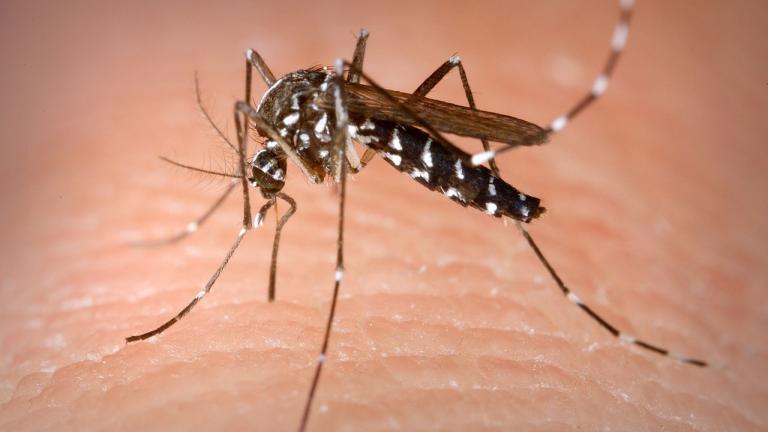
On Monday, the World Health Organization declared the Zika virus an international public health emergency. Dr. Allison Arwady, chief medical officer of the Chicago Department of Public Health, joins us to discuss the virus and the risk it poses to Chicago jet-setters.

Michigan Gov. Rick Synder is facing calls to resign over his administration's bungled handling of the contaminated water crisis in Flint. A former high-ranking official at the Environmental Protection Agency tells us what she thinks went wrong.

Chicago animal shelters like PAWS are still coping with the spread of a new, highly contagious strain of canine influenza. In the U.S., the outbreak of the H3N2 dog flu virus was first found in Chicago last year. It's now spreading to western states.

The state's largest social service provider is cutting programs and employees because of the state's budget impasse. We discuss these cuts – and what it means for those who rely on them – with David Novak of Lutheran Social Services of Illinois; and Dan Proft of the Illinois Policy Institute.

State, local and federal officials are urging those without health coverage to sign up for the Affordable Care Act before next week's open enrollment deadline. Paris Schutz explains why it could affect your health care premiums.

Gov. Bruce Rauner has a week to decide whether to expand the state's medical marijuana pilot program. So far the program only covers a limited number of serious illnesses and has 4,000 registered patients. Dr. Leslie Mendoza Temple, the head of the state Medical Cannabis Advisory Board, joins us to talk about the pilot program.

Thousands of birds in southwest Indiana were killed after a new strain of bird flu, the H7N8 virus, was found at 10 poultry farms late last week, according to the Indiana State Board of Animal Health.

The Windy City once again is the top city for bedbugs, according to a recent study by pest control company Orkin. “Chicago Tonight” talks with a pest control expert, doctor and entomologist about what this unflattering ranking means for Chicago.
Trending
‘This is Only the Beginning’: Illinois Accountability Commission Hears First Testimony on Federal Agents’ Use of Force in Chicago

Evanston Mayor Daniel Biss Confronts Border Patrol Chief Greg Bovino as Immigration Enforcement Continues

Chicago Bears’ Threat to Move to Indiana a ‘Slap in the Face,’ Gov. Pritzker’s Office Says

City Council Votes 29-19 to Approve Rival Spending Plan, Rebuking Mayor Johnson

City Council Votes 30-18 to Approve Final Part of 2026 Budget. Will Mayor Veto It?
Sign up for the WTTW News newsletter