

Health
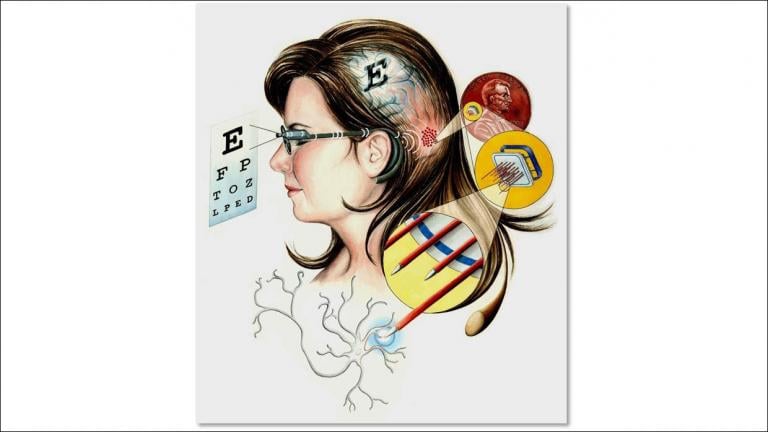
Researchers from the Illinois Institute of Technology and University of Chicago are part of a team developing a visual prosthesis that aims to restore partial vision in people who have become blind.
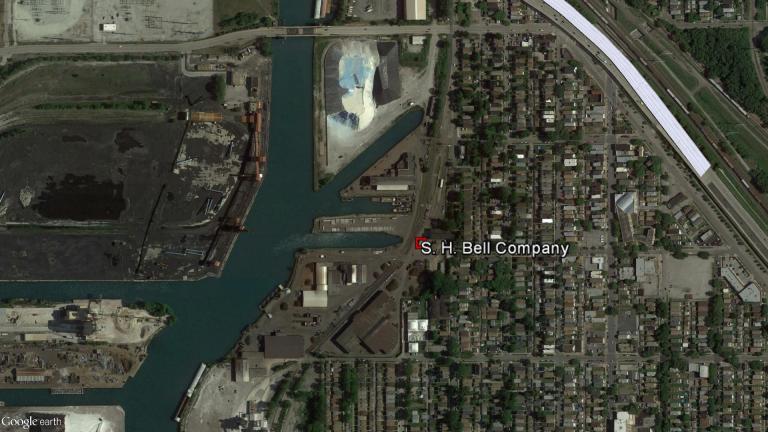

Part 3 of our series examining pollution on Chicago’s Far Southeast Side
A group of Southeast Side residents and activists met Tuesday night to formulate a plan for confronting the latest threat of pollution in one of Chicago’s most industrialized areas.
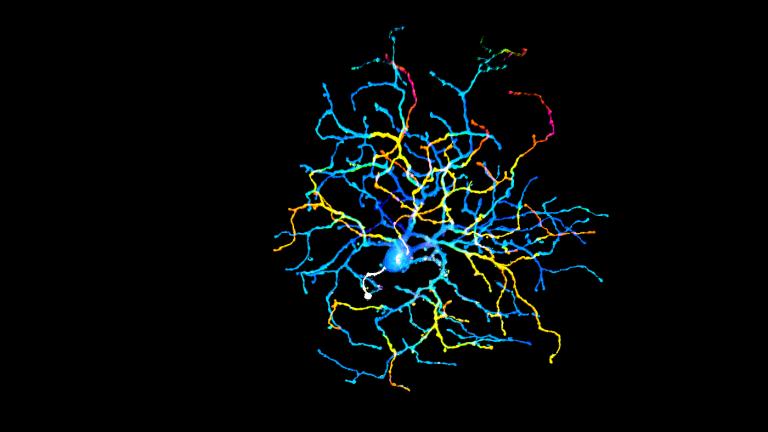
Northwestern scientists have discovered a new cell in the retina which may cause nearsightedness, or myopia, when disrupted.
The Windy City is the gold standard for health and well-being, according to an assessment of city policies aimed at improving residents’ health.
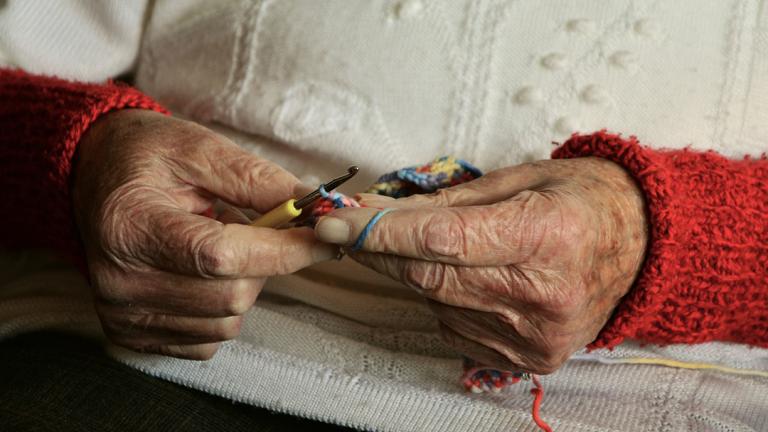
Women perform better than men on memory tests used to diagnose Alzheimer’s disease, according to a recent study. But could this mental advantage be masking early markers of the disease in women?

Part 2 of our series examining pollution on Chicago’s Far Southeast Side
The carefully documented history of manganese emissions in a small Ohio city serves as a warning for those concerned about newly discovered manganese concentrations on Chicago’s Far Southeast Side.
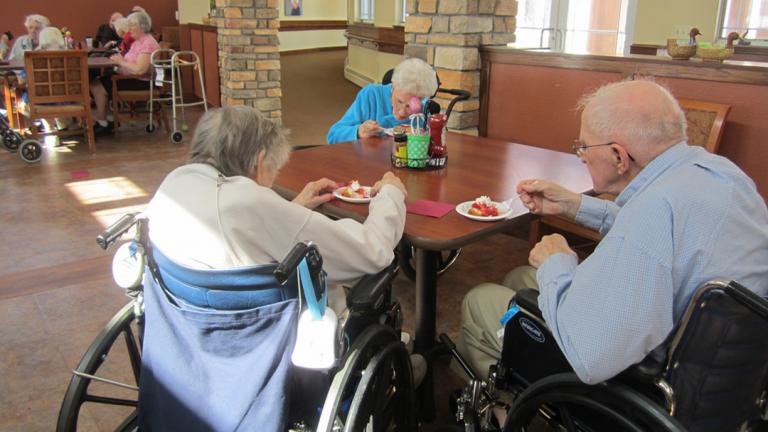
More than 5 million Americans were living with Alzheimer’s disease in 2016. We discuss some of the issues that family and caregivers face.
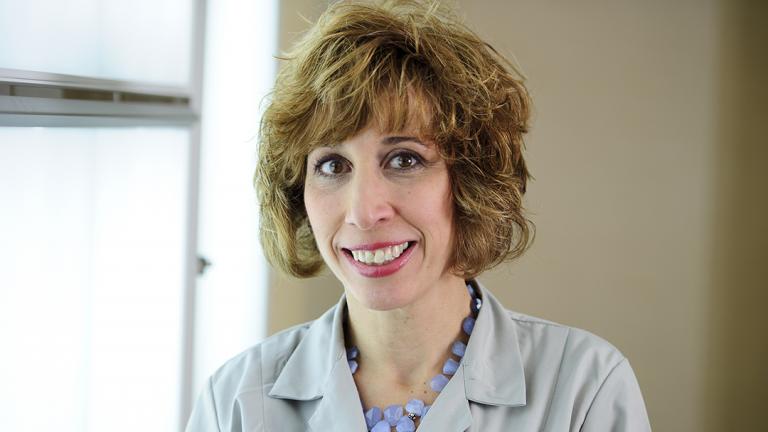
Meet Dr. Victoria Brander, who has been performing hip and knee replacements in countries around the world for more than a decade.
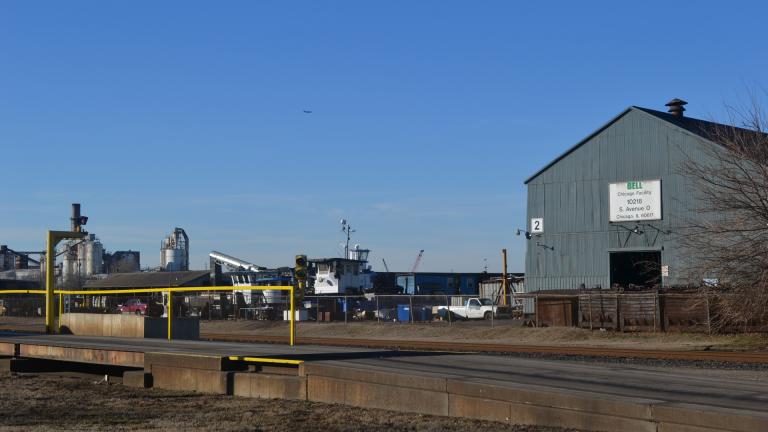
S.H. Bell Co., a company linked to potential manganese pollution on Chicago’s Far Southeast Side, said Thursday it is not the sole emitter of manganese dust in the area.
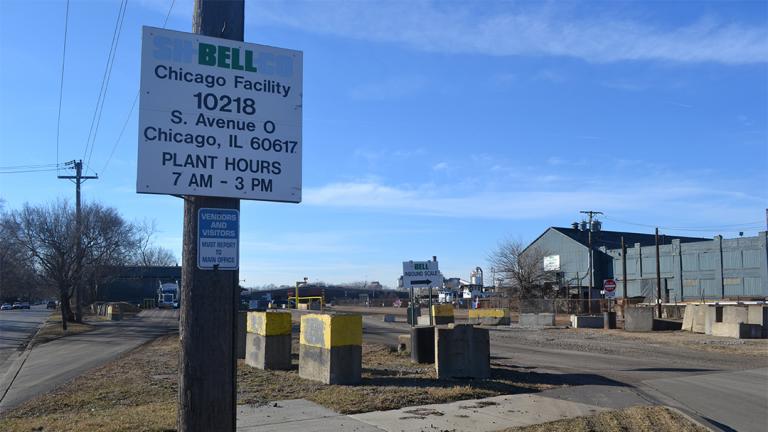
Part 1 of our series examining pollution on Chicago’s Far Southeast Side
For decades, residents on Chicago’s Far Southeast Side lived with clouds of black dust from nearby industrial sites. Now, the community faces a more dangerous pollutant: manganese.

Hoping to capitalize on the violence prevention research already being conducted locally, the group hopes to spur new research initiatives and facilitate ongoing community-based violence prevention efforts.
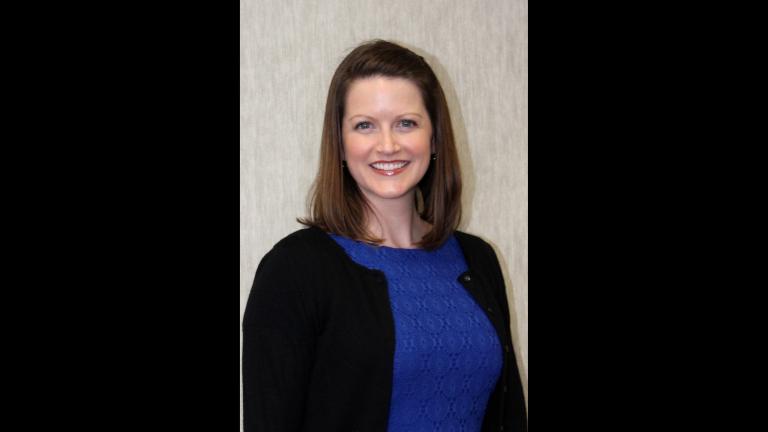
The Chicago Department of Public Health recently hired a behavioral health medical director to better address substance use disorders and mental health issues in the city. Meet Dr. Elizabeth Salisbury-Afshar and learn more about her role.

Chicago Police Superintendent Eddie Johnson “felt light-headed” at a Friday morning press conference but did not lose consciousness, said police spokesman Anthony Guglielmi.
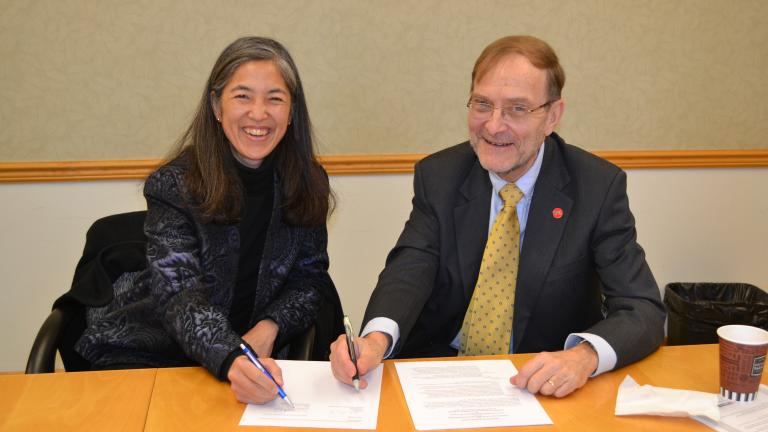
Wednesday morning officials from the Chicago Department of Public Health and UIC signed an agreement to strengthen and formalize their yearslong partnership.
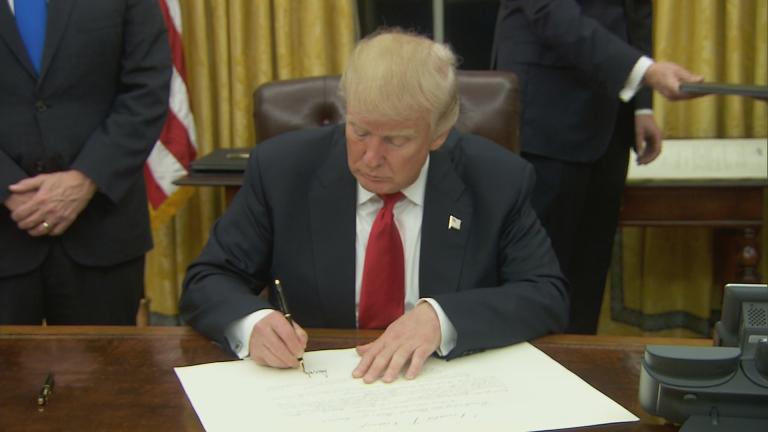
Just hours after taking the oath of office, President Donald Trump delivered on a campaign promise. What are the implications of his executive order?
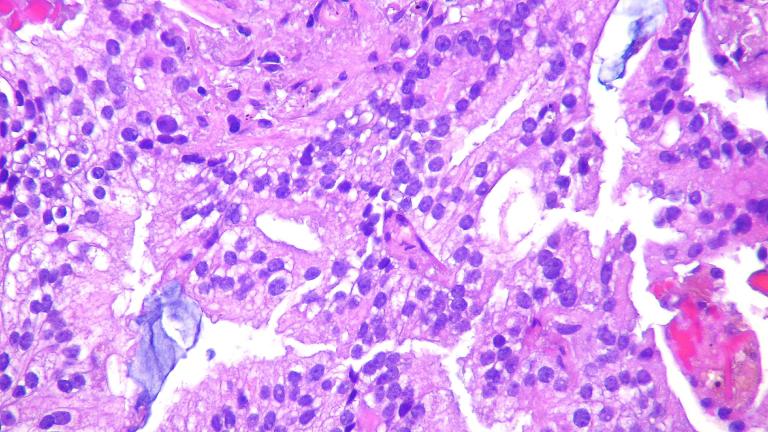
For some cancer patients who have run out of treatment options, a nationwide study may be a beacon of hope by providing them with more access to targeted anti-cancer drugs.
Trending
Obamas Celebrate Chicago Roots, Power of Community During Presidential Center’s Opening

Hear From the Architects Behind the Obama Presidential Center

What to Know About the History of Juneteenth and How It Became a Federal Holiday

Chicago Man Facing Hate Crime Charges After Cross Burning in Grant Park

Chicago’s Deputy Mayor for Community Safety on Teen Takeovers, Restorative Justice and the Value of Belonging

Sign up for the WTTW News newsletter