

Weather
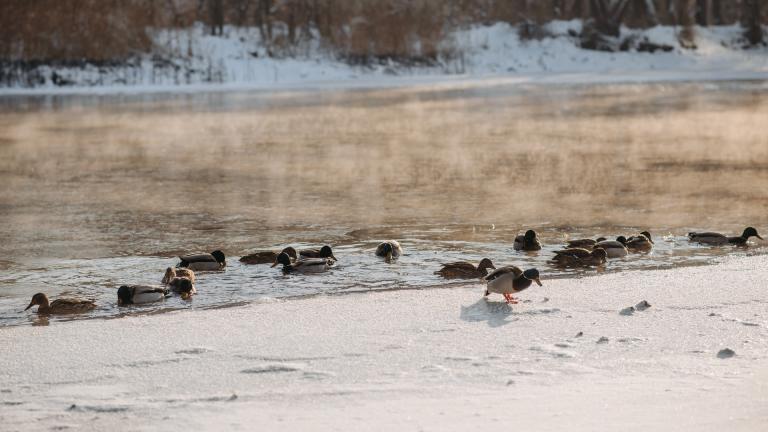
There’s a misperception that birds such as geese and ducks need help finding food when it snows. If they couldn’t cope with Chicago’s winters, they wouldn’t be here, experts say.
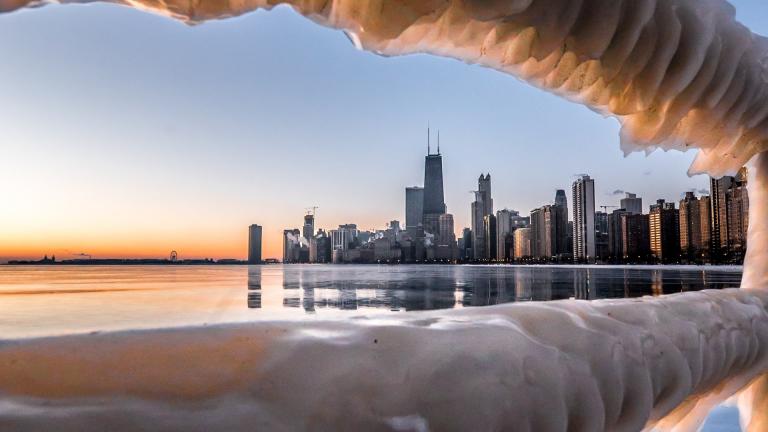
With dangerous subzero wind chill temperatures forecast for the upcoming weekend, officials offered timely reminders of ways to stay safe in extreme cold.
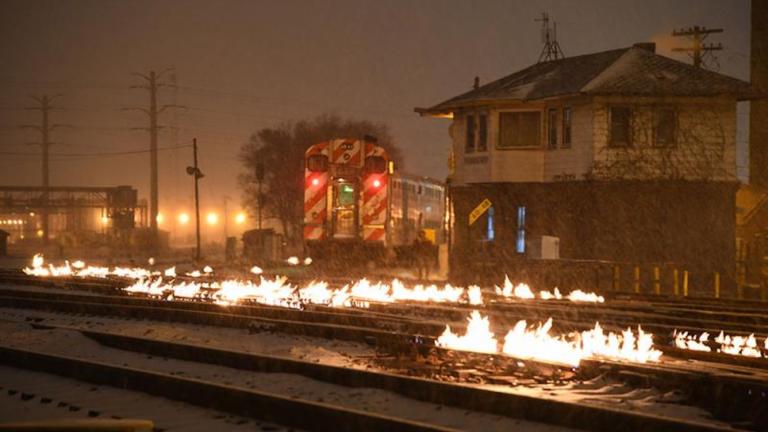

The Chicago area saw dangerously cold weather over the weekend, and the week ahead doesn’t appear to offer much relief. But it takes more than a cold snap to bring the city to a standstill.
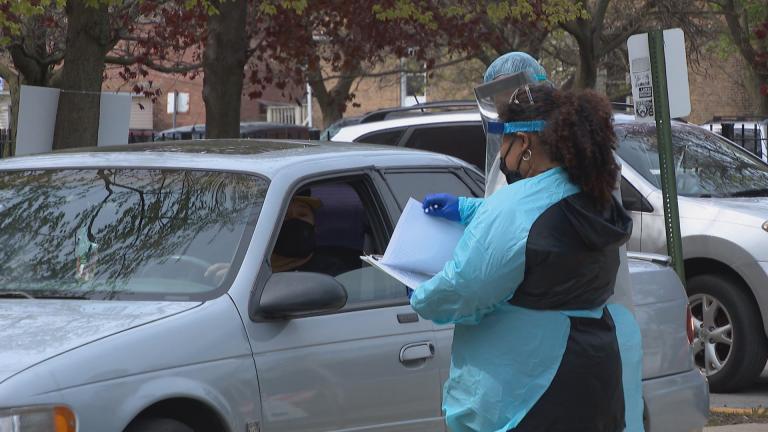
Four city-run COVD-19 test facilities will be closed from Friday through Wednesday as an arctic blast bears down on the city, officials announced Thursday. The facilities require staff members and volunteers to work outside to test people inside their cars.
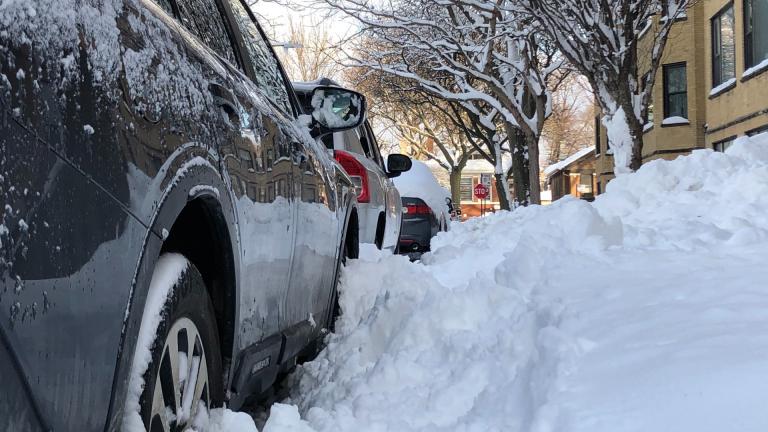
Winter has arrived with a vengeance. The next 48 hours will bring a one-two punch of snow and plunging temperatures.
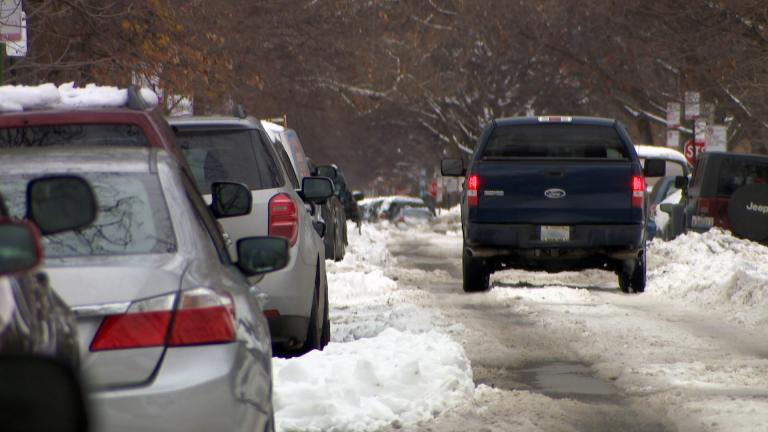
After getting walloped by two big snowstorms, the area is now bracing for bitter cold later this week. We asked Argonne National Laboratory climate scientist Scott Collis what to expect, and what’s driving the arctic chill.
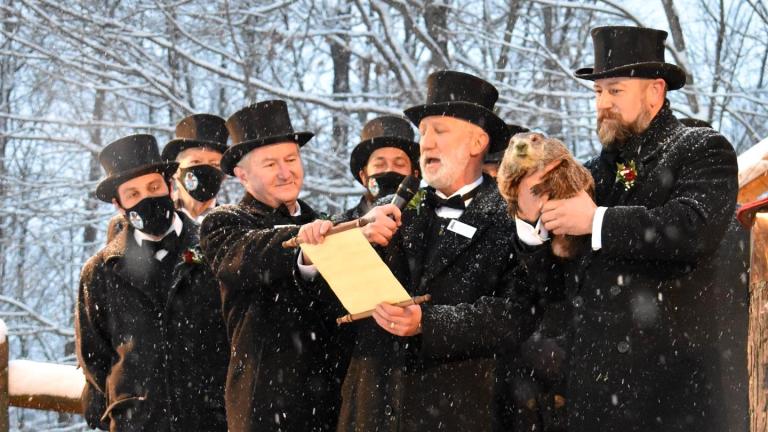
It’s Groundhog Day. Will it be six more weeks of winter or an early spring?
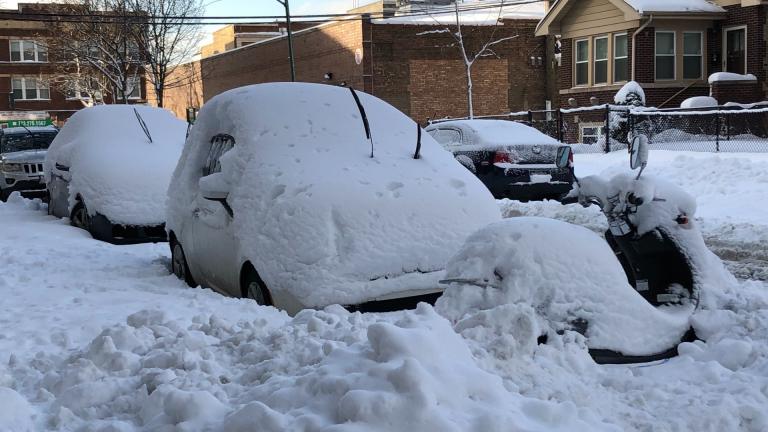
Parts of the Chicago area notched more than a foot of snow over the weekend. It won’t have much chance to melt, with a blast of arctic air heading our way toward the end of the week.
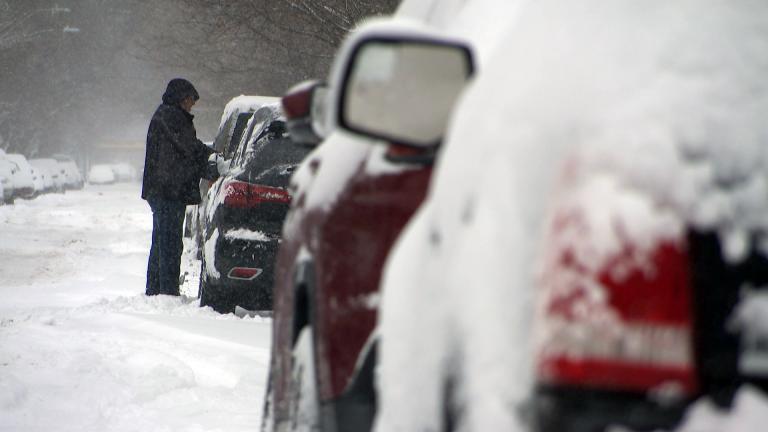
For the second time in a week, Chicago is digging out after a massive snowfall.
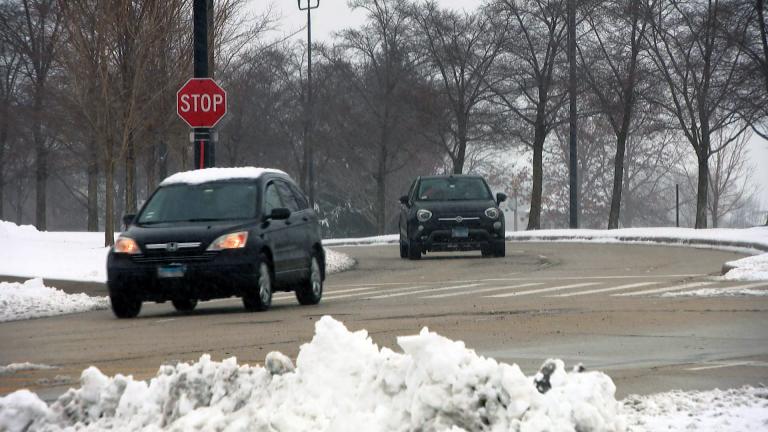
City officials sought to reassure Chicagoans on Saturday they were prepared for a major winter storm to hit the city, which could dump between 5 inches and 9 inches of heavy, wet snow through Sunday.
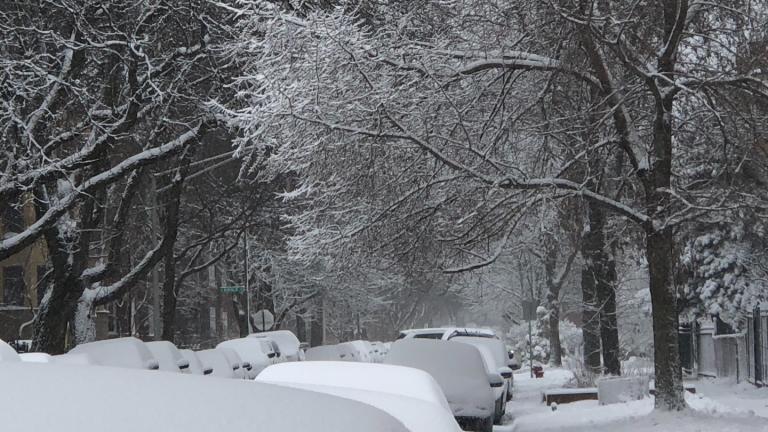
The snow is likely to hit late Saturday afternoon and intensify rapidly, with accumulations of more than six inches possible, according to the National Weather Service.
The Chicago area finally got its first true snowstorm of the season — about two to four weeks behind schedule. But climatologist Trent Lord said in other ways, the storm is a textbook example of the range of precipitation a major winter weather event can produce.
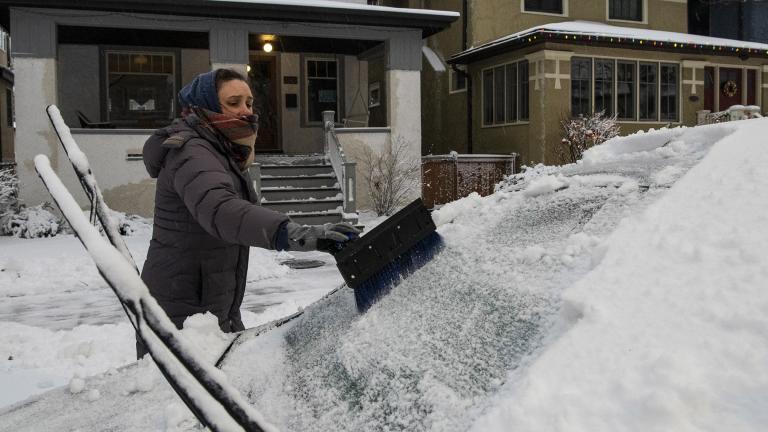
A major winter storm dumped more than a foot of snow on parts of the middle of the country while another system blanketed parts of the Southwest with snow, disrupting travel for a second consecutive day Tuesday and shuttering many schools.
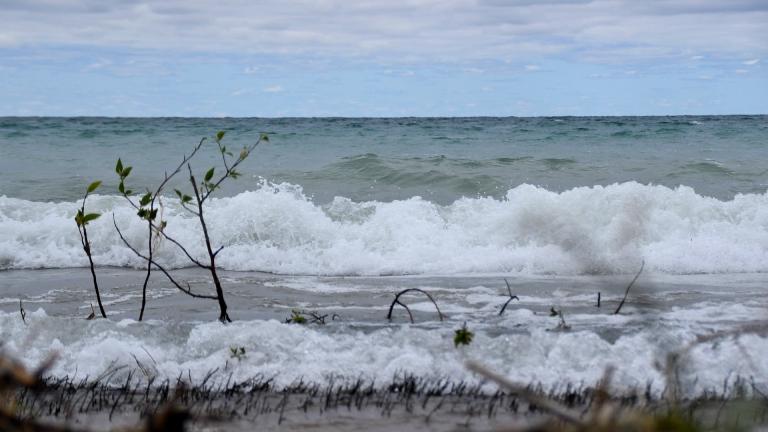
A winter storm is forecast to deliver wind gusts up to 40 miles per hour and waves as high as 13 feet, creating hazardous conditions along Chicago's lakefront through Tuesday, the National Weather Service is warning.
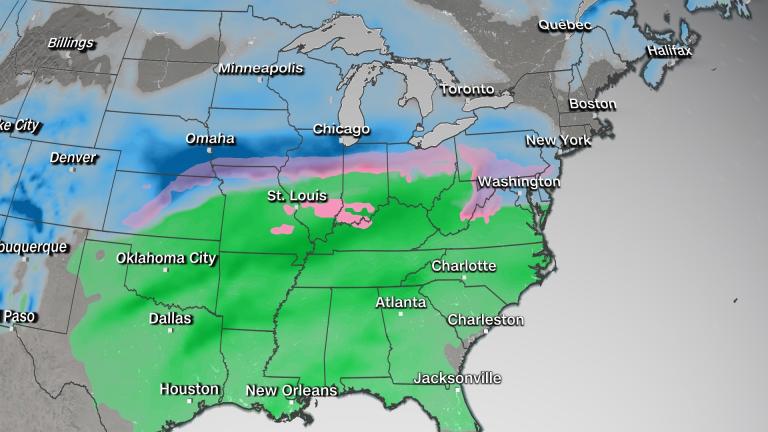
Winter storm headed for Midwest
More than 25 million people are under winter weather alerts from California through Michigan due to a winter storm developing in the Golden State and heading for the Midwest. A swath of very heavy snow will extend from northern Kansas to northern Illinois through Monday.

With cold weather here to stay for the foreseeable future, some restaurant and bar owners fear outdoor dining and carryout will not be enough to keep their businesses alive.
Trending
Interim NITA Director Earning $350K Salary While Also Collecting $213K Annual City Pension, Records Show

Early Voting for November General Election Kicks Off in Downtown Chicago

Uptown Theatre Added to Open House Chicago, Catch a Rare Glimpse Inside Gilded Jewel

City Lawyers Propose Spending $260.8M to Settle 16 Cases Tied to Disgraced Ex-CPD Detective Guevara

Chicago Woman Accused of Social Security Fraud After Hiding Mother’s Body in Freezer for 2 Years

Sign up for the WTTW News newsletter