

Weather
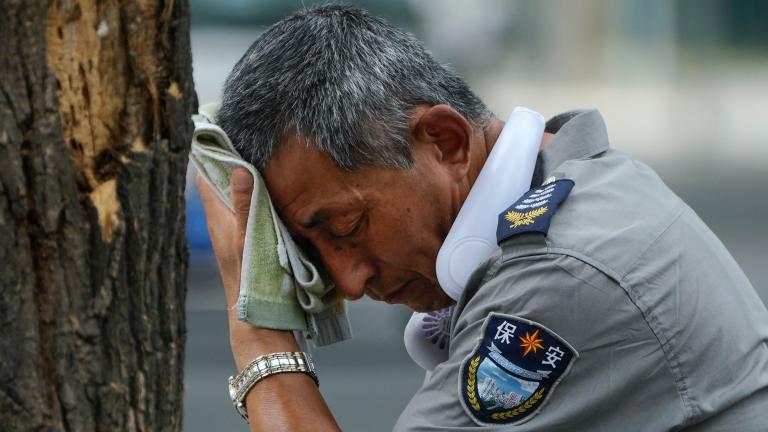
Cities across the U.S. from Medford, Oregon to Tampa, Florida have been hovering at all-time highs, said Zack Taylor, a meteorologist with the National Weather Service. Beijing reported nine straight days last week when the temperature exceeded 95 F.

The last time Chicago saw nearly 9 inches of rain was Aug. 13-14, 1987, according to the National Weather Service. On average, the city gets 3.7 inches of rain during all of July, according to the National Weather Service.
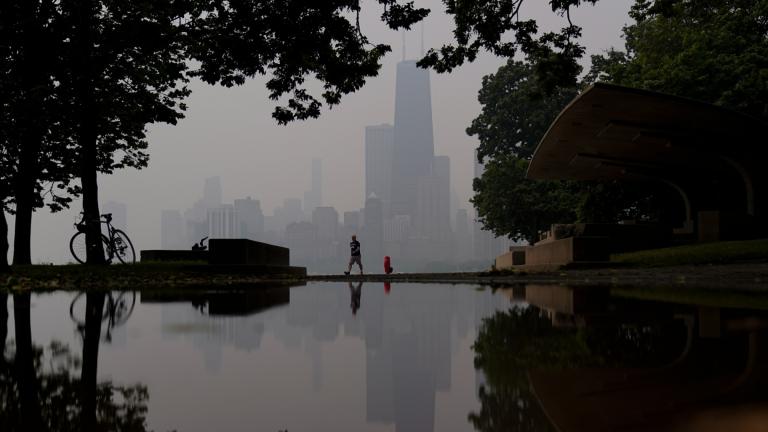
Already wildfires are consuming three times more of the United States and Canada each year than in the 1980s, and studies predict fire and smoke to worsen.
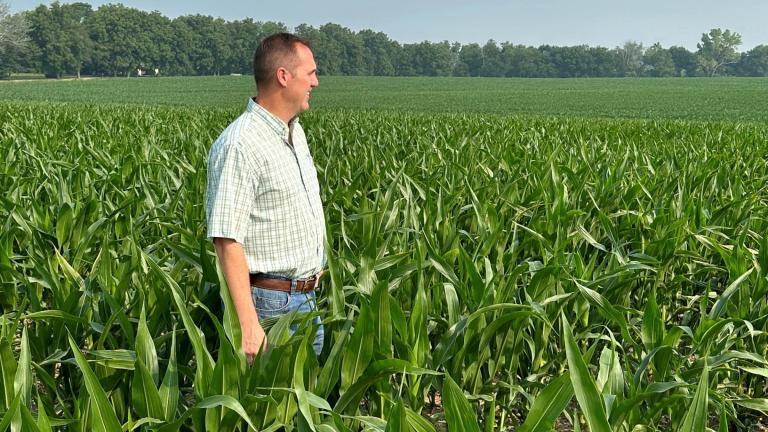
Experts say the drought in the central U.S. is the worst since at least 2012, and in some areas, is drawing comparisons to the 1988 drought that devastated corn, wheat and soybean crops.
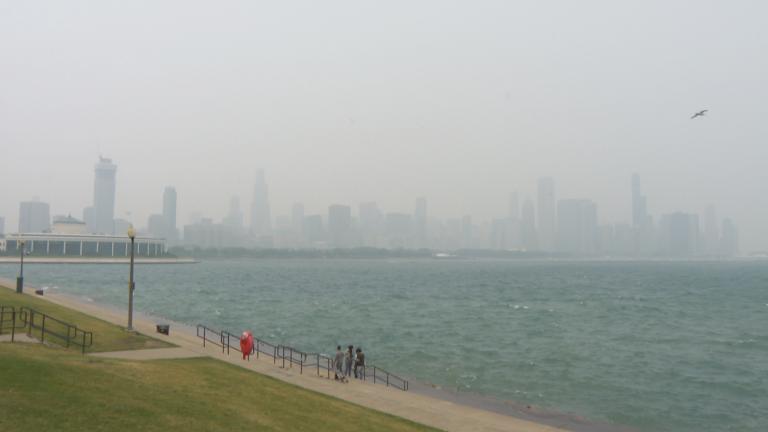

According to data from the Illinois EPA, Chicago’s Air Quality Index was at a 185 as of Thursday morning, placing it in the “unhealthy” range. That means older adults, people with heart or lung disease and children and teens should avoid strenuous outdoor activities.
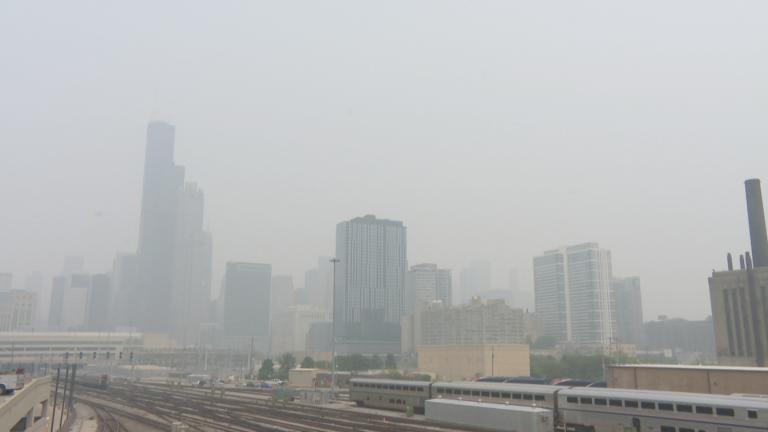
Air quality hit unhealthy levels, with the Department of Public Health encouraging people to limit their time outdoors and avoid strenuous activities.
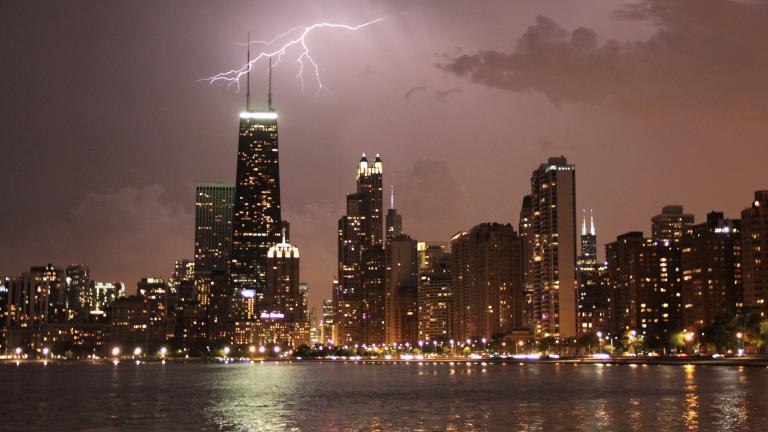
Thunderstorms are as much a part of the rhythm of summer in Chicago as cookouts, baseball and street festivals. And they’ve been missing in 2023.
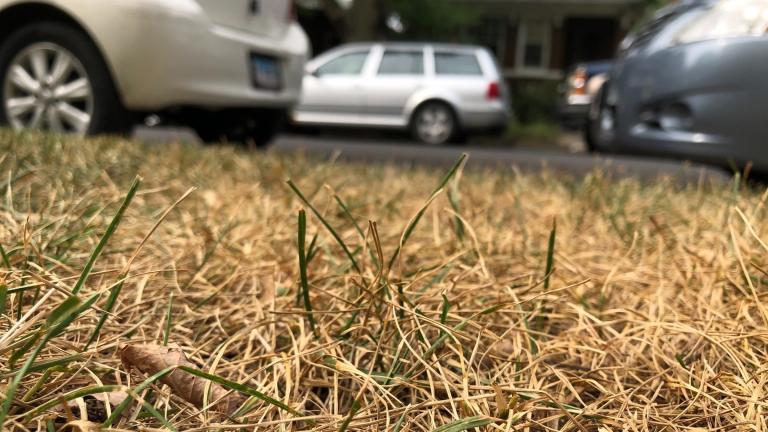
According to the National Weather Service, conditions continue to deteriorate across Northeast Illinois, with the Chicago metro area experiencing the most significant rainfall deficits.

The entire state of Minnesota and most of Wisconsin were under air quality alerts Wednesday as a gray haze from wildfire smoke shifted south, according to the National Weather Service.
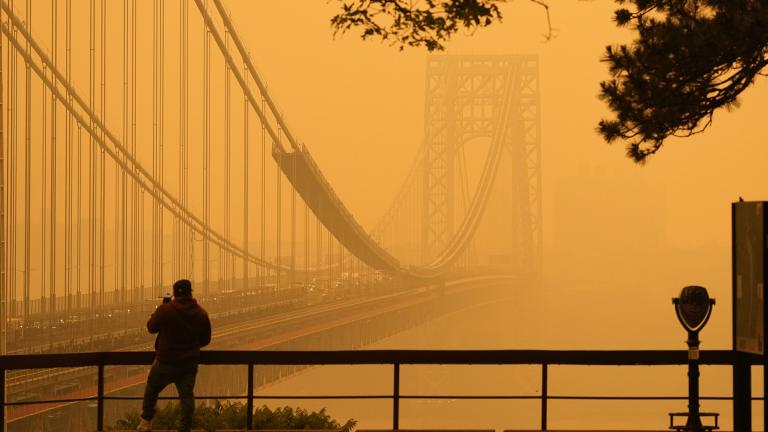
While Canadian officials asked other countries for help fighting more than 400 blazes nationwide that already have displaced 20,000 people, air quality with what the U.S. rates as hazardous levels of pollution extended into central New York.
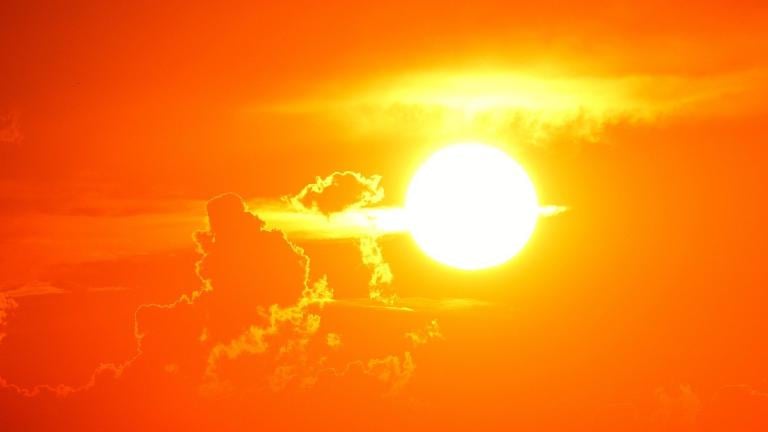
Chicago is one of 18 cities chosen for the Heat Watch Campaign, which will map the city's urban heat islands — places with fewer trees and more pavement, where temperatures can soar 20 degrees higher than surrounding areas.
State climatologist Trent Ford said conditions aren't alarming, yet, but if June isn't signficantly wetter than May, there's cause for concern.
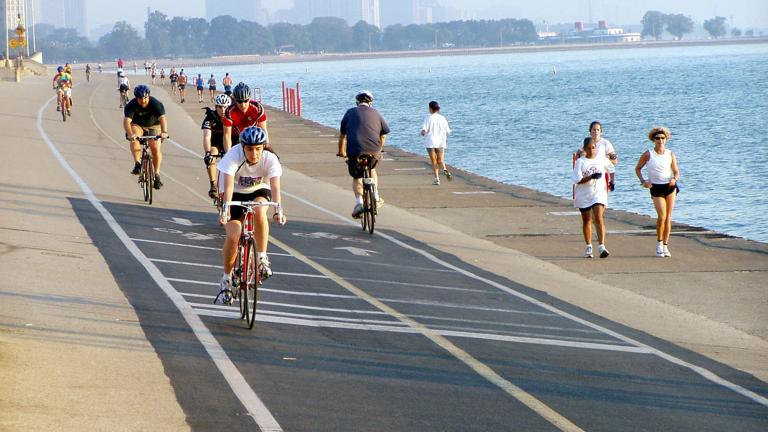
With high temperatures in the forecast, city officials issued a reminder to landlords about new air conditioning requirements, put in place in 2022 after three women died in a Rogers Park senior living facility.
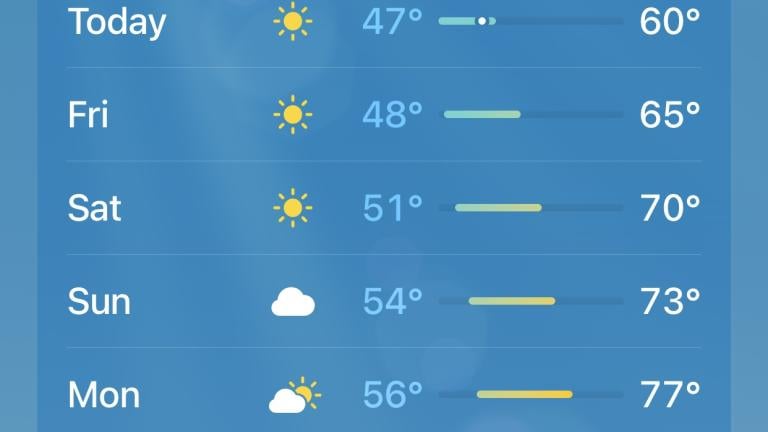
Chicago has recorded less than half an inch of rain in May, leading to what climate experts call a flash drought.
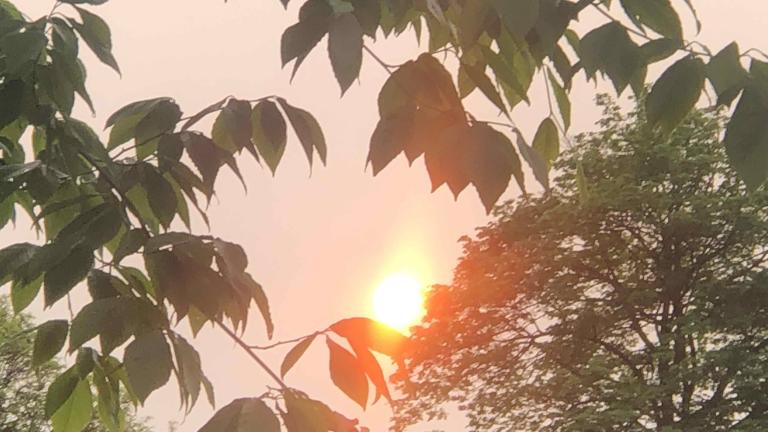
Smoke from raging wildfires in western Canada has reached Chicago, creating hazy skies and making for redder sunrises and sunsets.
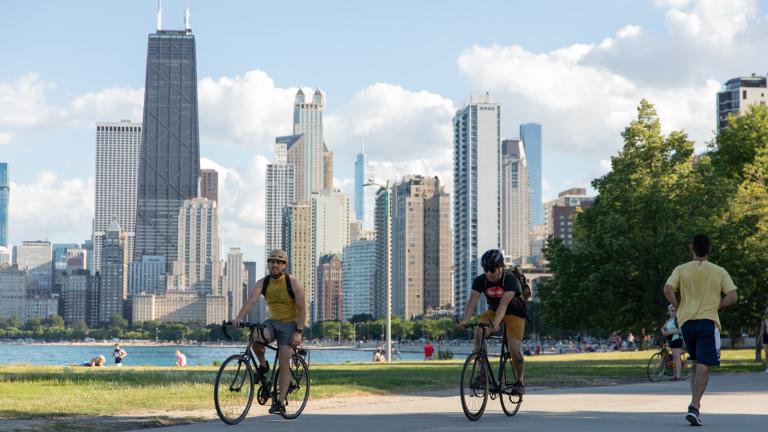
Right on cue, the much hyped “pneumonia front” hit Chicago shortly after 5:30 p.m. Tuesday, sending the official temperature at O’Hare International Airport plummeting from 81 degrees to 66 degrees in short order.
Trending
Interim NITA Director Earning $350K Salary While Also Collecting $213K Annual City Pension, Records Show

Early Voting for November General Election Kicks Off in Downtown Chicago

Uptown Theatre Added to Open House Chicago, Catch a Rare Glimpse Inside Gilded Jewel

City Lawyers Propose Spending $260.8M to Settle 16 Cases Tied to Disgraced Ex-CPD Detective Guevara

Chicago Woman Accused of Social Security Fraud After Hiding Mother’s Body in Freezer for 2 Years

Sign up for the WTTW News newsletter