

Northwestern University

The latest U.S. research on eggs won’t go over easy for those who can’t eat breakfast without them. Adults who ate about 1.5 eggs daily had a slightly higher risk of heart disease than those who ate no eggs, a study shows.
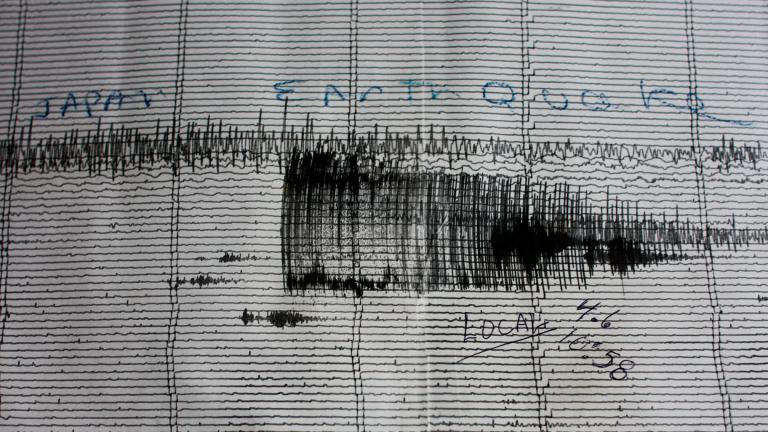
With the help of volunteers who classify sounds from recordings of seismic events, scientists could learn more about the conditions under which earthquakes occur.
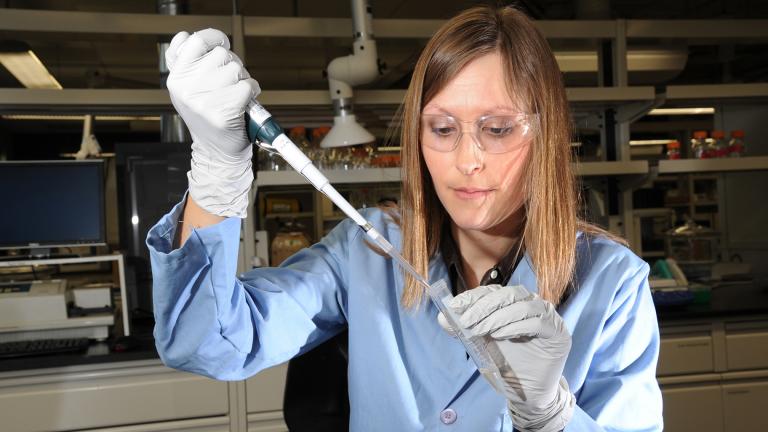
A new Northwestern study is the first to show that female scientists receive less money when applying for federal grants than their male counterparts.


An ongoing NASA study aided by Northwestern researchers sent mice into orbit with the goal of learning more about the physiological effects of living in space.

A new Northwestern Medicine study was able to successfully predict whether women would experience worsening depressive symptoms within the first year of childbirth by identifying four maternal characteristics that put them at risk.

A donation from the Polsky family will fund the creation of a new multidisciplinary institute dedicated to urologic cancers, including prostate, bladder and kidney cancers.

More than 26 million American adults are estimated to have a food allergy, with shellfish reported as the top allergen, according to a new study by Northwestern University and Lurie Children’s Hospital.
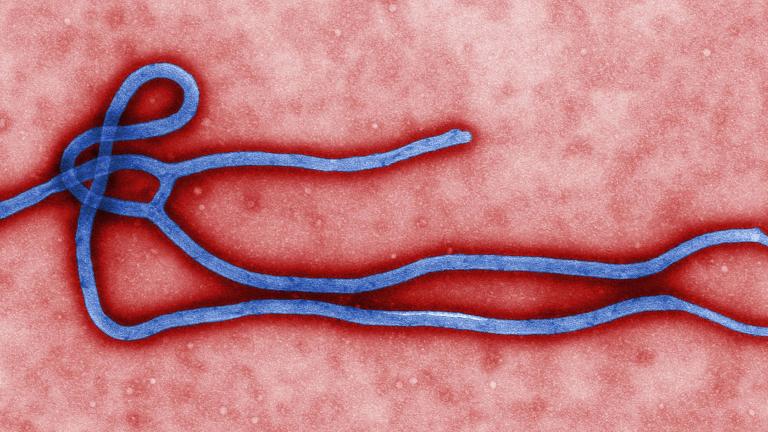
There is no cure for Ebola, the severe and often fatal illness that killed more than 11,000 people between 2014 and 2016. But researchers believe their discovery could pave the way for the development of an effective treatment.

More than 1 million Americans live with brain shunts and the constant threat of their failure, which can be fatal. A new, noninvasive skin sensor can detect whether a shunt is working in minutes.

Las Vegas residents donated nearly 800 units of blood after last year’s mass shooting, but new research shows that many of those donations weren’t needed – and some even went to waste.

A gene associated with the learning disorder dyslexia may make some athletes less susceptible to concussions, according to a new study by Northwestern Medicine and Penn State University.

A first-of-its-kind program in Illinois allows inmates to earn college credits and liberal arts degrees inside the maximum-security prison some 40 miles from Chicago.

An inexpensive drug for Type 2 diabetes also decreases the risk of heart attacks and strokes caused by air pollution, according to a new Northwestern Medicine study.
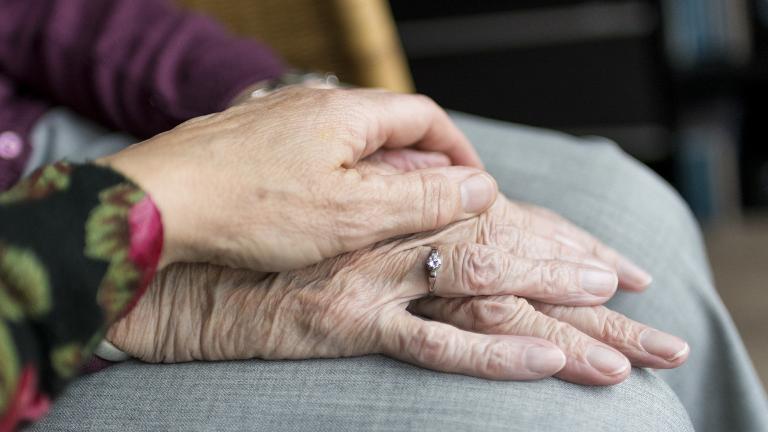
In a new study, older adults share insights about why they refuse help and offer strategies to overcome their concerns.

Research conducted by auditory neuroscientists at Northwestern University reveals that studying how the brain processes sound could provide an objective way to diagnose concussions.
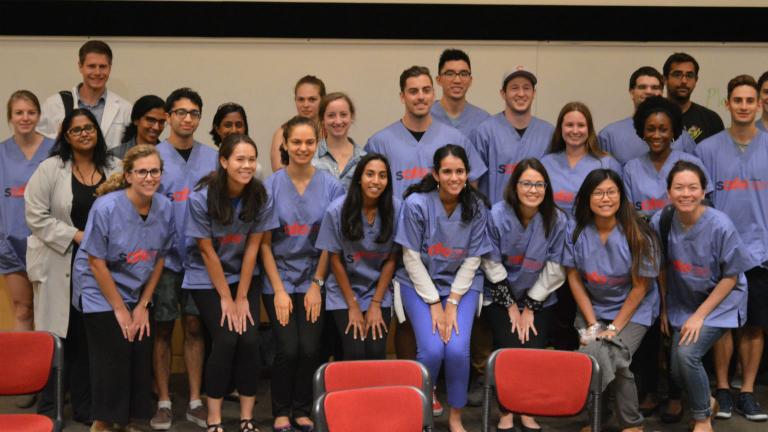
All health care providers can play a role in addressing the epidemic, says Dr. Dan Evans. “I’m an average primary care doctor. I’m here to say it doesn’t matter what you are or what you’re going to do, we can all do something.”
Trending
2026 Chicago Festival Guide

Who Is Running, or Thinking About Running, to Become Chicago’s Next Mayor

CPD Sergeant Who Led Botched Raid at Home of Anjanette Young Now Working as a Suburban Police Detective

Woman Charged With Fatally Stabbing 7-Year-Old Girl Walking in Chicago Saturday

Key City Panel Unanimously Agrees to Pay $260.8M to Resolve 16 Lawsuits Tied to Disgraced Ex-CPD Detective Reynaldo Guevara

Sign up for the WTTW News newsletter