

National Weather Service
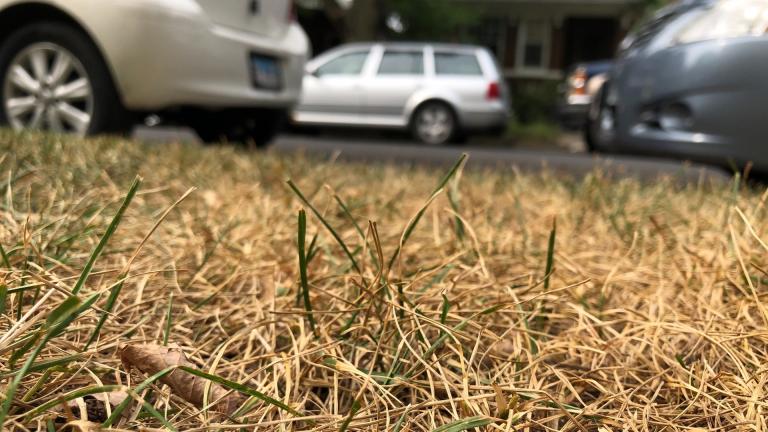
Less than an inch of rain was recorded at O’Hare in the month of August, pushing Chicago toward drought. That’s likely putting stress on trees, so give them a soak.
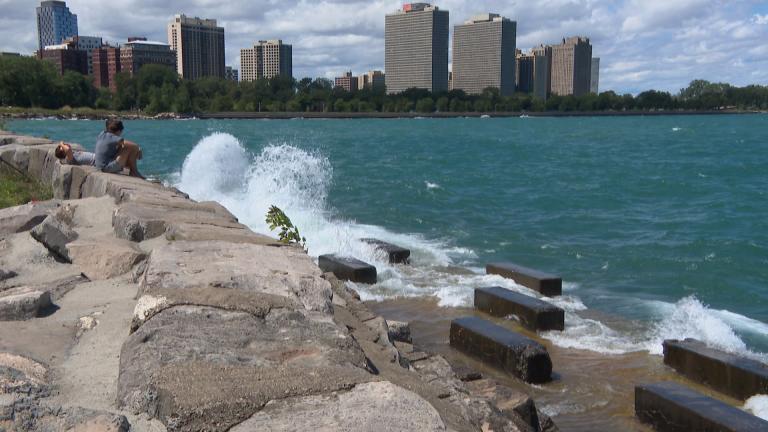
The National Weather Service is warning people to steer clear of Lake Michigan due to high waves and strong currents. That doesn't just apply to beachgoers and swimmers. Shoreline structures can be dangerous too.
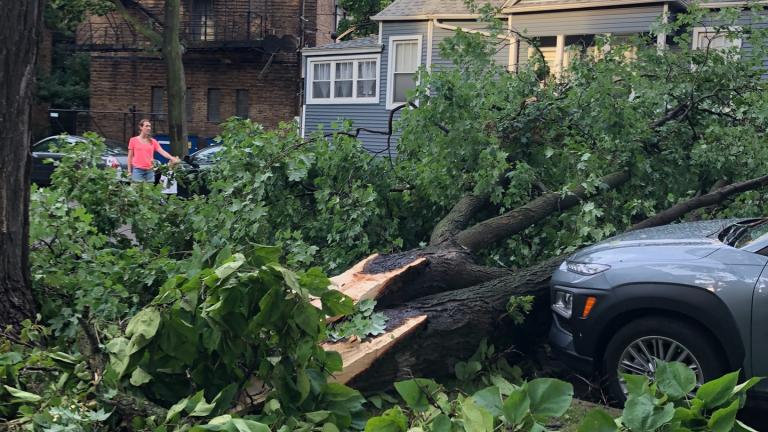

The National Weather Service has confirmed that a tornado touched down in Rogers Park during Monday’s powerful storm. Thousands of Chicagoans remained without power Tuesday morning.
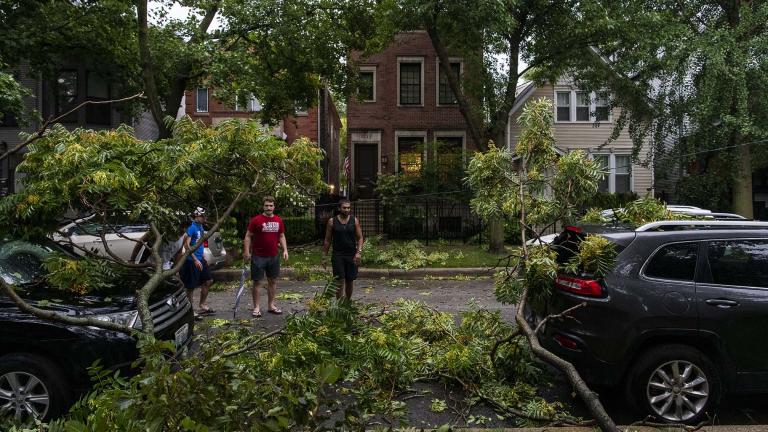
A rare storm packing 100 mph winds and with power similar to an inland hurricane swept across the Midwest on Monday, blowing over trees, flipping vehicles, causing widespread property damage and leaving hundreds of thousands without power.
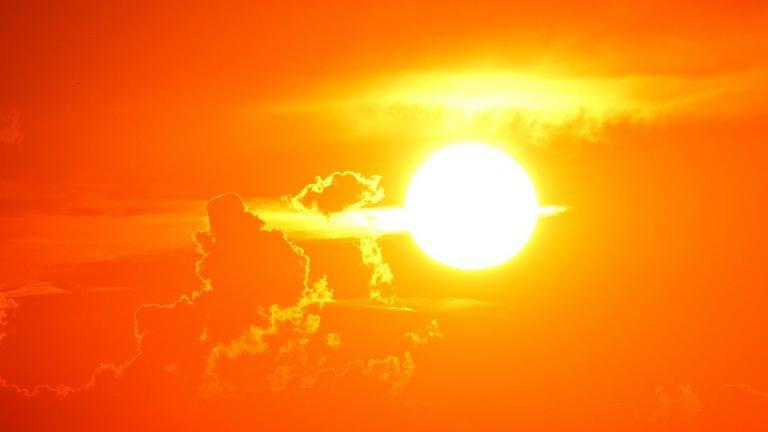
The mercury soared to 94 degrees on June 2, topping the previous record of 92 degrees set for the date back in 1944.
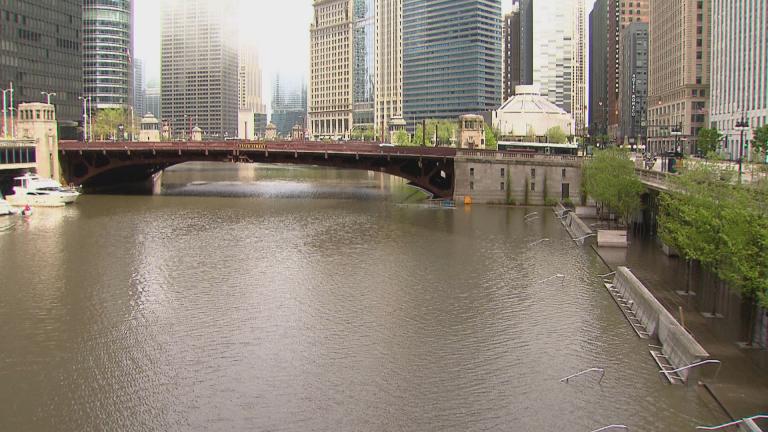
For the third year in a row, Chicago has set a new record for the most precipitation in May. But as rainy as it’s been, it will take an epic deluge to rival the city’s wettest month of all time.
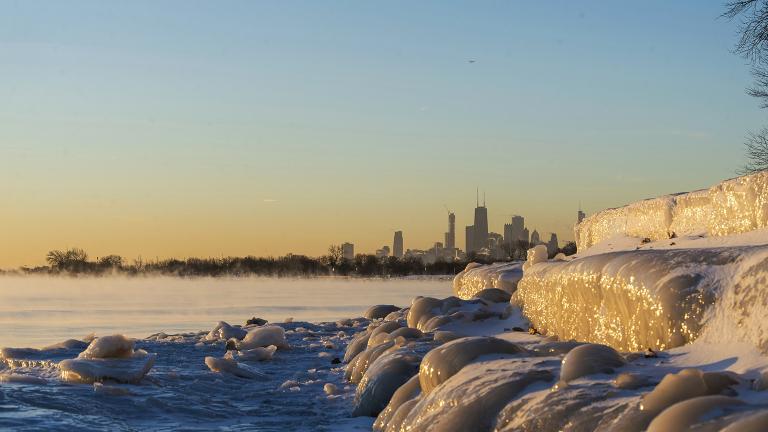
Wednesday’s forecast shows a daytime high of around 14 degrees below zero, which would beat the city’s all-time coldest high of minus 11. When wind chills are factored in, temperatures could reach minus 35.

A bright meteor streaked across skies in Chicago and the Midwest at about 1:30 a.m. Monday.

More than 170 schools in the greater Chicago area were closed or delayed their starting times Thursday due to subzero temperatures and bitter wind chills. But even as temperatures plunge below zero this week, Chicago Public School students probably shouldn’t count on any extra time off leading up to their holiday break.
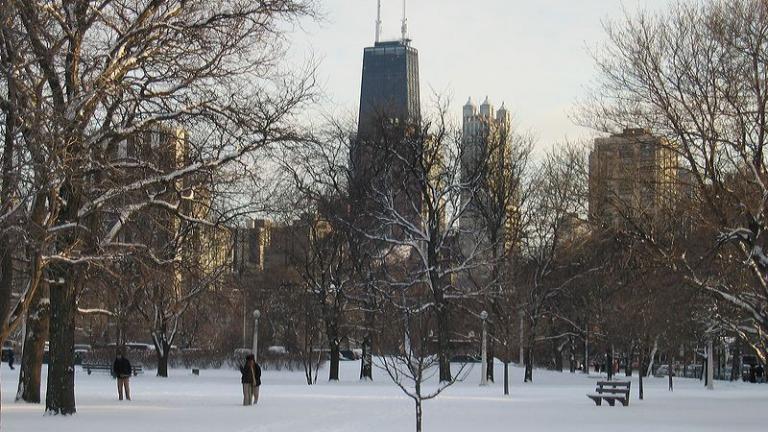
With temperatures plunging into single digits this week, the city is reminding residents that they can seek refuge in designated warming centers.
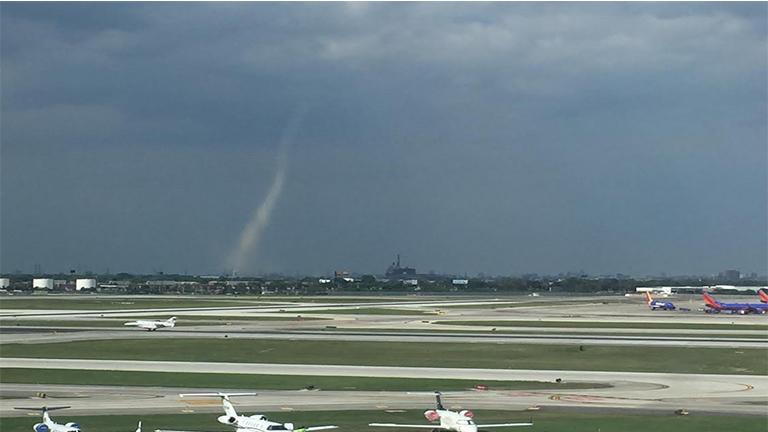
Tornadoes had kept away from Chicago since 2006, but a brief landspout brought an end to that streak Tuesday afternoon.
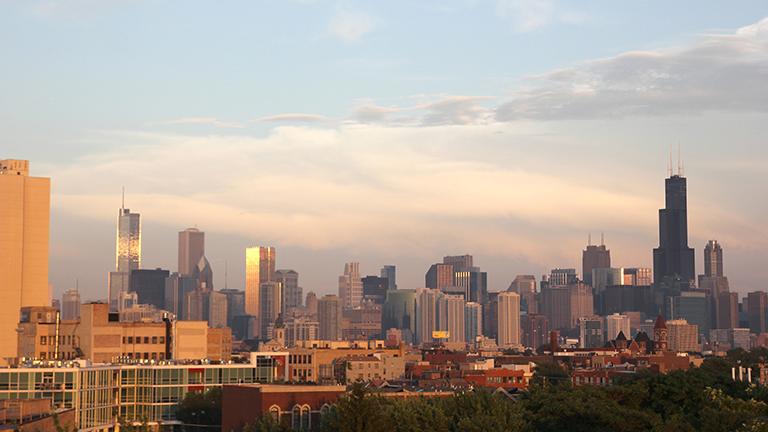
With temperatures expected to soar into the mid 90s this week, learn about how you can stay cool and avoid heat-related illnesses.
From the historic summer drought to today’s surprisingly mild winter, Illinois has experienced some extreme weather patterns this year. Our panel of experts dissects what this means for the future.

A dozen drownings this year from rip currents in the Great Lakes. We learn more about the deadly currents.
Chicago is on pace to break the record for the most 90-degree days. What is causing the prolonged heat wave, and is this a sign for what's to come in future summers? A meteorologist from the National Weather Service joins us.

We get the latest on Chicago's winter weather from a meteorologist with the National Weather Service.
Trending
Interim NITA Director Earning $350K Salary While Also Collecting $213K Annual City Pension, Records Show

Early Voting for November General Election Kicks Off in Downtown Chicago

Uptown Theatre Added to Open House Chicago, Catch a Rare Glimpse Inside Gilded Jewel

City Lawyers Propose Spending $260.8M to Settle 16 Cases Tied to Disgraced Ex-CPD Detective Guevara

Chicago Woman Accused of Social Security Fraud After Hiding Mother’s Body in Freezer for 2 Years

Sign up for the WTTW News newsletter