

National Weather Service
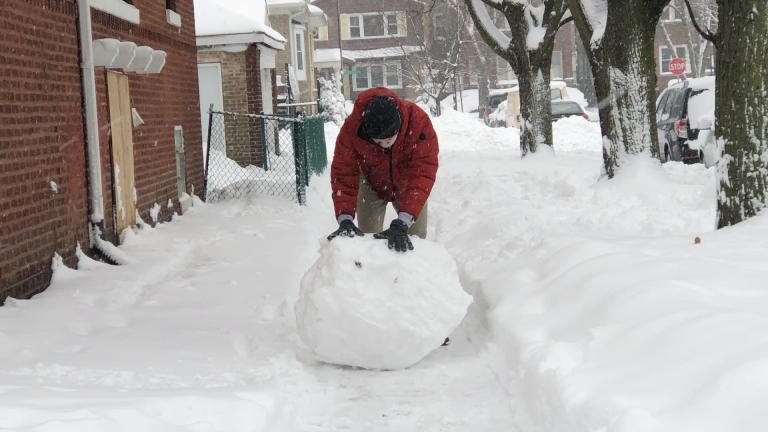
While lake effect snow will come and go through Tuesday, the storm system, approaching from the south, is expected to reach Chicago by mid-afternoon Monday, according to the National Weather Service.
Chicago set a new record for the coldest Feb. 14 in history, with a high temperature of just 4 degrees recorded at O’Hare Airport on Sunday, according to the National Weather Service.
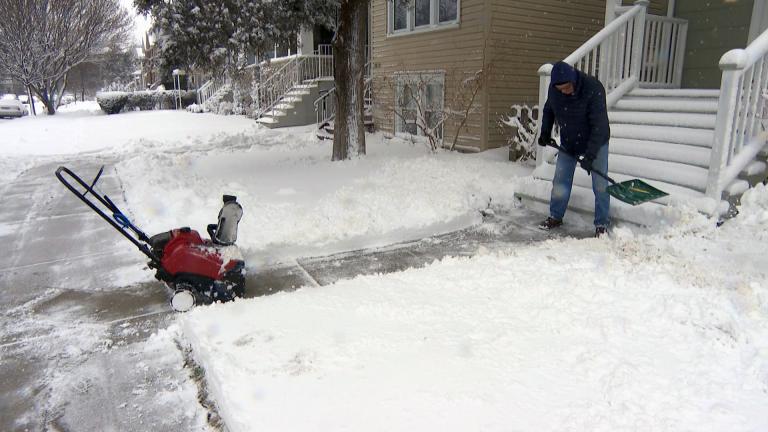
Valentine’s Day in the Chicago area will be a dangerously chilly affair, with all of northern Illinois under a wind chill advisory issued by the National Weather Service.
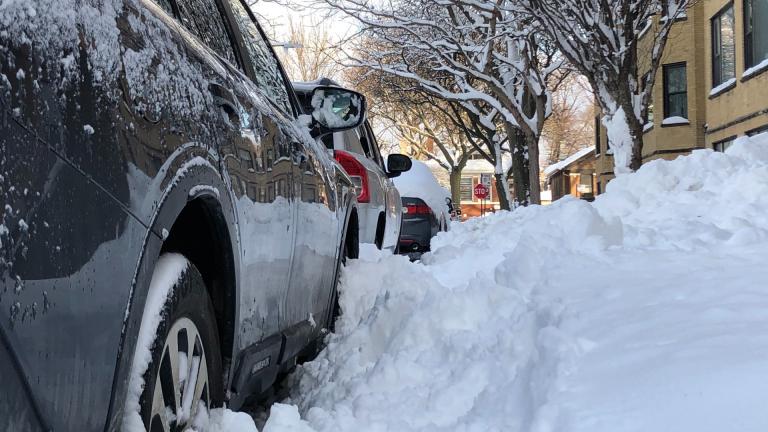
Winter has arrived with a vengeance. The next 48 hours will bring a one-two punch of snow and plunging temperatures.
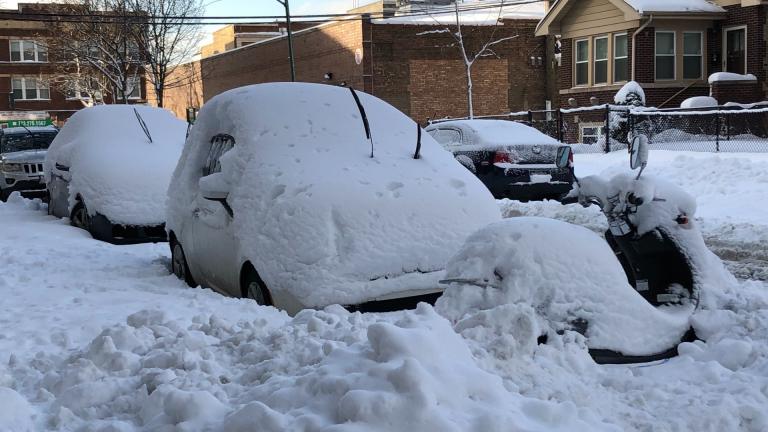
Parts of the Chicago area notched more than a foot of snow over the weekend. It won’t have much chance to melt, with a blast of arctic air heading our way toward the end of the week.
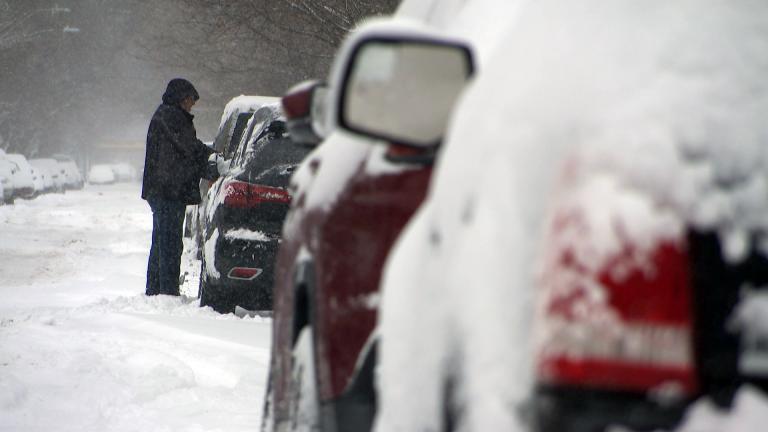
For the second time in a week, Chicago is digging out after a massive snowfall.
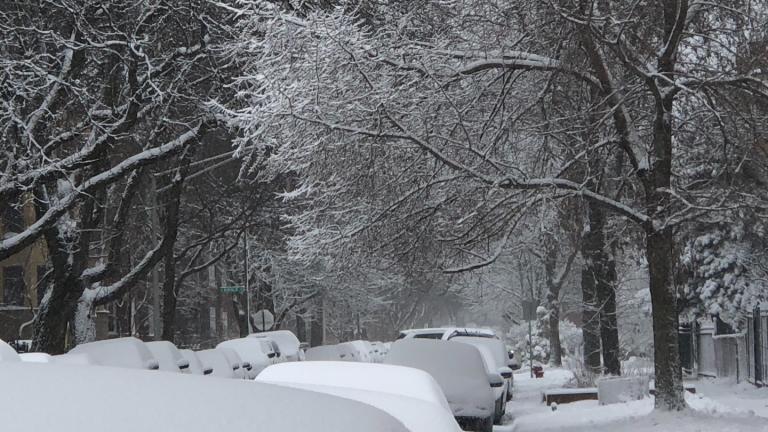
The snow is likely to hit late Saturday afternoon and intensify rapidly, with accumulations of more than six inches possible, according to the National Weather Service.
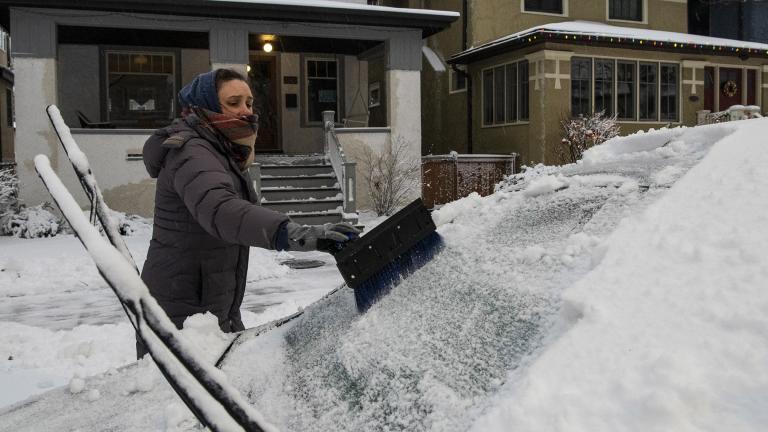
A major winter storm dumped more than a foot of snow on parts of the middle of the country while another system blanketed parts of the Southwest with snow, disrupting travel for a second consecutive day Tuesday and shuttering many schools.

2020 was a wacky weather year. Chicago was warmer and wetter than normal in 2020, according to a National Weather Service climate summary.
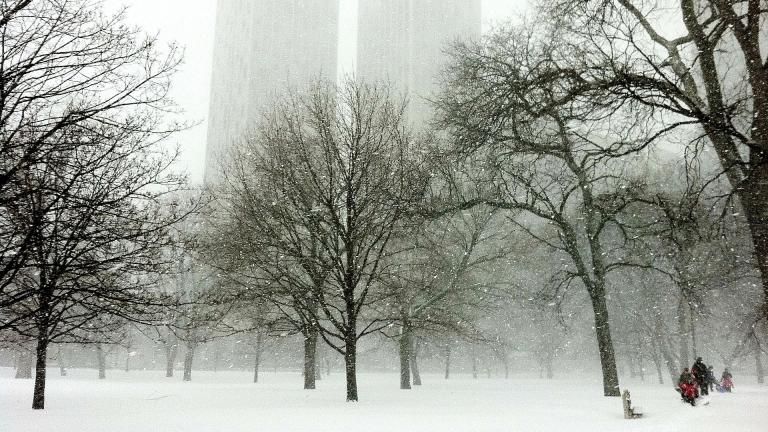
Beginning late Tuesday afternoon, a mix of snow that could be heavy at times and freezing rain will descend on the Chicago area, according to the National Weather Service.
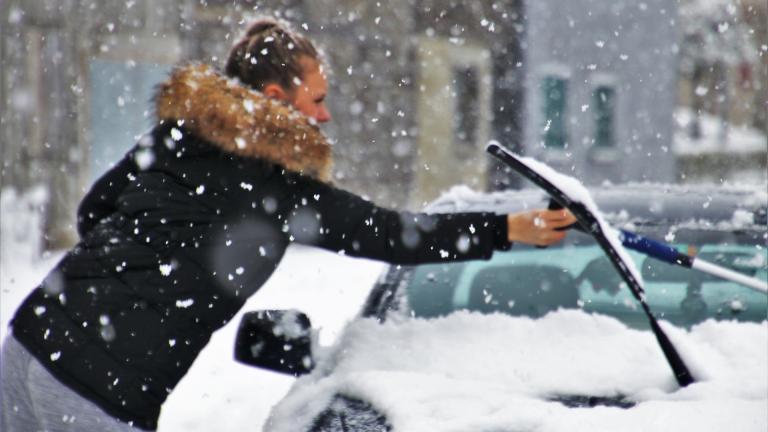
This winter we’re in for a La Nina cycle, which is known for increased storminess and has produced some wild weather over the years.

The agency is recruiting volunteers to keep a watch on river ice in the Chicago area. Ice Spotters help with early detection of ice jams, which can cause major flooding.

Strong winds are creating dangerous conditions along the lakeshore, prompting the Chicago Office of Emergency Management and Communications to issue a lakeshore flood advisory until 6 a.m. Tuesday.

A strong cold front is moving toward Chicago, bringing fast-moving thunderstorms, plunging temperatures and the threat of damaging wind gusts and tornadoes.

Chicago tied a record Wednesday for high temperature when the mercury hit 74 degrees at O’Hare Airport, and more records could fall in the coming days.
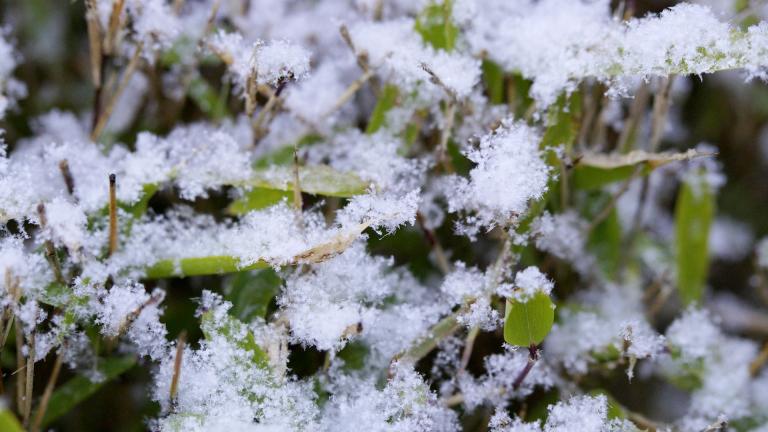
Chicago recorded its first official trace of snow of the season at O’Hare Airport on Monday morning, according to the National Weather Service. Oct. 30 is the “normal first date” for snow.
Trending
Interim NITA Director Earning $350K Salary While Also Collecting $213K Annual City Pension, Records Show

Early Voting for November General Election Kicks Off in Downtown Chicago

Uptown Theatre Added to Open House Chicago, Catch a Rare Glimpse Inside Gilded Jewel

City Lawyers Propose Spending $260.8M to Settle 16 Cases Tied to Disgraced Ex-CPD Detective Guevara

Chicago Woman Accused of Social Security Fraud After Hiding Mother’s Body in Freezer for 2 Years

Sign up for the WTTW News newsletter