

Mental Health
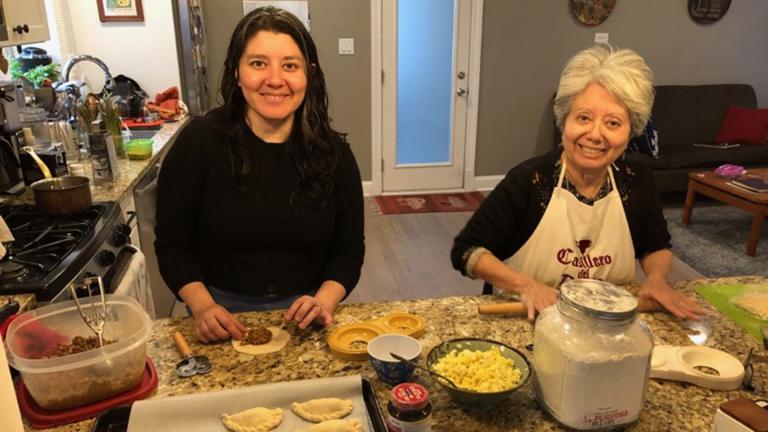
As Chicagoans hunker down amid the pandemic, we check in with some familiar faces on how they’re weathering the storm – and what music they’re listening to.
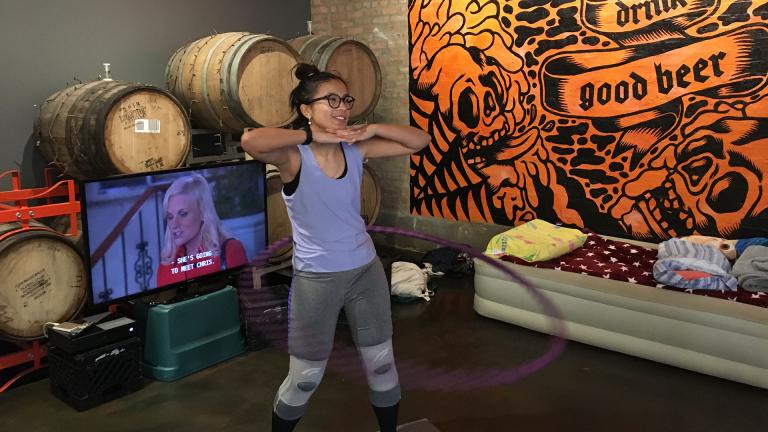
The Wicker Park resident hula hooped for 100 hours last fall, hoping to set a new world record and raising nearly $5,000 for the nonprofit Mental Health America along the way. “It’s a big relief,” the 29-year-old said.
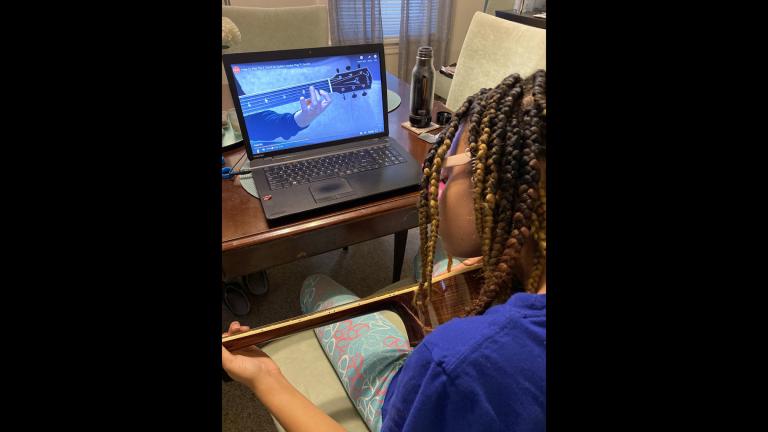
As Chicagoans hunker down amid the pandemic, we check in with some familiar faces on how they’re weathering the storm and meet a new couple that is finding creative ways to stay connected with their grown children.
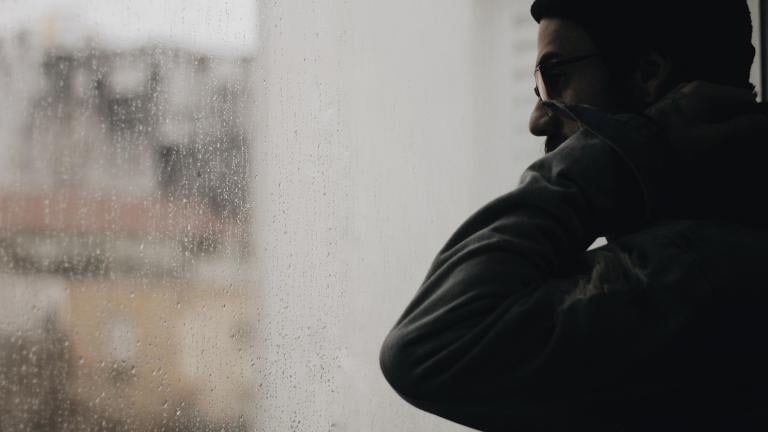

The new coronavirus has upended lives across the globe. We take a look at the mental toll of social distancing, isolation and the fear of illness – and ways to cope.
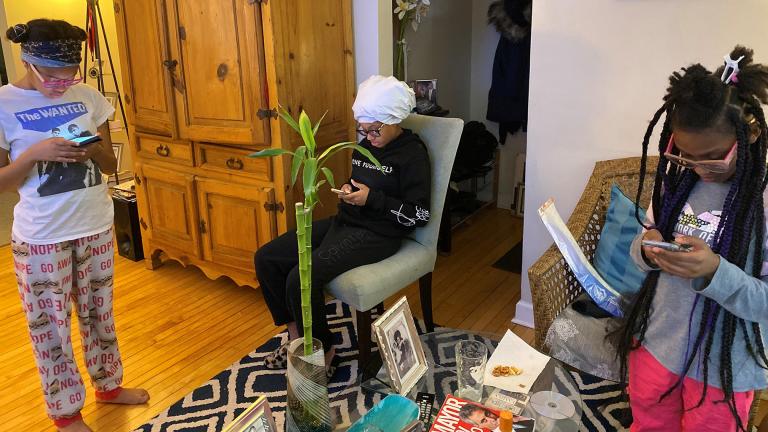
As we close out the first week of COVID-19 isolation efforts, Chicagoans are finding themselves with suddenly upended lives. How are you adapting to the “new normal”?
The coronavirus pandemic has altered daily life in every way, from increasing financial worries and food insecurity to simply upending routines. How can people adjust to a new normal in the face of all these new worries?

Concerns over the spread of the coronavirus have a lot of people working from home, schools closed, restaurants shuttered and sports canceled. Can we even go outside? Yes, say the experts, but still practice social distance.
Active shooter drills are as common as reading, writing and arithmetic in American schools. But a new report says they are traumatizing students.
State Sen. Rob Martwick says the bill would grant students up to five excused absences from class to let them “take care of their mental health, just like they would be with a broken bone or the flu.”

Chicago could become the largest city in the nation to decriminalize natural psychedelics like mushrooms and peyote.

Violence in Chicago sometimes leads to descriptions of the city as a “battleground” or “war zone.” But author Dexter Voisin says those narratives ignore the structural issues behind the violence in many communities.
The toll of gun violence from school shootings extends beyond victims. A new study finds local exposure to fatal shootings increases youth antidepressant use by 21% in the two years following a shooting.
Once it’s implemented, people will just need to dial 988 to seek help, similar to calling 911 for emergencies or 311 for city services. Currently, the National Suicide Prevention Lifeline uses a 10-digit number.
The 29-year-old Wicker Park resident completed her Guinness World Record attempt for longest marathon hula-hoop session Saturday morning. “I’m so relieved,” Jenny Doan said.
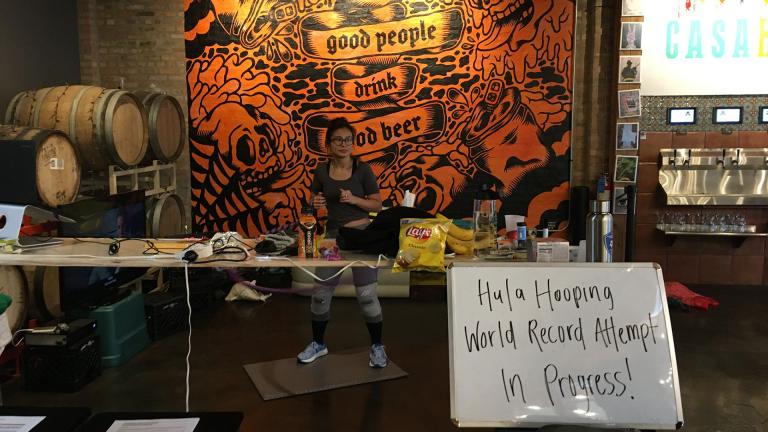
The 29-year old Wicker Park resident has been hula-hooping for more than 75 hours straight, breaking the Guinness World Record for longest marathon hula-hooping session, but she’s not giving up until she reaches her personal goal of 100 hours.
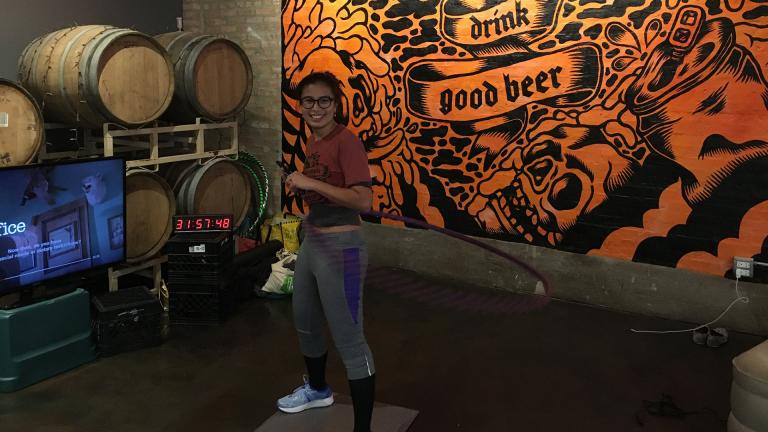
Jenny Doan is planning to hula-hoop for 100 hours straight in order to break the Guinness World Record. We check in with her 31 hours into the challenge. “It’s been tiring,” said the 29-year-old Wicker Park resident.
Trending
Interim NITA Director Earning $350K Salary While Also Collecting $213K Annual City Pension, Records Show

Early Voting for November General Election Kicks Off in Downtown Chicago

Uptown Theatre Added to Open House Chicago, Catch a Rare Glimpse Inside Gilded Jewel

Chicago Woman Accused of Social Security Fraud After Hiding Mother’s Body in Freezer for 2 Years

City Lawyers Propose Spending $260.8M to Settle 16 Cases Tied to Disgraced Ex-CPD Detective Guevara

Sign up for the WTTW News newsletter