

Farming
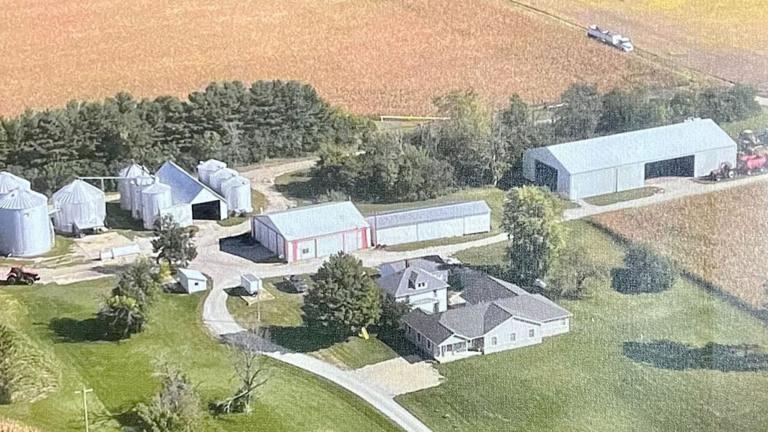
The effects of President Donald Trump’s planned tariffs on allies and rivals are yet to be seen, but farmers in Illinois are bracing for their impact — even as they wait years for Congress to pass long-term federal spending legislation.
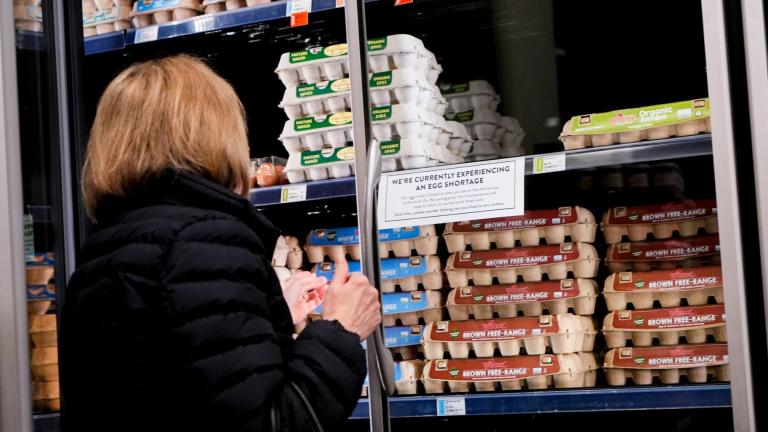
The average price per dozen nationwide hit $4.15 in December. That’s not quite as high as the $4.82 record set two years ago, but the Agriculture Department predicts prices are going to soar another 20% this year.
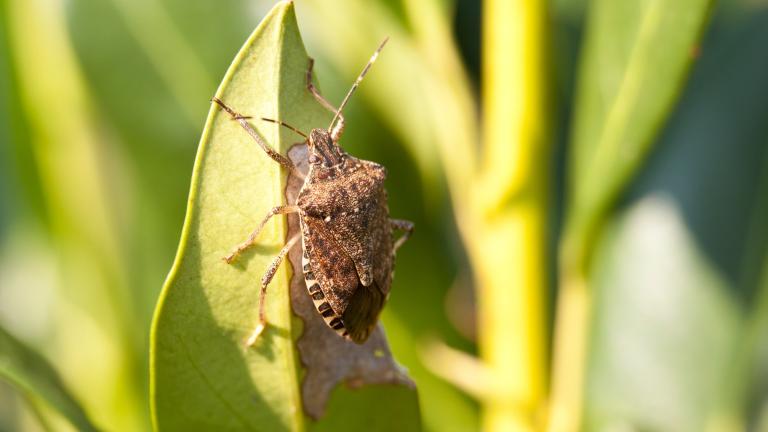
Stink bugs — officially, brown marmorated stink bugs — aren’t fans of the cooler fall temperatures and have started heading indoors to over-winter. Don’t freak out, experts said.

The Harris-Walz plan includes a focus on improving rural health care, such as plans to recruit 10,000 new health care professionals in rural and tribal areas through scholarships, loan forgiveness and new grant programs, as well as economic and agricultural policy priorities.

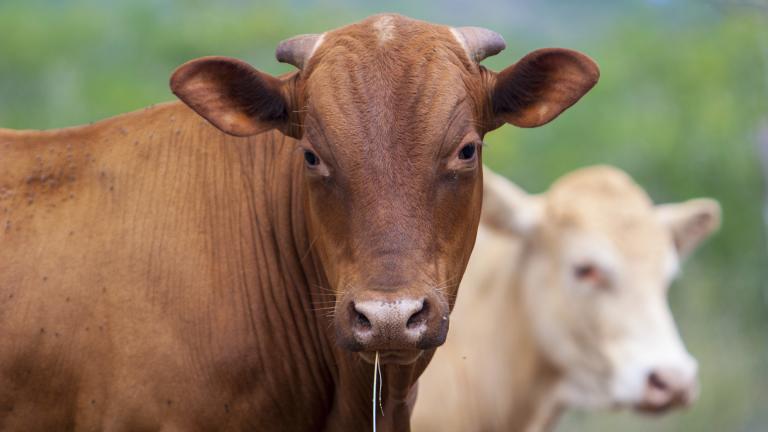
The bull was captured Thursday evening after the McHenry County Sheriff’s Office warned in a Facebook post around 4:30 p.m. that “there is a loose bull in the vegetation” in Marengo, about 60 miles northwest of Chicago.
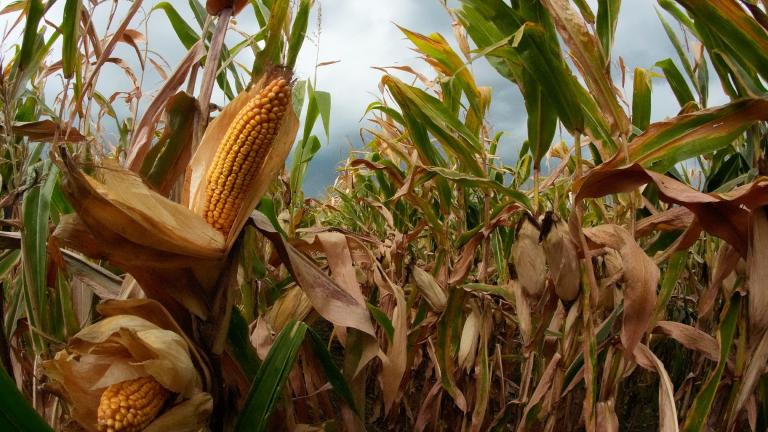
Farmers are also planting more acres of corn, in part to meet demand for ethanol, according to the USDA’s Economic Research Service. It all means more plants working harder to stay cool — pumping out humidity that adds to steamy misery like that blanketing much of the U.S. this week.
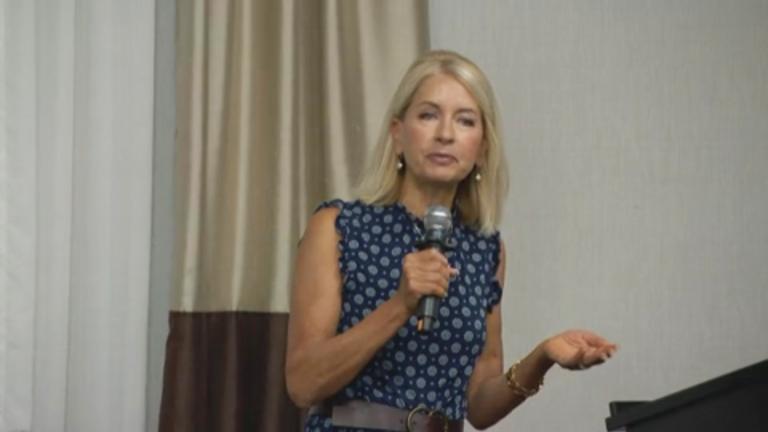

U.S. Rep. Mary Miller (R-Illinois) said excessive regulations are hurting agriculture, blaming the so-called “communist environmental movement, the ‘Green Bad Deal’ that Donald Trump has called out as a sham issue. And I want to tell you as a farmer, we love CO2 – and trees and plants love it too. They have demonized the miracle molecule that causes things to grow.”
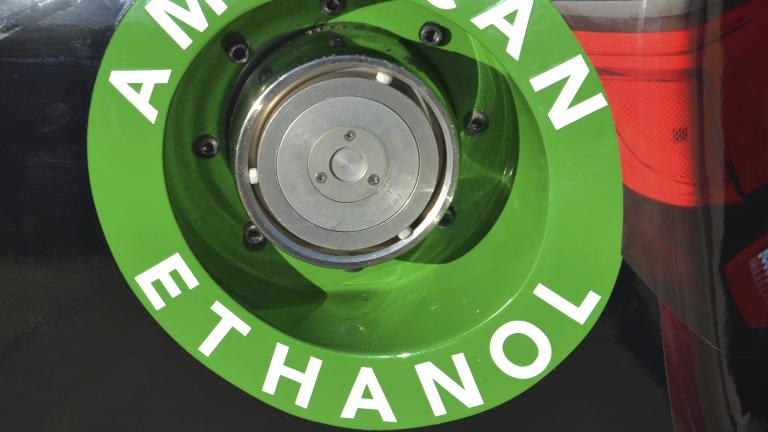
The move reflects the importance of ethanol to agriculture. The fuel additive consumes roughly 40% of the nation’s corn crop, so higher sales of ethanol could mean greater profits for corn farmers.
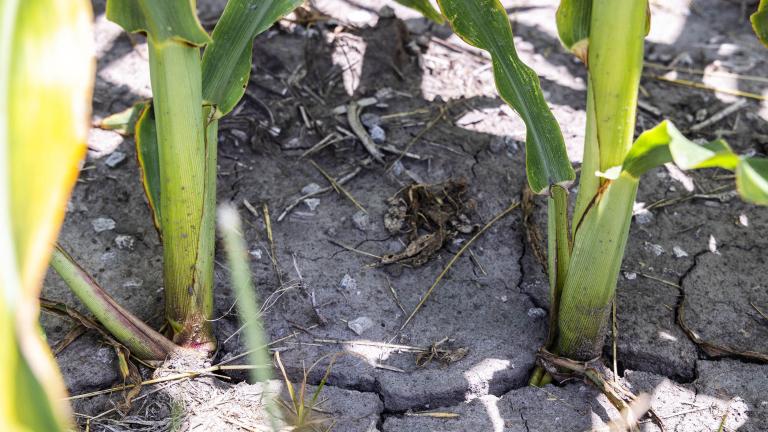
June is expected to go down as one of the 10 driest months in the state’s history. Farmers are already seeing an impact on their crops and consumers are likely to see an impact soon.
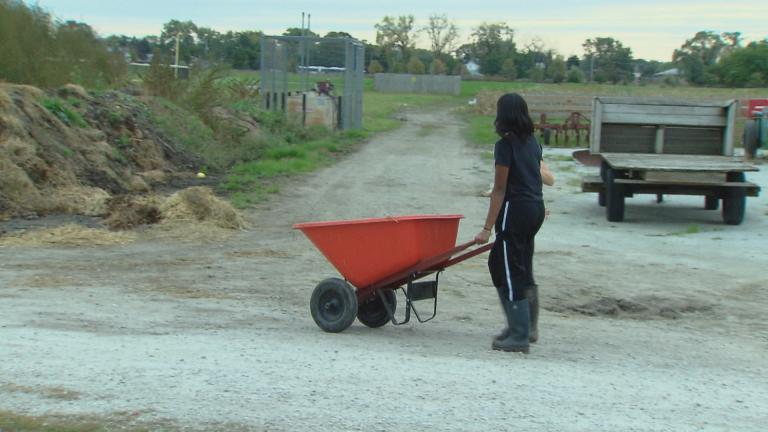
The number of farmers in Illinois is declining and the most recent census data shows the average age of a farmer is nearly 60.
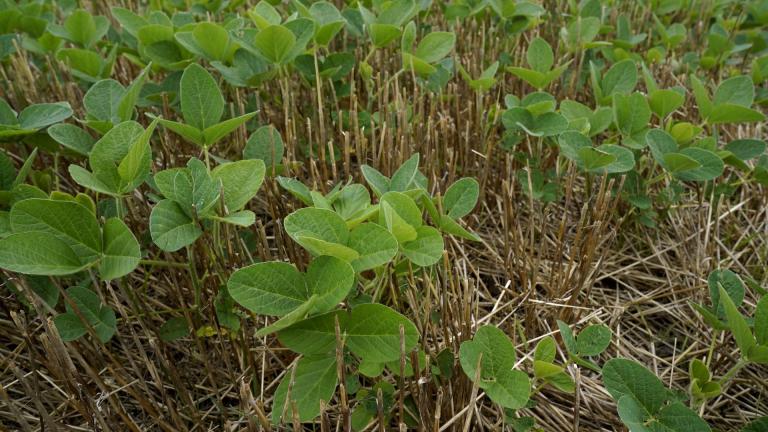
Earlier this summer, the U.S. Department of Agriculture instituted new policies to encourage American farmers to begin growing two crops on one piece of land, one after the other, a practice known as double-cropping.
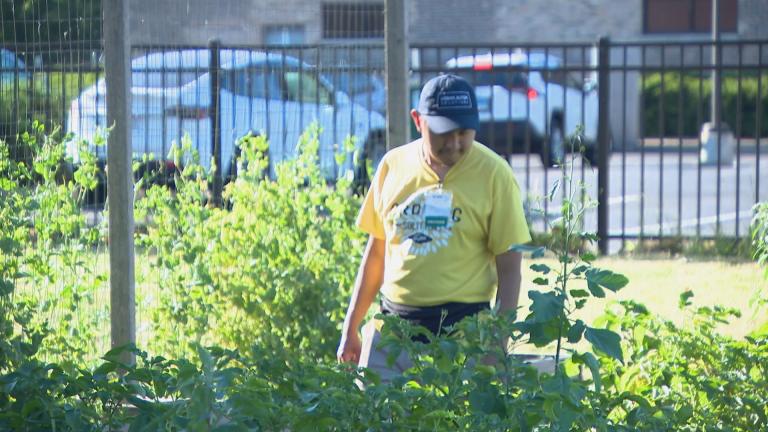
Urban Autism Solutions, an organization on the West Side, is working to empower young adults on the autism spectrum to learn life skills. The 1.2- acre produce farm is a hands-on program teaching young adults the basics of farming with a goal of enhancing their social and vocational skills.
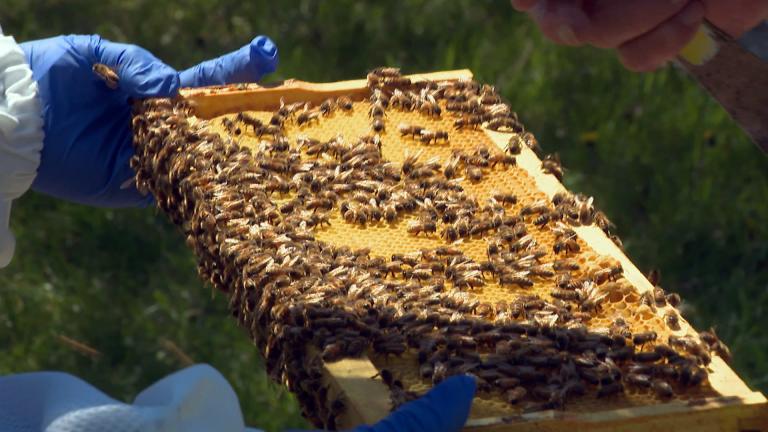
Illinois is known for growing corn and soybeans, but there’s another local crop some say is ready for its close up: honey. We visit a bee farm just north of Chicago that has become one of the most celebrated in the entire state.
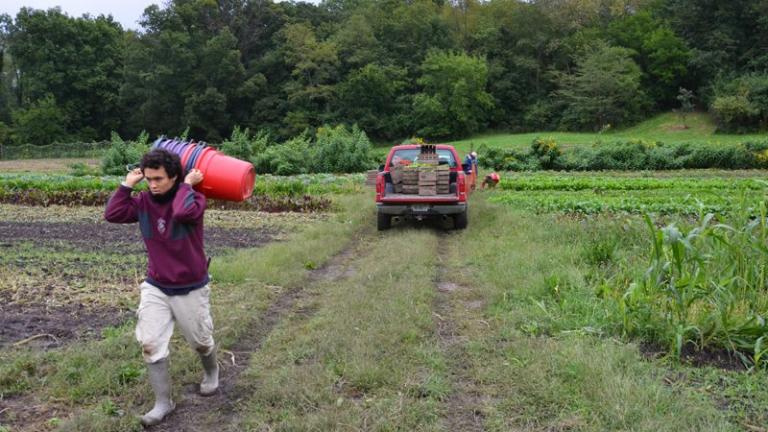
Ines Sommer’s documentary “Seasons of Change on Henry’s Farm” shows that climate change is knocking on the door. But that’s not what the movie was supposed to be about.
Agriculture is one of Illinois’ main industries. But like many other sectors, it’s taking a beating because of the coronavirus.

They appear to be marbled, speckled, dipped and dyed, with names like “Red Glitter” and “Jingle Bell Rock.” We visit a poinsettia farm and learn what it takes to cultivate the crop in time for the holidays.
Trending
2026 Chicago Festival Guide

Interim NITA Director Earning $350K Salary While Also Collecting $213K Annual City Pension, Records Show

Early Voting for November General Election Kicks Off in Downtown Chicago

Uptown Theatre Added to Open House Chicago, Catch a Rare Glimpse Inside Gilded Jewel

Chicago Woman Accused of Social Security Fraud After Hiding Mother’s Body in Freezer for 2 Years

Sign up for the WTTW News newsletter