

Environment
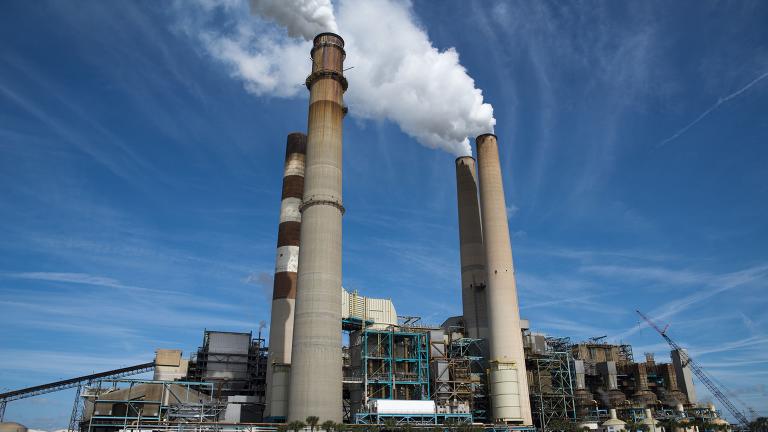
The Trump administration is taking another swing at coal regulations, announcing that it plans to ditch an Obama-era rule that set pollution limits for new coal-fired power plants.

The first chunk of Illinois’ windfall from the Volkswagen emissions lawsuit settlement will fund cleaner-burning bus and train engines for CTA, Metra, Pace and other agencies.

After reports of a dangerous gas being emitted from several suburban industrial sites, U.S. Sen. Tammy Duckworth and other lawmakers have introduced a bill that would force the EPA to more quickly disclose similar public health risks.
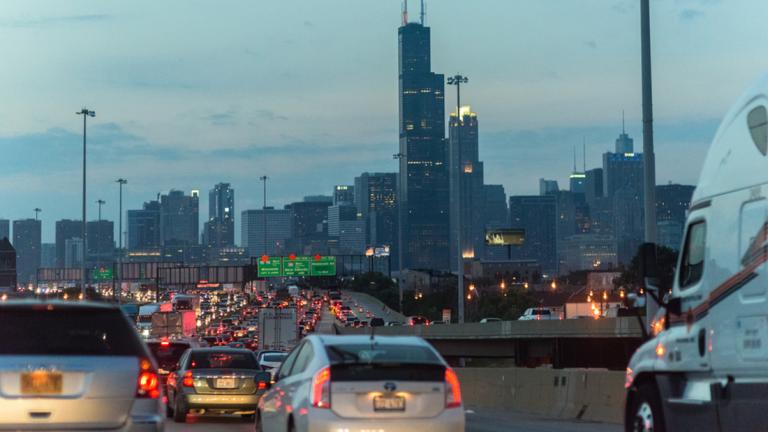
A new analysis shows that closing Chicago's final two vehicle emissions testing facilities came at a cost to hundreds of thousands of city drivers, with the biggest impact on low-income and minority drivers.
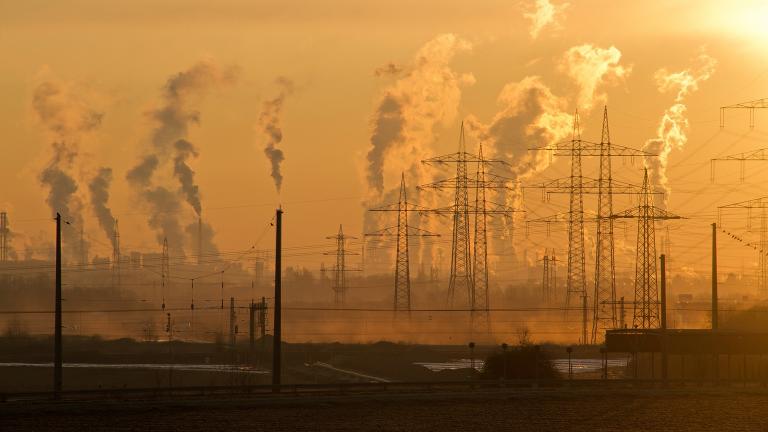
Air pollution’s impact on life expectancy exceeds that of communicable diseases such as AIDS, cigarette smoking and even war, according to a first-of-its-kind study from the University of Chicago.
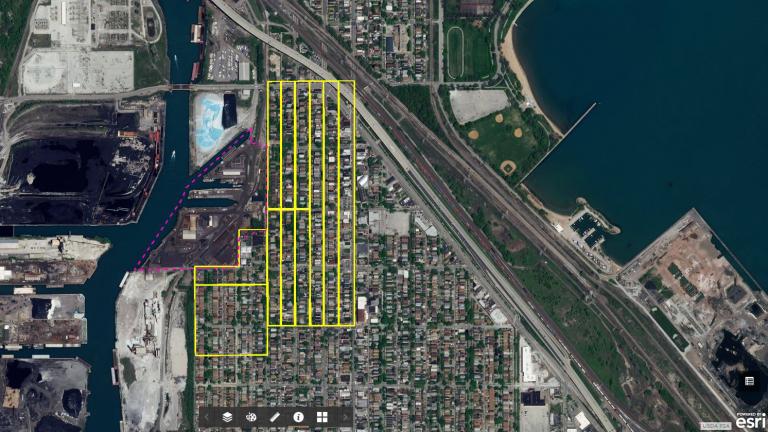
The ongoing probe into harmful levels of brain-damaging manganese on Chicago’s Southeast Side has turned up another, more familiar neurotoxin: lead.
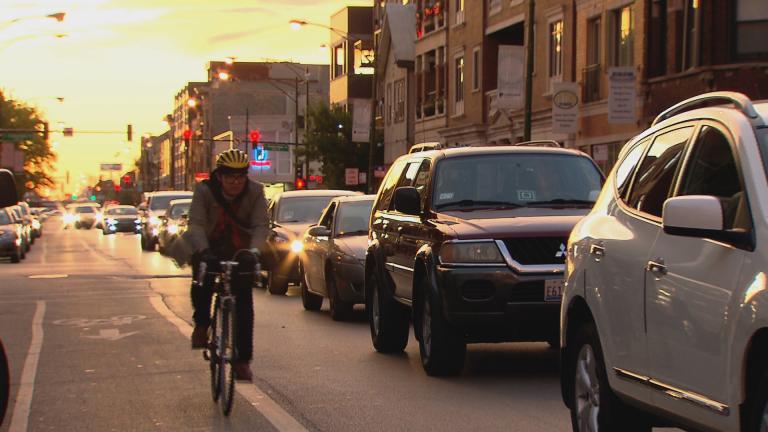
A $2.5 million award to address climate change will help Chicago expand bike-share programs to all parts of the city, according to the mayor’s office.
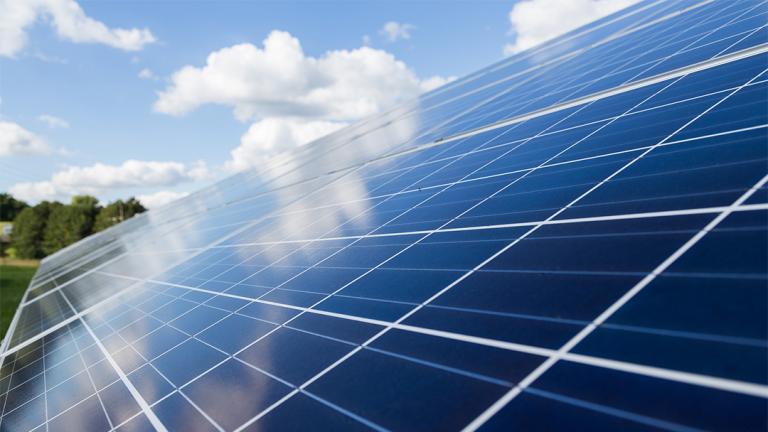
The mega-retailer says plans to install solar panels at nearly two dozen sites across Illinois will represent a 25-percent increase in the state’s current solar capacity.

U.S. Sen. Dick Durbin is calling for federal action following a report that identified an Illinois meat-processing plant as the worst-polluting plant of its type in the country.
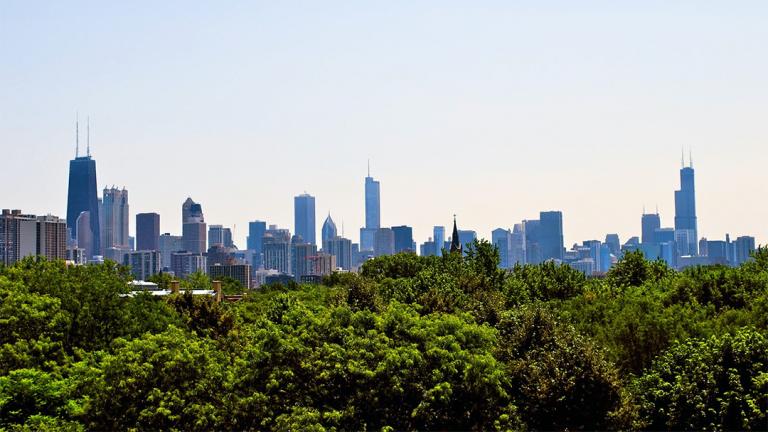
Chicago-based environmental group Openlands has received a $1 million grant to address climate change by planting new trees and recruiting residents to protect them.
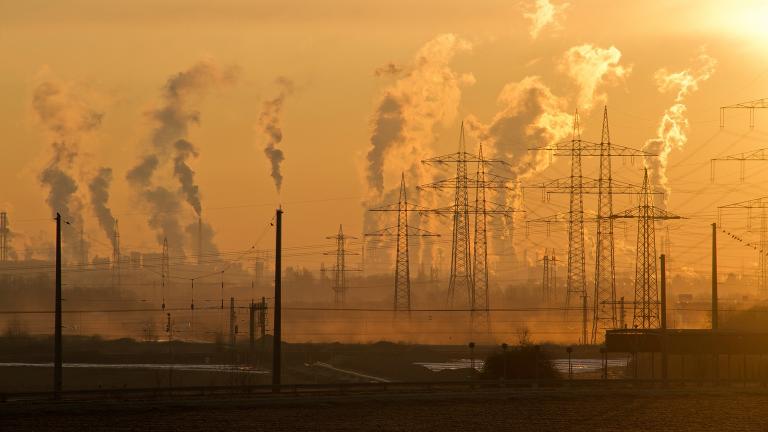
An inexpensive drug for Type 2 diabetes also decreases the risk of heart attacks and strokes caused by air pollution, according to a new Northwestern Medicine study.
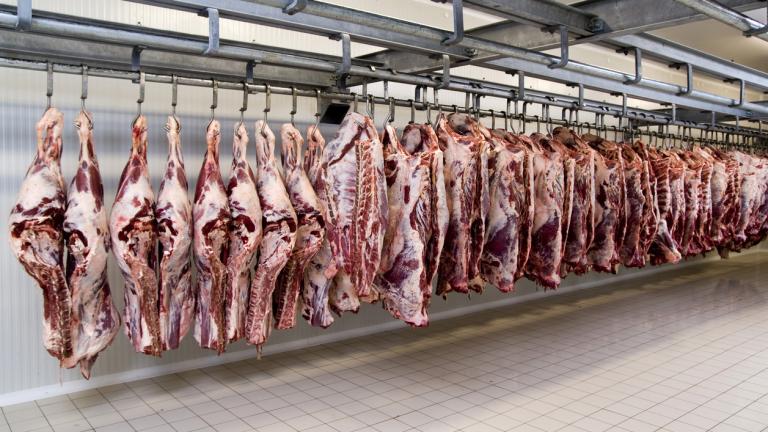
A pork-processing plant in western Illinois released an average of nearly 2,000 pounds of harmful nitrogen per day into a tributary of the Illinois River last year, according to a new report.
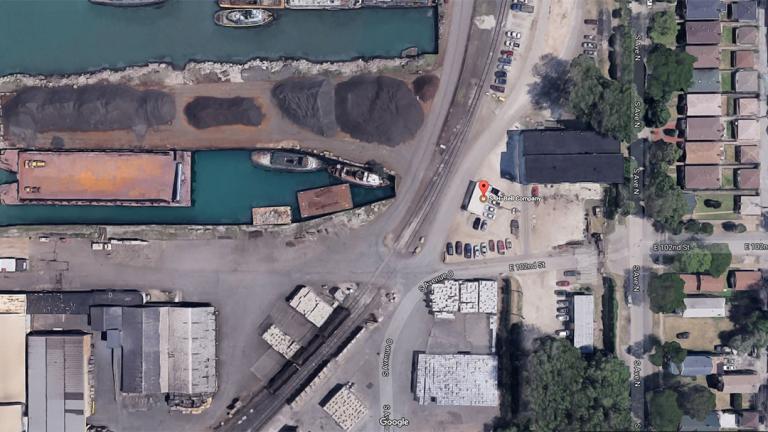
Soil samples have been collected from more than 100 properties as the U.S. Environmental Protection Agency continues to assess the threat posed by brain-damaging manganese emitted from nearby industrial sites.
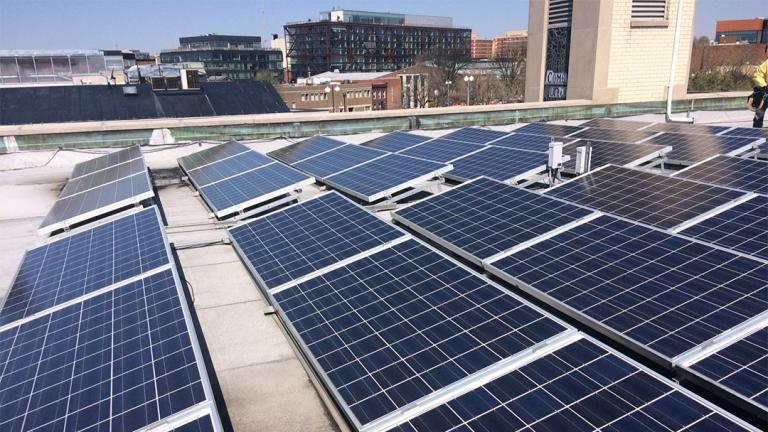
Chicago is seeking proposals to install solar panels on 30 acres of previously developed land in Austin, Englewood, West Pullman, Riverdale and South Deering.
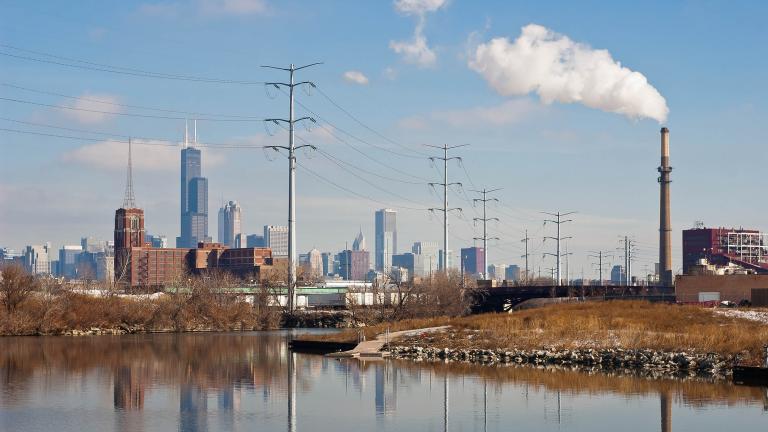
Local public health experts are set to testify at a Chicago hearing next week on the Trump administration’s proposal to repeal the Clean Power Plan, which established limits on pollution from power plants.

A new federal grant aims to help educators use the Chicago River as a “living classroom” to teach students about water quality issues.
Trending
Who Is Running, or Thinking About Running, to Become Chicago’s Next Mayor

Suspend CPD Officers, Sergeant Repeatedly Accused of Making Improper Traffic Stops for a Combined 330 Days: Police Brass

No Tax Hikes or Layoffs Needed to Close Cook County’s $550M Gap Thanks to ‘Budget Magic’: Preckwinkle

Hilario Dominguez, Candidate for CPS Board President, Defends Conduct as Watchdog Reopens Probe Into Inappropriate Behavior Allegations

Johnson’s Debt Refinancing Plan Results in Just Half of What He Promised, Forcing Officials to Scramble to Fill Budget Gap

Sign up for the WTTW News newsletter