

Economy
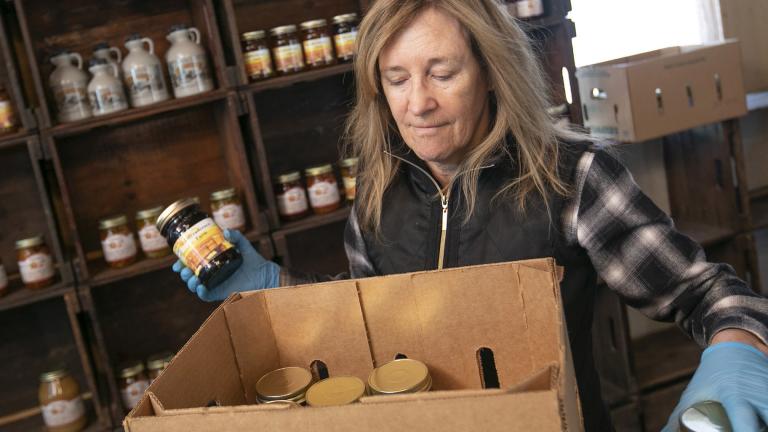
Small business owners are awaiting help from the $2 trillion rescue package signed into law Friday. But with bills fast coming due, no end to business closings and an economy that’s all but shut down, owners are worried about survival.
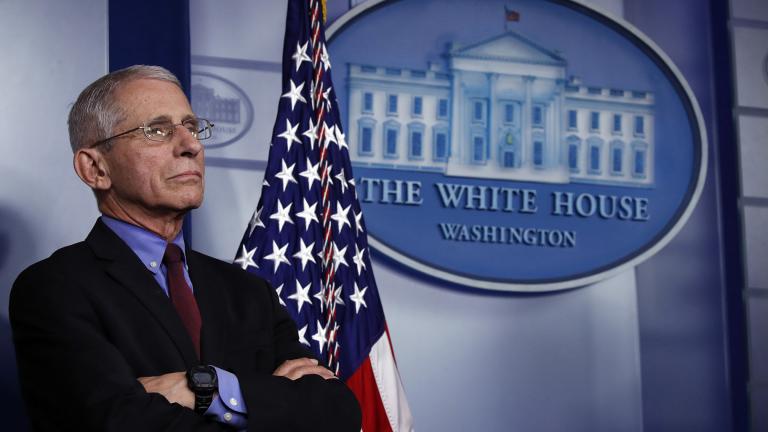
As President Donald Trump looks for ways to restore normalcy in parts of the U.S., his foremost infection disease expert says the country could experience more than 100,000 deaths and millions of infections from the coronavirus pandemic.
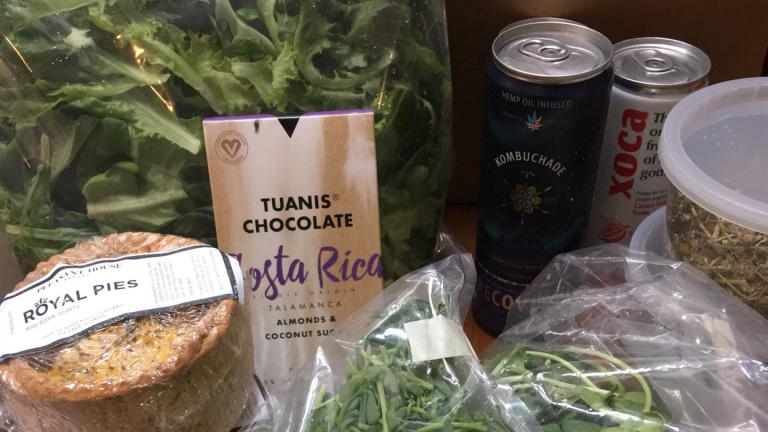
Closed Loop Farms is leading a group of local food producers to deliver everything from Michelin-worthy greens to naturally fermented sodas directly to your door.
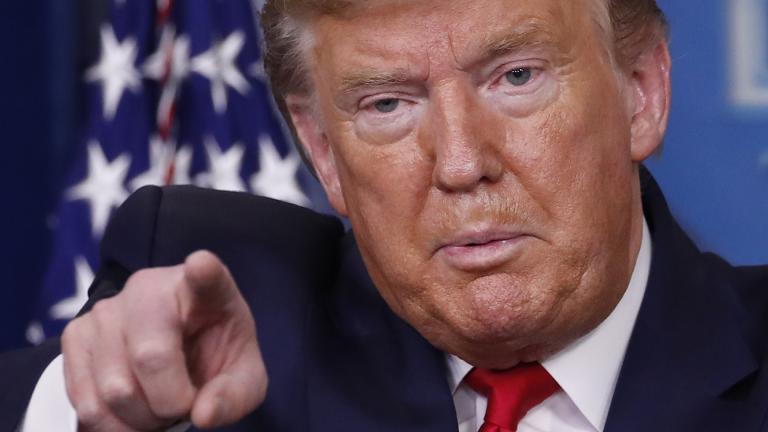
President Donald Trump signed an unprecedented $2.2 trillion economic rescue package into law Friday, after swift and near-unanimous action by Congress this week to support businesses, rush resources to overburdened health care providers and help struggling families.
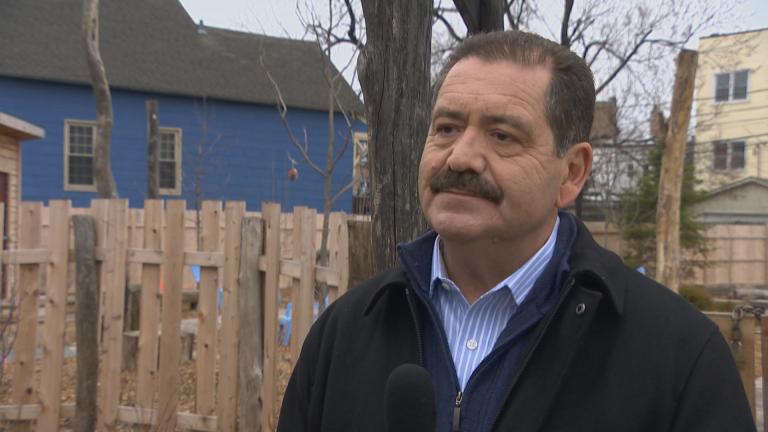

As a vote on the largest economic stimulus package in American history approaches in the U.S. House of Representatives, one Chicago congressman says he’s behind it.
The coronavirus is taking a toll on individuals’ pocketbooks, but it’s also hurting government budgets across the nation. What it could mean for Illinois.
Coronavirus-related city and state shutdowns have had an impact across Chicago, but neighborhoods like Little Village on the city’s Southwest Side are feeling them a littler harder.
The U.S. House is expected to pass a $2 trillion stimulus and relief package — the largest bailout in American history. But will it be enough to save workers and businesses ravaged by the virus?
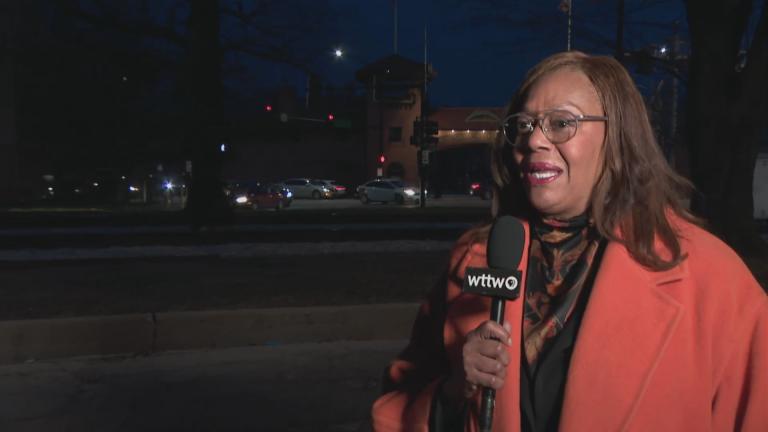
How is the coronavirus impacting businesses and residents in Chicago’s South Shore neighborhood? We speak with Ald. Leslie Hairston, whose 5th Ward includes much of Hyde Park and Woodlawn, and sections of South Shore.
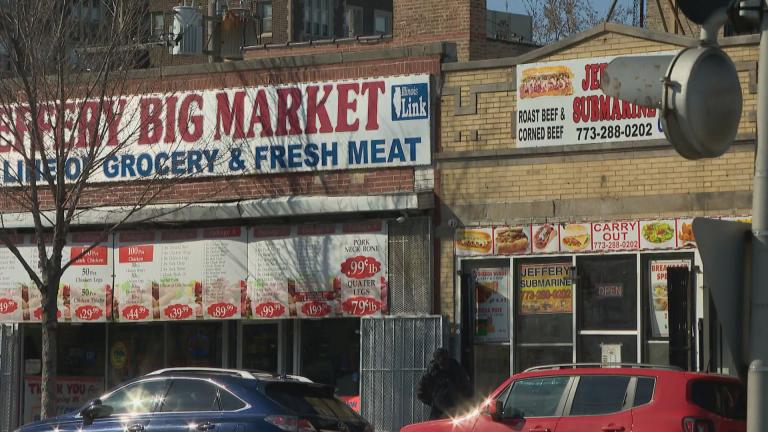
From small businesses to health care facilities to residents, the coronavirus shutdown is impacting neighborhoods across the city. We visit the South Shore community to find out how area residents and businesses are handling the crisis.
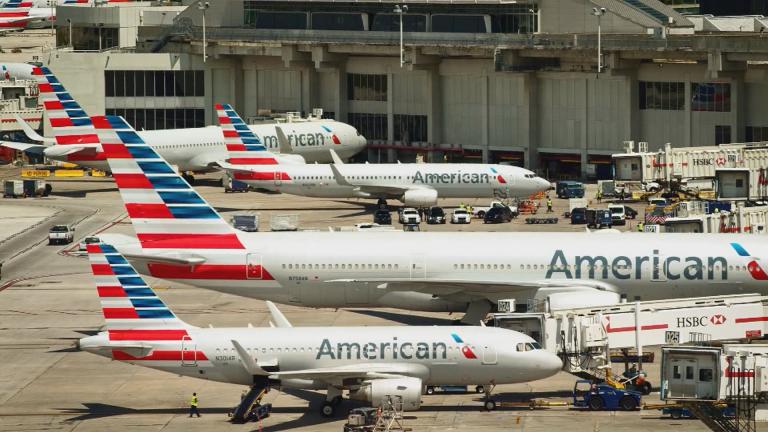
The struggling airline industry will get a $32 billion infusion as part of the $2 trillion congressional stimulus bill. But will it be enough to resurrect an industry that is one of the most essential for the economy?
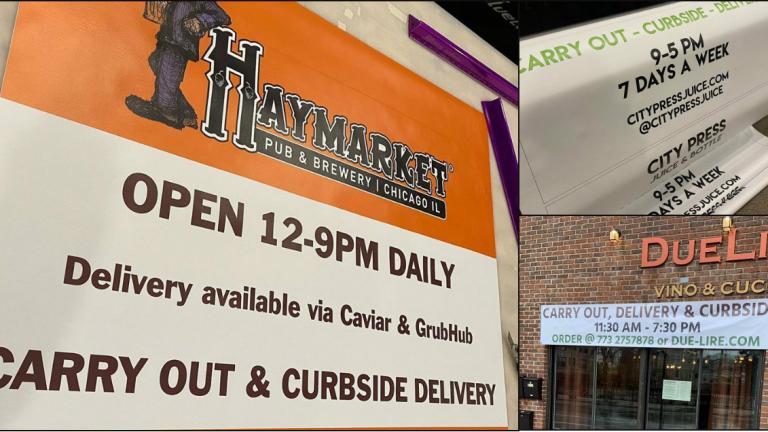
Tony Grammatis, owner of Snappy Printing and Graphics, is offering free banners to small businesses struggling to stay afloat during the COVID-19 crisis.
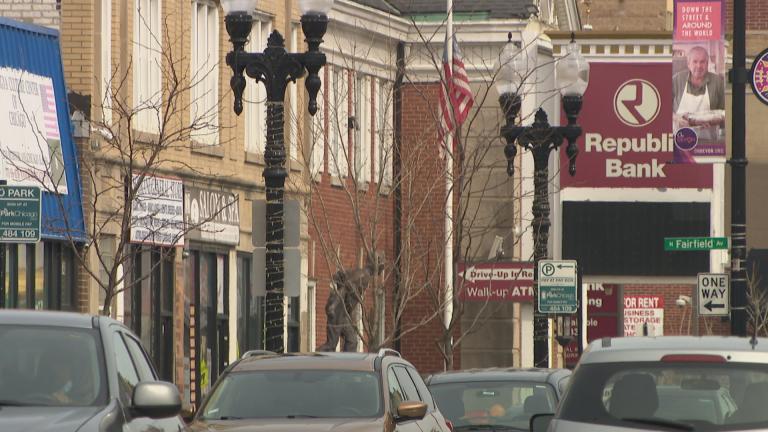
Along a 2-mile stretch of Devon Avenue in Chicago’s West Ridge community, you’ll find one of the most diverse neighborhoods in the country – and one dominated by small businesses, many of which are now closed.
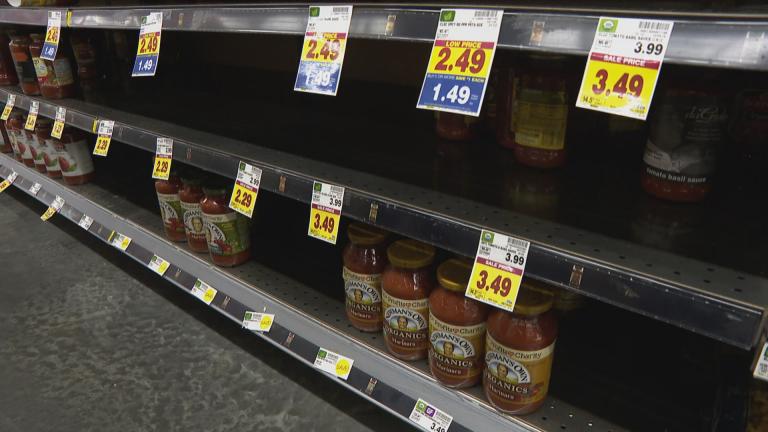
Panic-buying is taking hold of shoppers across the country. Already, toilet paper and hand sanitizer are flying off store shelves. How are grocery stores maintaining their supplies? And will their supply chains hold up under the strain of the crisis?
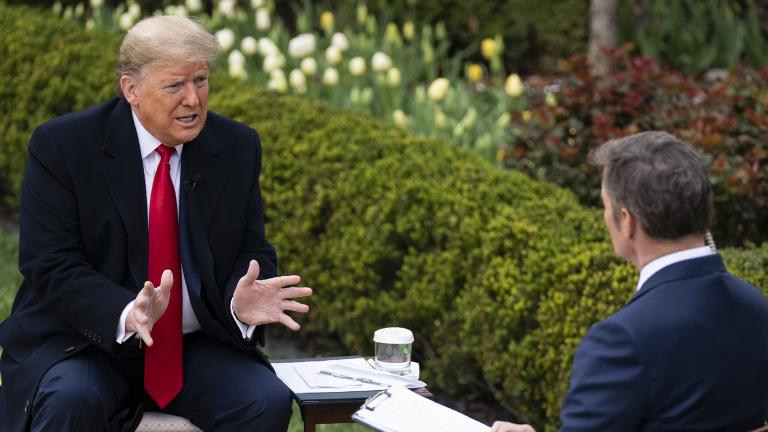
With lives and the economy hanging in the balance, President Donald Trump said Tuesday he is hoping the United States will be reopened by Easter as he weighs how to relax nationwide social-distancing guidelines.
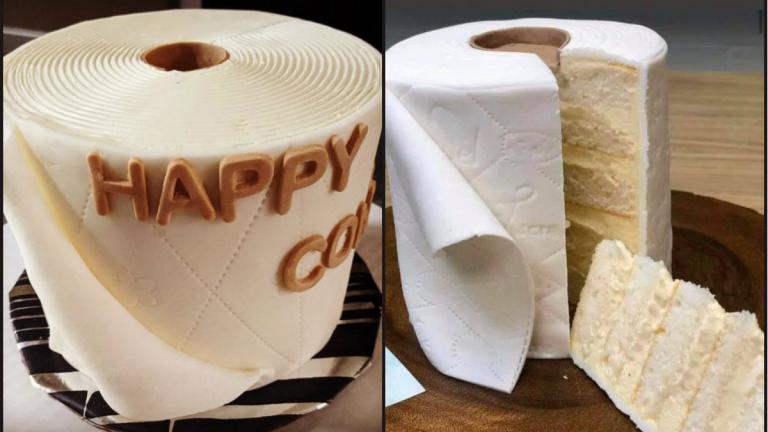
TipsySpace has created a toilet roll cake that’s worthy of bingeing, not hoarding, and it’s so authentic looking, customers have nearly mistaken it for the real thing on pickup.
Trending
Who Is Running, or Thinking About Running, to Become Chicago’s Next Mayor

Suspend CPD Officers, Sergeant Repeatedly Accused of Making Improper Traffic Stops for a Combined 330 Days: Police Brass

Johnson’s Debt Refinancing Plan Results in Just Half of What He Promised, Forcing Officials to Scramble to Fill Budget Gap

Hilario Dominguez, Candidate for CPS Board President, Defends Conduct as Watchdog Reopens Probe Into Inappropriate Behavior Allegations

No Tax Hikes or Layoffs Needed to Close Cook County’s $550M Gap Thanks to ‘Budget Magic’: Preckwinkle

Sign up for the WTTW News newsletter