

Economy

Small businesses on the South and West sides that are struggling to stay afloat during the coronavirus pandemic can apply for $5,000 grants from the city, Mayor Lori Lightfoot announced Tuesday.
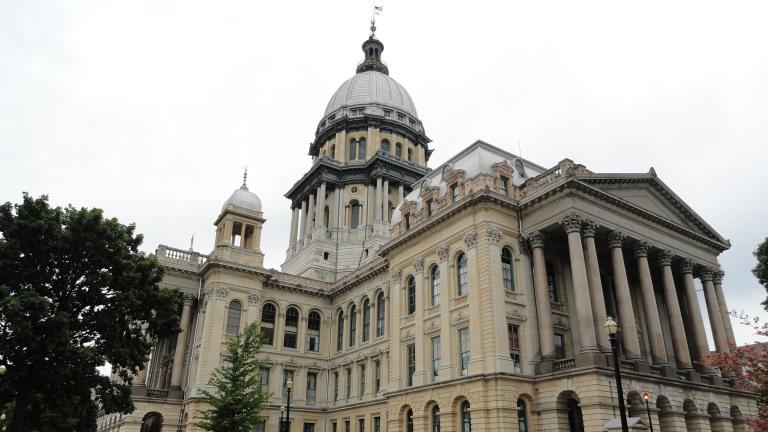

A feud between President Donald Trump and Gov. J.B. Pritzker has been reignited. Could it put money for the state at stake?
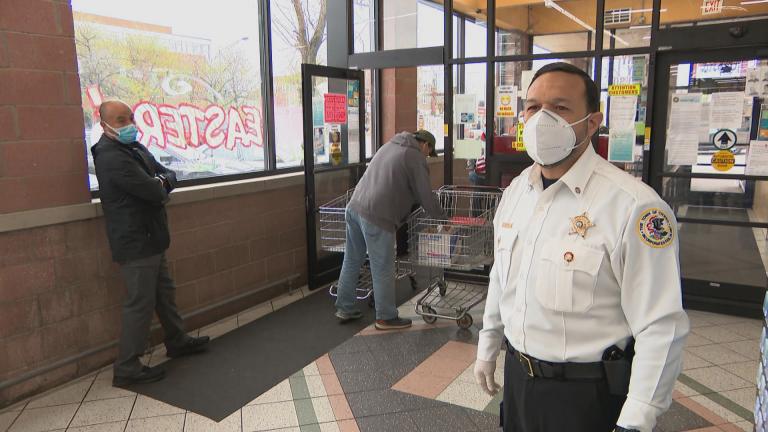
In a part of the Chicago region that has seen disproportionately high numbers of COVID-19 cases, the near west suburb of Cicero has been hit especially hard.

The emergency rule passed earlier this month would have presumed essential workers who contract COVID-19 got it on the job – an assumption that would have been costly for businesses and their insurers.

The Trump administration is reviewing proposed new guidelines for how restaurants, schools, churches and businesses can safely reopen as states look to gradually lift their coronavirus restrictions.

The Chicago-based sandwich chain announced Saturday that it will return the money after having received “further clarification from the Treasury Department” about the loan.
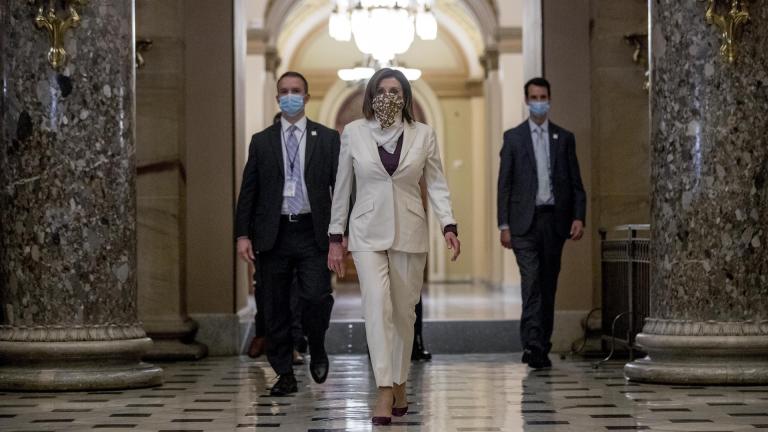
With no real plan to reopen Capitol Hill any time soon, the coronavirus shutdown poses an existential crisis that’s pushing Congress ever so reluctantly toward the 21st century option of remote legislating from home.
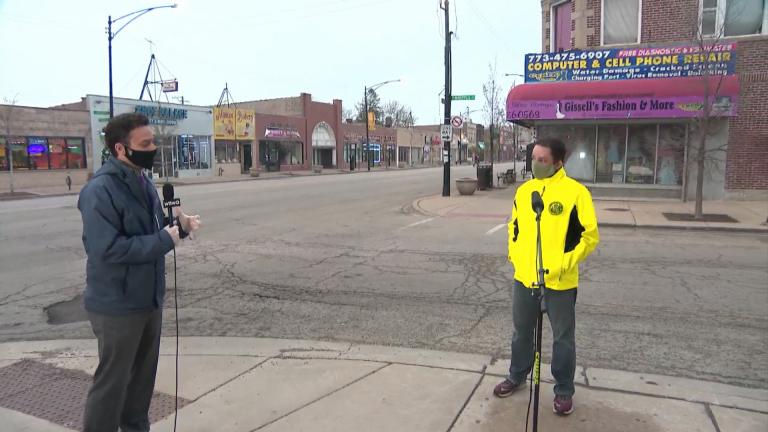
The 15th Ward alderman says COVID-19 has strained already scarce resources in his ward, which is home to many essential workers and undocumented immigrants.
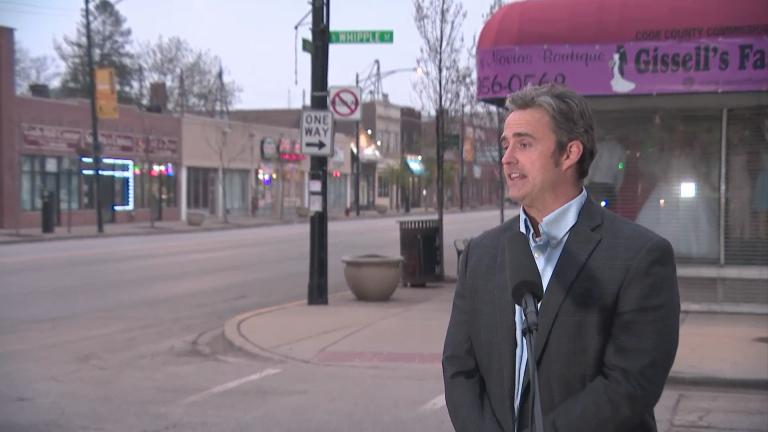
The Brighton Park Neighborhood Council provides a wide range of social services and programming on Chicago’s Southwest Side. We learn how it’s adjusting to community needs sparked by the pandemic.

As part of our series on the local impact of the coronavirus, a report from the Southwest Side, where a troubling situation has gotten worse as the pandemic has intensified.
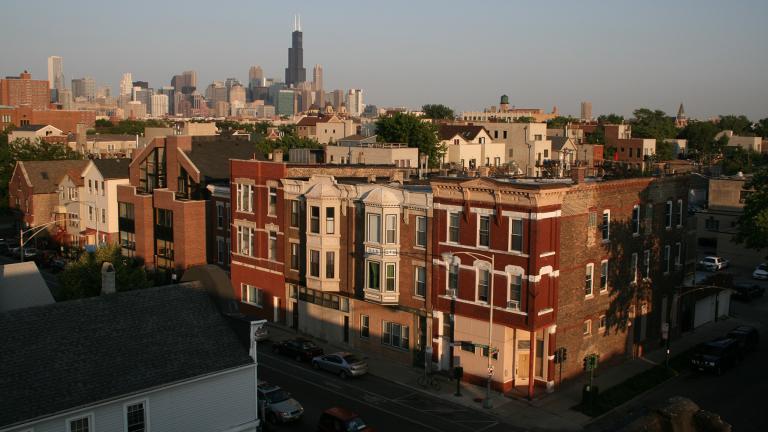
Mayor Lori Lightfoot has announced the creation of a task force to lead the city’s eventual recovery from the coronavirus pandemic — even as she reminded residents the virus is still running rampant.
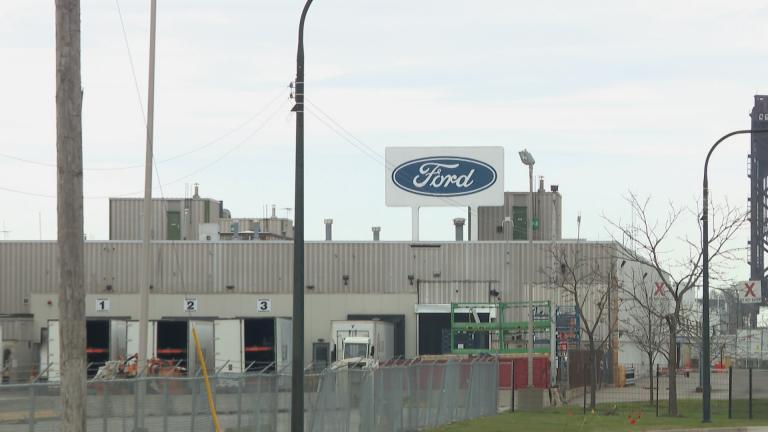
Located in the Hegewisch neighborhood, Ford Motor Company’s Chicago Assembly Plant employs close to 6,000 people, most of them hourly workers. Will they be headed back to work soon?
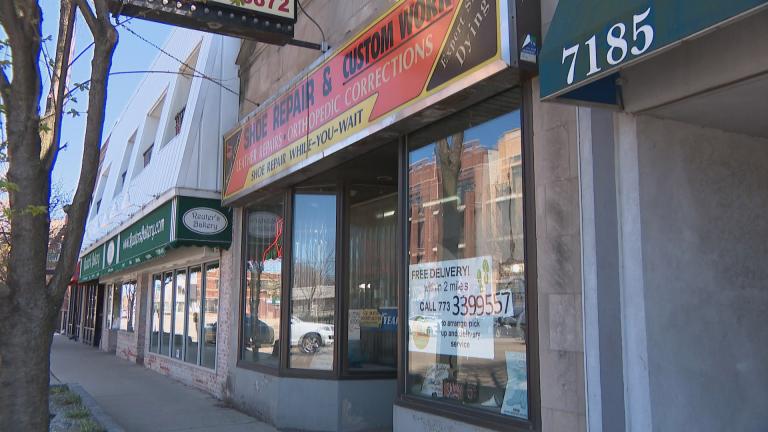
In the Northwest Side neighborhood of Montclare, residents are quietly on edge, worried about the coronavirus and the prolonged economic shutdown it prompted, which has ravaged the hundreds of small businesses in the area.
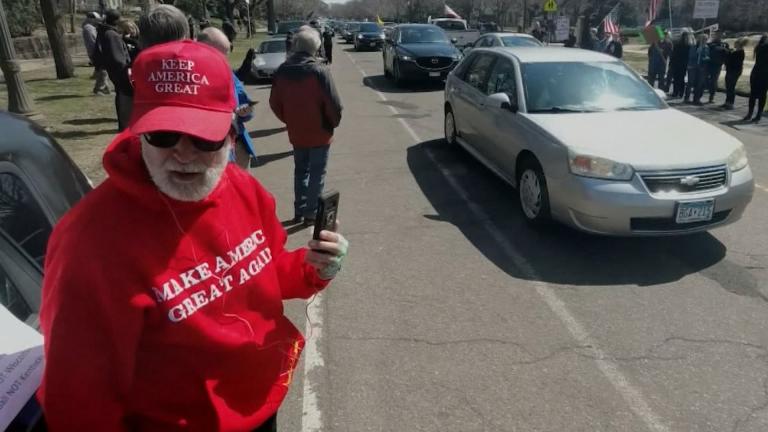
Calls to reopen the state’s economy are fueling a nationwide protest. We talk with an organizer behind a local effort.
A new bill to replenish a multibillion-dollar fund aimed at helping small businesses keep workers on the payroll failed to materialize Monday. We get a status check on the Paycheck Protection Program.
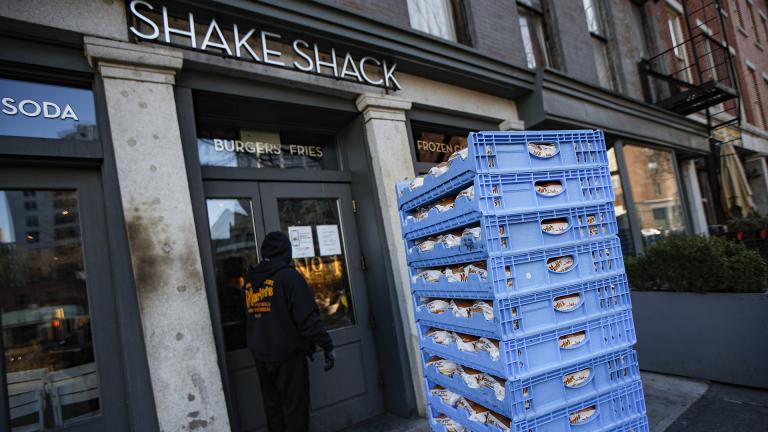
Some big restaurant chains have obtained loans from the government under a small-business relief program, leading business groups to cry foul even though the loans are within the guidelines of the lending program.
Trending
Who Is Running, or Thinking About Running, to Become Chicago’s Next Mayor

Suspend CPD Officers, Sergeant Repeatedly Accused of Making Improper Traffic Stops for a Combined 330 Days: Police Brass

Johnson’s Debt Refinancing Plan Results in Just Half of What He Promised, Forcing Officials to Scramble to Fill Budget Gap

Hilario Dominguez, Candidate for CPS Board President, Defends Conduct as Watchdog Reopens Probe Into Inappropriate Behavior Allegations

No Tax Hikes or Layoffs Needed to Close Cook County’s $550M Gap Thanks to ‘Budget Magic’: Preckwinkle
Sign up for the WTTW News newsletter