

Economy
The proposal authored by Ald. Gilbert Villegas (36th Ward) would send 5,000 families $500 per month for a year as part of an effort to study whether a universal basic income could help Chicagoans recover from the economic catastrophe of the coronavirus pandemic and fight poverty.
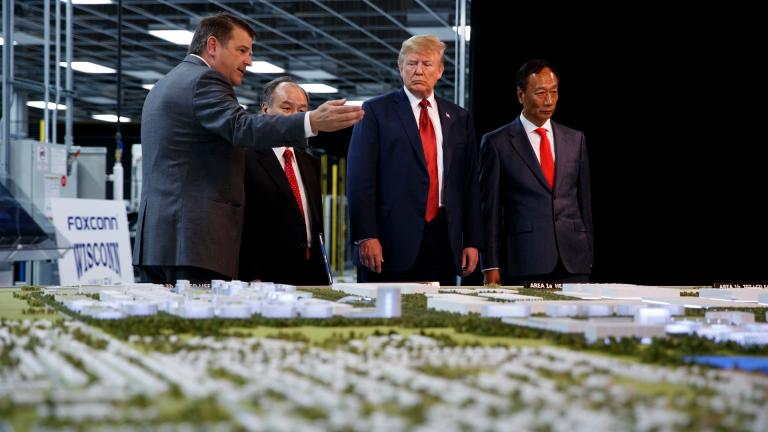
Foxconn Technology Group, the world’s largest electronics manufacturer, has reached a new deal with reduced tax breaks for its scaled back manufacturing facility in southeast Wisconsin, Gov. Tony Evers and the company announced on Monday.
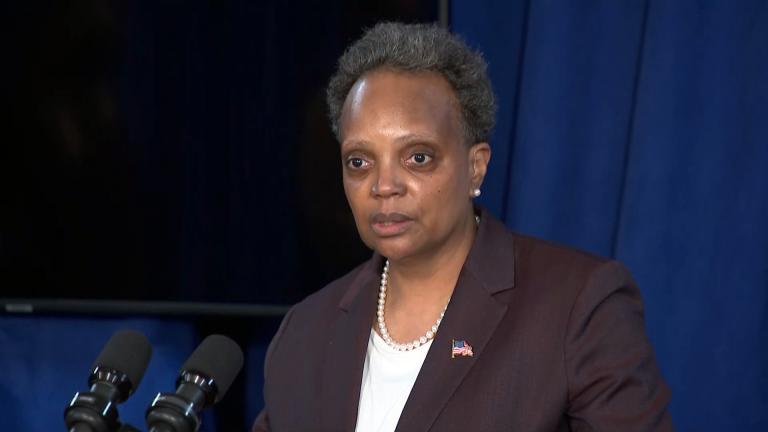

Mayor Lori Lightfoot wants to set aside about half of the $1.9 billion the city of Chicago expects to get from the American Rescue Plan signed by President Joe Biden in March to cancel high-interest debt.
Americans owe more than $1.7 trillion in student loan debt. Now, President Joe Biden is facing new calls to cancel $50,000 or more of loan debt per student. But critics say it would put an undue burden on Americans who never went to college.
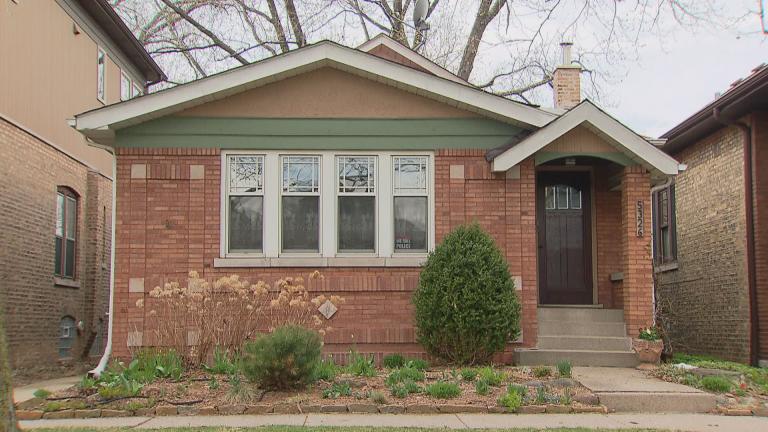
With tens of thousands of Chicagoans working from home for the first time and thousands more becoming entrepreneurs because of the COVID-19 pandemic, the City Council is poised to ease the rules governing the operation of home businesses.
Illinois’ ban on evictions caused by the coronavirus pandemic has been extended amid a steady increase in confirmed cases and hospitalizations that has complicated efforts to lift restrictions designed to stop the spread of COVID-19.
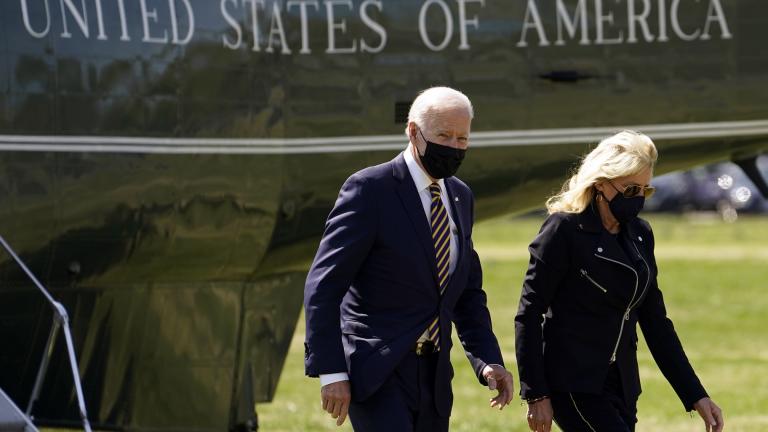
Plus: Members of Illinois’ congressional delegation talk infrastructure and Capitol security on ‘Chicago Tonight’
With an appeal to think big, President Joe Biden is promoting his $2.3 trillion infrastructure plan directly to Americans, summoning public support to push past the Republicans lining up against the massive effort they sum up as big taxes, big spending and big government.
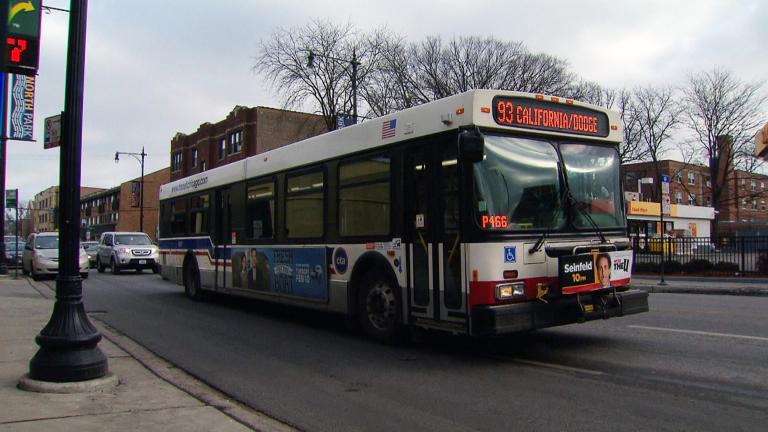
The coronavirus pandemic and mitigation measures to control it have led to a huge drop in ridership on public transit. As more and more people get vaccinated and the economy reopens, are riders going to come back?
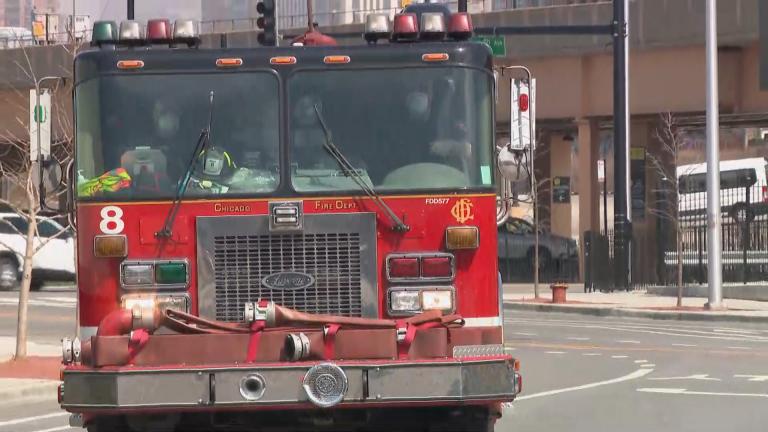
Some retired firefighters could see their pensions grow after Gov. J.B. Pritzker signed a measure to boost the annual cost-of-living increase added to their checks. Mayor Lori Lightfoot said the measure would create an “unfunded mandate” that would force Chicago officials to raise taxes or cut services.
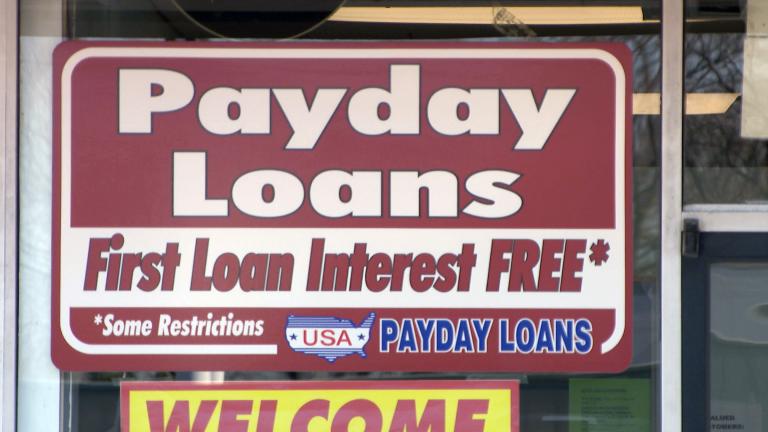
The Illinois Predatory Lending Prevention Act was recently signed into law by Gov. J.B. Pritzker. The legislation had support from organizations around the state, but critics say the law could shut down the payday lending industry in Illinois, leading to a host of bigger problems.
Plus: Our Spotlight Politics team weighs in on ‘Chicago Tonight’
President Joe Biden on Wednesday outlined a $2.3 trillion plan to reengineer the nation’s infrastructure over the next eight years in what he billed as “a once in a generation investment in America” that would undo his predecessor’s signature legislative achievement of giant tax cuts for corporations in the process.
President Joe Biden is aiming for summer passage of an infrastructure plan that is expected to cost more than $3 trillion, and the White House hopes to take a more deliberate and collaborative approach with the contentious Congress than it did on the COVID-19 rescue package, officials said.
Chicago aldermen recently approved a resolution calling for the city to use federal relief funds for a basic income pilot program. Some organizations have already been testing out the idea, but skeptics are looking to build up social services instead.

Two bills in the Illinois General Assembly would expand eligibility for the earned income tax credit. As part of our Firsthand initiative exploring poverty in Chicago, we take a look at the credit, and what it could mean for low-income households.
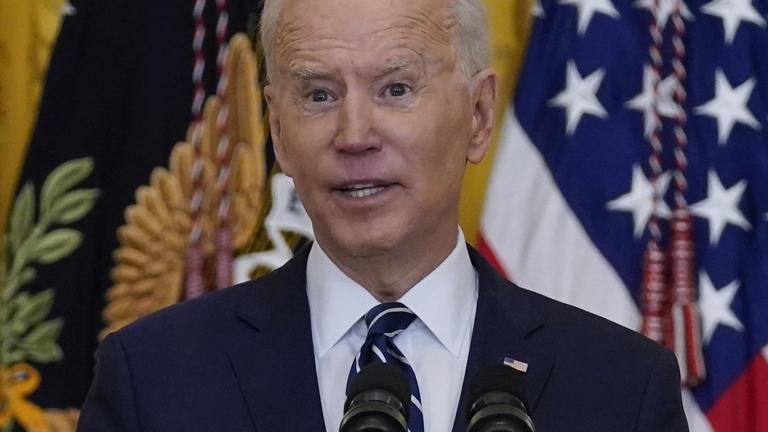
Plus: ‘Chicago Tonight’ on what the plan could mean for the city, state
President Joe Biden will lay out the first part of his multitrillion-dollar economic recovery package this week, focusing on rebuilding roads, bridges and other infrastructure, followed by a separate plan later in April addressing child and health care.
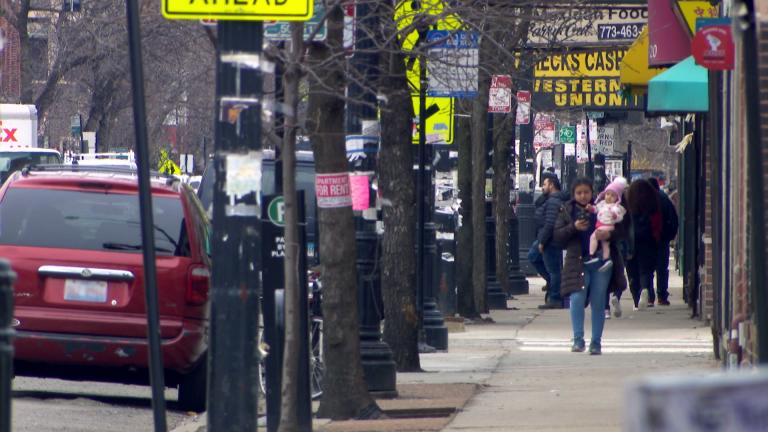
City’s ‘Hidden Gem’ faces down COVID-19, anti-Asian hate
For the latest in our reporting series, we visit the diverse Northwest Side community to see how it’s supporting Asian American residents amid a rise in anti-Asian rhetoric and violence.
Trending
2026 Chicago Festival Guide

Who Is Running, or Thinking About Running, to Become Chicago’s Next Mayor

Woman Charged With Fatally Stabbing 7-Year-Old Girl Walking in Chicago Saturday

Suspend CPD Officers, Sergeant Repeatedly Accused of Making Improper Traffic Stops for a Combined 330 Days: Police Brass

Key City Panel Unanimously Agrees to Pay $260.8M to Resolve 16 Lawsuits Tied to Disgraced Ex-CPD Detective Reynaldo Guevara
Sign up for the WTTW News newsletter