

City Council
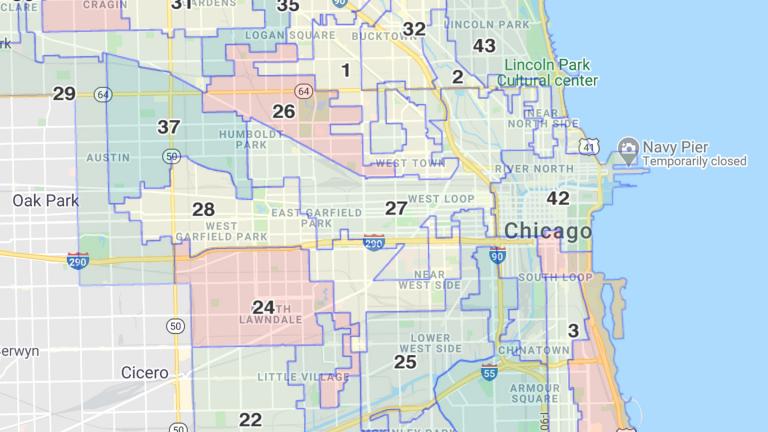

Members of the Chicago City Council are in the early stages of drafting new ward boundaries, but so too are community members hoping to supplant a map drawn by alderpeople. We check in on the drafting process.
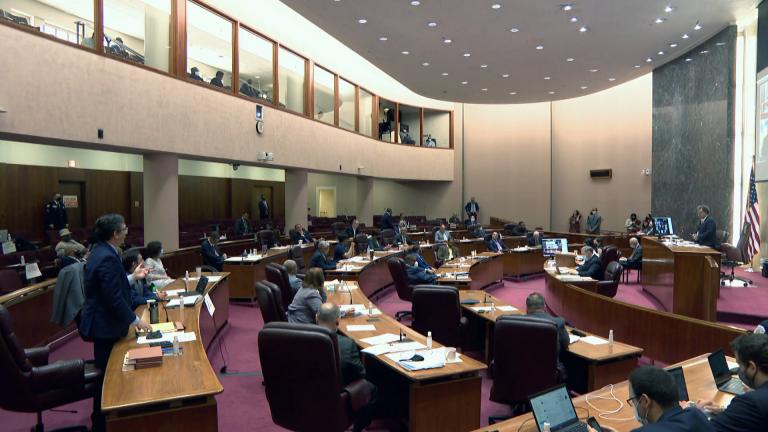
The special meeting set for Friday is the second time this year that aldermen have called an emergency meeting of the Chicago City Council over Mayor Lori Lightfoot’s objections. Our Spotlight Politics team weighs in.
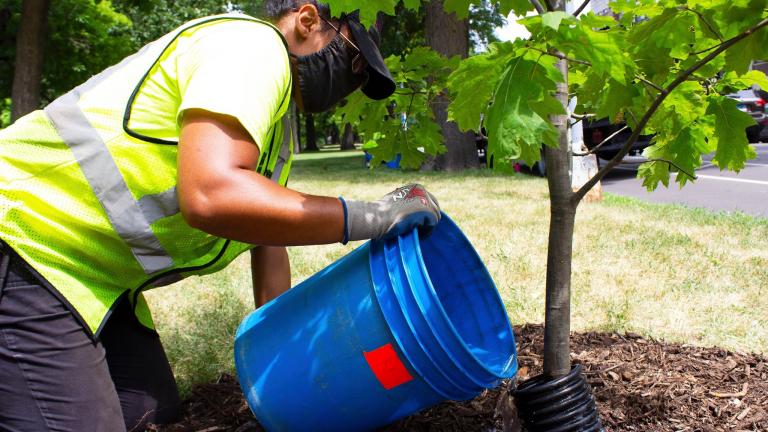
Supporters are calling it a big win for Chicago’s trees, but say the real work begins now. How the new Urban Forestry Advisory Board will bring together public and private partners to care for and enhancing the city’s urban canopy.
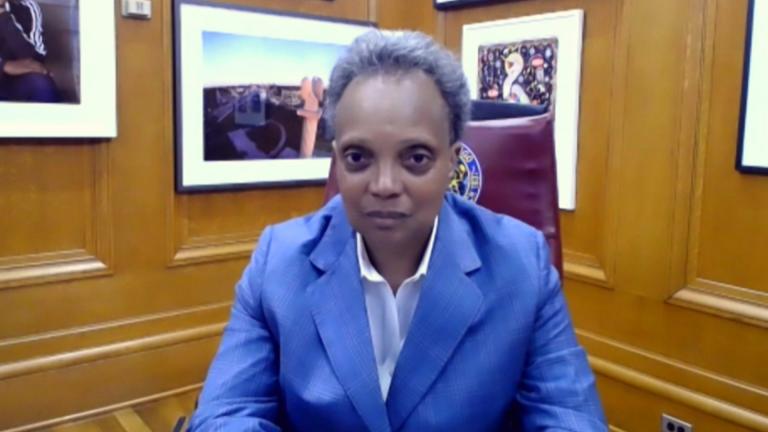
Chicago and other major cities are experiencing a “pandemic-spurred surge” in violence that officials are having success in fighting despite a rising number of shootings and homicides, Mayor Lori Lightfoot said during a one-on-one interview Tuesday on “Chicago Tonight.”
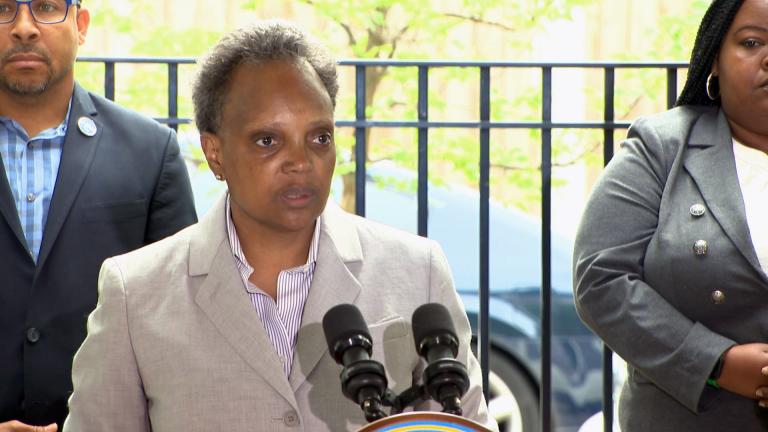
Hours after Mayor Lori Lightfoot blamed the shutdown of the Cook County court system by the COVID-19 pandemic for escalating violence across Chicago’s South and West sides, several aldermen told “Chicago Tonight” that rising inequality and distrust of the police is to blame.
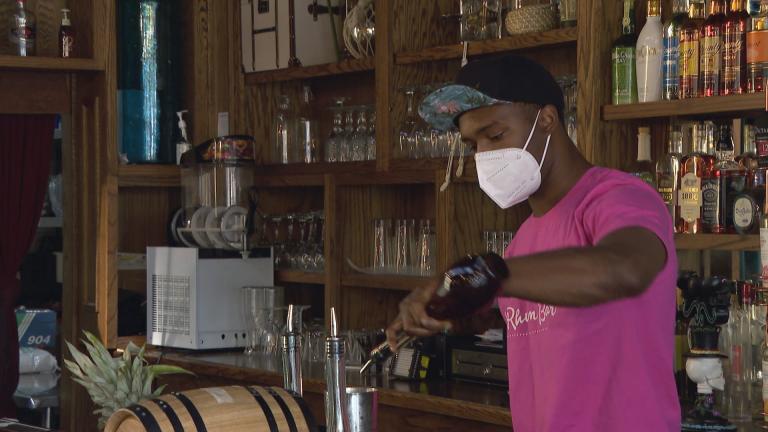
Mayor Lori Lightfoot suffered a stinging defeat Friday as aldermen refused to approve her efforts to reduce their control over business signs, an indication that aldermen will not relinquish their veto over ward issues.

An iconic roadway is renamed after a chaotic City Council meeting. Tornadoes rip through the western suburbs. The mayor says violence is trending down, but the numbers don’t add up. And former Minneapolis cop Derek Chauvin is sentenced.
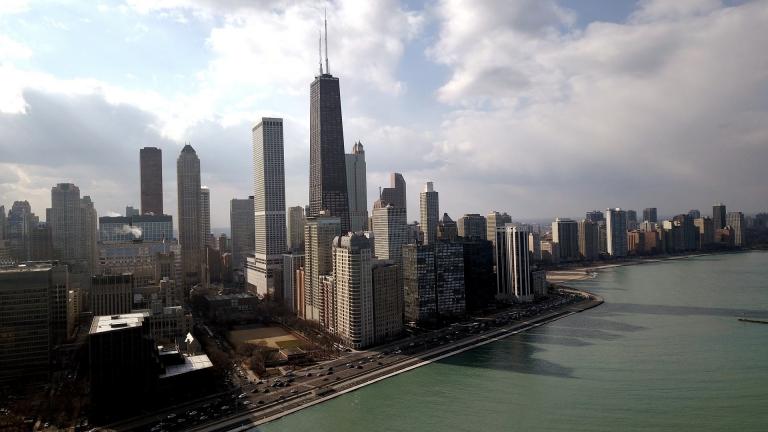
The vote Friday to change the name of the city’s most iconic roadway came after months of intense and raucous debate that included accusations of racism over how best to honor Jean Baptiste Point DuSable, Chicago’s first non-native settler.
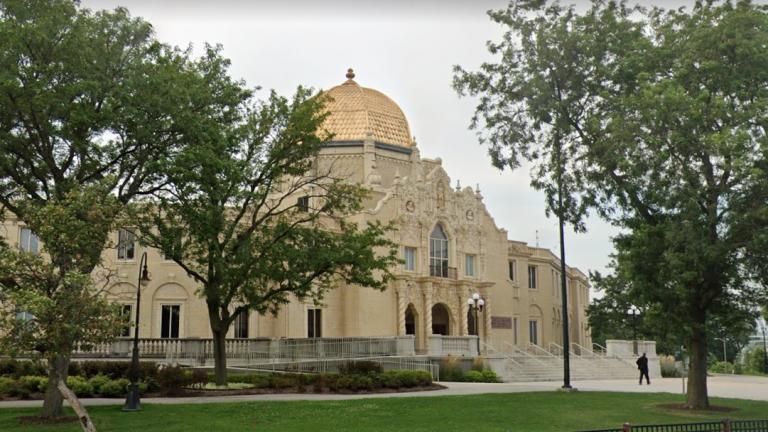
Garfield Park is set to receive an infusion of Tax Increment Financing dollars for various projects that will help restore some of the park’s historic features, while reimagining others.
Leaders of the group that launched the push to rename Lake Shore Drive say they will agree to a compromise plan to call the iconic roadway “DuSable Lake Shore Drive,” but Mayor Lightfoot has yet to endorse the proposal.
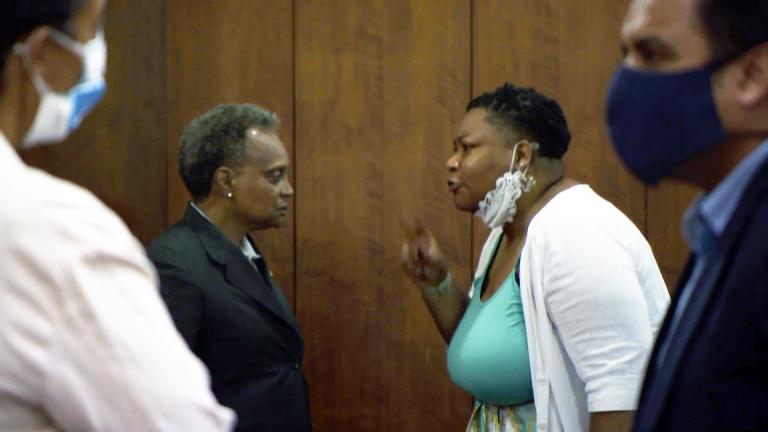
A vote to rename 17 miles of Lake Shore Drive for Jean Baptiste Point DuSable, Chicago’s first permanent non-Indigenous settler, was delayed again Wednesday after the Chicago City Council erupted in acrimony over Mayor Lori Lightfoot’s pick to serve as the city’s top attorney.
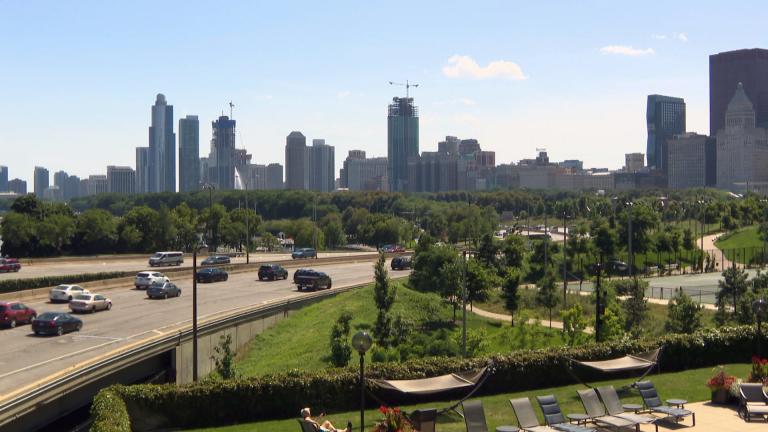
City Council members are expected to vote on a proposal to rename Lake Shore Drive after Chicago's first non-Indigenous settler, Jean Baptiste Point DuSable, after a parliamentary maneuver delayed the vote last month. We discussion that plan and other city business with four alderpeople.
The delay comes as city officials wait for U.S. Treasury Department officials to decide whether they will give Mayor Lori Lightfoot the green light to use $465 million in federal funds to pay off high-interest debt the city incurred to balance its 2020 and 2021 budgets.
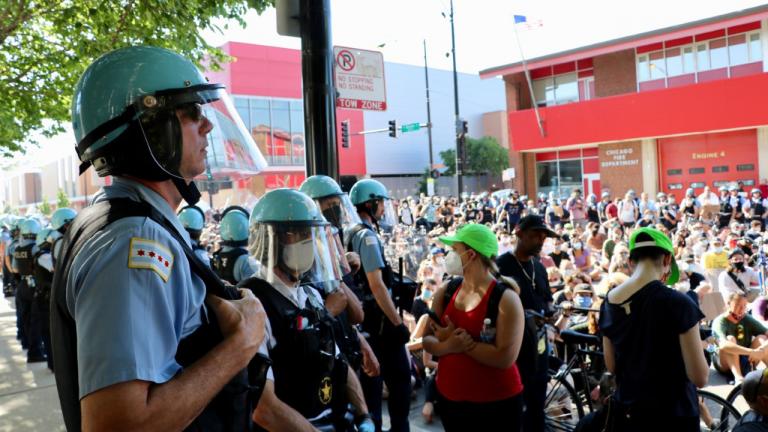
Mayor Lightfoot pushes for changes to the elected school board bill that already passed. City violence spikes again. Aldermen battle the mayor over liquor sales. And renaming Lake Shore Drive.
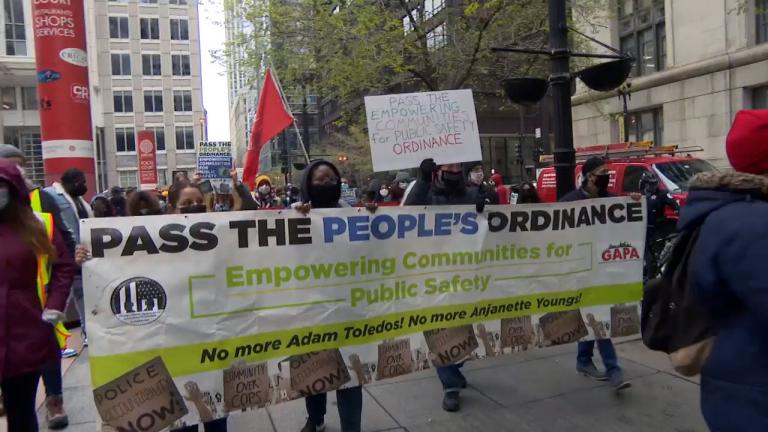
A long-stalled plan to put an elected board of Chicago residents in charge of the Chicago Police Department remains mired in limbo after a razor-thin vote Friday.
The measure, which would ban the sale of alcohol at stores after midnight, is part of a part of a massive package of initiatives Mayor Lori Lightfoot said was designed to help Chicago businesses recover from the COVID-19 pandemic.
Trending
A CTA Bus Driver Was Attacked on the Job. She Was Later Fired While on Leave
Cost to Resolve Lawsuits Tied to Disgraced Ex-CPD Detective Reynaldo Guevara Tops $473M, With 25 Lawsuits Pending

Pritzker, Bailey Square Off in Contentious Discussion Over Taxes, Trump and Bears

Top Cop Agrees to Fire Chicago Police Officer Who Repeatedly Used Racial Slurs: Records
After City Council Refused to Settle, Jury Rejects Lawsuit Filed by Family of Woman Killed by Driver Chased by CPD
Sign up for the WTTW News newsletter