

Aldermen
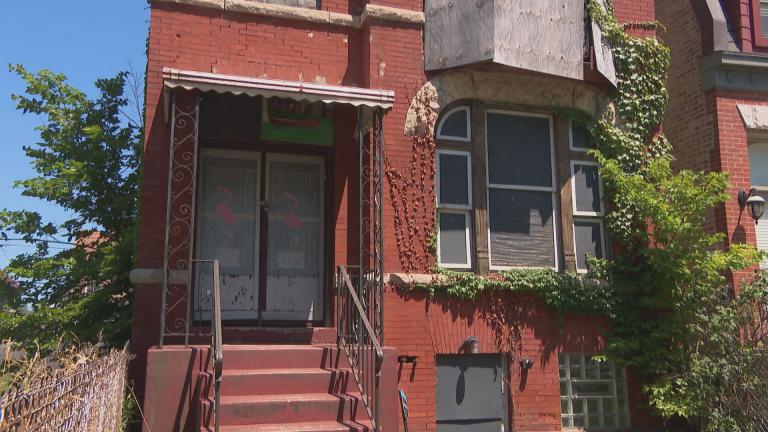
The landmark designation would preserve the legacy of African Americans in Chicago and ensure that future generations recognize Muddy Waters as the father of the blues, supporters said.
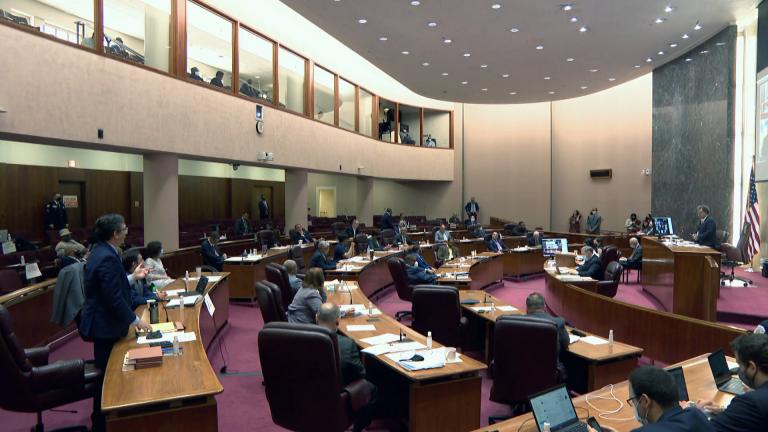
For 184 years, members of the Chicago City Council have been known as aldermen — even though its first female members were elected a half-century ago. That is set to change.
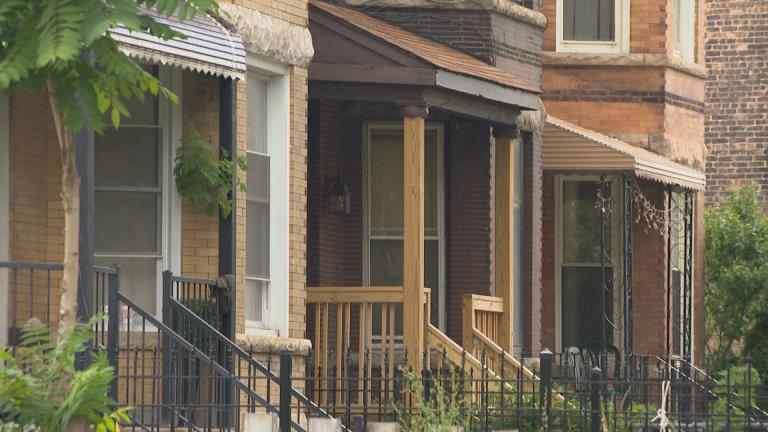
New rules for Chicago’s home-sharing industry are set to take effect Tuesday, including a ban on short-term rentals that last only one night, in an effort to block huge parties that have become a regular nuisance in some neighborhoods.

Changing the addresses of the four museums could cost the institutions a significant amount of money and complicate their efforts to recover from the COVID-19 pandemic, officials said.
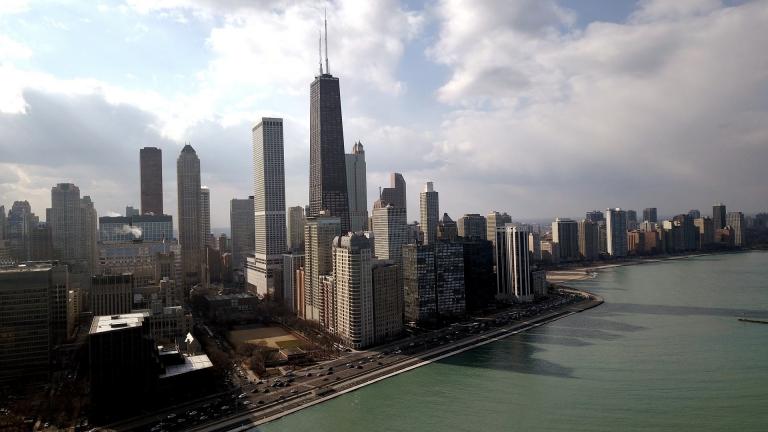

Opponents of a plan to rename 17 miles of Lake Shore Drive for Jean Baptiste Point DuSable, Chicago’s first permanent non-Indigenous settler, blocked a vote on the measure Wednesday, enraging supporters of the plan, who called the move racist.

Mayor Lori Lightfoot included the cap on fees as part of larger package designed to help Chicago businesses recover from the COVID-19 pandemic “quickly and holistically.”
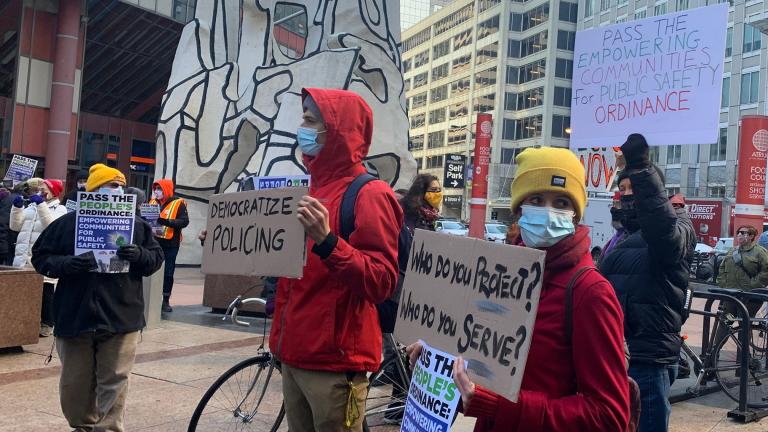
Police reform advocates and progressive aldermen blasted Mayor Lori Lightfoot’s plan to create a seven-member civilian board to oversee the Chicago Police Department, saying Tuesday that it would not help restore trust in the beleaguered department.
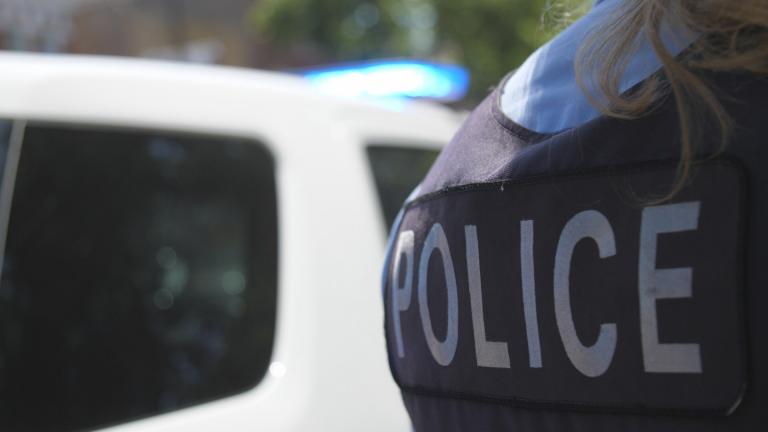
Both lawsuits claim police officers improperly arrested men for crimes they did not commit. The settlements are set for a final vote Wednesday by the full City Council.

The project is backed by Ald. Walter Burnett (27th Ward) and Ald. Brian Hopkins (2nd Ward), putting the massive development on track to win final approval at Wednesday’s City Council meeting.
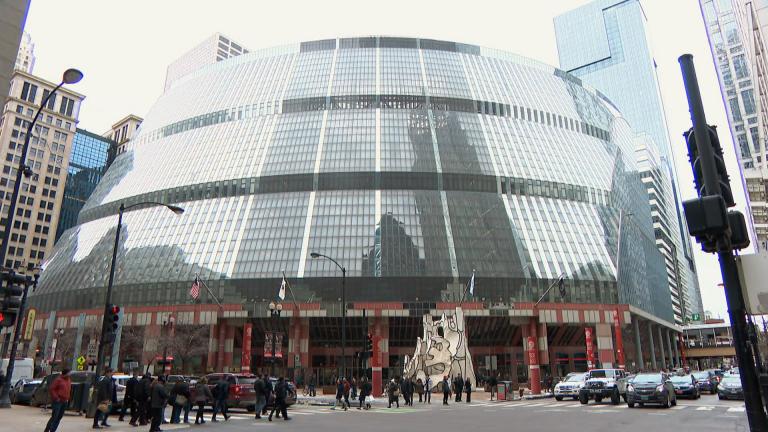
The measure unanimously advanced by aldermen Tuesday would pave the way for the sale of the much beloved and equally loathed James R. Thompson Center in the heart of the Loop.
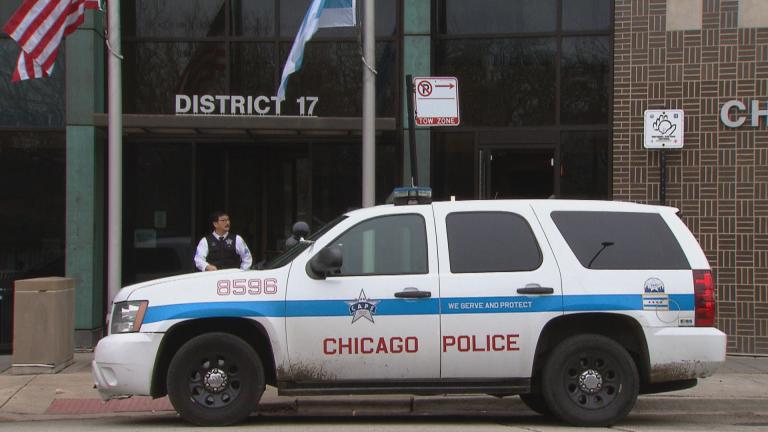
A joint session of the City Council’s Public Safety and Finance committees declined to advance the measure backed by Mayor Lori Lightfoot and blasted by Inspector General Joseph Ferguson and other transparency advocates as nothing more than “smoke and mirrors.”
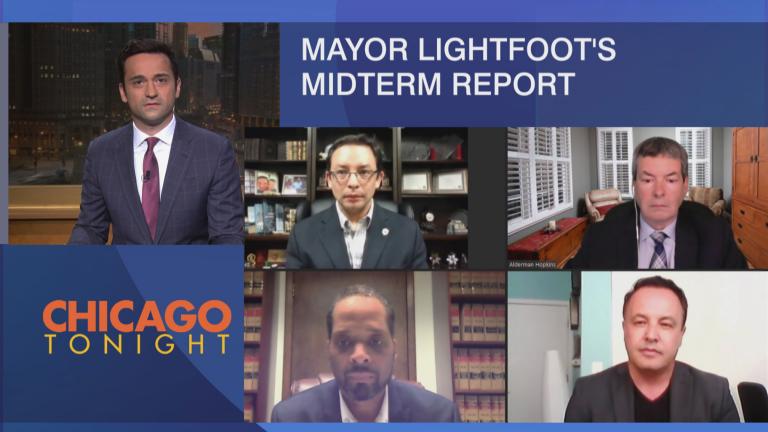
A trio of aldermen gave Mayor Lori Lightfoot poor marks for her accomplishments during her first two years in office, citing her record on crime and divisive governing style during an interview Thursday on “Chicago Tonight.”
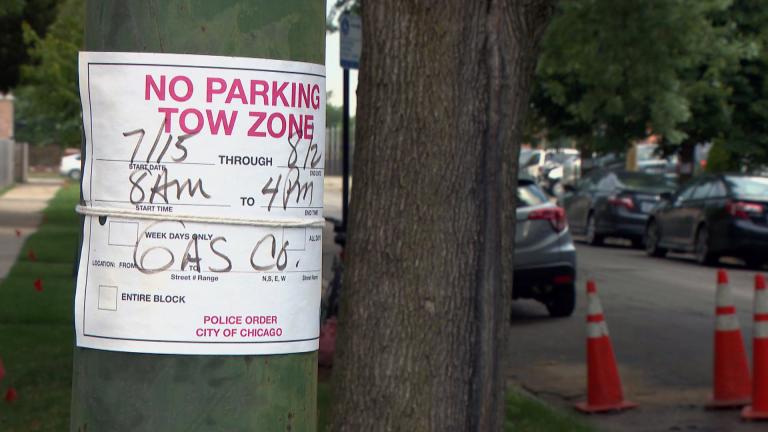
The measure would give the Department of Business Affairs and Consumer Protection the authority to license tow trucks in Chicago in an effort to crack down on the kind of operators immortalized in song by Steve Goodman as “Lincoln Park Pirates.”
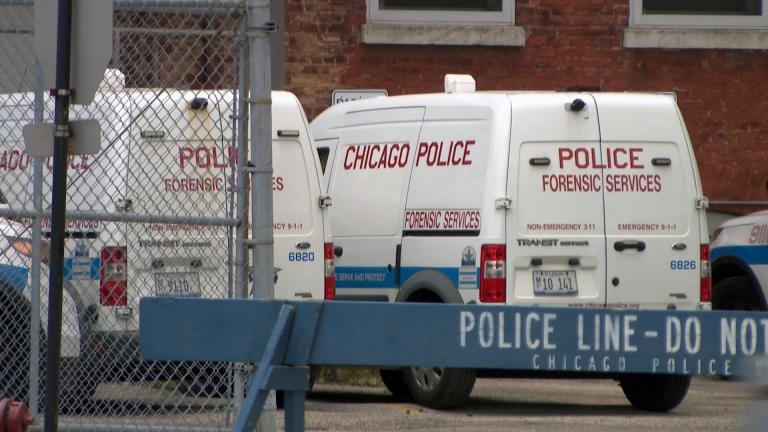
Independent journalist Jamie Kalven called the revised plan for the database “nothing more an exercise in smoke and mirrors.” The city's watchdog hammered the plan as “significantly smaller step, in scope and scale” than the one presented to aldermen in April.
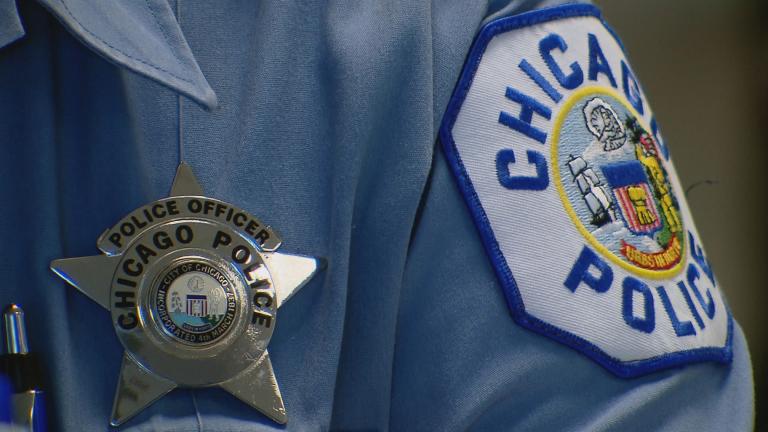
Aldermen and Mayor Lori Lightfoot have agreed to create a database of police misconduct files dating back to 2000, an effort championed by Inspector General Joseph Ferguson as a way to start restoring Chicagoans’ trust in officers, Ald. Scott Waguespack has told WTTW News.
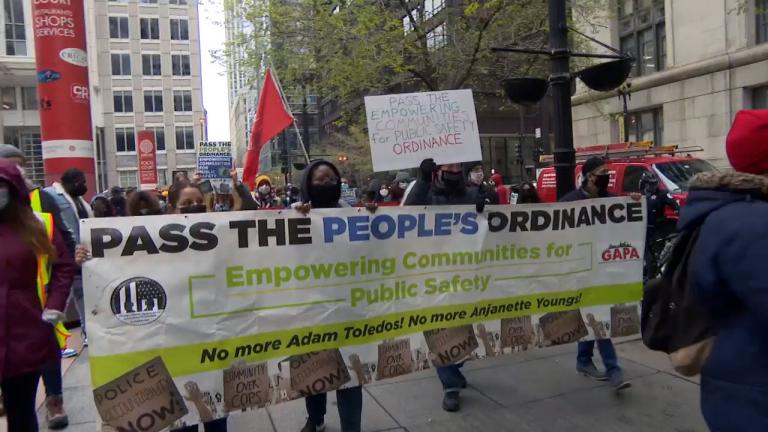
Typically, a substantive piece of legislation like the creation of an elected board to oversee the police department would be unlikely to pass without the support of the mayor — but the City Council may be poised to buck Mayor Lori Lightfoot.
Trending
2026 Chicago Festival Guide

CPD Sergeant Who Led Botched Raid at Home of Anjanette Young Now Working as a Suburban Police Detective

Woman Charged With Fatally Stabbing 7-Year-Old Girl Walking in Chicago Saturday

Key City Panel Unanimously Agrees to Pay $260.8M to Resolve 16 Lawsuits Tied to Disgraced Ex-CPD Detective Reynaldo Guevara
Marimar Martinez Hopes New Lawsuit Could Spur Criminal Charges 1 Year After Border Patrol Agent Shot Her

Sign up for the WTTW News newsletter