

Science & Nature
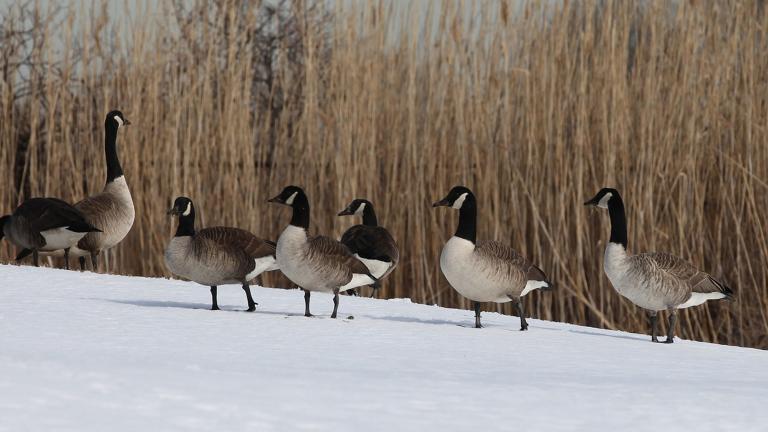

It’s open season for hunters of Canada geese, but the migrating birds have found a novel way to stay out of the firing line: wintering in the city. Rabiah Mayas joins us with that story and more from the world of science.

Over the past year, staff from Shedd Aquarium’s Animal Response Team have come to the aid of animals across the globe. Here’s an update on how some of them are doing.

Thanks to a new U.S. Department of Energy grant, UIC’s Energy Resources Center will promote and help install high-efficiency combined heat and power systems across the Midwest.

Public officials gathered Monday to celebrate the completion of stage one of the McCook Reservoir, which will offer 10 billion gallons of storage capacity to prevent flooding once complete in 2029.
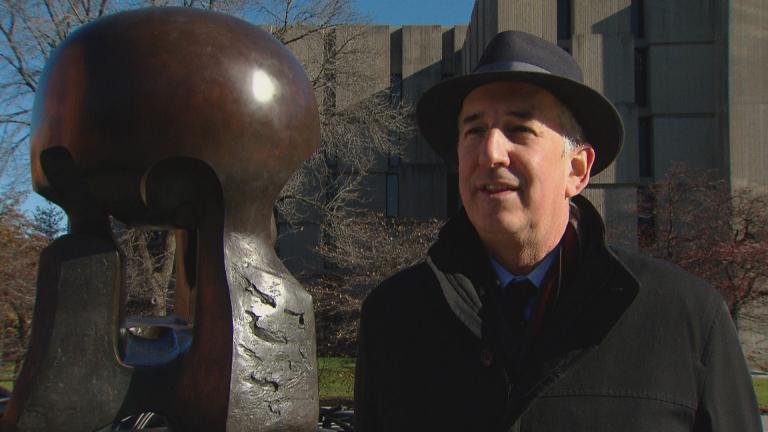
The nuclear age was triggered in Chicago 75 years ago this week. We remember that fateful day, the man behind it and the lingering implications.
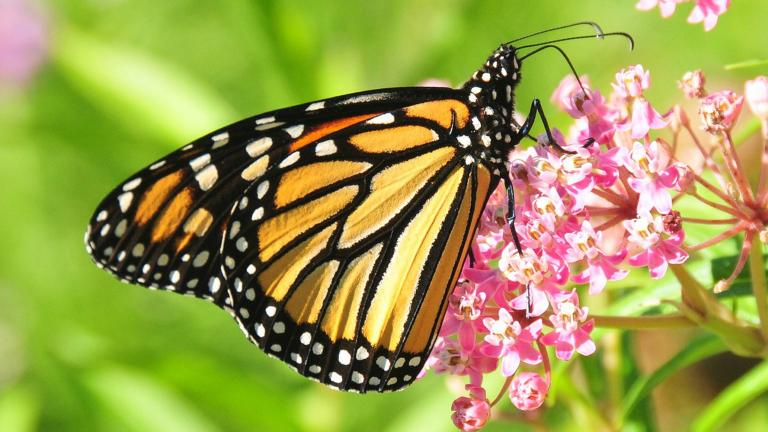
Conservation groups say the federal government needs to spend more to save monarchs, the beloved black-and-orange insects whose population has dropped in recent decades.
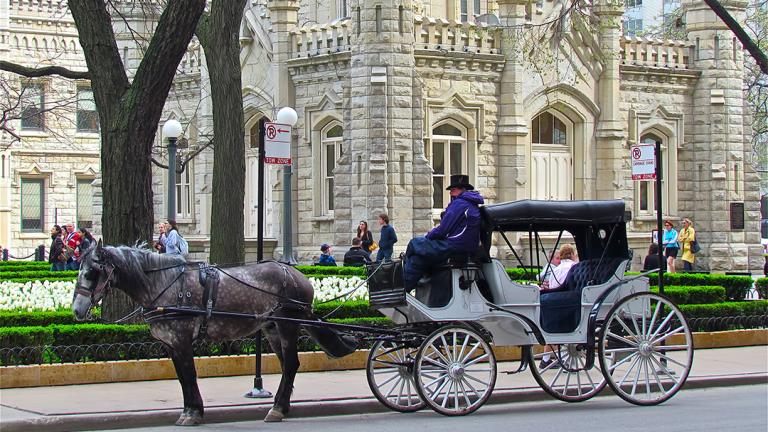
Horse-drawn carriage rides are popular with tourists, but animal welfare advocates say the practice is inhumane—and that Chicago’s three carriage companies are routinely breaking the rules.

The days when Americans fretted over an imminent U.S.-Soviet nuclear showdown might be over, but the consequences of a new nuclear age are still reverberating today.

A new mini power grid supplied by wind and solar helps the Illinois Institute of Technology meet its 21st century power needs.

A new $960,000 grant will improve 2.5 miles of streams for nearly 20 species of fish and create 10 acres of neighborhood green space in the Chicago-Calumet region.
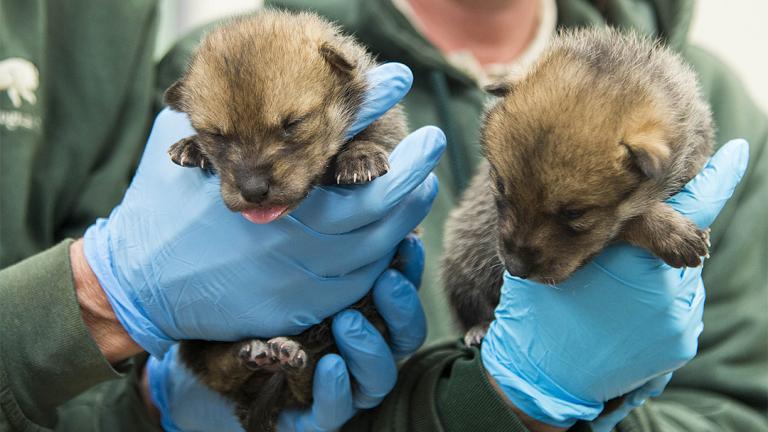
A Mexican wolf pup born this spring at Brookfield Zoo and released into the wild as part of a species recovery program was tracked down in New Mexico and is healthy, the zoo announced this week.
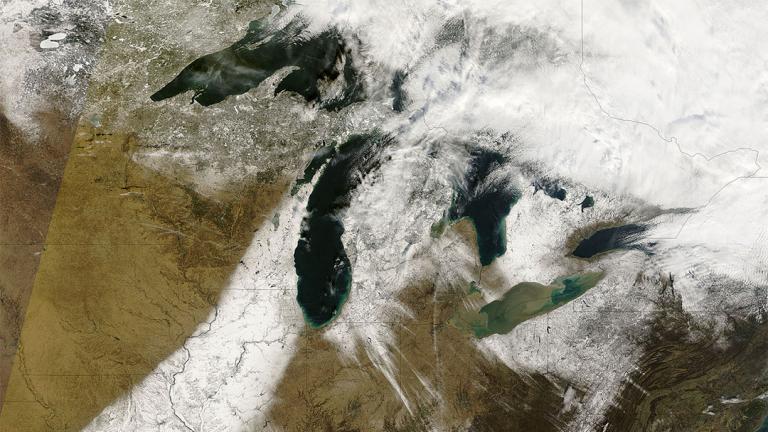
Lake Michigan is getting warmer, and eventually it will mean winters with less snow in Chicago. But don’t plan yet for winters free of the white stuff.
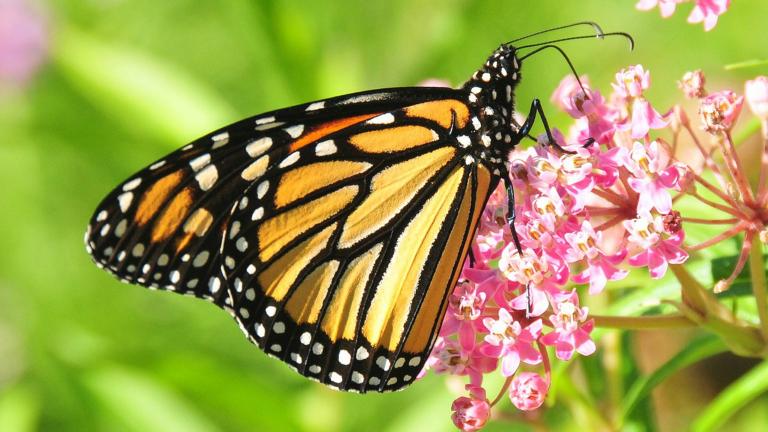
Monarch butterfly populations have dropped by more than 80 percent over the past two decades. A bill approved this week aims to boost the monarch’s recovery by protecting milkweed, a plant that serves as the butterfly’s only source of food.

The EPA likely won’t be able to determine the source of a late October oil spill in the Chicago River because the agency was notified about the spill two days after it occurred, the EPA said Tuesday.
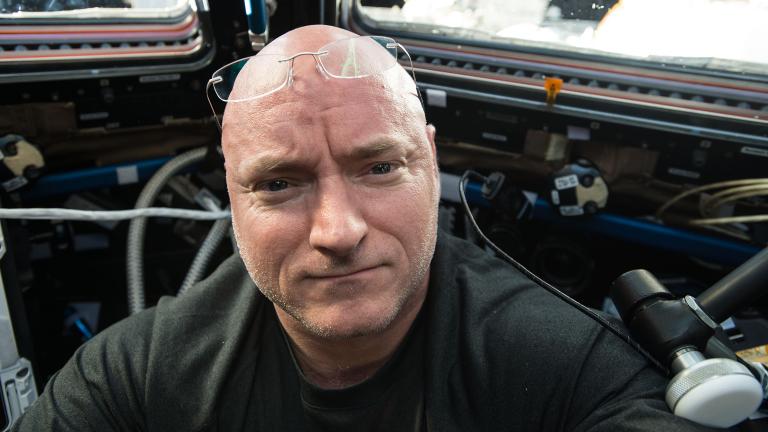
He holds the American record for most consecutive days in space. Retired astronaut Scott Kelly discusses the incredible mission described in his new book, “Endurance: A Year in Space, A Lifetime of Discovery.”
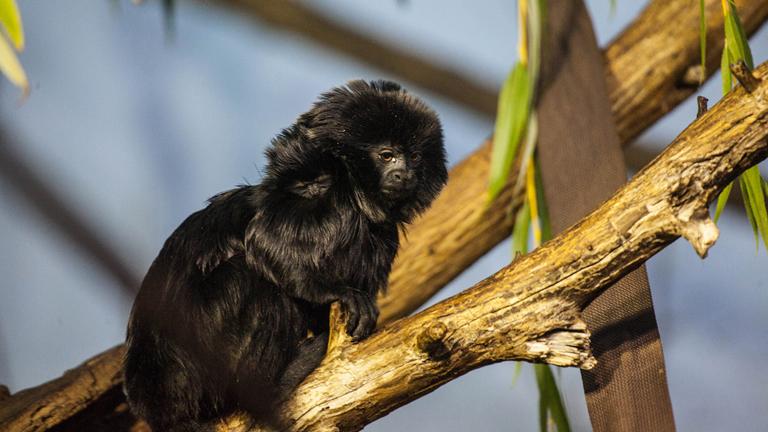
You’ll need to look closely to spot Lincoln Park Zoo’s new baby monkey. The infant, born Oct. 15 to first-time parents, is barely visible as it clings to its mother’s neck.
Trending
Obamas Celebrate Chicago Roots, Power of Community During Presidential Center’s Opening

Hear From the Architects Behind the Obama Presidential Center

What to Know About the History of Juneteenth and How It Became a Federal Holiday

Chicago Man Facing Hate Crime Charges After Cross Burning in Grant Park

Chicago’s Deputy Mayor for Community Safety on Teen Takeovers, Restorative Justice and the Value of Belonging

Sign up for the WTTW News newsletter