

Politics

For much of its seven-year existence, the Black Lives Matter movement has been seen by many Americans as a divisive, even radical force. Times have changed.

Young adults have filled streets across the country on a scale not seen since the 1960s to protest for racial justice after the death of George Floyd. But whether that energy translates to increased turnout in November is another question.


Amid a pandemic that has been linked to the deaths of more than 2,000 people in Chicago, the city is cautiously reopening. But some communities are facing another hurdle: rebuilding.

The final cost to hire 100 private security guards to patrol the South and West sides to protect businesses from a second weekend of looting and damage that never materialized was $400,000, Chicago officials said.

New statewide totals: 129,837 cases, 6,095 deaths
A group of Republican lawmakers are calling on Gov. J.B. Pritzker to lift additional restrictions aimed at curbing the spread of the coronavirus by Friday — weeks ahead of the timeline outlined in the governor’s reopening plan for Illinois.
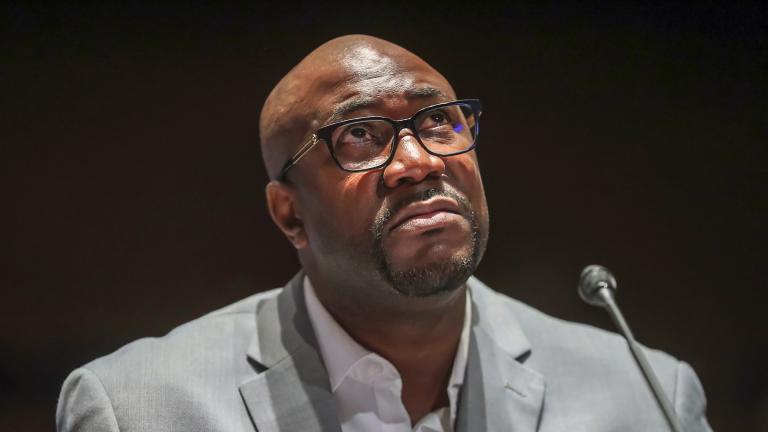
Philonise Floyd challenged Congress to “stop the pain” as lawmakers consider a sweeping law enforcement overhaul, so his brother George won’t be just “another name” on a growing list of black Americans killed during interactions with police.

While schools and nonessential businesses temporarily closed in March, hundreds of child care centers stayed open to care for the children of essential workers. The state is now dedicating millions of dollars toward their financial health.
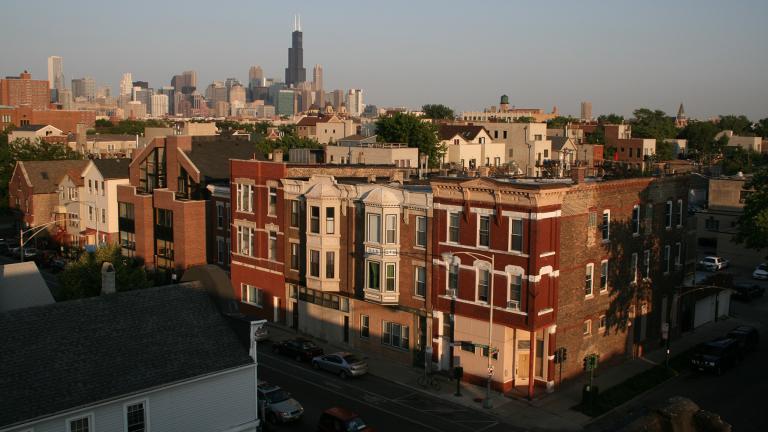
Aldermen on Wednesday endorsed Mayor Lori Lightfoot’s plan to use federal money to create a $20 million fund to offer grants to Chicagoans struggling to pay their rent and mortgages because of the pandemic.
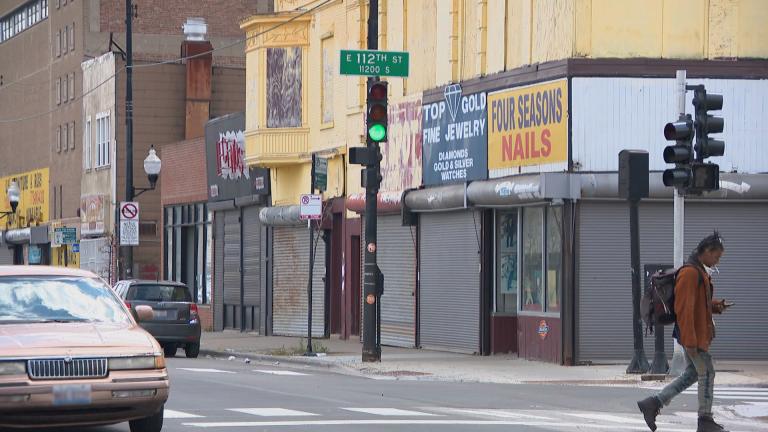
Chicagoans who did not get financial help from the federal government during the coronavirus pandemic can apply for $1,000 grants from the city, Mayor Lori Lightfoot announced Wednesday.
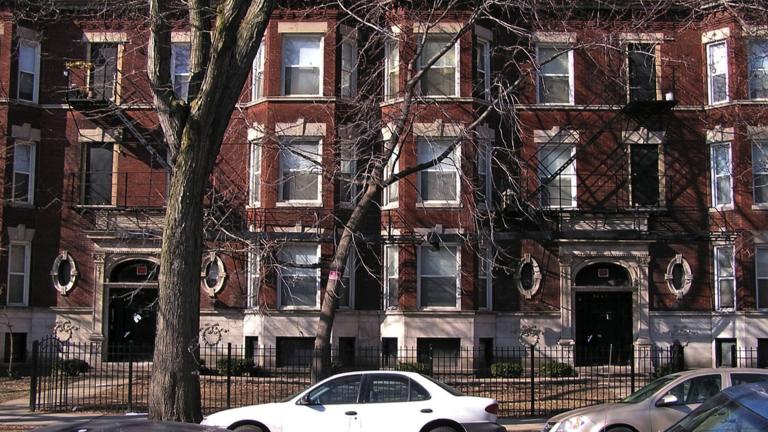
Mayor Lori Lightfoot will ask aldermen to approve an ordinance designed to minimize the number of evictions across the city as the coronavirus pandemic eases, officials said.
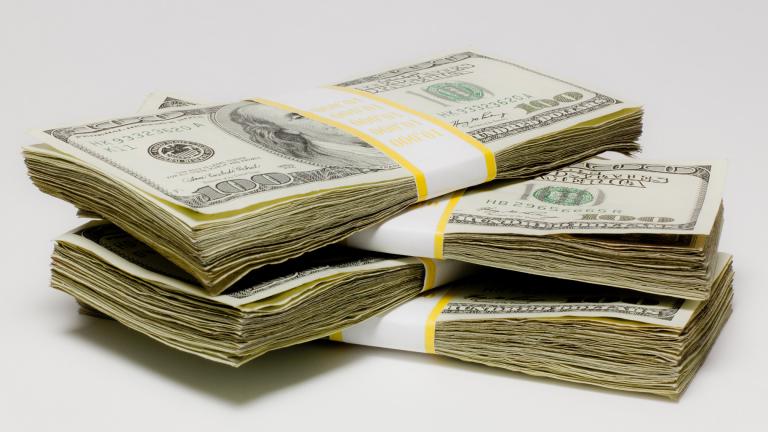
The dire financial picture for Chicago comes after Mayor Lori Lightfoot insisted through mid-April that the city was well-prepared to weather the economic storm whipped up by COVID-19.

New statewide totals: 128,415 cases, 5,924 deaths
Illinois officials are dipping their toes into the idea of allowing swimming as the state begins its second week in phase three of Gov. J.B. Pritzker’s reopening plan.

Chicago’s City Council is poised to toss a lifeline to the city’s struggling hospitality industry, but brewery owners say it would do nothing to help their taprooms survive.

Democrats are mounting a new effort to push back against a well-funded Republican campaign that seeks to undermine public confidence in mail-in voting, which President Trump has said will lead to election fraud.
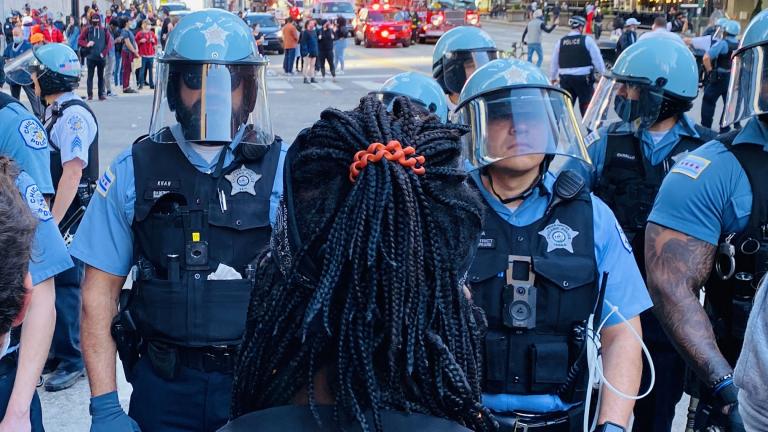
Black elected officials are demanding transformational change in the wake of George Floyd’s death and the attention it has brought to systemic racism — and they’re demanding the state provide money to back it up.

Chicagoans are once again free to roam the city at night. Mayor Lori Lightfoot has announced via social media that she was lifting her curfew order “effective immediately.”
Trending
Pritzker Says Chicago Bears Stadium Legislation Could Be Voted on in Fall Veto Session

11 of the Chicago Area’s Most Dazzling Holiday Light Shows

Trump Replaces Susie Wiles With Stephen Miller as Chief of Staff After GOP’s Midterm Defeat
Cook County’s Top Prosecutor Bars Vendor From Sharing Data With ICE

Pritzker Appeals FEMA’s Decision to Deny Illinois Disaster Aid
Sign up for the WTTW News newsletter