Politics
As Fall Migration Kicks Into High Gear, Campaign Revs Up to Pass Bird-Friendly Building Ordinance in Chicago
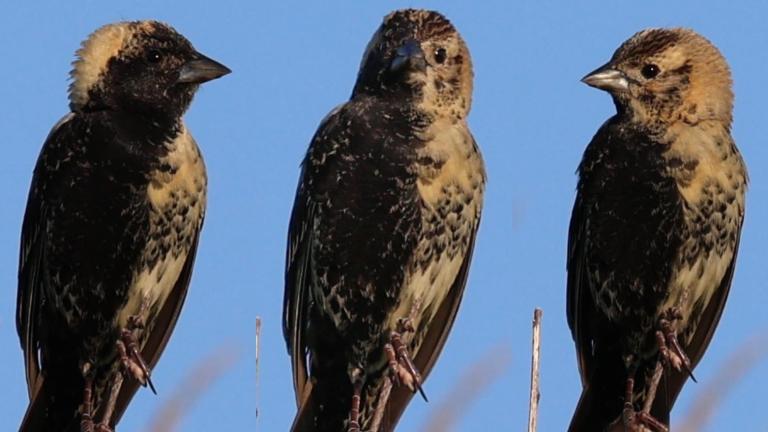
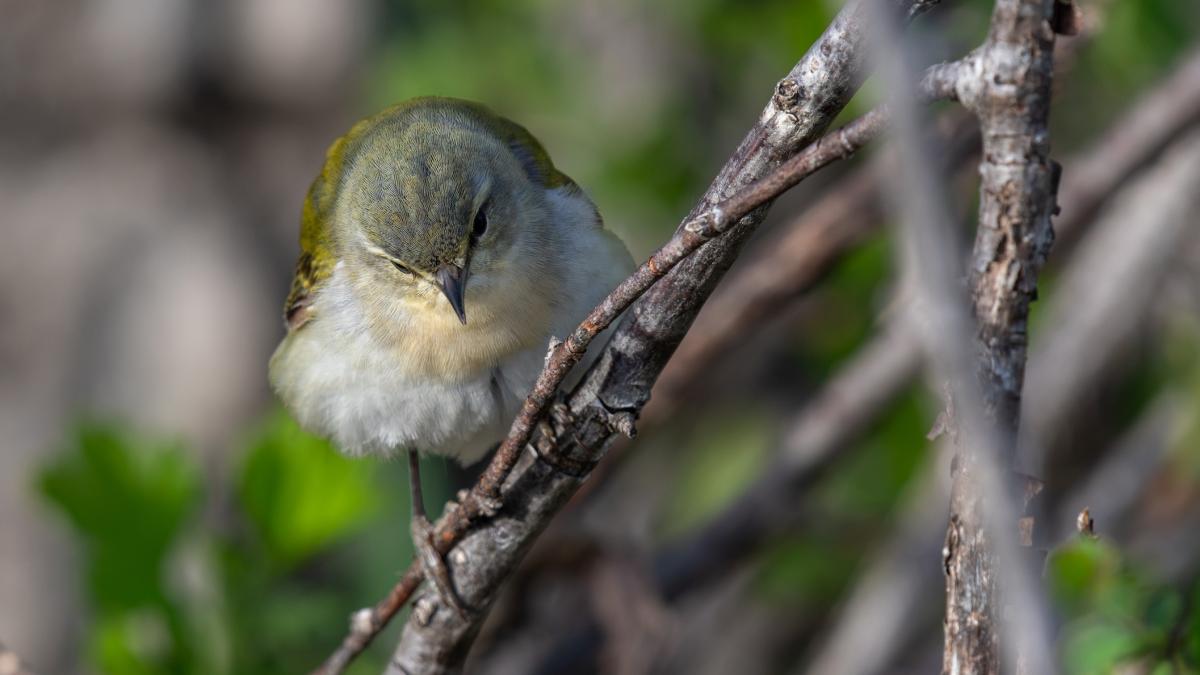 The Tennessee warbler is among the migratory bird species most often picked up by Chicago Bird Collision Monitors. (Janelle Streed / iStock)
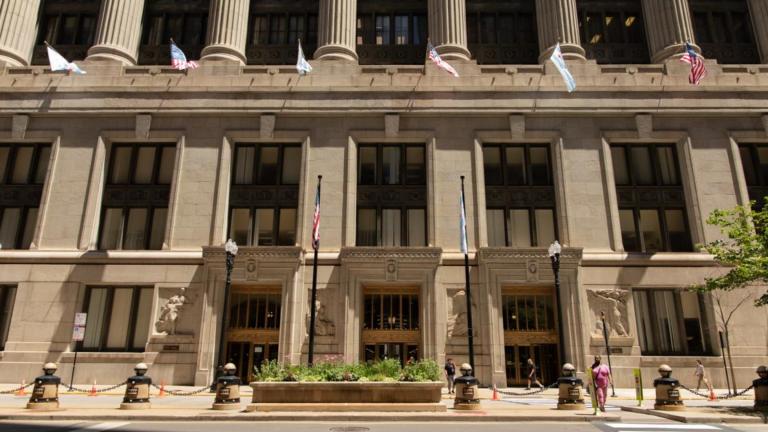
As many as 5 million birds have flown over Cook County on a single night this October as fall migration kicks into high gear. Most have passed through safely, but for some, a deadly collision with a Chicago building cut that journey short.
For the past two decades, during spring and fall migration seasons, volunteers with Chicago Bird Collision Monitors have patrolled downtown sidewalks in the early morning hours, rescuing injured birds and scooping up the dead for preservation at the Field Museum. It’s solitary work, but monitors are no longer operating in the shadows.
This fall, as part of a concerted effort to push a long-stalled bird-friendly building ordinance over the finish line, some monitors have shared the grim results of their daily rounds on social media.
It’s been a decade since a bird-friendly building ordinance was first introduced to Chicago City Council. That initial attempt at writing bird-friendly protections into the municipal code failed, though it did raise awareness of the dirty secret hiding behind Chicago’s glittering skyline — glass kills birds.
At the same time, advocates learned a lot about the legislative process during their inaugural foray into politics, and they’ve been putting that knowledge to use ever since a new bird-friendly ordinance was introduced earlier this year.
“There’s a lot of people working really hard on this right now,” said Robyn Detterline, advocacy chair with Chicago Ornithological Society. “We’re all super motivated and we’re all super passionate, and so it’s not going to be something that fizzles out anytime soon.”
In short, organizers have created a bigger tent and they’re being more strategic and systematic in their messaging.
Efforts have included letters to the editor published in the Chicago Tribune; social media posts targeting members of the City Council Zoning Committee, where the legislation is currently awaiting a hearing; and informational tabling at local farmers markets.
“We have more volunteers that are feeling a sense of ownership and feeling like they have the power to use their skills to help advance this cause,” Detterline said. “People are just feeling it’s time to do this, it’s time to share this, and I think the momentum is greater now that it’s moving beyond our core group.”
A “collisions coalition” includes the birding groups that have been involved with the issue from the get-go, but also now encompasses local conservation organizations and groups focused on sustainability.
“I feel like there’s a lot more partners beyond birding this time and of course that’s going to affect the success and the spread and the attack,” Detterline said.
Lincoln Park Zoo is among the institutions throwing its considerable weight behind passage of the proposed bird-friendly building ordinance, as part of the collisions coalition.
“We have a larger audience than some of these partners, and people who don’t necessarily identify as bird advocates but come to the zoo and fall in love with the lions,” said Alyssa Berman-Cutler, senior director of government affairs at the zoo. “We bring that exposure to nature and animals, and the empathy that brings, and then we have that opportunity to talk to (visitors) about the animals and the nature in their own backyard.”
In recent weeks, advocates from the Chicago Bird Alliance have joined zoo staff at tabling events in front of the lion habitat, which features panels of bird-safe glass.
They were “talking about why those (panels) are important, how those were created, how you can do something in your own home — so really taking that physical action — and also having a petition,” Berman-Cutler said.
Fall migration is the perfect time to bring the issue to the forefront, lending a sense of urgency to the cause, but it’s also unfortunately budgeting season, Berman-Cutler noted, and passing bird-friendly building legislation may not be considered a priority by alderpeople.
The role of the collisions coalition, she said, is to demonstrate the groundswell of support for the ordinance, and that the issue is indeed important to Chicagoans.
‘We’re Losing Birds’
Meanwhile, with every passing month, more buildings are being approved for construction without any safeguards for birds, and birds keep getting killed, Detterline said.
“It’s scary, just the fact that we’re losing birds, and there’s just this simple thing that we can do, and we’re not doing it,” Detterline said. “It brings up so many emotions.”
As advocates campaign for the ordinance’s passage, they’re also spreading the word about ways people can voluntarily make Chicago safer for birds.
Lincoln Park Zoo, for example, has an online guide full of actions people can take, including turning off lights during migration, moving plants away from windows, and adding stickers or decals to windows. There’s even a link to a printable window decal.
“The closer you are to the lake, I would say the bigger deal it is,” said Seth Magle, senior director of the zoo’s Urban Wildlife Institute. “That’s where we build our tallest skyscrapers with the most windows, that’s where architects get most excited to put up big panes of glass where people can see the lake, so it just creates this immediate conflict” with migrating birds.
Some are juveniles making their first journey, and plenty have never encountered urban environments before, Magle said. They see a plant in a window, lit up at night, and it looks like a place for them to refuel.
“The way a lot of animals think and perceive the environment is hard to wrap our heads around,” Magle said. “So we have to use science and data to see what’s happening, and what we see with birds is they’re smashing into windows all the time in huge numbers.”
Solutions don’t have to be permanent, Magle added, though that would be ideal. Temporary, reusable decals or even soaping windows — wiping windows with a soapy solution and not rinsing it off — during the peak of migration can potentially save birds’ lives.
“It doesn’t hurt for anybody” to take protective measures, Magle said. “No matter where you are, you can help birds.”
The zoo is working with architecture firms to figure out a better system of integrating science and best practices into the design process on the front end, when it could do the most good.
“Places will contact us to say, ‘What can we do to be bird safe?’ but they’re so far along in the planning process that there’s not much they can do,” Magel said. “It’s all locked in.”
Of course, that’s the point of the bird-friendly building ordinance, Detterline noted: Protections will be mandated, so they’ll be baked into plans from the outset.
And to be clear, she said, the collisions coalition isn’t against construction.
“We’re not anti-development, but we want the development to be sustainable,” Detterline said. “We also think people deserve to live in homes that don’t kill birds. Everyone deserves to have a home that’s safe for their families and for wildlife.”
So where does the ordinance currently stand?
It’s been sent to the Zoning Committee, where it needs to be heard and passed before moving on to the full City Council for consideration.
The next meeting of the Zoning Committee is scheduled for Tuesday.
“We don’t know exactly when it’s going to come up for a vote, which is why we just have to keep moving and assume it could be coming up for a vote the next time around,” Detterline said.
Contact Patty Wetli: [email protected]