Politics
Chicago Set to Launch New Dispatch System That Will Automatically Track How Long It Takes Officers to Respond to 911 Calls
 (WTTW News)
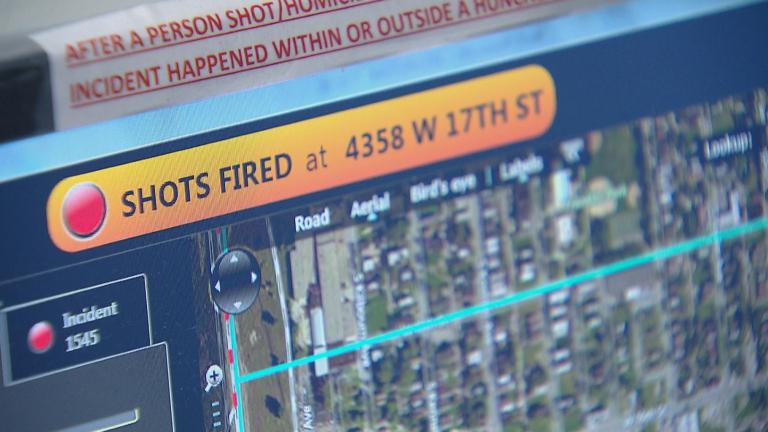
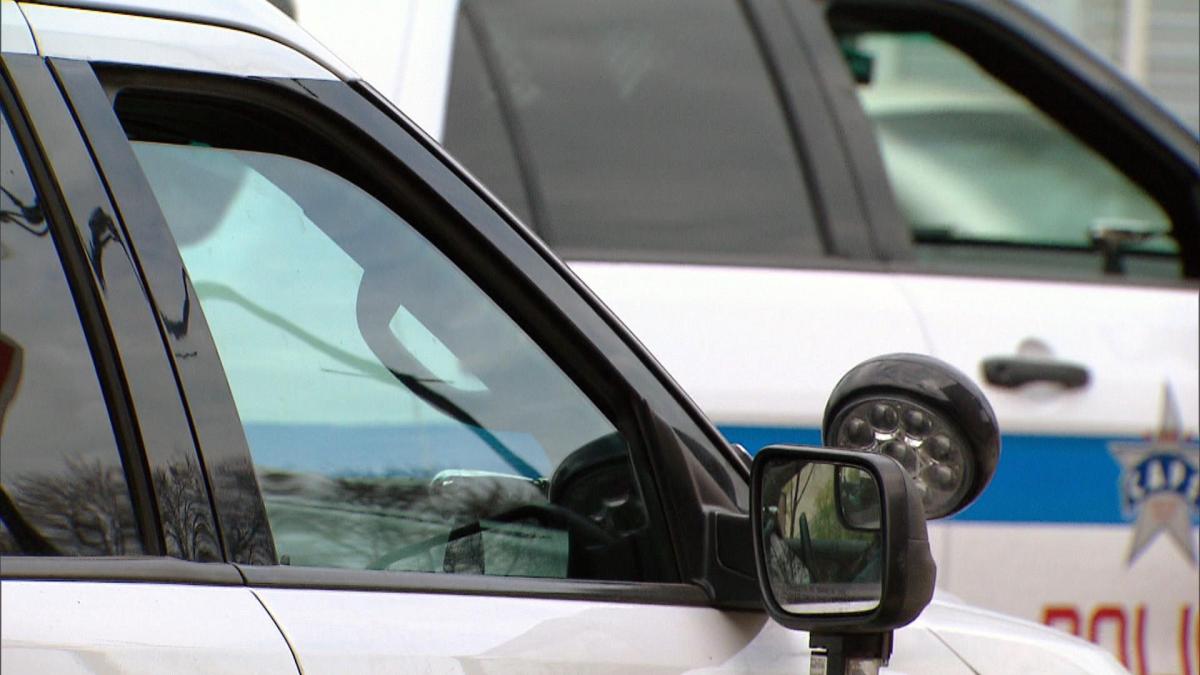
Chicago officials are poised to launch a new computer-aided 911 dispatch system that will automatically track when officers respond to an emergency call for help, officials told WTTW News.
After signing a $75 million contract with CentralSquare Technologies in 2019 for a new computer-aided dispatch system, Chicago officials have been phasing out the city’s 30-year-old system since September. The new system will be fully deployed starting on Dec. 7, the mayor’s office told members of the Chicago City Council and city employees Friday.
City officials were peppered with questions from alderpeople during budget hearings earlier this month about whether the system was prepared to handle the thousands of calls for help Chicago’s 911 system gets every day. The system was first scheduled to roll out in 2023, but was delayed more than three years by the COVID-19 pandemic, records show.
The new dispatch system has undergone significant testing to ensure it is ready to be fully implemented, said Dan Casey, the managing deputy director of information technology for the Office of Public Safety Administration. It is now operating alongside the old system to allow dispatchers to get the hang of the new system before the old one is turned off, he added.
“We have gone through a lot of testing, and testing again,” Casey said. “It has been a long process.”
Annually, Chicago police officers respond to more than 1.3 million calls for help dispatched by the city’s Office of Emergency Management and Communications, known as OEMC, or an average of more than 3,500 dispatched calls per day, with more calls coming in during the summer months, according to data compiled by Chicago’s Office of the Inspector General.
Officials have promised the new system will cut response times by 33 seconds and allow police officers, firefighters and 911 dispatchers to access the same information immediately in the same system.
It takes officers, on average, 11 minutes to respond to 911 calls, with it taking officers nine minutes to respond to high-priority calls for help, city records show.
The new “computer-aided” dispatch system will also automatically record when officers arrive at the location of a 911 call, Casey said.
Department policy requires officers to record the time at three points during every response: when they acknowledge that they have been dispatched, when they are on their way to the location of the incident and when they arrive, records show.
Officers only recorded their arrival to the location of a 911 call half of the time between 2017 and 2021, according to a 2023 audit from former Inspector General Deborah Witzburg.
That made it impossible for the inspector general’s office to “assess whether city services are provided equitably or efficiently—and we can’t improve what we can’t measure,” Witzburg said in a statement at the time the audit was released.
A follow-up audit released in July found that officers recorded their arrival at the scene of a 911 call nearly 60% of the time in 2025, a record high.
The federal court order known as the consent decree requires CPD to respond just as fast to calls for help from all parts of the city to ensure that those who live on the South and West sides, home to a majority of Black and Latino residents, do not wait longer than those who live downtown or on the North and Northwest sides.
“We’re excited and confident that this is the answer” to the problem of getting accurate information about 911 response times, said Emmanuel Andre, the deputy mayor for community safety and Mayor Brandon Johnson’s top public safety aide.
The new dispatch system’s ability to automatically record when officers arrive on scene will allow them to “show up and focus on the crisis on hand,” Andre said.
The system will also allow dispatchers and supervisors to see where each officer is when an emergency call for help comes in, making sure they dispatch the closest officers best equipped to respond to the emergency, Andre said.
“This will have a profound impact on CPD’s operations,” Andre said.
In November 2021, the city settled a lawsuit brought in 2011 by the Central Austin Neighborhood Association that alleged officers simply failed to respond to calls for help about shootings, drug dealing and thefts on the West and South sides, by agreeing to publish data on 911 response times.
The new dispatch system will pinpoint the location of every call for help, and after a dispatcher verifies that information, it will create a virtual boundary around the location, Casey said. When the dispatched police vehicle enters that area, the system will automatically record their arrival, he added.
“That will improve transparency,” Casey said.
WTTW News coverage of policing and police reform is supported by The Joyce Foundation.
Contact Heather Cherone: @HeatherCherone | (773) 569-1863 | [email protected]