Science & Nature
It’s a Chick Fest in Waukegan! 6 Piping Plover Hatchlings Are on the Beach After Release of Captive-Reared Trio
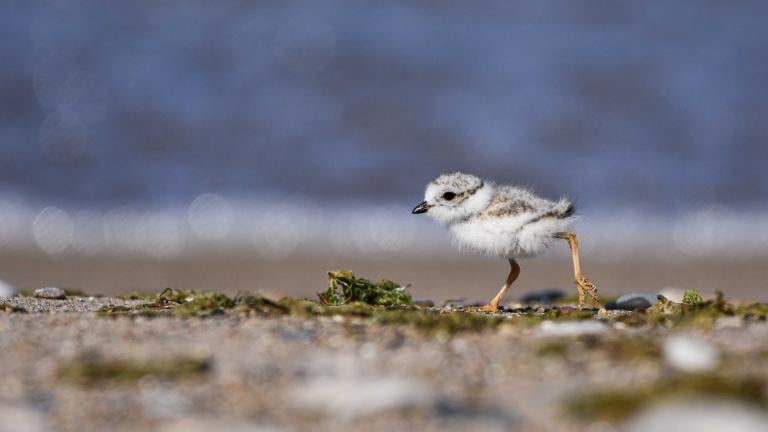
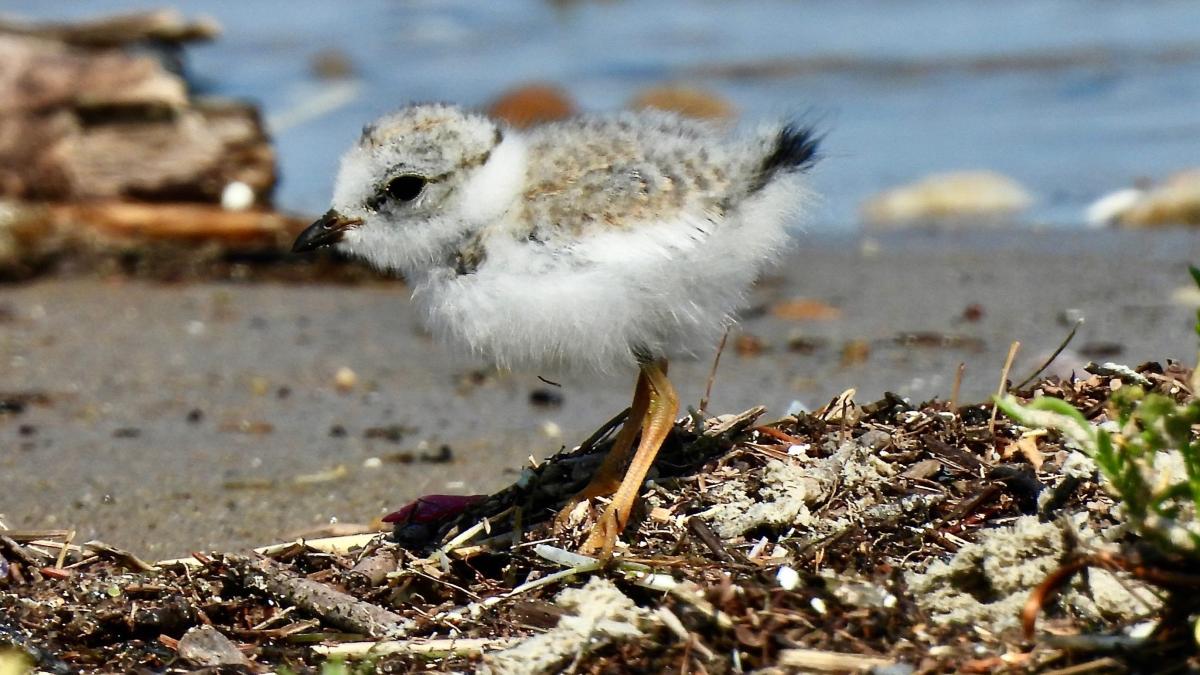 A piping plover chick explores the shoreline of its protected beach where it hatched in mid-July 2026. (Courtesy of Carolyn Lueck)
There’s been a twist to the piping plover situation in Waukegan, and it has all the makings of a classic sitcom: Three infants unexpectedly turn up on the doorstep of an already-frazzled single dad of triplets. Hijinks ensue!
But this real-world scenario isn’t being played for laughs. It’s evidence of the growing success of efforts to recover the endangered population of Great Lakes piping plovers, which this year notched a record-setting number of fledged chicks.
The three chicks that hatched in Waukegan in mid-July are aiming to become part of that 2026 cohort once they’re capable of sustained flight and considered fledged. They’re the offspring of papa Pepper and mom Blaze, who laid a heroic second clutch of eggs after her first nest, with a different mate, was washed out during a storm. (Those eggs were rescued and captive-reared in Michigan.)
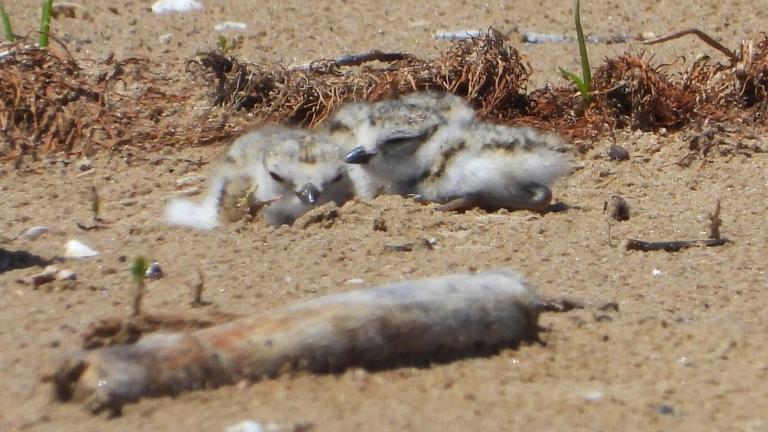
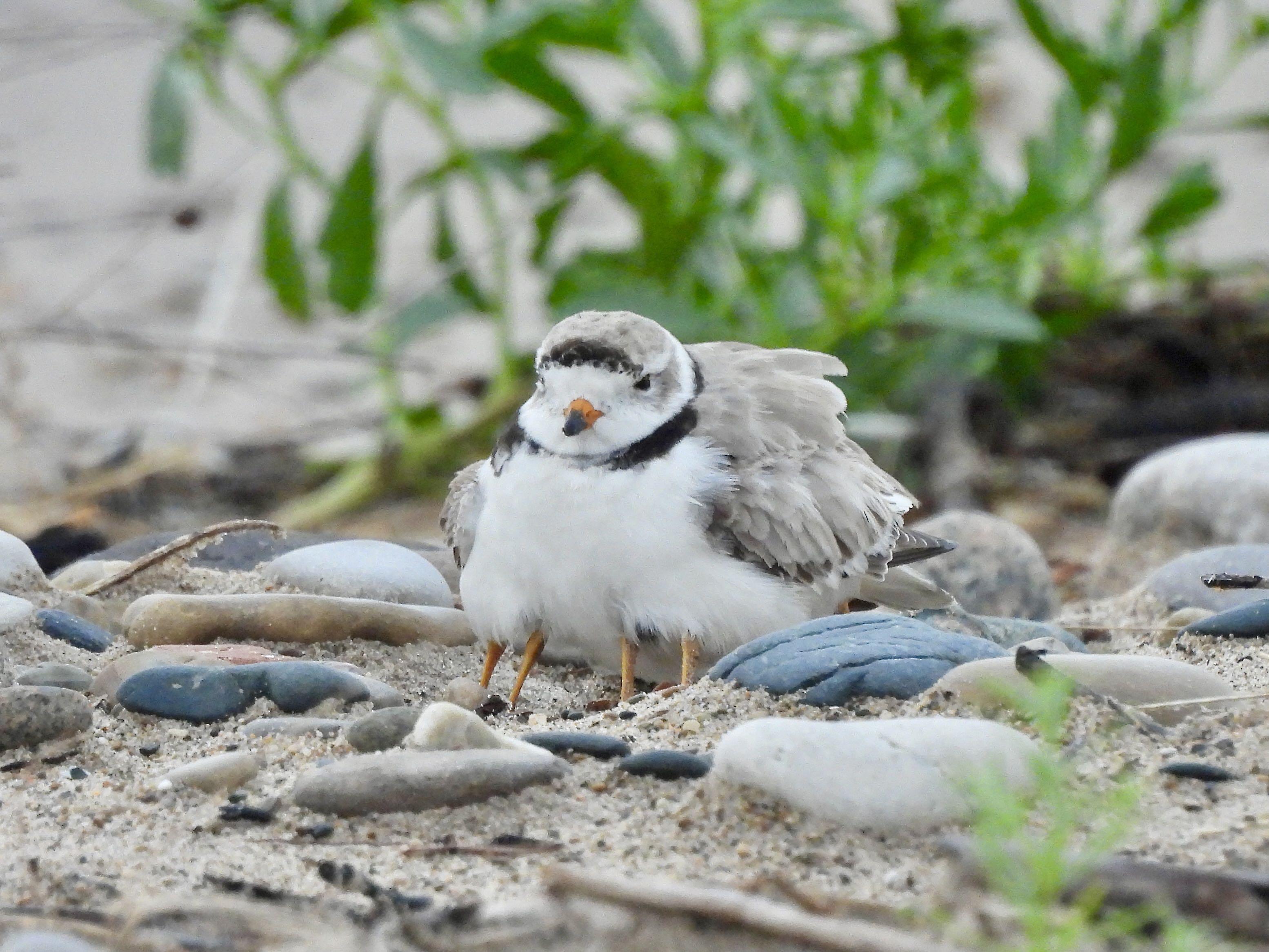 Devoted papa Pepper shelters his three chicks during a storm in summer 2026. (Courtesy of Carolyn Lueck)
Blaze has since moved on to her wintering grounds and some well-deserved me-time while Pepper stayed behind to tend to the chicks. On Tuesday, the youngsters received their unique ID leg bands and names:
— Dune, for the coastal sand dunes where the chick was hatched and raised.
— Pebbles, for the smooth, colorful stones found along the Lake Michigan shoreline.
— Drifter, short for driftwood. Volunteer monitors say this plover has been particularly adventurous, wandering away from its family to explore on its own.
The very same afternoon, the trio was joined by three captive-reared chicks that were released on the beach. The newcomers had been cared for by staff at the University of Michigan Biological Station after their mother disappeared from their nest in the Upper Peninsula.
“Seeing Dune, Pebbles and Drifter reach the banding milestone was already an emotional moment for all of us,” said Carolyn Lueck, president of Lake County Audubon Society. “Then we had the opportunity to welcome three captive-reared chicks from Michigan and watch them take their first steps into the wild here in Waukegan. To have both of those moments happen within an hour of each other was truly extraordinary.”
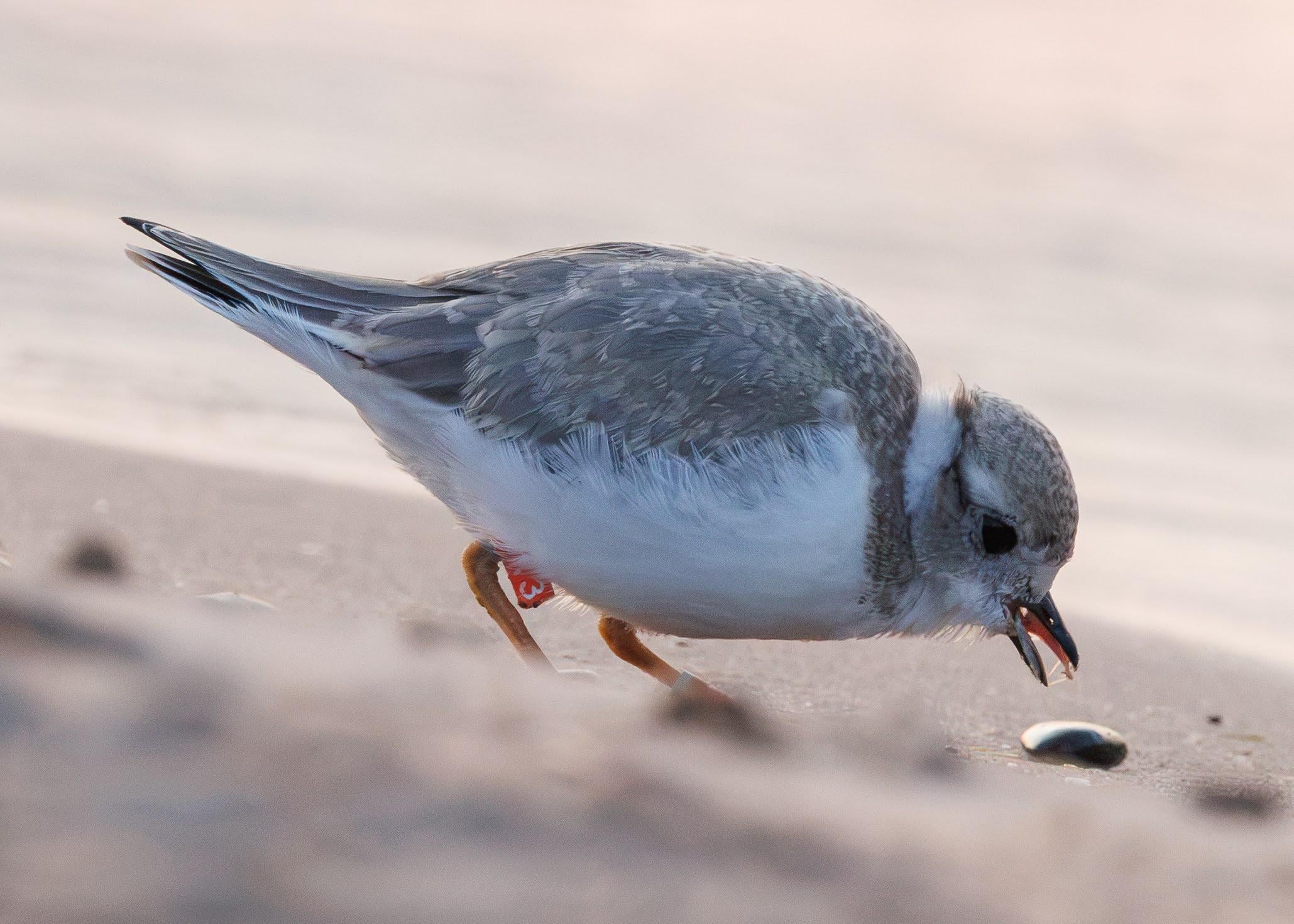 Amaura is one of three captive-reared plover chicks released in Waukegan on Aug. 4, 2026. (Courtesy of Nat Carmichael)
This second threesome has also been banded and named, and researchers also know their sex, based on DNA information collected from their eggshells, a process that isn’t possible with chicks born in the wild.
Meet Amaura and Anorith, both females, and Archen, a male.
If those names ring a bell, that’s because they’re Pokémon.
Amaura is an ancient dinosaur-like Pokémon that went extinct but has been revived. Anorith was similarly revived from a prehistoric fossil, while Archen is considered the ancestor to bird Pokémon (think Archaeopteryx).
“The names offer a fun and unexpected connection between popular culture and the natural world,” according to Lake County Audubon Society.
But the releasing of captive-reared birds throughout the piping plover’s Great Lakes range is serious business. It disperses birds and their genes across the landscape, ultimately helping to grow a more resilient population.
The program has played a significant role in Waukegan and Chicago. Sea Rocket, the current matriarch of Chicago’s plover family, was captive-reared and released at Montrose Beach in 2023. She’s since returned to mate with and raise chicks with wild-born Imani three years running.
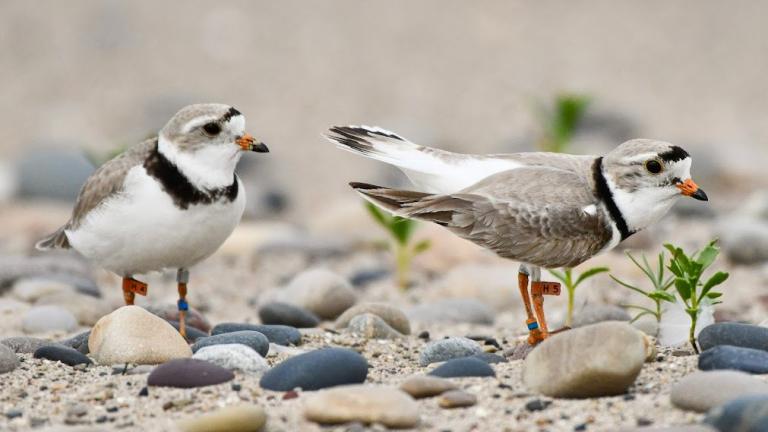
Both Blaze and Pepper were captive-reared and released at a Waukegan protected beach in 2023. The hope is that some if not all of this year’s captive-reared plovers will similarly return to their release site.
“Every time we think we know where the story is going, something unexpected happens,” Lueck said. “Four eggs survived a storm that completely washed away their nest. Blaze nested again, and now we’re watching three chicks getting ready to fly. There have been some heartbreaking moments, but there have also been some pretty incredible ones.”
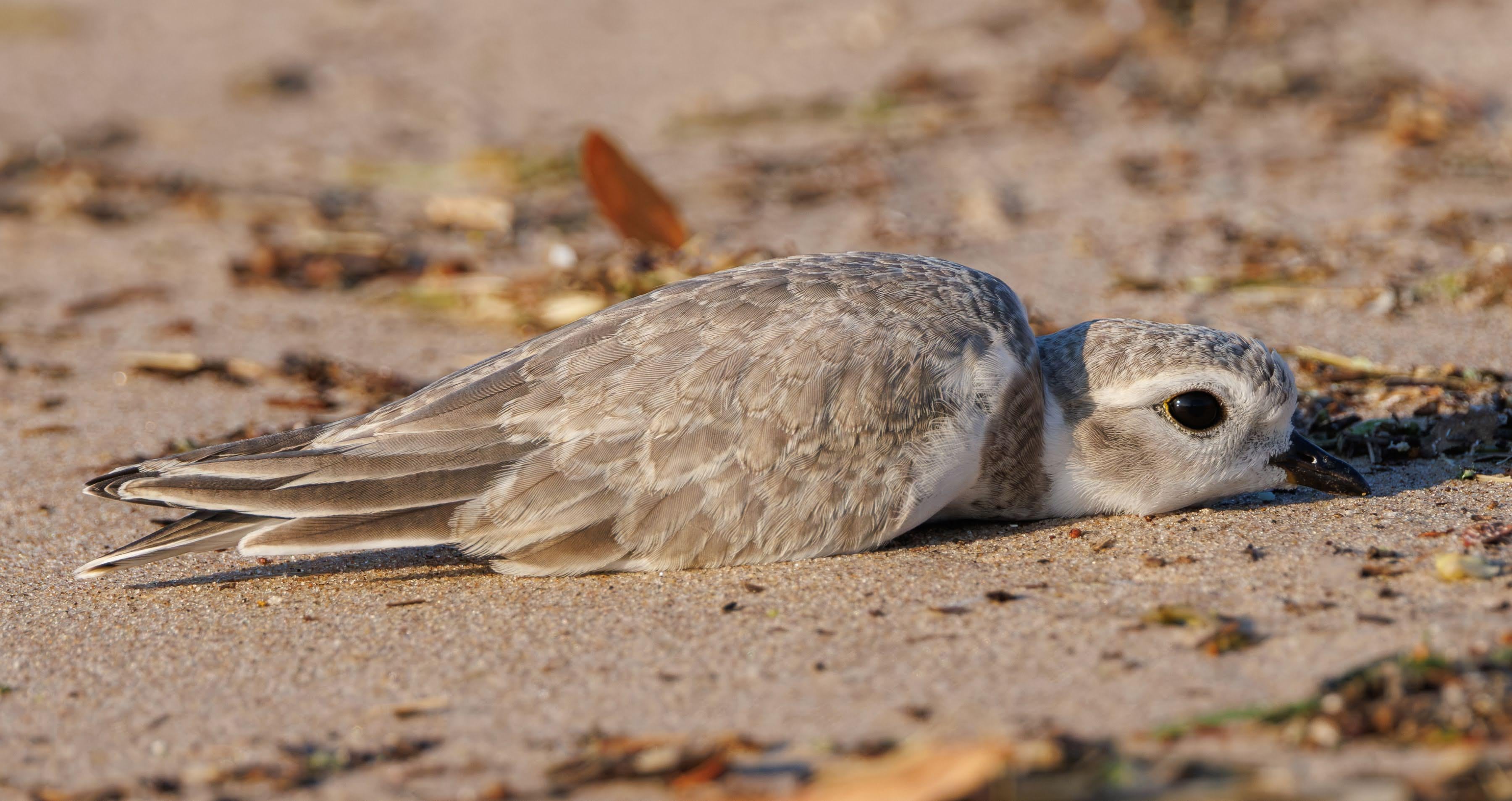 Learning to fly is exhausting. Buddy, a plover chick that hatched at Chicago’s Montrose Beach, has been hanging out at Waukegan before making its first migration south. (Courtesy of Nat Carmichael)
Contact Patty Wetli: [email protected]