

seth magle
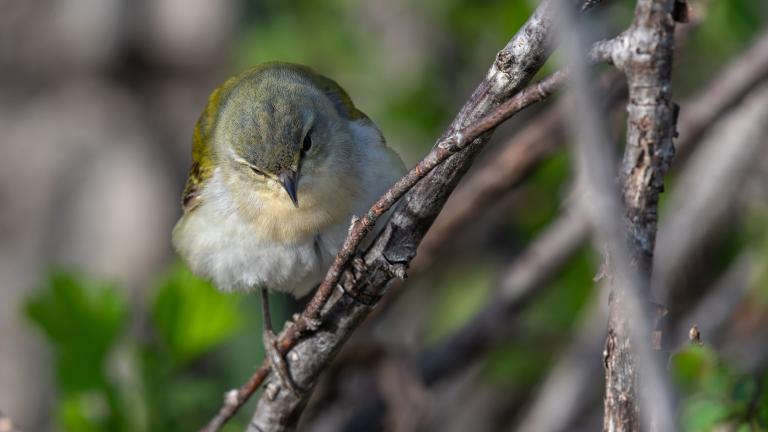
“We’re all super motivated and we’re all super passionate, and so it’s not going to be something that fizzles out anytime soon,” said Robyn Detterline, advocacy chair with Chicago Ornithological Society.

A Chilean flamingo died Jan. 8 and a harbor seal died Jan. 9, with testing confirming highly pathogenic avian influenza (HPAI) as the cause, Lincoln Park Zoo officials said.


While the flu poses minimal immediate risk to humans, experts warn that the virus’ rapid spread among birds and mammals could increase the likelihood of mutations, potentially creating a strain more transmissible to humans.
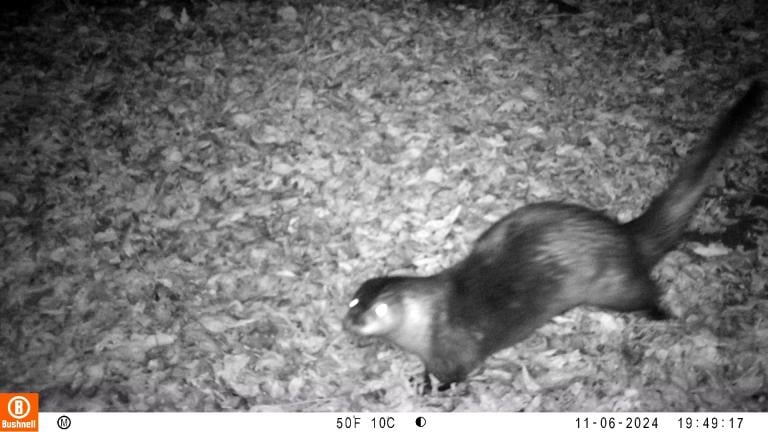
After more than a few false IDs and several tantalizing random hints of an otter-like shoulder or tail, one of the zoo’s cameras finally clicked at the right moment and, for the first time in nearly 15 years, caught an otter in full view.
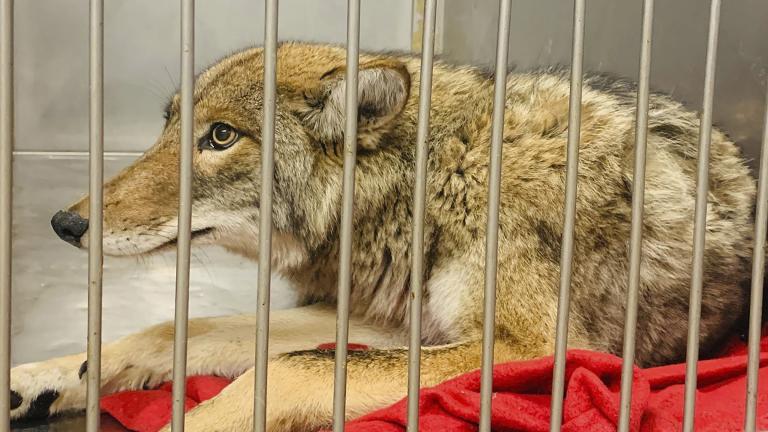
DNA tests to determine if a coyote captured on Chicago’s North Side is the same animal that attacked a 6-year-old boy will take weeks to complete, a city animal control official said Friday.

The city is on high alert after two coyote attacks Wednesday, but a wildlife expert says such incidents are very rare. “I don’t think people need to be panicked or alarmed,” said Seth Magle, director of the Urban Wildlife Institute at Lincoln Park Zoo.

Since 2010, the zoo’s Urban Wildlife Institute has used motion-detecting cameras and acoustic monitoring equipment to record and document animals roaming through the city.

A viewer's video, shared with "Chicago Tonight," shows his encounter with a coyote in Columbus Park while walking his two dogs. Coyote mating season has begun, which means the urban animals may behave aggressively.
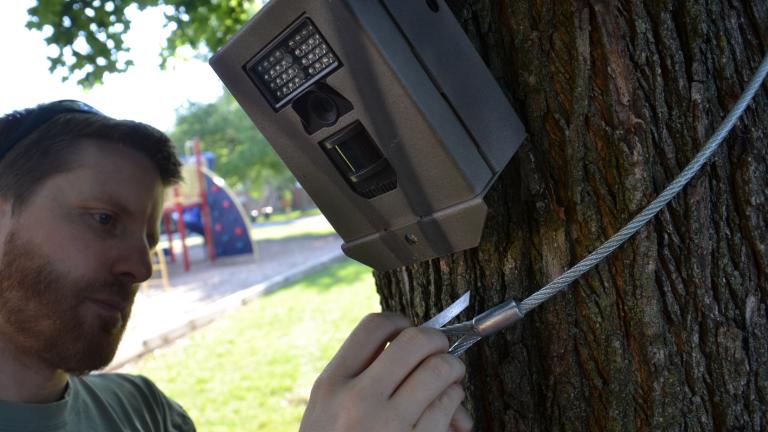
A group of local science researchers want your help on a truly wild project. Learn about Chicago Wildlife Watch, and how you can help them better understand the urban ecosystem of Chicago.
Trending
Mother-Son Reunions Among Latest Milestones for Shedd’s Rescued Belugas

Republican Ohio Gov. Mike DeWine Denounces Ramaswamy Ad Featuring Democrat Amy Acton’s Estranged Mother

Chicago to Test New Gunshot Detection System in 6 South, West Side Districts: Johnson

CTA to Suspend Loop Elevated Train Service This Weekend for Track Maintenance

Mayor Johnson Again Proposes Corporate Tax Hikes to Bridge Budget Gap; Says City Must Borrow $481M to Resolve Police Misconduct Lawsuits

Sign up for the WTTW News newsletter