

Iran
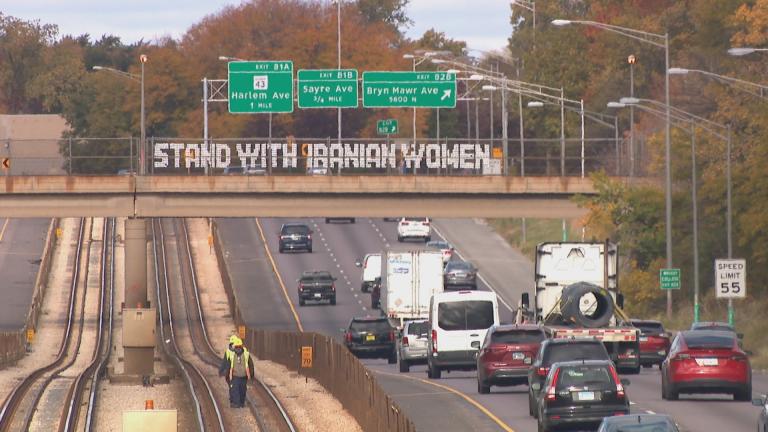

Human rights groups say more than 100 people have been killed in Iran since the death of a 22-year-old woman who was in the custody of police. Iranian Americans in Chicago have a message they want everyone to hear: “Stand with Iranian women.”
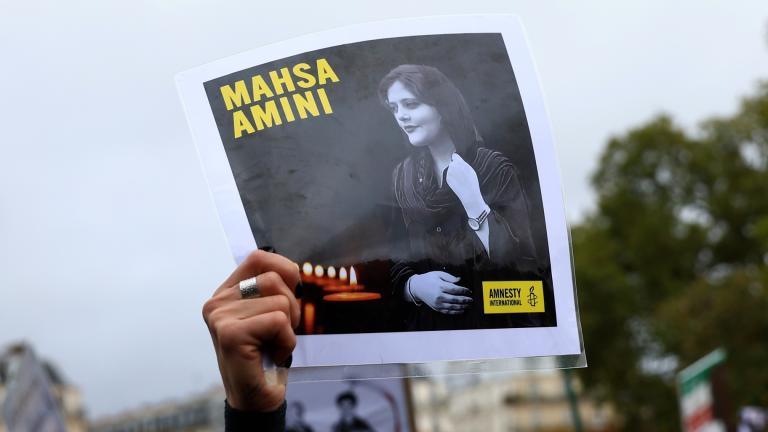
The protests erupted Sept. 17, after the burial of 22-year-old Mahsa Amini, a Kurdish woman who had died in the custody of Iran’s feared morality police. Amini had been detained for an alleged violation of strict Islamic dress codes for women. Since then, protests spread across the country and were met by a fierce crackdown.
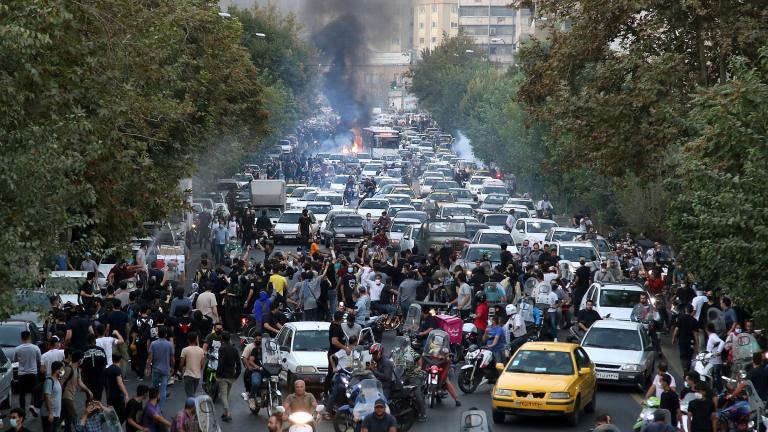
The protests were triggered by the death of 22-year-old Mahsa Amini, who died in a hospital three days after being apprehended by the morality police in Tehran and taken to a “re-education center” for not abiding by the state’s hijab rules.
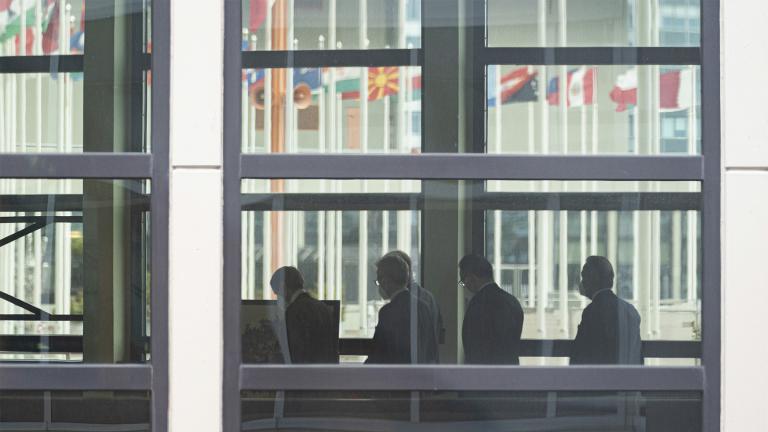
World powers opened a fifth round of talks with Iran aimed at bringing the United States back into the landmark 2015 nuclear deal meant to prevent the Islamic Republic from obtaining an atomic bomb, with both sides expressing hope Tuesday that it might be the final series of negotiations.
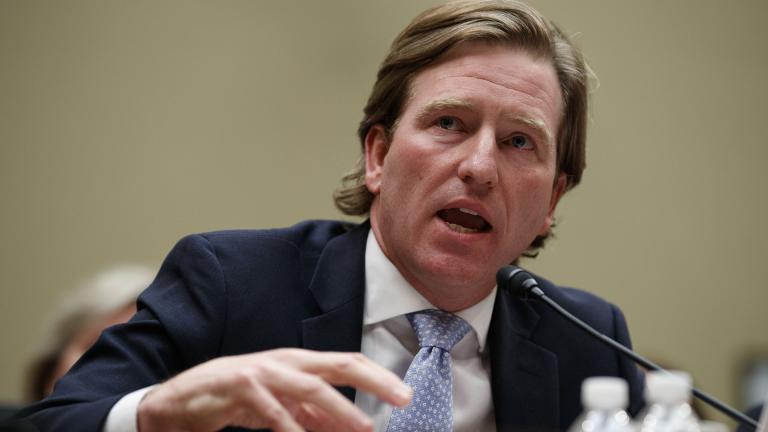
Iran is responsible for emails meant to intimidate American voters and sow unrest in multiple states, U.S. officials said Wednesday night in calling out both Tehran and Russia for activities meant to interfere in the upcoming presidential election.
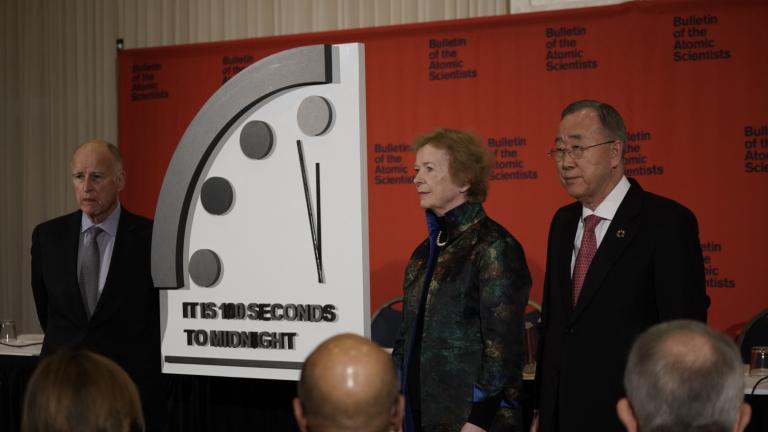
The world is closer to global catastrophe today than at any point since World War II, according to a group of international nuclear and climate scientists.
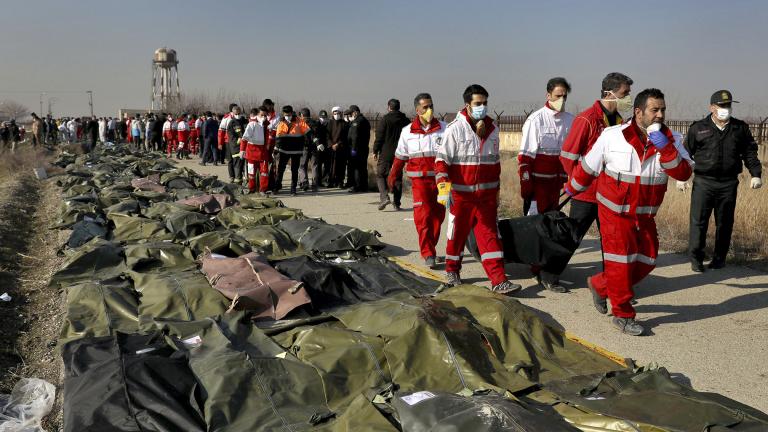
It’s the latest in a string of tragic news involving Chicago-based Boeing: A 737 jet crashed Wednesday, killing all 176 people on board. We discuss that incident and what the future holds for Boeing with Tracy Rucinski, U.S. aviation correspondent for Reuters.

The U.S. stock market closed at record highs Thursday, indicating investor confidence as relations between the U.S. and Iran appear to cool down. Ed Stuart and Michael Miller share their thoughts on current economic conditions.
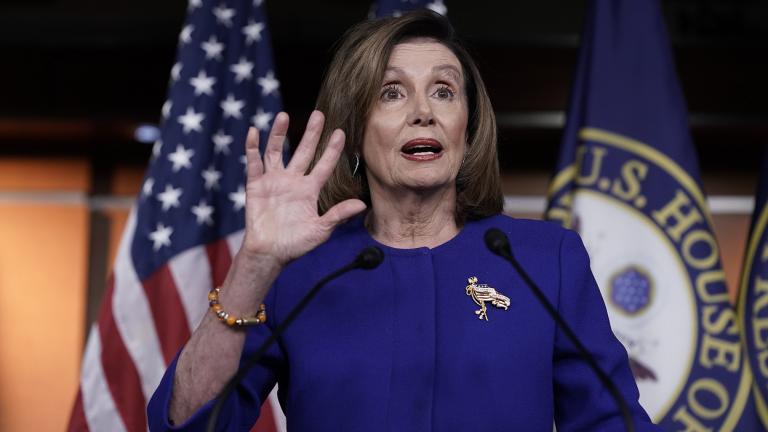
Reigniting a debate over who has the power to declare war, the Democratic-controlled House on Thursday approved a resolution asserting that President Donald Trump must seek approval from Congress before engaging in further military action against Iran.
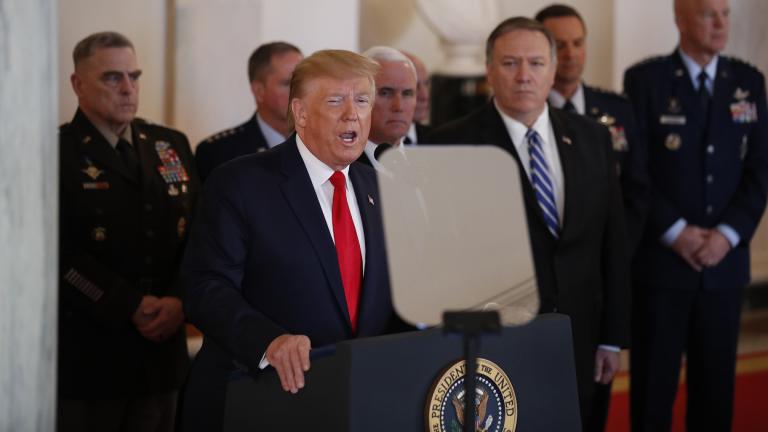
The U.S. and Iran stepped back from the brink of possible war on Wednesday as President Donald Trump signaled he would not retaliate militarily for Iran’s missile strikes on Iraqi bases housing U.S. troops.
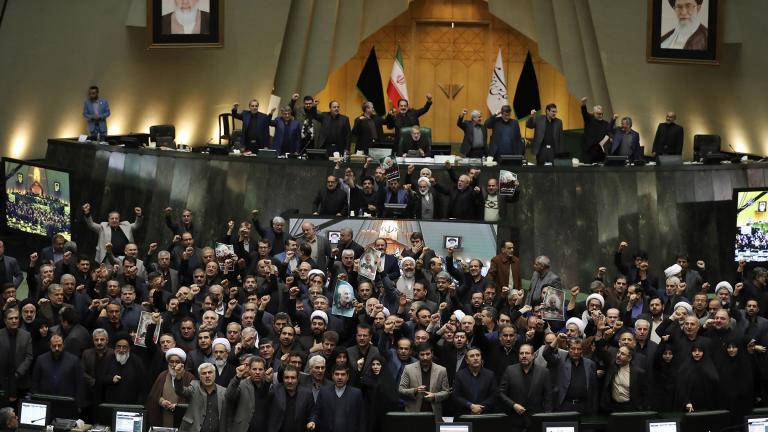
Iran struck back at the United States early on Wednesday for killing its most powerful military commander, firing a barrage of ballistic missiles at two Iraqi military bases that house American troops.
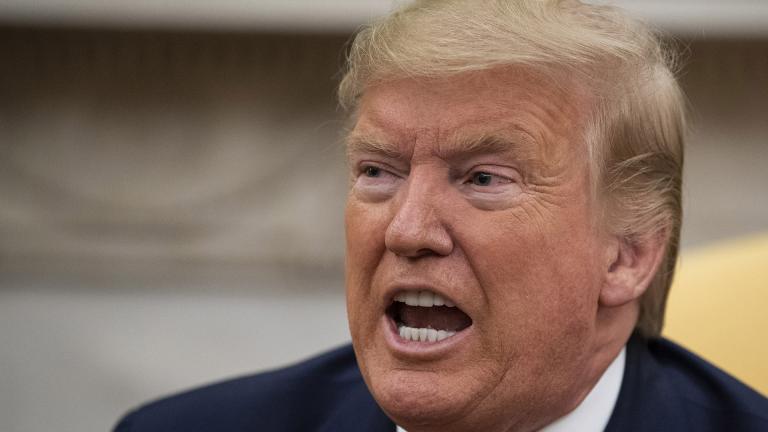
President Donald Trump and his top advisers are under pressure to disclose more details about the intelligence that led to an American airstrike that killed top Iranian Gen. Qassem Soleimani.
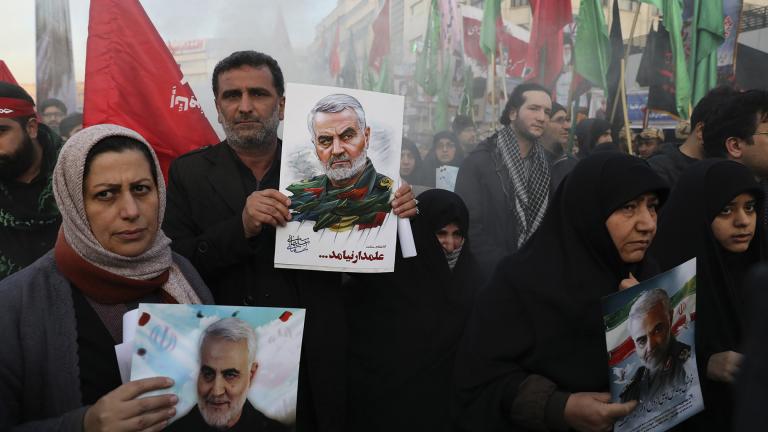
President Donald Trump’s decision to assassinate Iran’s top military leader because of an alleged “imminent threat” to U.S. interests is already having major repercussions across the region. What’s next in the U.S.-Iran showdown?
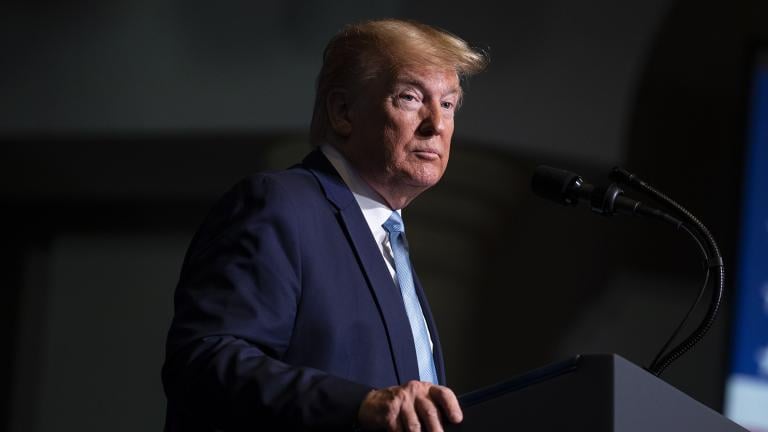
An expert on Iranian culture says he was “appalled” by President Donald Trump’s threat to attack dozens of Iranian sites. We speak with Matthew Stolper of the University of Chicago’s Oriental Institute.
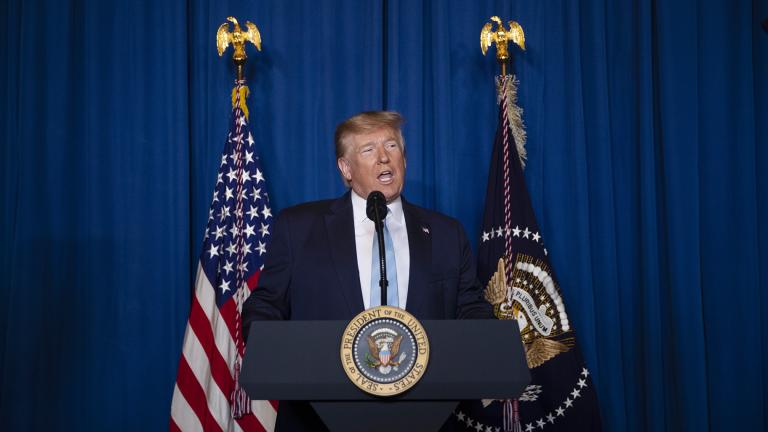
President Donald Trump declared Friday that a “reign of terror is over” as he marked the death of an Iranian general killed in a U.S. strike and as the Pentagon scrambled to reinforce the American military presence in the Middle East in preparation for reprisals.
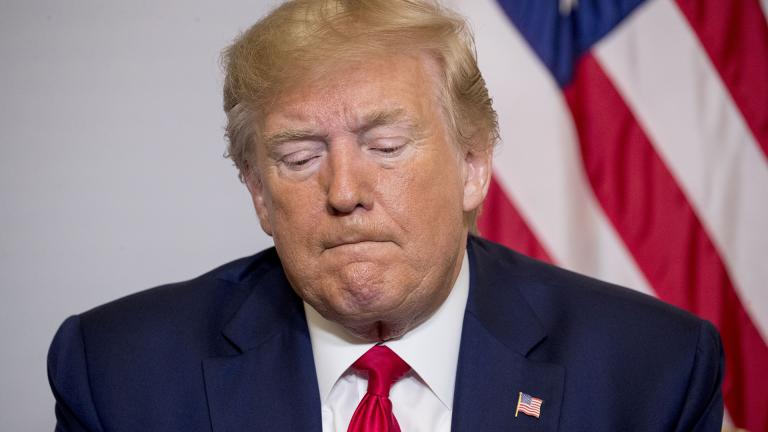
President Donald Trump said his trade negotiators had received two “very good calls” from China on Sunday. But a spokesman for China’s foreign ministry said that he didn’t know what calls Trump was talking about.
Trending
2026 Chicago Festival Guide

CPD Officer Who Fired 3 Shots at Suspected Carjacker on 606 Trail Faces Firing: Records

Interim NITA Director Earning $350K Salary While Also Collecting $213K Annual City Pension, Records Show

Firm Set to Buy Chicago’s Parking Meters Sells Airline That Carried Out Deportations

Chicago Woman Accused of Social Security Fraud After Hiding Mother’s Body in Freezer for 2 Years

Sign up for the WTTW News newsletter