

Housing

The commissioner of the Chicago Department of Water Management told members of the City Council that it was “quite impressive” that city crews had replaced 10 of the approximately 400,000 lead service lines responsible for contaminating Chicagoans’ tap water in 13 months.
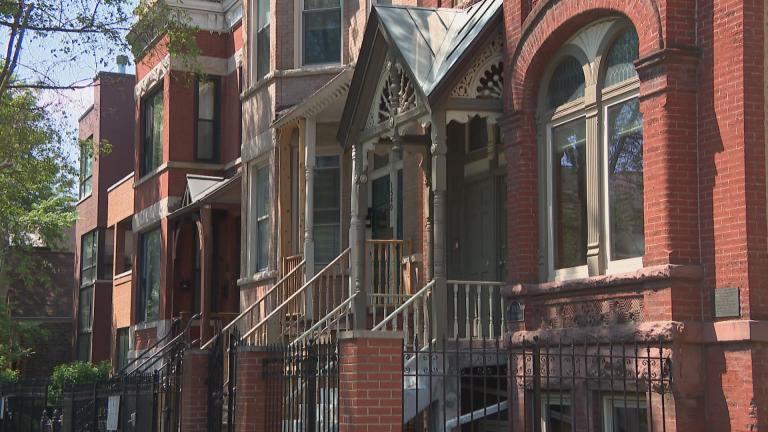
State, city and county officials urged residents at risk of eviction to apply for rental assistance and explore their legal options to prevent an eviction. The Chicago Department of Housing officials have sent more than $38 million to nearly 5,000 households as of Sept. 27, officials said.

For many homeless people in the Chicago area, finding a safe space to recover from illness or injury is a challenge, especially during a pandemic. Medical respite centers aim to offer that refuge through medical care and support services.


Plus: 4 Chicago alderpeople react to the proposal
As Chicago emerges from the COVID-19 pandemic, Mayor Lori Lightfoot told WTTW News on Monday that city officials must be “bold and transformative” to address not only the immediate damage caused by the pandemic but also the city’s longstanding woes.

Mayor Lori Lightfoot’s plan to close a projected $733 million budget gap in 2022 relies on $385 million in federal relief funds and nearly $299 million in savings and efficiencies, but the plan contains “no new tax or significant fee increases” for Chicago residents, she said.

Treasurer Melissa Conyears Ervin said the measure was a “critical step” to combatting the disparity in mortgage lending in Chicago.

Mayor Lori Lightfoot and interim Chicago Public Schools CEO Jose Torres on Thursday unveiled a new Chicago Families Forward Fund, which they say will distribute more than $9 million in assistance to CPS families before the end of the fall semester.

Illinois’ eviction moratorium is in place for one more month, but many residents fear they’ll be out of a home once that ban lifts. And now animal shelters are preparing for what could be an influx of pets in need of homes, too.
The Chicago City Council may be forced to confront the role its decades-old tradition of giving aldermen the final say over housing developments in their wards has played in creating a hyper-segregated city rife with racism and gentrification.
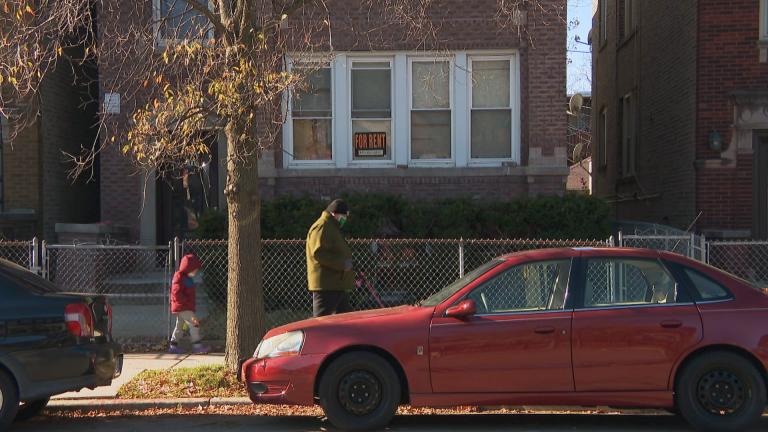
Renters across the country may soon face eviction now that the U.S. Supreme Court has struck down the Biden administration’s extension of the eviction moratorium. We discuss resources available to local renters.
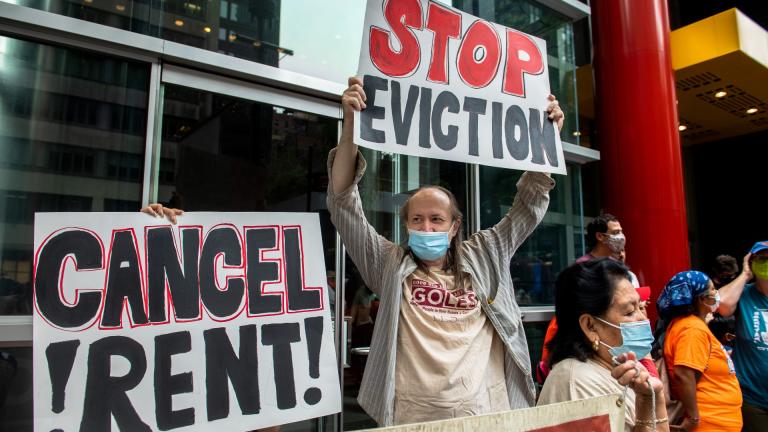
Tenant advocates and court officials were gearing up Friday for what some fear will be a wave of evictions and others predict will be just a growing trickle after a U.S. Supreme Court action allowing lockouts to resume.

As Chicago inches toward the replacement of its lead service lines, officials need help identifying where those pipes are. Here’s a simple way to determine whether you’ve got lead, steel or copper lines running into your home.
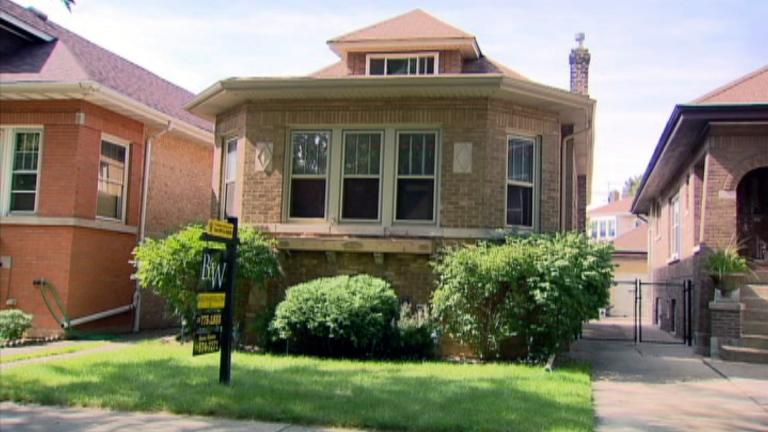
Chicago home sales continue to rise, but there’s a twist in that fire-hot streak. Crain’s Chicago Business editor Ann Dwyer takes us behind the headline of that story and more.
A three-judge panel of the U.S. Court of Appeals for the District of Columbia rejected a bid by Alabama and Georgia landlords to block the eviction moratorium reinstated by the Centers for Disease Control and Prevention earlier this month.

A new Illinois law will make feminine hygiene products available for free at homeless shelters. Advocates say the legislation spotlights an often-overlooked issue, but they’re calling for funding to “put some teeth behind it.”
Researchers at the University of Chicago’s Inclusive Economy Lab found that 26% of Black students at Chicago Public Schools experience homelessness during their academic tenure. We discuss those findings and what can be done to better support homeless students.
Trending
Who Is Running, or Thinking About Running, to Become Chicago’s Next Mayor

Suspend CPD Officers, Sergeant Repeatedly Accused of Making Improper Traffic Stops for a Combined 330 Days: Police Brass

Johnson’s Debt Refinancing Plan Results in Just Half of What He Promised, Forcing Officials to Scramble to Fill Budget Gap

No Tax Hikes or Layoffs Needed to Close Cook County’s $550M Gap Thanks to ‘Budget Magic’: Preckwinkle

Woman Charged With Murdering 7-Year-Old Girl Threatened to Stab Store Worker Minutes Earlier: Prosecutors

Sign up for the WTTW News newsletter