

Housing
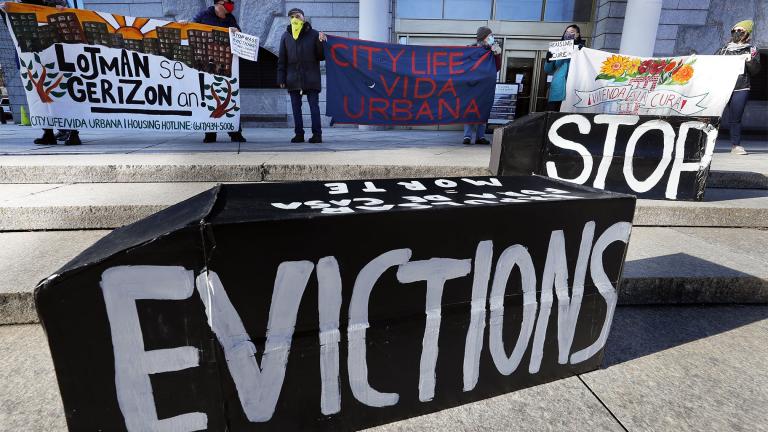
A federal judge on Friday refused landlords’ request to put the Biden administration’s new eviction moratorium on hold, though she ruled that the freeze is illegal.


The $1 trillion bipartisan infrastructure plan that advanced Tuesday in the Senate includes $15 billion to replace the lead service lines responsible for contaminating the tap water in approximately 10 million homes across the country.
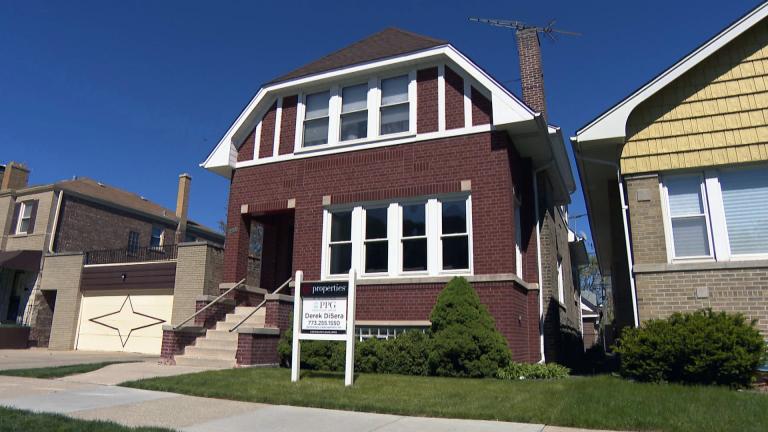
There are four ways to appeal property tax assessments in Cook County. But is that a good thing? Former state Rep. Barbara Flynn Currie and Assessor Fritz Kaegi weigh in.
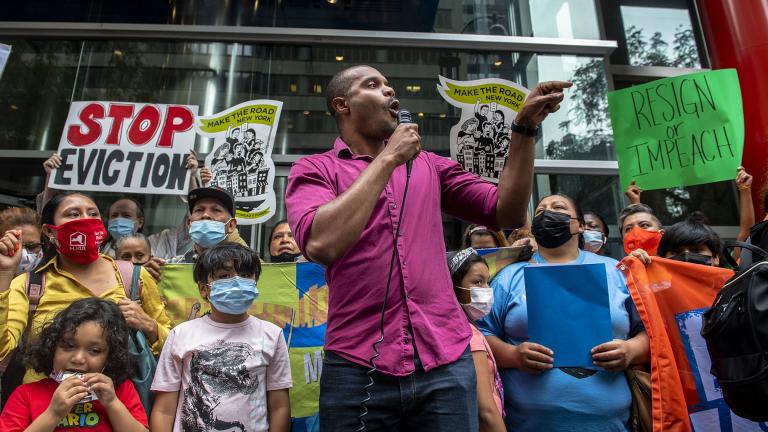
After a federal eviction moratorium was allowed to lapse this weekend, the Centers for Disease Control and Prevention issued a new moratorium Tuesday on evictions that would last until Oct. 3.

The Centers for Disease Control and Prevention issued a new eviction moratorium that would last until Oct. 3, as the Biden administration sought to quell intensifying criticism from progressives that it was allowing vulnerable renters to lose their homes during a pandemic.

Anger and frustration mounted in Congress over the weekend as a nationwide eviction moratorium expired during a surge in the COVID-19 pandemic. One Democratic lawmaker even camped outside the Capitol in protest as millions of Americans faced being forced from their homes.
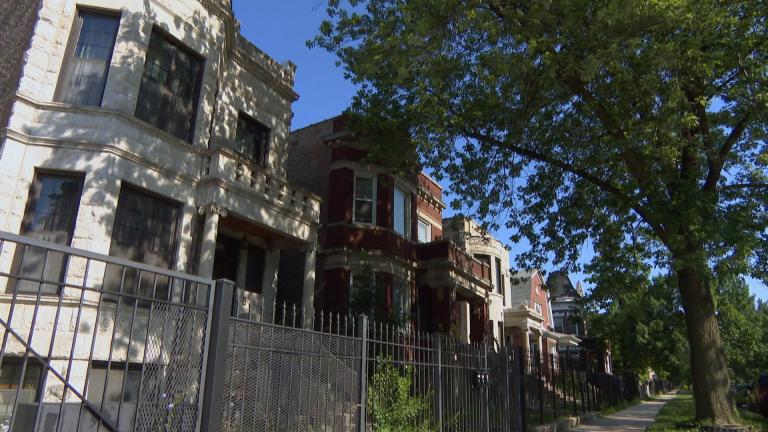
Gov. J.B. Pritzker signed legislation Thursday that creates new resources and incentives to finance affordable housing across the state and helps low-income residents access assistance for heat and other utilities.
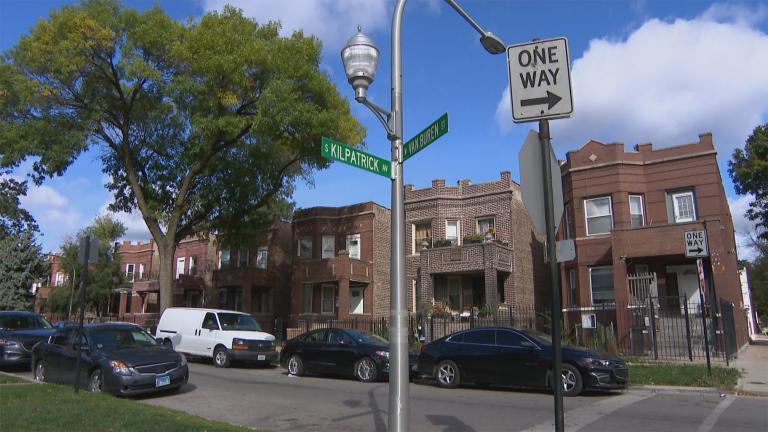
The Biden administration announced Thursday it will allow a nationwide ban on evictions to expire Saturday, arguing that its hands are tied after the Supreme Court signaled the moratorium would only be extended until the end of the month.

Residents and property owners in the city and state are seeking aid in recovering economic losses or securing housing. But for some Latino residents, language barriers and concerns over their immigration status keep them from getting the help they need.

The site of the long-defunct hospital is poised to be transformed into a new Chicago neighborhood offering 4,800 homes, plus offices, research facilities and stores as part of a $4 billion redevelopment. “This has been a long time coming,” said Ald. Sophia King.
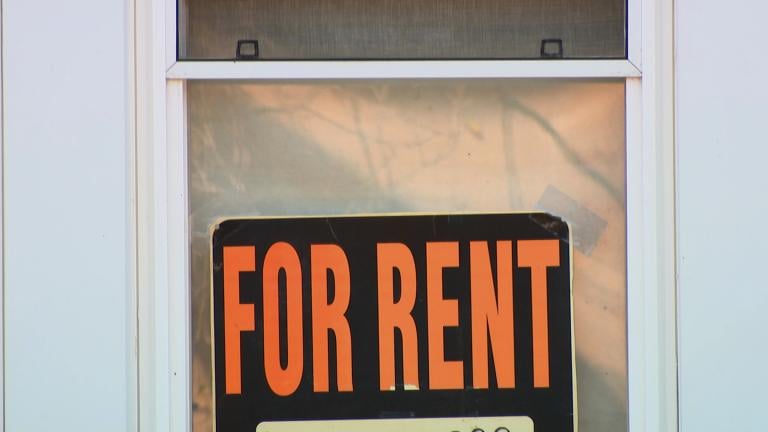
The state’s ban on most evictions will have lasted more than 17 months after the governor in 2020 ordered Illinois residents to stay home to stop the spread of the coronavirus. The deadline to apply for rental assistance grants of up to $25,000 from the state is Sunday, officials said.
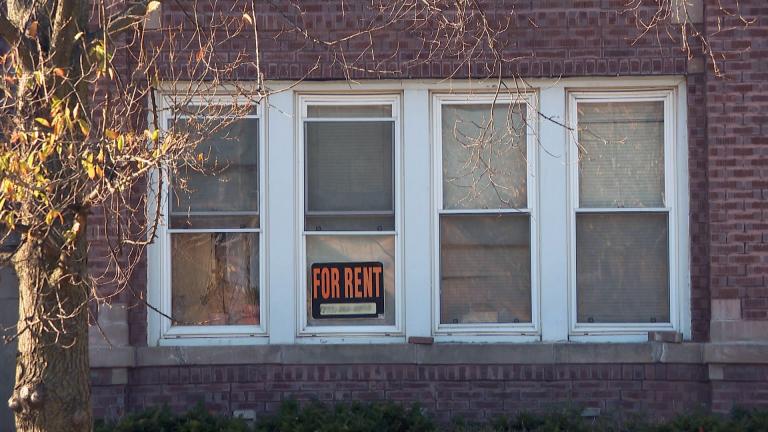
More than 224,000 renters in the Chicago area said they aren’t confident they’ll be able to pay next month’s rent, according to a recent survey. With the state’s ban on evictions ending soon, organizations serving the homeless anticipate an uptick in the number of people who need help.
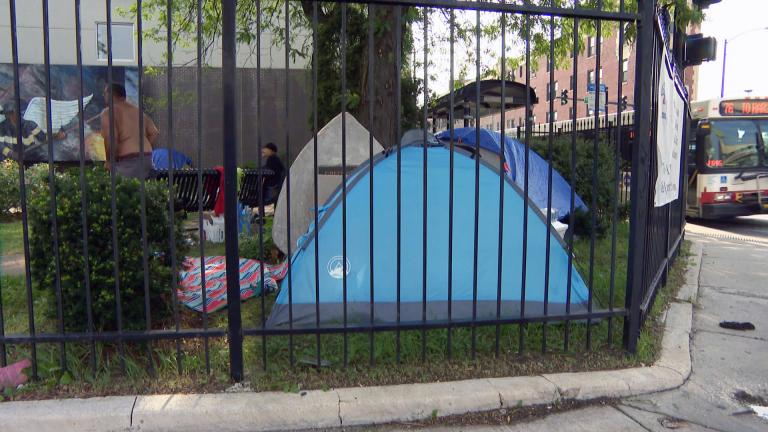
Over the past year, a small group of people who are homeless have established a tent encampment in a small Avondale park. Similar encampments are all over Chicago, and as Illinois’ eviction moratorium nears its end, the number of unhoused people is expected to grow.

Following a violent holiday weekend in Chicago, Mayor Lori Lightfoot said young people need to “put down the guns.” Community organizations fighting to stem the rising tide of violence talk about their efforts and the root causes of violence in the city.
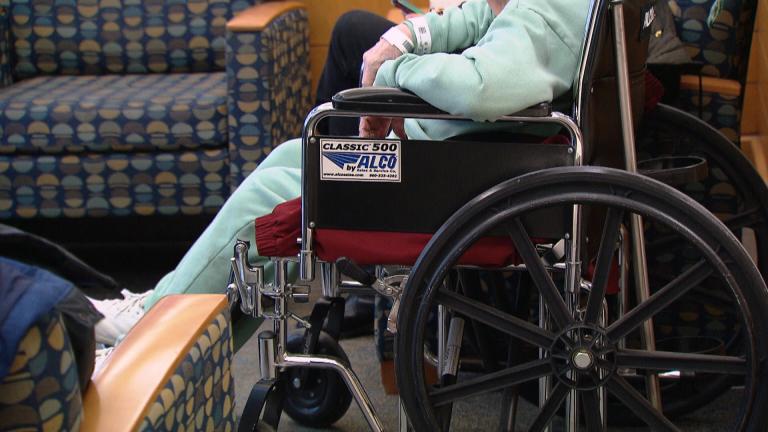
Investment groups wager on future demand for senior housing. Crain’s Chicago Business reporter Danny Ecker has details on that story and more.

Included in the bipartisan infrastructure deal reached with President Joe Biden last week is a plan to eliminate the country’s remaining lead pipes and service lines, which for decades have posed a risk for contaminated water in millions of homes and schools.
Trending
Who Is Running, or Thinking About Running, to Become Chicago’s Next Mayor

Suspend CPD Officers, Sergeant Repeatedly Accused of Making Improper Traffic Stops for a Combined 330 Days: Police Brass

Johnson’s Debt Refinancing Plan Results in Just Half of What He Promised, Forcing Officials to Scramble to Fill Budget Gap

No Tax Hikes or Layoffs Needed to Close Cook County’s $550M Gap Thanks to ‘Budget Magic’: Preckwinkle

Woman Charged With Murdering 7-Year-Old Girl Threatened to Stab Store Worker Minutes Earlier: Prosecutors

Sign up for the WTTW News newsletter