

George Floyd
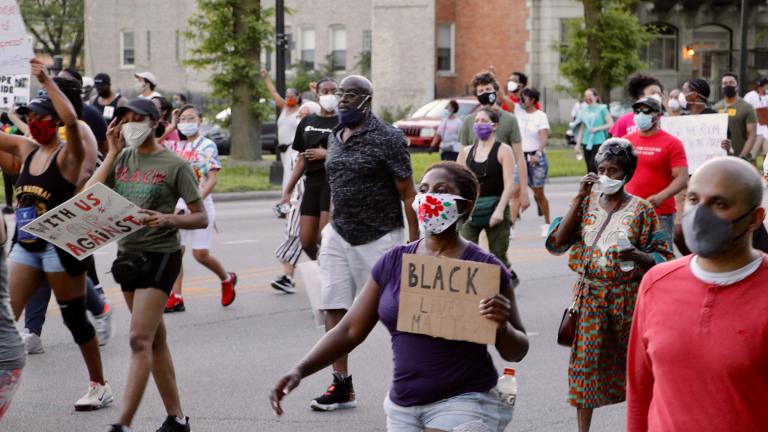
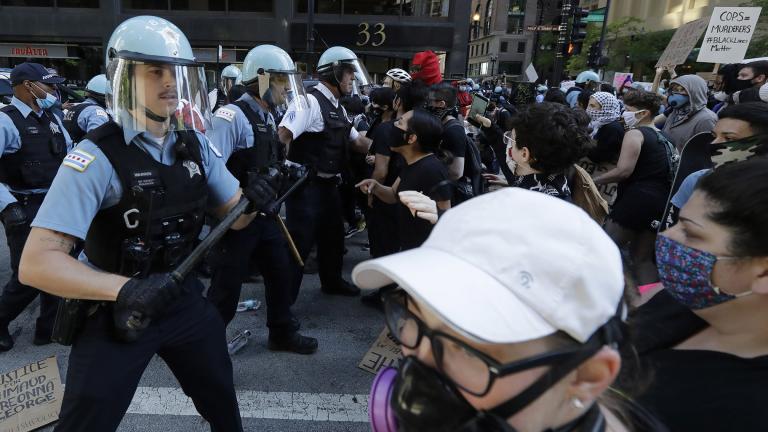
Looting and unrest has largely subsided in Chicago as large peaceful protests against police misconduct continue, Chicago Police Supt. David Brown told reporters Wednesday.
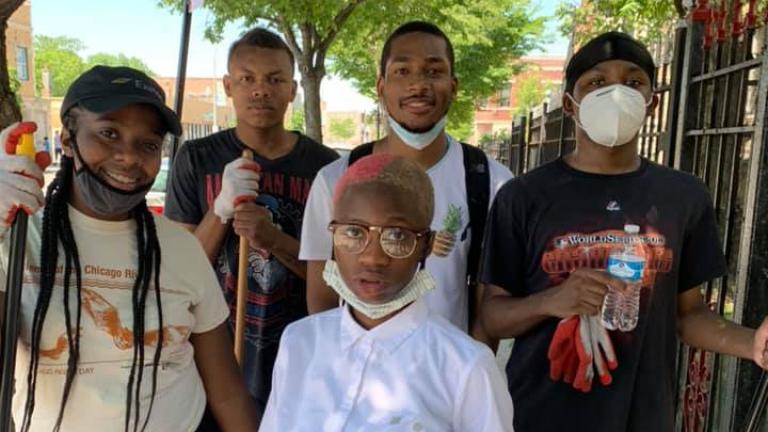
Neighbors are taking care of each other, grabbing brooms, raising money and distributing food. “I’m cleaning up my community on behalf of my people,” said one volunteer.
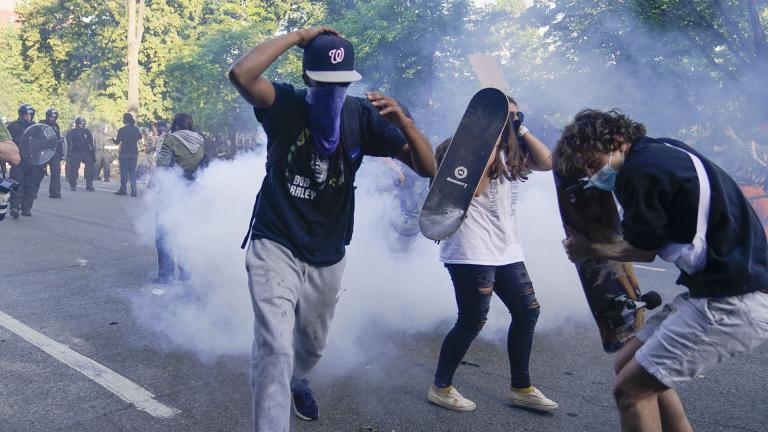
The protests have come just as communities across the nation loosen restrictions on businesses and public life that have helped slow the spread of the virus, deepening concern that the two factors taken together could create a national resurgence in cases.
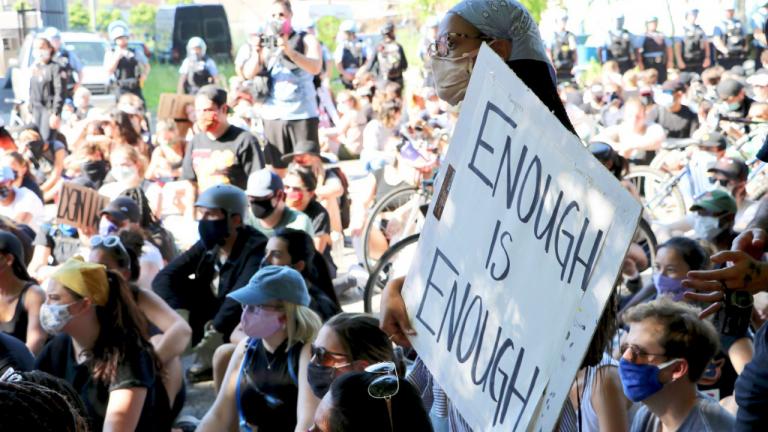
Peaceful protests through the North and South sides on Tuesday marked the fifth consecutive day of protests in Chicago in response to the killing of George Floyd.
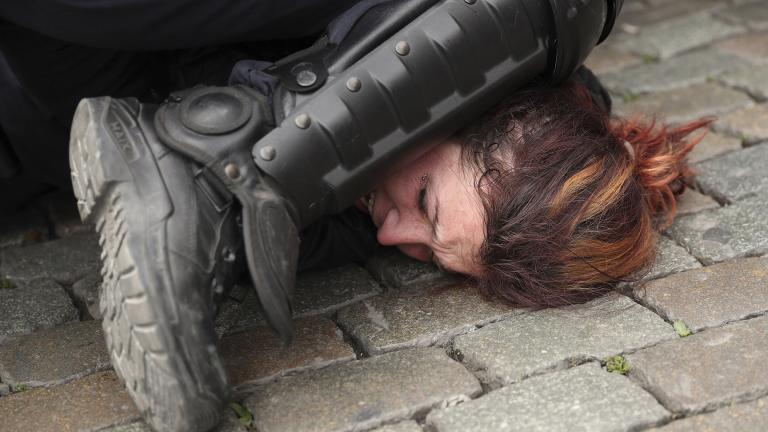
Three days after George Floyd died with a Minneapolis police officer choking off his air, another black man writhed on the tarmac of a street in Paris as a police officer pressed a knee to his neck during an arrest.
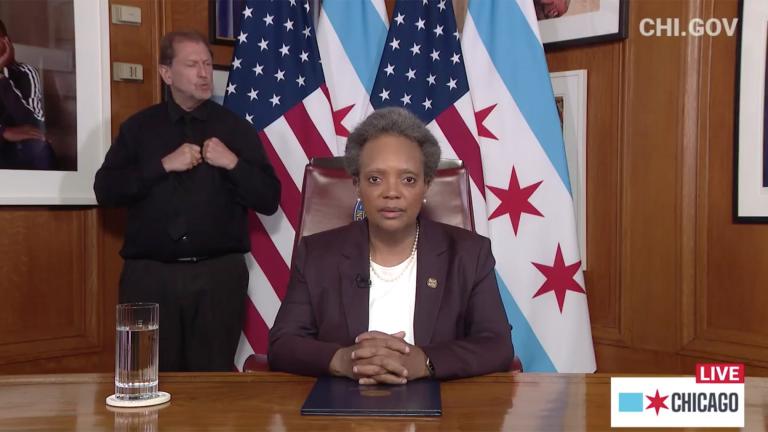
In an address Tuesday night, Chicago Mayor Lori Lightfoot outlined reforms based on improving police training, officer wellness and community relations she said are “critical to resolving our crisis.”
Hundreds of cities have imposed curfews to keep the peace during a week of violent unrest across the U.S., employing a tactic that gives law enforcement sweeping arrest powers but is frequently criticized as being unconstitutional.
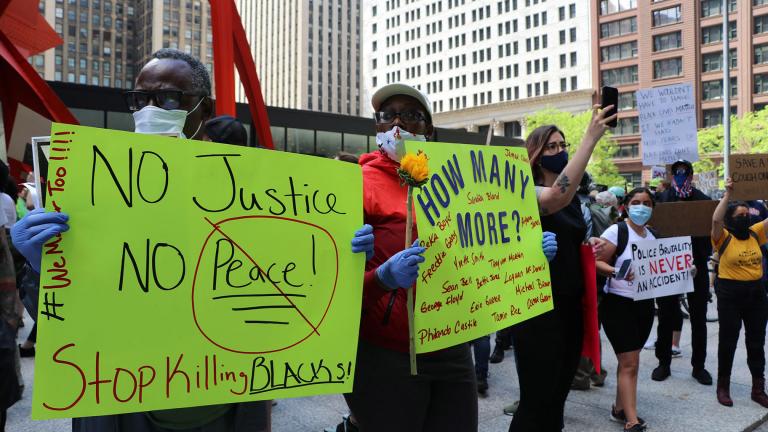
Following days of violence and looting throughout the city and county, a group of faith leaders, community activists and politicians are urging peaceful protests while calling for reform. “There’s a way we can resist constructively,” said Jahmal Cole.
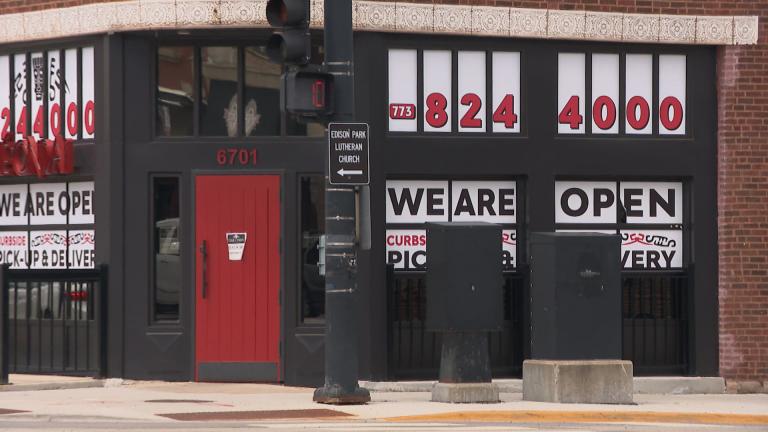
Mayor Lori Lightfoot said she made the decision only after speaking with business owners, chambers of commerce and city officials, all of whom she said were fully behind moving into phase three of the state’s Restore Illinois plan.
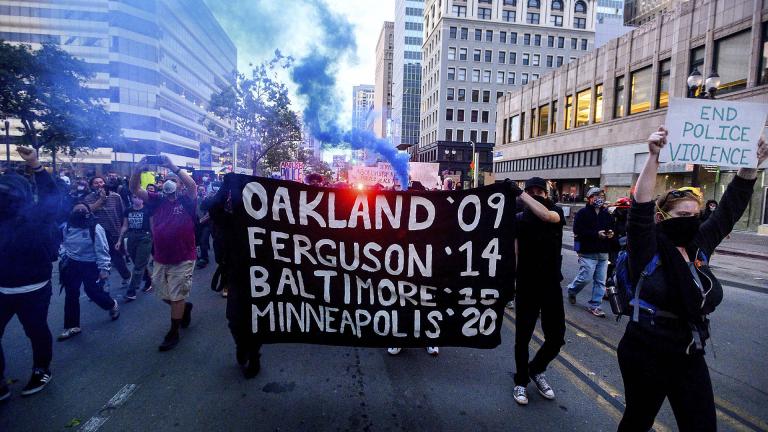
In Baltimore, protesters shouted the name of Freddie Gray. In Topeka, Kansas, T-shirts were emblazoned with the name of Dominique White. Protesters used their names to drive home the point that Floyd is part of a larger story about the dangers of being black in the U.S.
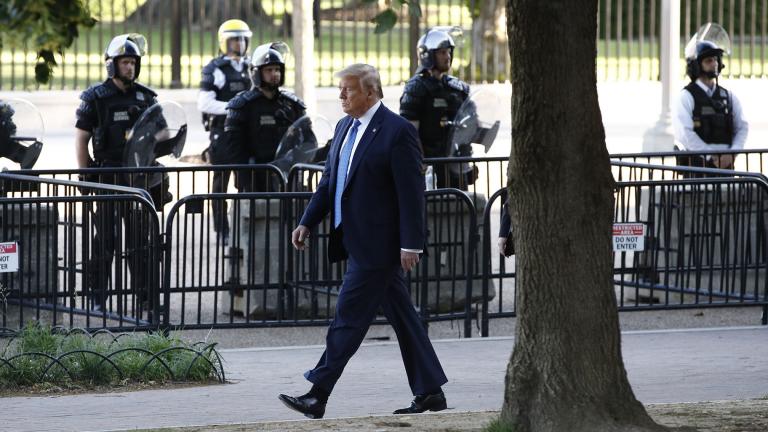
Several Democratic governors, including Gov. J.B. Pritzker, pushed back against President Donald Trump’s threat to deploy the U.S. military unless they dispatch National Guard units to “dominate the streets” in reaction to violence.
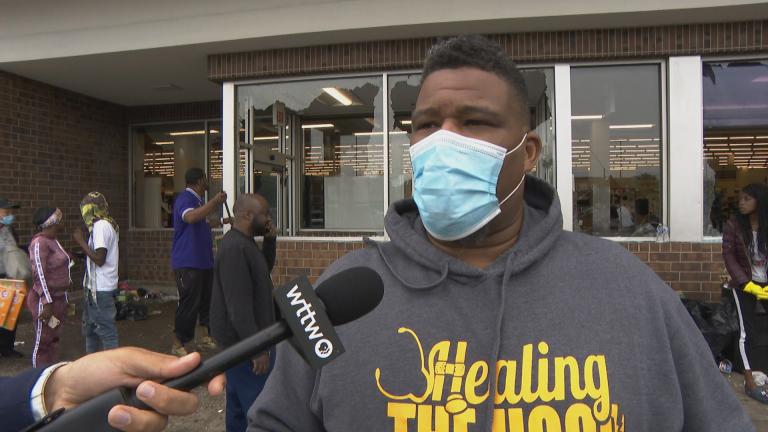

Chicago is cleaning up from a weekend of protests, violence and looting. We check in with residents, business owners and officials on the South Side and in the Loop to talk about recovery efforts and more.
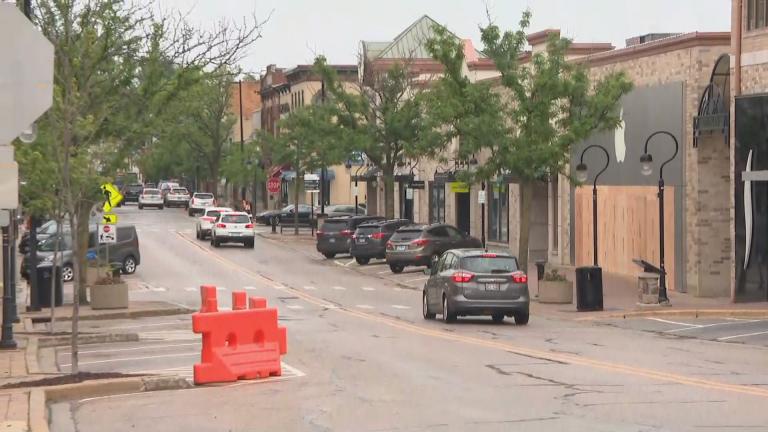
Businesses in downtown Aurora were just beginning to reopen under Gov. J.B. Pritzker’s Restore Illinois plan. Then they were hit by property damage and theft after peaceful protests on Sunday turned destructive.
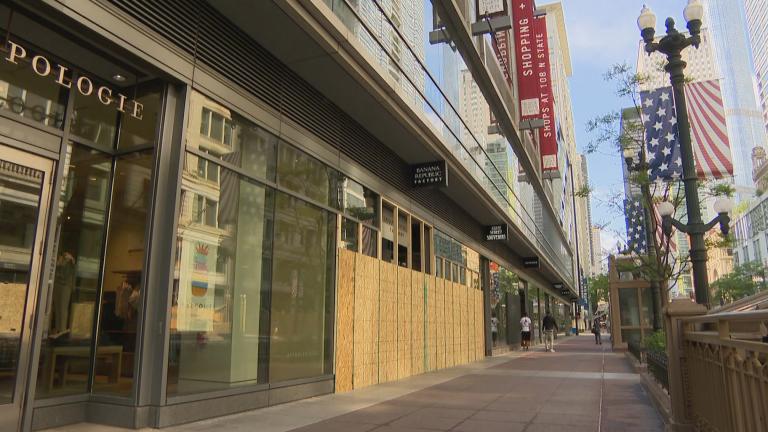
The city plans to allow outdoor dining, barbershops and limited retail to resume operations Wednesday, more than two months after they were shuttered by COVID-19 and after widespread looting devastated the city.
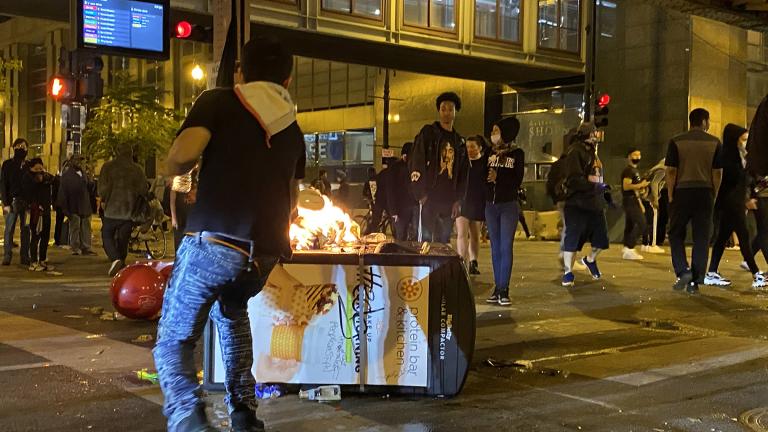
The line between peaceful political protest and chaotic violence can be become blurred in an instant. Activist Jahmal Cole and educator Reuben Jonathan Miller of the University of Chicago weigh in.
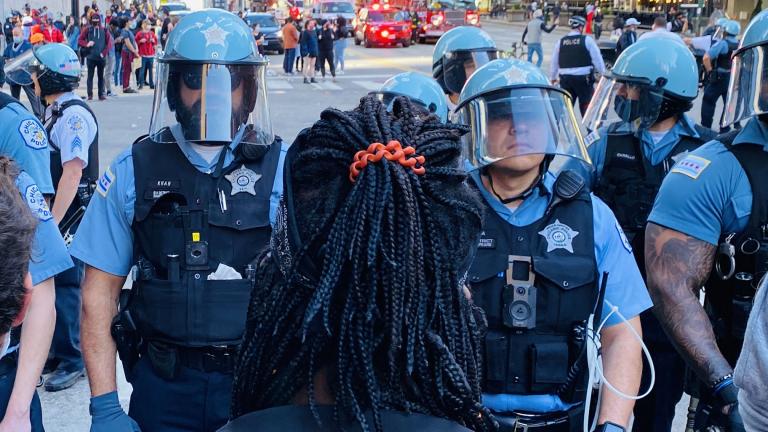
The killing of George Floyd has brought the conversation about policing people of color in America front and center — again. What can be done to change the relationship between the police and the people they are sworn to serve and protect?
Trending
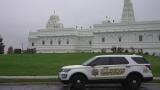
Car Registered to Man Accused of Planning Mass Shooting Was at Hindu Temple He Targeted, Police Say
CPD Agrees to Fire 7 More Officers Who Lied to Get COVID-19 Relief Loans, CDOT Employees Also Targeted: Watchdog

Former Chicago Board of Ethics Deputy Director Should Be Fired After She Drove Drunk, Caused Crashes, Battered Bystander: Watchdog

Jamie Dimon, CEO of JP Morgan Chase, on Chicago Investments, Competitive Cities and a Corporate Head Tax

Board President Candidate Hilario Dominguez Says CPS Watchdog Closed Investigation, No ‘Actionable Finding of Sexual Misconduct’

Sign up for the WTTW News newsletter