

Economy
Chicagoans who did not get financial help from the federal government during the coronavirus pandemic can apply for $1,000 grants from the city, Mayor Lori Lightfoot announced Wednesday.
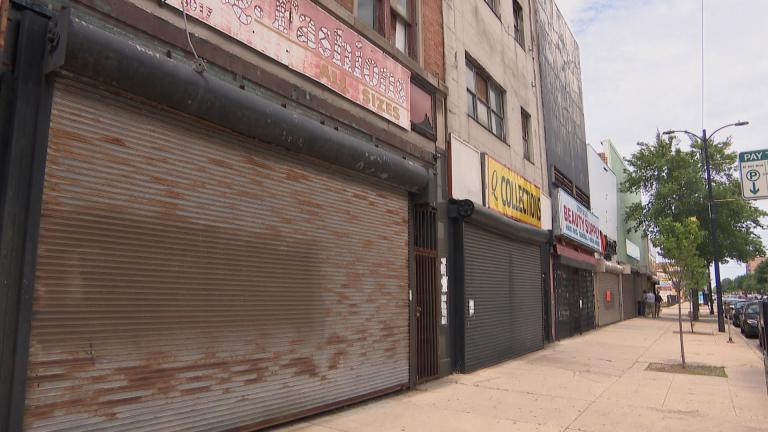

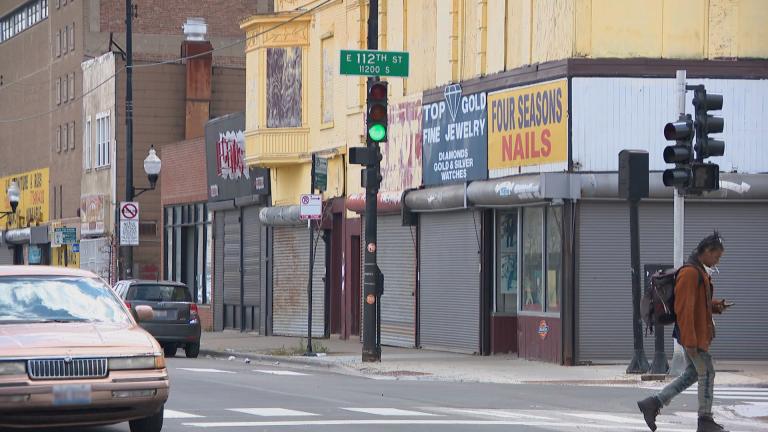
On the Southeast Side, a community deals with the aftermath of property damage and looting against the backdrop of ongoing concerns over COVID-19 and environmental pollution.
Mayor Lori Lightfoot will ask aldermen to approve an ordinance designed to minimize the number of evictions across the city as the coronavirus pandemic eases, officials said.
The dire financial picture for Chicago comes after Mayor Lori Lightfoot insisted through mid-April that the city was well-prepared to weather the economic storm whipped up by COVID-19.
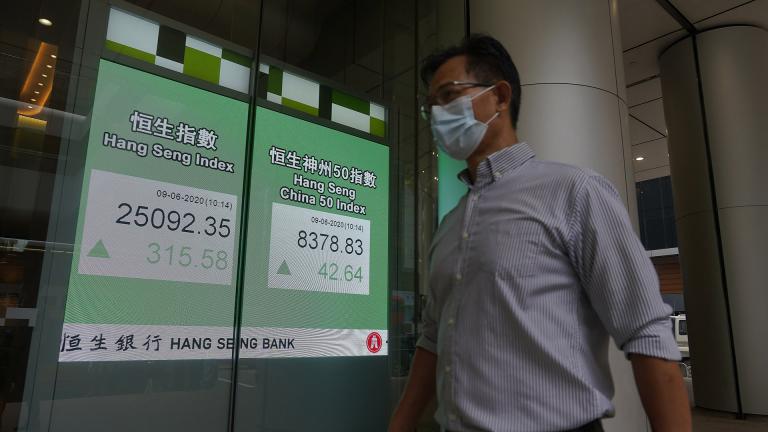
Skeptics have been saying for weeks that Wall Street’s huge rally, which reached 44.5% between late March and Monday, may have been overdone.
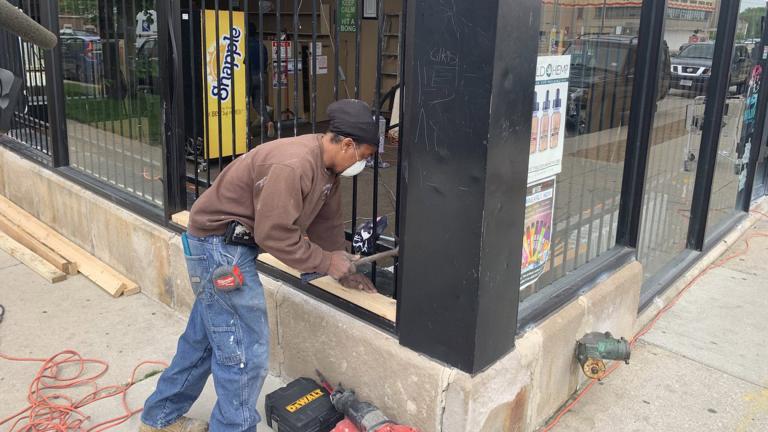
Insurance companies “must do everything in their power” to help retailers, restaurants and other businesses that were ransacked by looters get back on their feet, Gov. J.B. Pritzker said Monday.
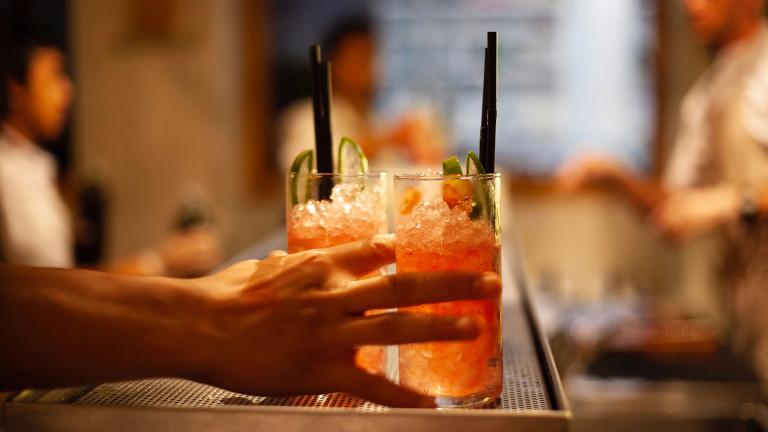
Chicago’s City Council is poised to toss a lifeline to the city’s struggling hospitality industry, but brewery owners say it would do nothing to help their taprooms survive.
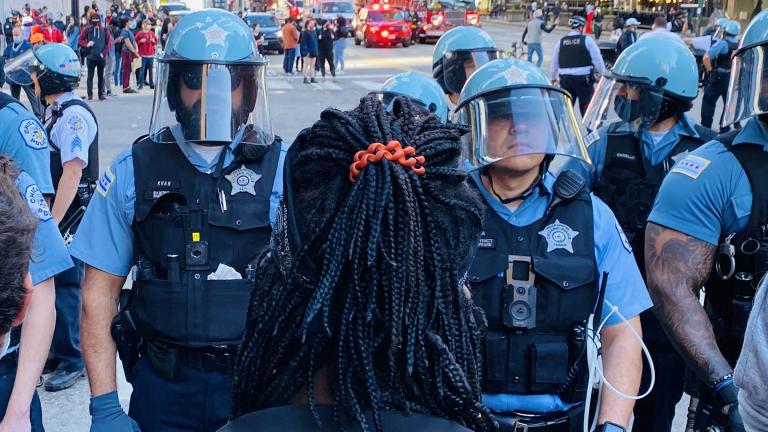
Black elected officials are demanding transformational change in the wake of George Floyd’s death and the attention it has brought to systemic racism — and they’re demanding the state provide money to back it up.
New statewide totals: 125,915 cases, 5,795 deaths
Gov. J.B. Pritzker said the milestone was the result of the “incredible work of so many people behind the scenes.”
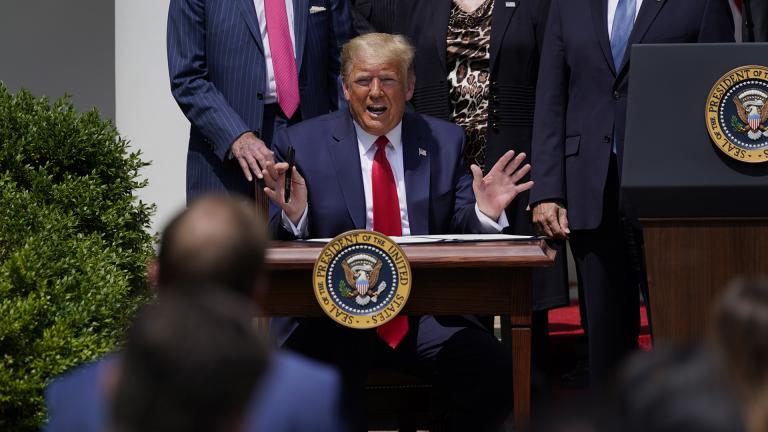
President Donald Trump took a victory lap Friday morning after the government reported surprising job gains for last month, seizing on the data to predict that the worst of the coronavirus pandemic and its economic disruption was in the rear-view mirror.

These days, buying flowers might seem like the very definition of a nonessential luxury purchase. But dozens of struggling nonprofits are in fact relying on flower sales to fund the vital social services they provide.

We get a taste of what some restaurant industry players experienced Wednesday as Chicago moved info phase three of its reopening plan.
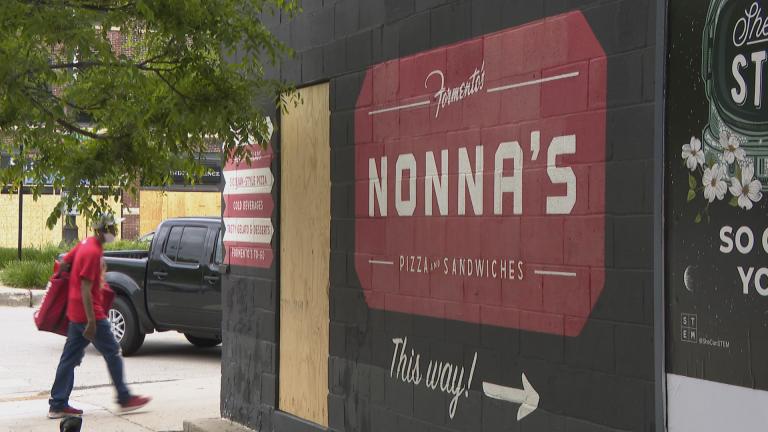
Despite days of protests, some which turned destructive, Mayor Lori Lightfoot says the message from business owners is clear: they want to reopen.
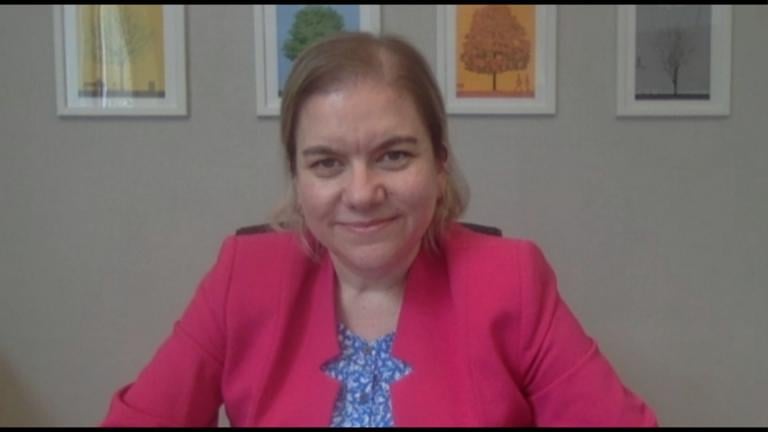
Chicago has officially moved into phase three of its reopening plan. We discuss the public health implications of reopening with Dr. Allison Arwady, commissioner of the Chicago Department of Public Health.
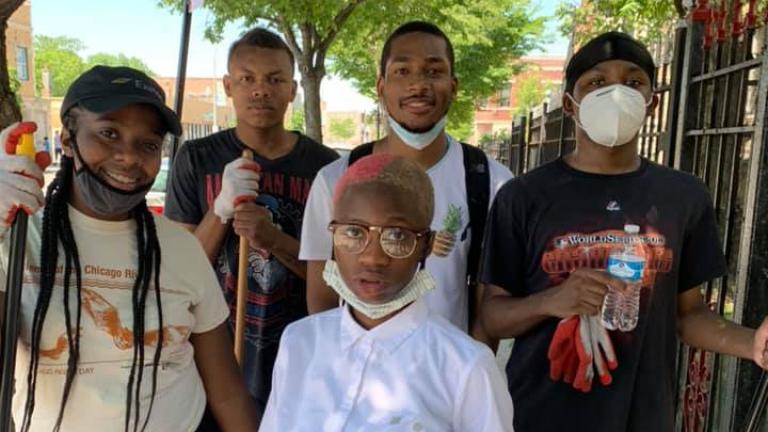
Neighbors are taking care of each other, grabbing brooms, raising money and distributing food. “I’m cleaning up my community on behalf of my people,” said one volunteer.
Next time you order takeout food, you can pair it with a premade to-go cocktail, thanks to legislation signed by Gov. J.B. Pritzker on Tuesday.
Trending
Who Is Running, or Thinking About Running, to Become Chicago’s Next Mayor

Suspend CPD Officers, Sergeant Repeatedly Accused of Making Improper Traffic Stops for a Combined 330 Days: Police Brass

No Tax Hikes or Layoffs Needed to Close Cook County’s $550M Gap Thanks to ‘Budget Magic’: Preckwinkle

Hilario Dominguez, Candidate for CPS Board President, Defends Conduct as Watchdog Reopens Probe Into Inappropriate Behavior Allegations

Johnson’s Debt Refinancing Plan Results in Just Half of What He Promised, Forcing Officials to Scramble to Fill Budget Gap

Sign up for the WTTW News newsletter