

Economy
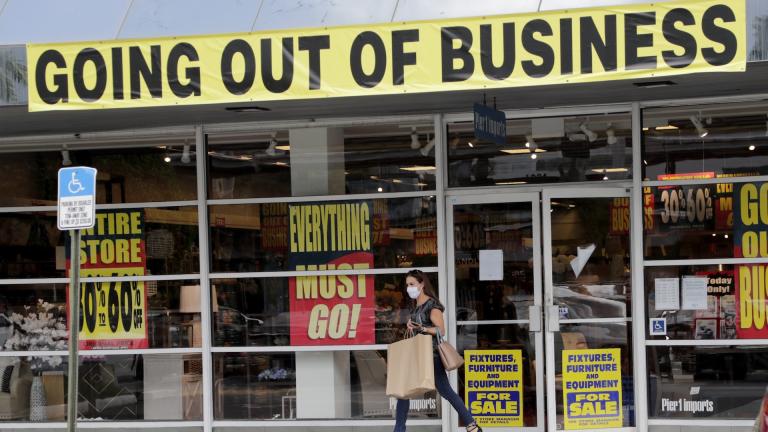
Thursday’s report from the Labor Department coincides with other recent data that have signaled a slowdown in hiring. The economy is still roughly 10.7 million jobs short of recovering all the 22 million jobs that were lost when the pandemic struck.
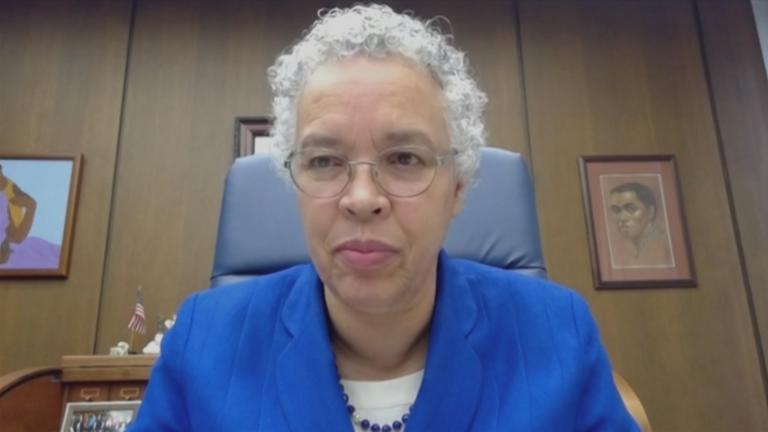

The economic collapse caused by the coronavirus pandemic presented an “extraordinarily challenging” set of circumstances to the county’s finance team, Cook County Board President Toni Preckwinkle said a day before unveiling her $6.9 billion spending plan.
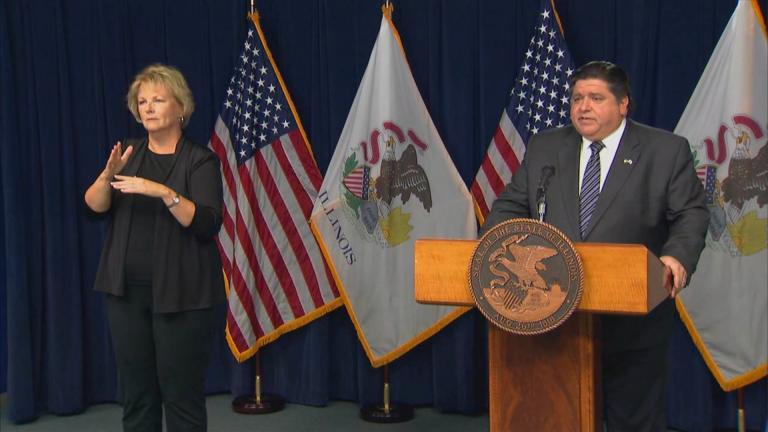
Billionaire Pritzker cousins are hurling cash at opposing sides of the “fair tax” amendment. Our politics team tackles that story and more — including the battle over the Supreme Court — in this week’s roundtable.
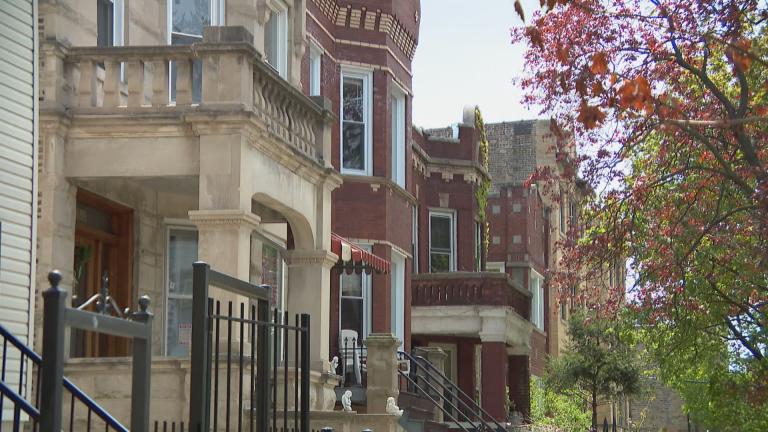
In a typical year, approximately 3% of property owners do not pay their taxes, according to Chicago officials. But in 2021, a projected 10% of property owners won’t pay their tax bills, which would cost the city $65.2 million.
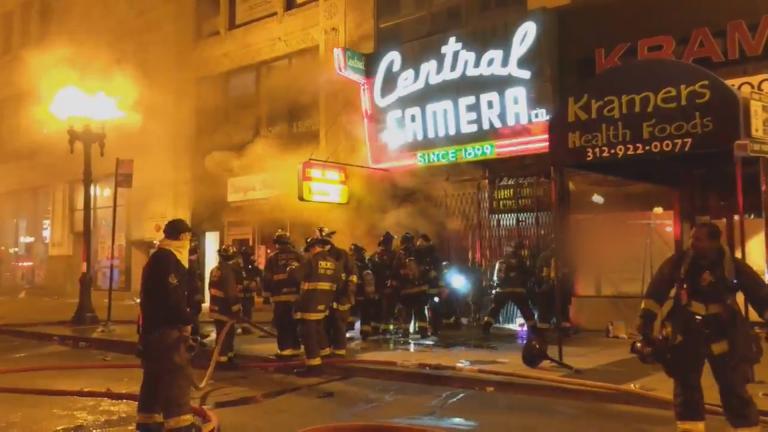
For a 121-year-old camera store in Chicago, everything changed on the night of May 30. How the third-generation owner of Central Camera is rebuilding the business after its destruction.
According to the Federal Reserve, the gap between the rich and the not-so-rich in the U.S. is getting wider. What that new data may mean for economic inequality in America.
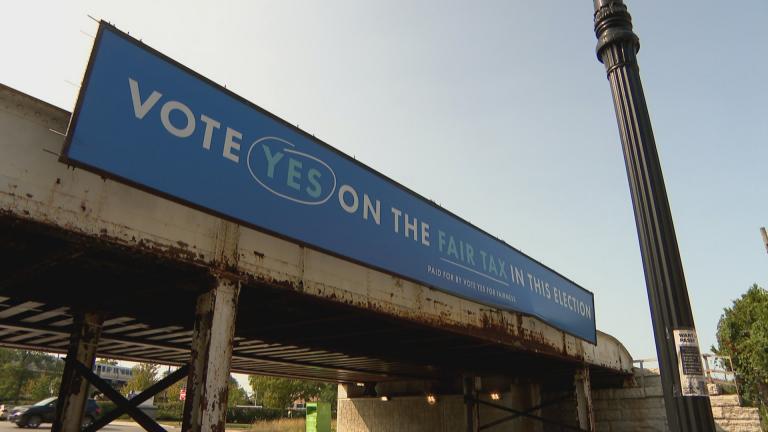
Perhaps the most hotly contested race on Illinois ballots this year isn’t between two candidates. It’s a fight over income tax rates. We hear from both sides of the hotly contested measure.
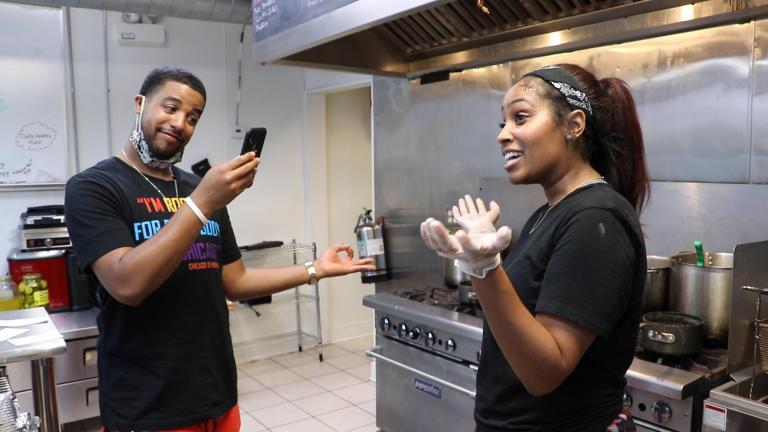
Restaurants have not had it easy the past few months. But in Chicago, a food blogger is doing his best to elevate Black-owned restaurants through social media. We meet up with Jeremy Joyce, the founder of Black People Eats.
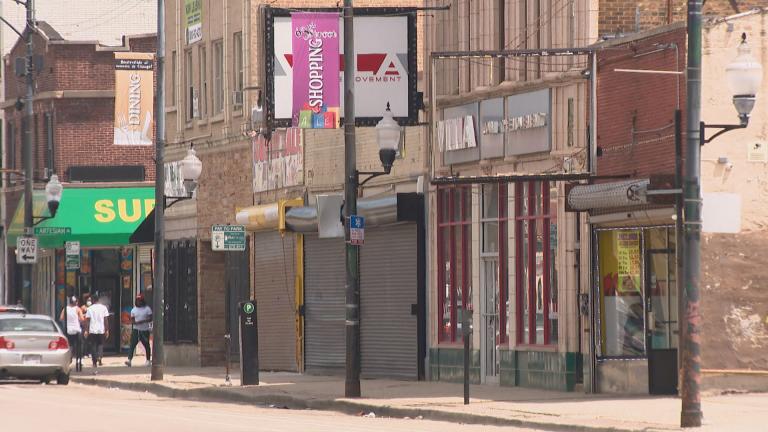
The fund will be used to help Black and Latino neighborhoods, which continue to see disproportionately higher rates of infections and deaths as compared with citywide rates and those in primarily white and affluent communities.
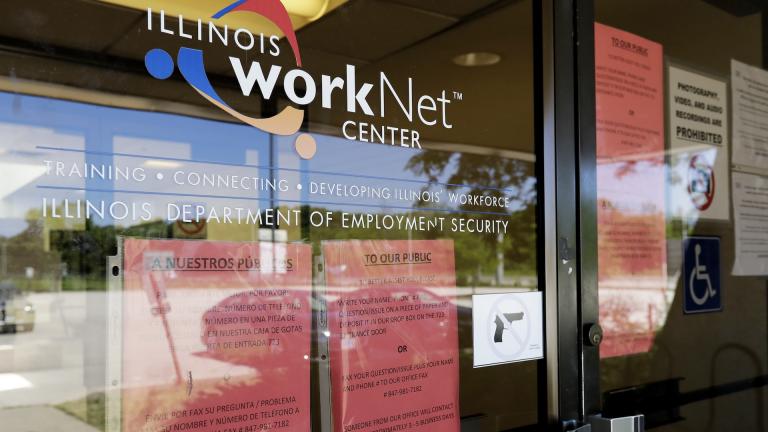
The number of Americans seeking unemployment benefits fell slightly last week to a still-high 840,000, evidence that job cuts remain elevated seven months into the pandemic recession.
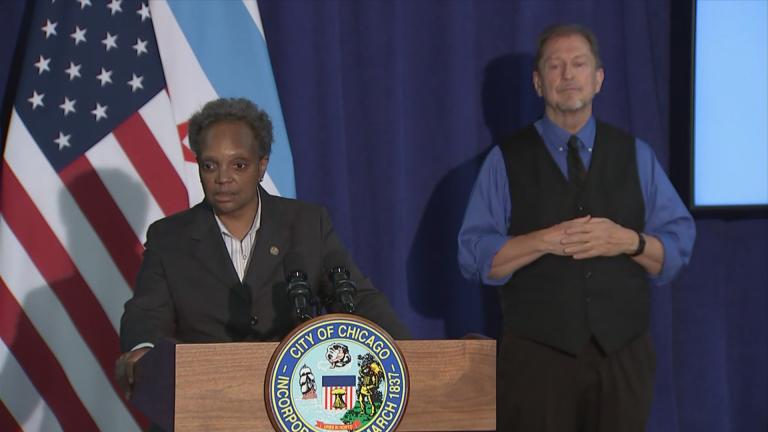
Mayor Lori Lightfoot this week painted a grim picture ahead of her Oct. 21 budget address as the city tries to close a massive budget gap. Our politics team tackles those stories and more in this week’s roundtable.
For 48 years, the Chicago Reporter has investigated issues of race and poverty. But last month, the publication was abruptly put on hiatus by the faith-based nonprofit that owns it. Now, dozens of former staffers are demanding answers.
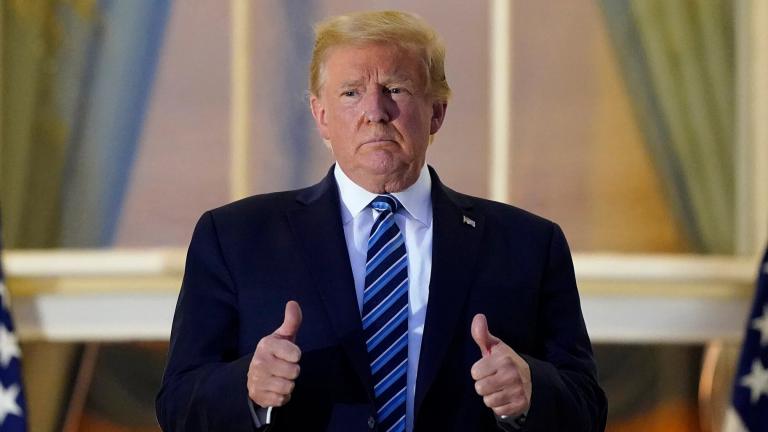
The Trump administration is pressing for $1,200 stimulus checks and a new wave of aid for airlines and other businesses hard hit by the pandemic.

In November, Illinois voters will be making a choice about how the state taxes income. But a last-minute lawsuit claims the ballot itself is flawed and is raising questions about how it may impact retirees.
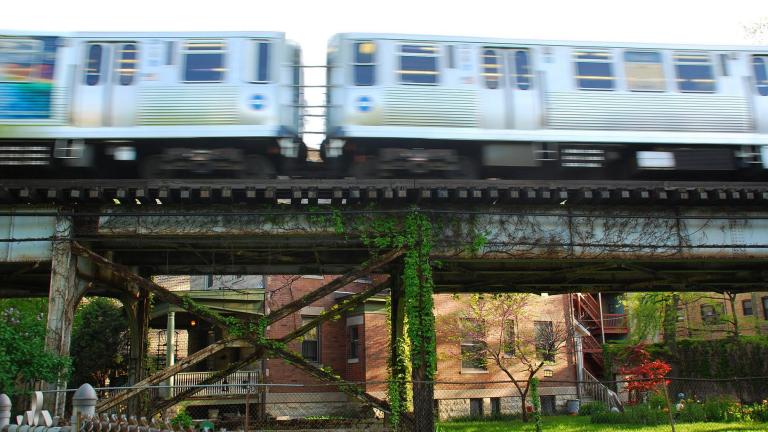
Two proposals to spend $9.1 million to repair the CTA’s Lake Street bridge and the Dearborn Street subway stalled Tuesday amid objections from aldermen about efforts to hire firms owned by female, Black and Latino Chicagoans.
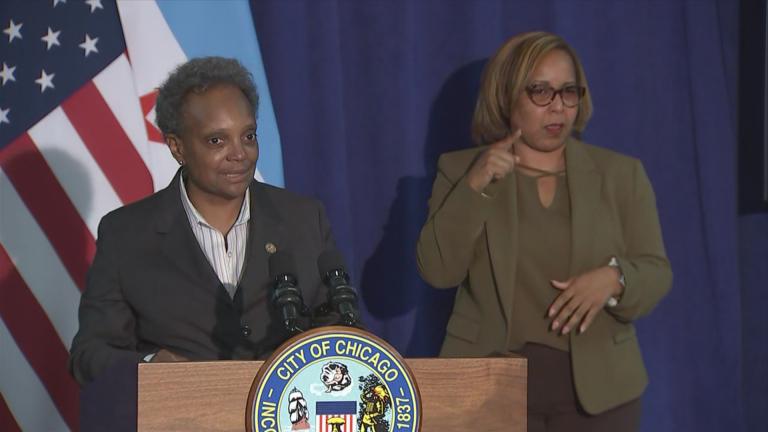
City officials are working to craft a plan to fill a projected $1.2 billion budget shortfall in the 2021 fiscal year — without the hope of more aid from the federal government.
Trending
Who Is Running, or Thinking About Running, to Become Chicago’s Next Mayor

Suspend CPD Officers, Sergeant Repeatedly Accused of Making Improper Traffic Stops for a Combined 330 Days: Police Brass

No Tax Hikes or Layoffs Needed to Close Cook County’s $550M Gap Thanks to ‘Budget Magic’: Preckwinkle
Hilario Dominguez, Candidate for CPS Board President, Defends Conduct as Watchdog Reopens Probe Into Inappropriate Behavior Allegations

CPD Brass Inconsistently Disciplined Officers for Using Racial Slurs: Watchdog

Sign up for the WTTW News newsletter