

Congress
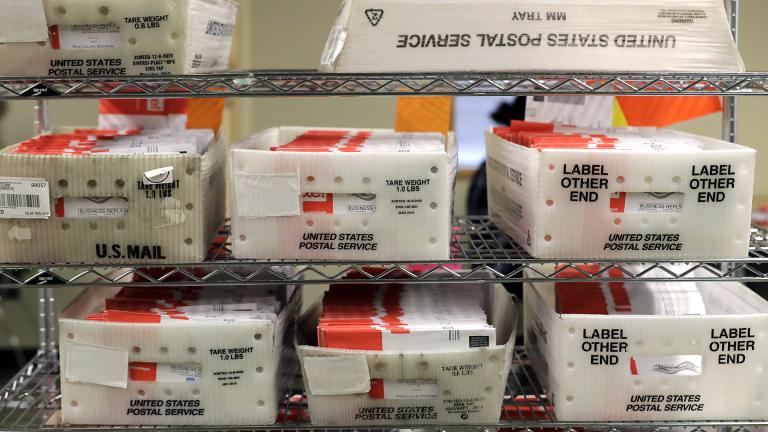
Speaker Nancy Pelosi said Sunday she is calling the House back into session over the crisis at the U.S. Postal Service, setting up a political showdown amid growing concerns that the Trump White House is trying to undermine the agency ahead of the election.
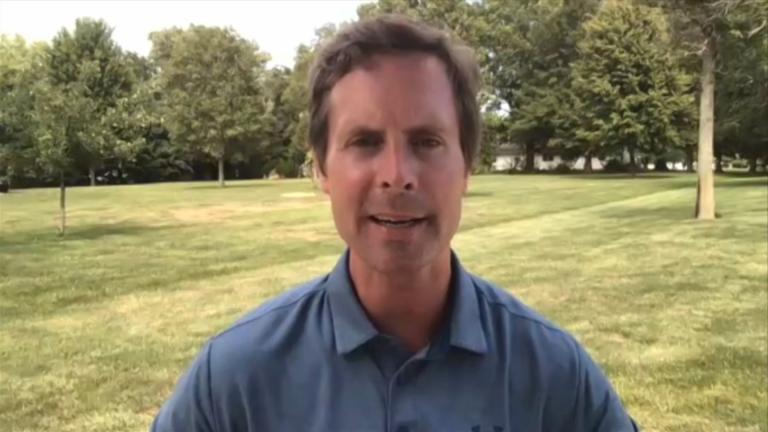

Illinois U.S. Rep. Rodney Davis says Chicago may have to call the National Guard back to the city if it is unable to prevent further looting. Davis and U.S. Rep. Raja Krishnamoorthi, a Democrat, join us in conversation.
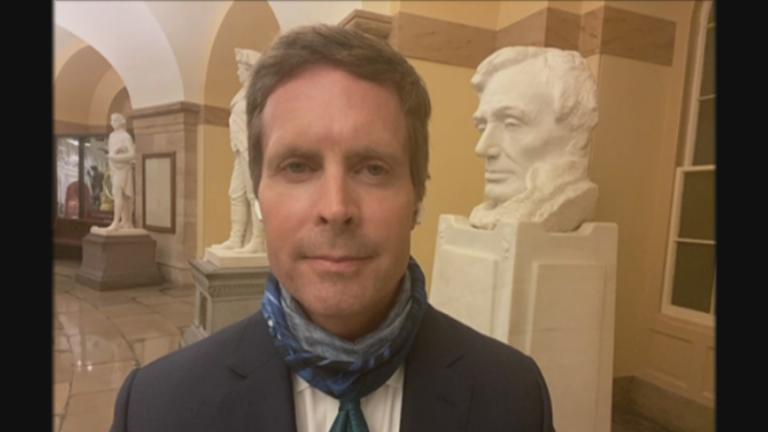
A central Illinois congressman who’d planned to spend all week touring communities across his district will instead finish it in self-isolation after testing positive Wednesday for COVID-19.
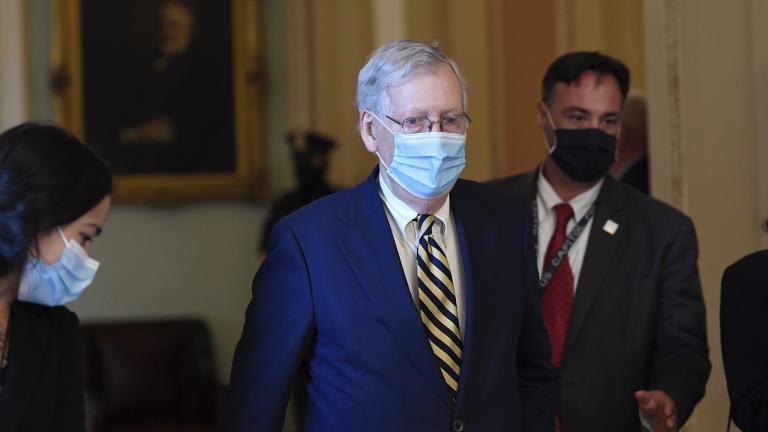
As cities and states across the nation struggle to get control of COVID-19, members of Congress butt heads over another stimulus package. Illinois U.S. Rep. Cheri Bustos weighs in on those topics and more.
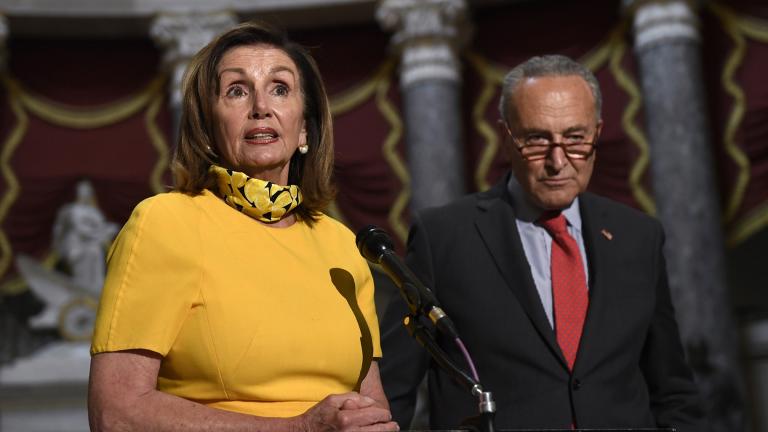
Negotiators on a huge coronavirus relief bill reported slight progress after talks resumed Monday afternoon in the Capitol, but multiple obstacles remain.
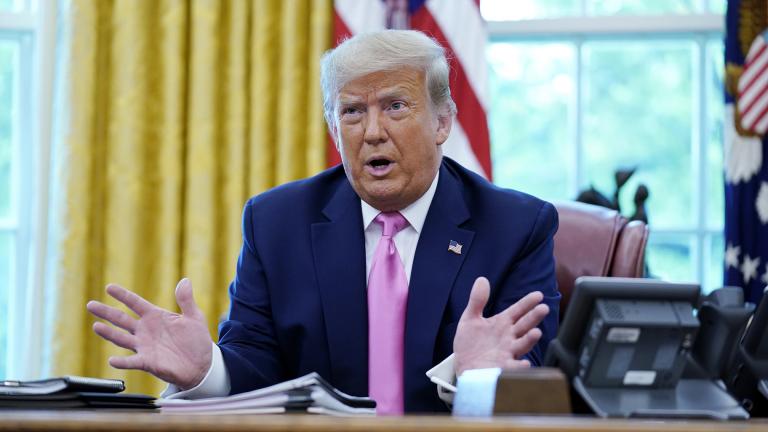
Divisions between the White House and Senate Republicans and differences with Democrats posed fresh challenges for a new federal aid package with the U.S. crisis worsening and emergency relief about to expire.
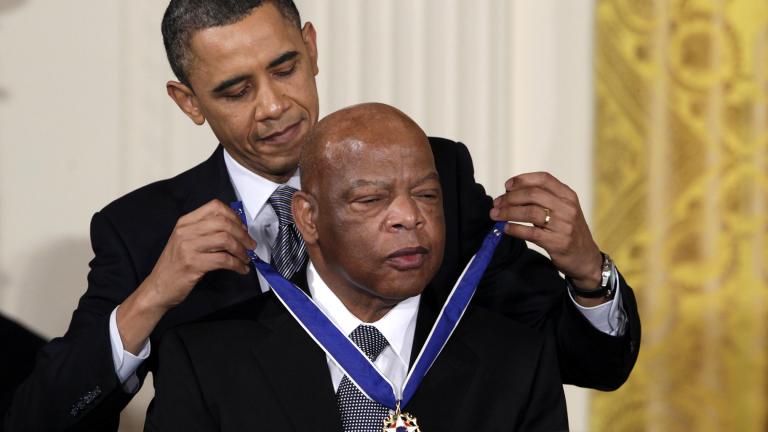
John Lewis, a lion of the civil rights movement whose bloody beating by Alabama state troopers in 1965 helped galvanize opposition to racial segregation, and who went on to a long and celebrated career in Congress, has died. He was 80.
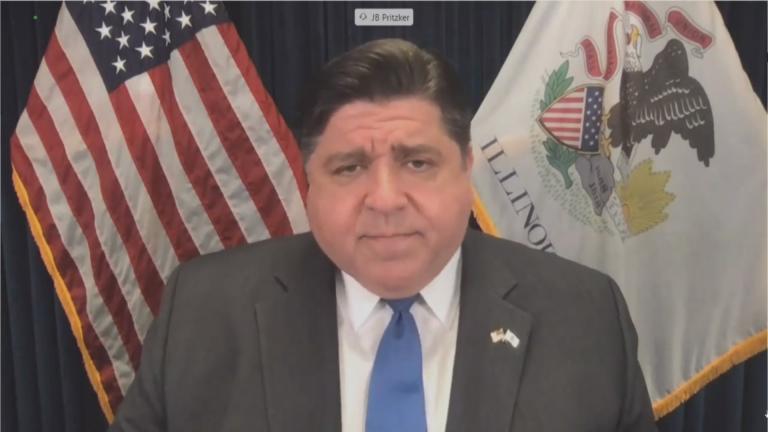
Testifying before a U.S. House committee on Wednesday, Gov. J.B. Pritzker outlined steps the federal government can take to respond to the worsening coronavirus pandemic, including a mandate on wearing face masks.
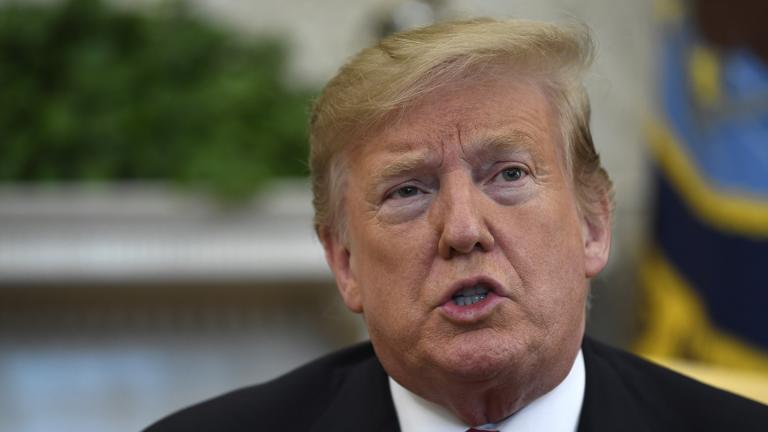
Top officials in the White House were aware in early 2019 of classified intelligence indicating Russia was secretly offering bounties to the Taliban for the deaths of Americans, a full year earlier than has been previously reported.
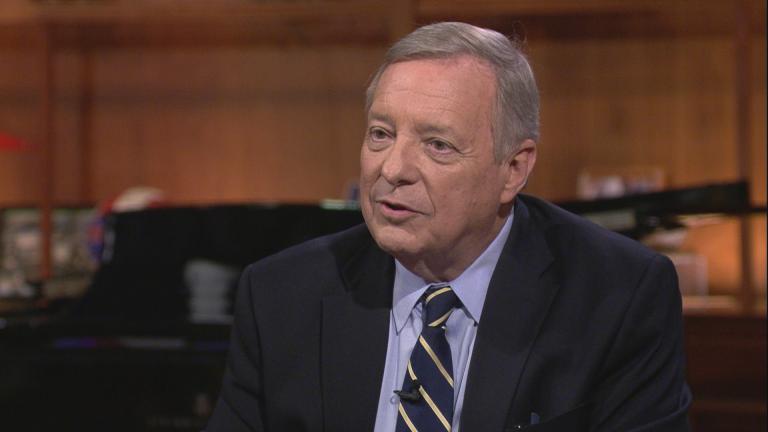
Illinois’ ability to withstand financial hits was anemic even before the global pandemic hit, but the novel coronavirus has led the state to craft a novel budget strategy. We talk COVID-19, unemployment and police reform with Illinois’ senior U.S. senator.
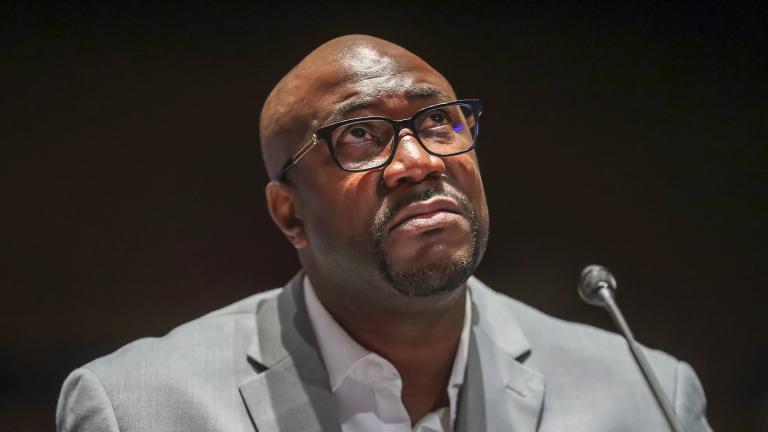
Philonise Floyd challenged Congress to “stop the pain” as lawmakers consider a sweeping law enforcement overhaul, so his brother George won’t be just “another name” on a growing list of black Americans killed during interactions with police.
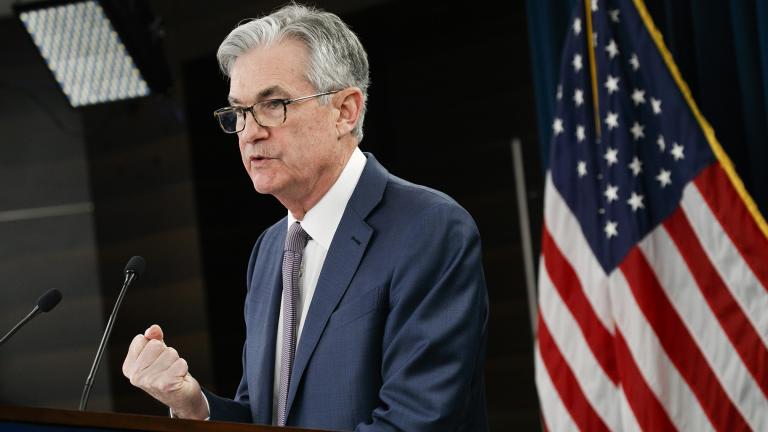
Facing the gravest U.S. economic crisis in decades, Treasury Secretary Steven Mnuchin and Federal Reserve Chair Jerome Powell offered Congress contrasting views Tuesday of what the government’s most urgent priority should be.
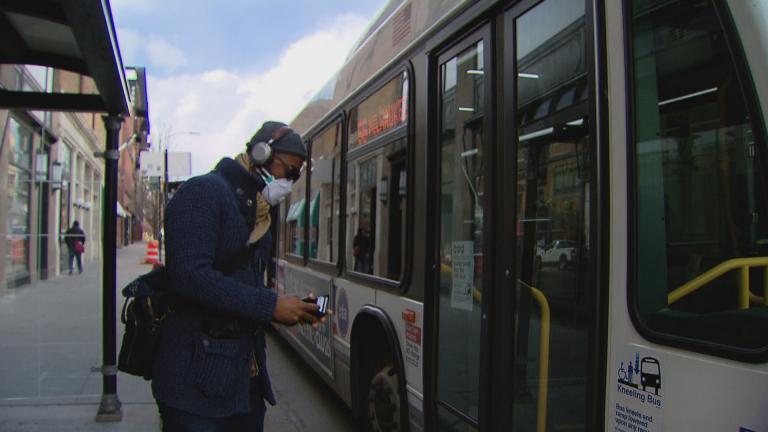
Keeping buses and trains running is costly, but public transit agencies in Chicago have yet to see money from the federal stimulus package that passed in late March.
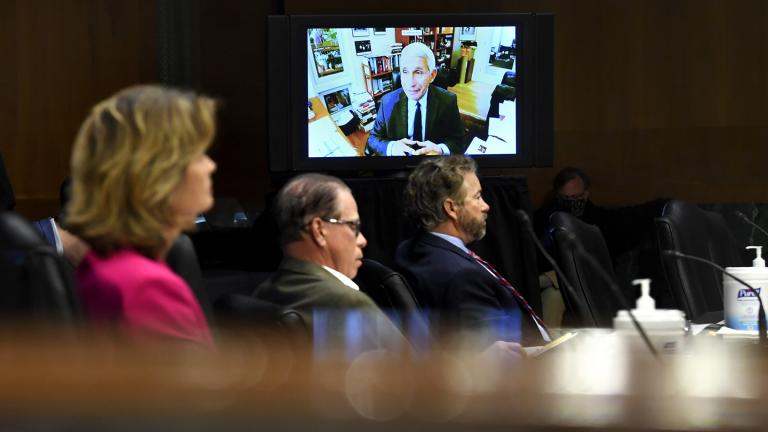
The U.S. government’s top infectious disease expert issued a blunt warning Tuesday that cities and states could “turn back the clock” if they lift coronavirus stay-at-home orders too fast. U.S. Sen. Dick Durbin weighs in.
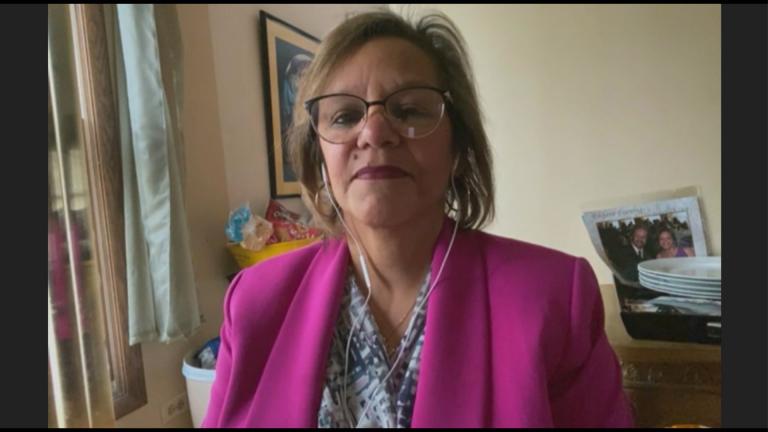
The COVID-19 pandemic has hit African American and Hispanic and Latino communities especially hard in terms of infection and death. We speak with U.S. Rep. Robin Kelly about health disparities, funding and more.
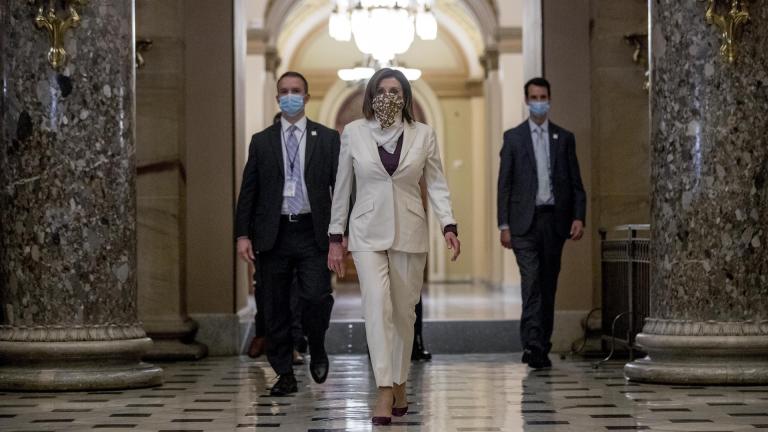
With no real plan to reopen Capitol Hill any time soon, the coronavirus shutdown poses an existential crisis that’s pushing Congress ever so reluctantly toward the 21st century option of remote legislating from home.
Trending
Who Is Running, or Thinking About Running, to Become Chicago’s Next Mayor

Suspend CPD Officers, Sergeant Repeatedly Accused of Making Improper Traffic Stops for a Combined 330 Days: Police Brass

Johnson’s Debt Refinancing Plan Results in Just Half of What He Promised, Forcing Officials to Scramble to Fill Budget Gap
Hilario Dominguez, Candidate for CPS Board President, Defends Conduct as Watchdog Reopens Probe Into Inappropriate Behavior Allegations

No Tax Hikes or Layoffs Needed to Close Cook County’s $550M Gap Thanks to ‘Budget Magic’: Preckwinkle

Sign up for the WTTW News newsletter