

Chicago Budget
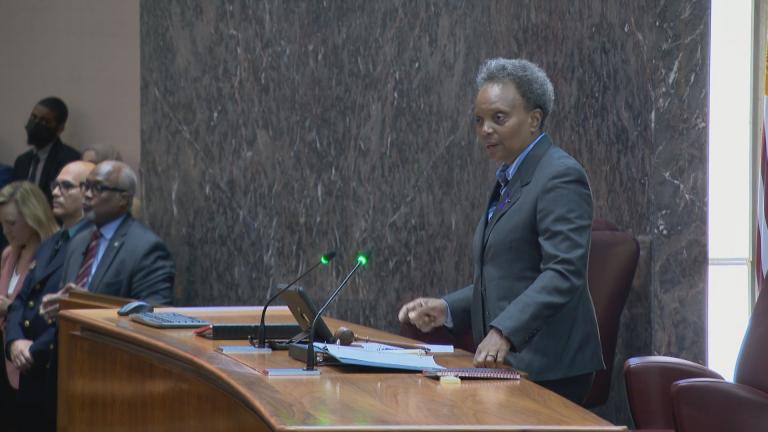
The upgrade is likely to boost efforts by Mayor Lori Lightfoot to convince Chicago City Council members to support her budget, which she hopes to pass on Nov. 7.

One year after the Chicago City Council approved what Lightfoot calls the Chicago Recovery Plan, city officials have spent just $130.5 million of the $1.227 billion earmarked for a host of programs including affordable housing, mental health, violence prevention, youth job programs and help for unhoused Chicagoans, according to data released as part of the mayor’s 2023 budget proposal.
Chief Financial Officer Jennie Huang Bennett faced pointed questions from members of the City Council’s Budget and Government Operations Committee on Thursday about the "advanced pension payment" proposal.
Mayor Lori Lightfoot’s plan to close a projected $170.6 million budget gap in 2023 relies on booming tax revenues that she said proves Chicago’s budget has fully recovered from the economic catastrophe caused by the COVID-19 pandemic.
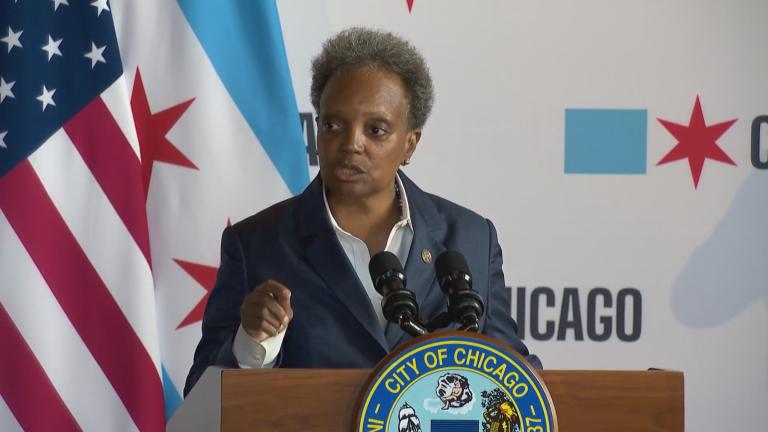
Mayor Lori Lightfoot did not explain Thursday how she would propose to bridge the city’s projected 2023 budget shortfall, which is now 33% bigger than the gap she detailed nearly two months ago.
In 2019, Chicago paid more than $1.31 billion to its four pension funds benefitting police officers, firefighters, municipal employees and laborers. In 2023, Chicago will pay more than $2.34 billion to the same four funds.
Chicago’s financial picture has been buoyed by the city’s red-hot real estate market and nearly $2 billion in federal aid designed to help the city withstand the ravages of the COVID-19 pandemic.
The first payments began to flow nearly nine months after the Chicago City Council approved the program’s funding as part of its 2022 budget.
Mayor Lori Lightfoot’s office will host three “budget engagement forums” on July 21, July 23 and July 30 to give Chicago residents a chance to “share their priorities regarding city services” and “have a dialogue” with the mayor, budget director and other city officials.
The $31.5 million program has enough funding to send just 5,000 Chicago families $500 per month for 12 months, officials said. Approximately 64% of applicants live below the poverty line, which is $26,500 for a family of four. An additional 40% of applicants live in households that earn half that amount, officials said.
Budget Director Susie Park unveiled the updated budget forecast during Wednesday’s meeting of the City Council’s Budget and Government Operations Committee, which holds a hearing to examine the city’s financial condition every quarter.
The $31.5 million program has enough funding to send just 5,000 Chicago families $500 per month for 12 months, officials said.
The program, which is expected to include 5,000 Chicago households, will study whether a universal basic income could reduce poverty in the city. Applications will close at 11:59 p.m. May 13.
A lottery will determine which Chicagoans suffering from the economic catastrophe unleashed by the COVID-19 pandemic will get $500 per month for a year as part of an effort to study whether a universal basic income could reduce poverty in the city.
The Chicago City Council approved Mayor Lori Lightfoot’s $16.7 billion budget on Wednesday with the backing of progressive members who celebrated the spending plan’s focus on affordable housing, mental health, violence prevention, youth job programs and help for unhoused Chicagoans.
The violent shootout and the lack of felony charges appeared to exacerbate the increasing pressure on Mayor Lightfoot and members of the Chicago City Council to reduce violent crime which has soared to levels last seen in the 1990s.
Trending
2026 Chicago Festival Guide

CPD Sergeant Who Led Botched Raid at Home of Anjanette Young Now Working as a Suburban Police Detective

Woman Charged With Fatally Stabbing 7-Year-Old Girl Walking in Chicago Saturday
Key City Panel Unanimously Agrees to Pay $260.8M to Resolve 16 Lawsuits Tied to Disgraced Ex-CPD Detective Reynaldo Guevara
Marimar Martinez Hopes New Lawsuit Could Spur Criminal Charges 1 Year After Border Patrol Agent Shot Her
Sign up for the WTTW News newsletter