

Astronomy
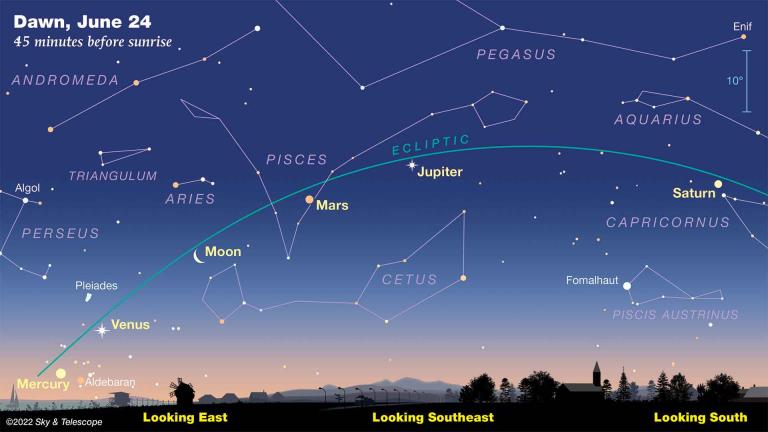
The five planets that are visible to the naked eye are now lining up in a particularly unique formation in the early morning hours, all of them appearing in the same part of the sky. Want to catch the show? We’ve got tips.
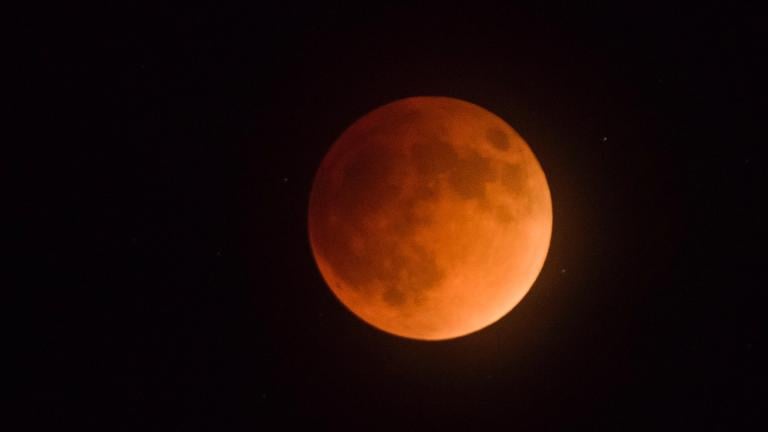
After a string of clear, sunny days, rain and clouds are expected to move in for the weekend. Depending on the extent of the cloud cover, the eclipse could still deliver an “ooh-aah” moment, or it could be a womp-womp for Chicago.
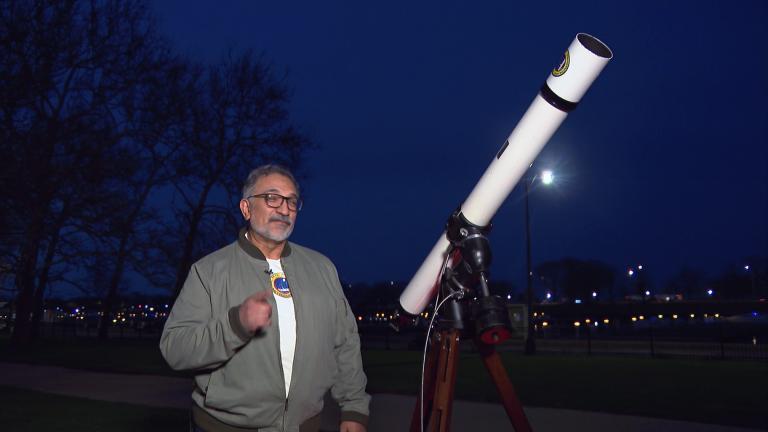

A celestial show is coming to Chicago next weekend - on the evening of Sunday, May 15, a lunar eclipse will grace the night skies. Chicago astronomer Joe Guzman says it's a great reason to spend an evening moongazing.
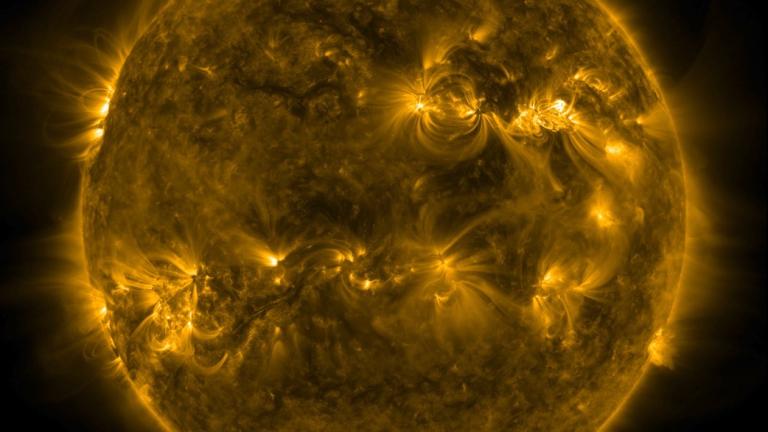
The Sun put on a spectacular show Wednesday, emitting a “significant solar flare,” according to NASA. Now scientists are bracing to see what the resulting space weather will have in store for Earth.
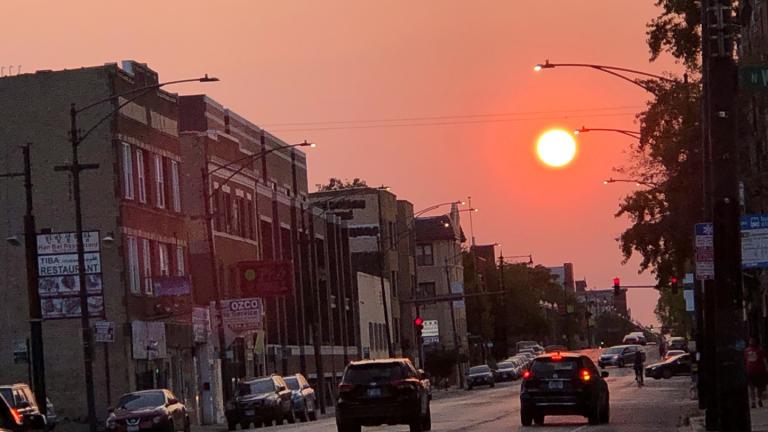
Equinoxes are always extra special in Chicago, thanks to the city’s grid. The sun rises due east and sets due west on the equinox, creating a phenomenon known as “Chicagohenge“ (in reference to Stonehenge), when the sun is strikingly framed by the city’s skyscrapers. The official start of astronomical spring takes place Sunday at 10:33 a.m.
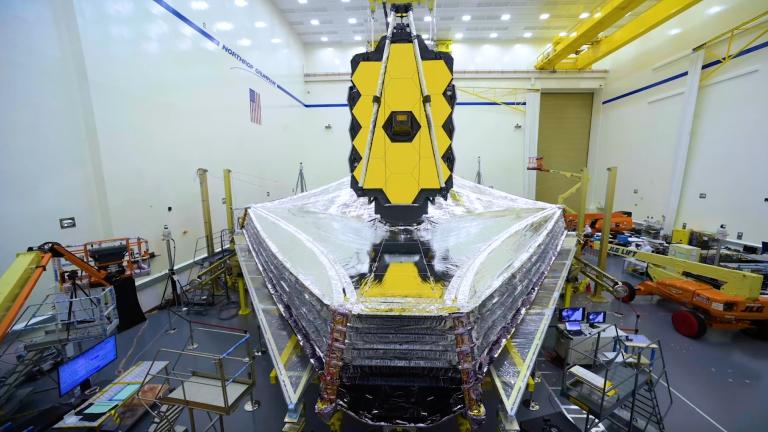
The highly anticipated launch of the James Webb Space Telescope has been delayed multiple times.
NASA prepares to launch the most powerful space telescope ever. Local astronomers share some up-close details.
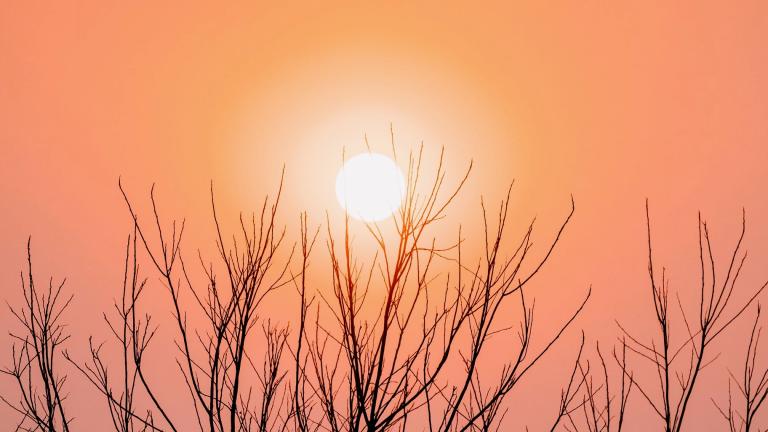
Celebrate the winter solstice Tuesday at a solar gazing event on the 606 Bloomingdale Trail, which boasts a solstice “notch” to frame sunsets.
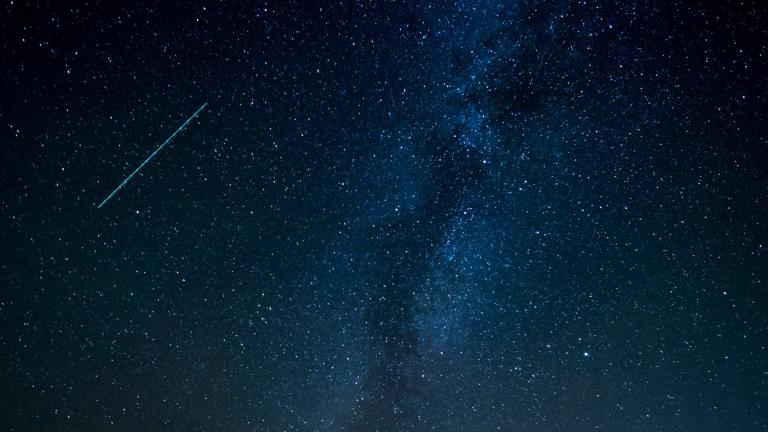
Comet Leonard, discovered in January of this year by astronomer Greg Leonard, is racing toward the sun and will make its closest pass of Earth in the coming days. The Adler Planetarium is hosting a viewing session Tuesday morning.
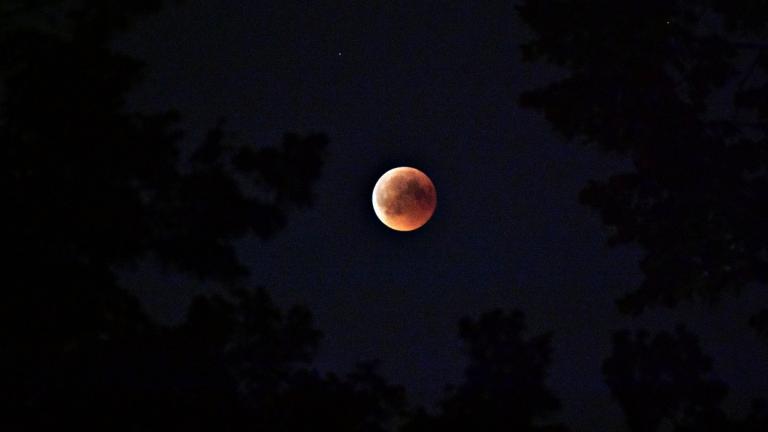
For once, the weather cooperated in Chicago. Astronomers at the Adler Planetarium proclaimed: “What a stellar view!”
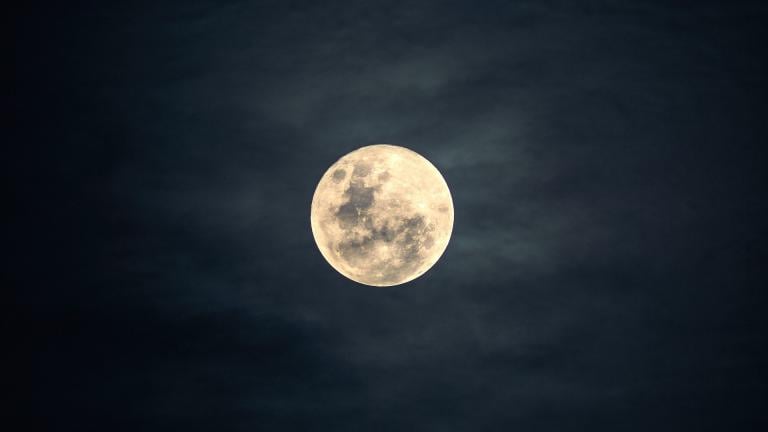
If the skies are clear, Chicagoans will have an excellent chance of seeing the eclipse Friday morning, with the best hours for viewing the event being approximately 1:30-4:30 a.m.
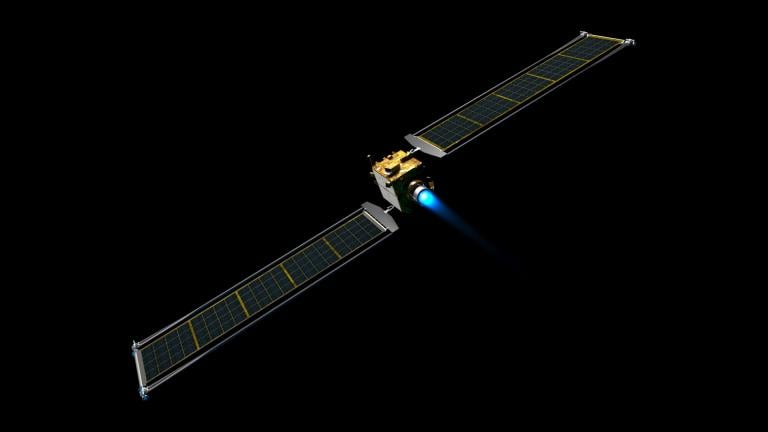
A NASA mission to deflect an asteroid – it’s been the premise for more than one Hollywood movie – but next month NASA launches its DART mission that aims to do it for real.
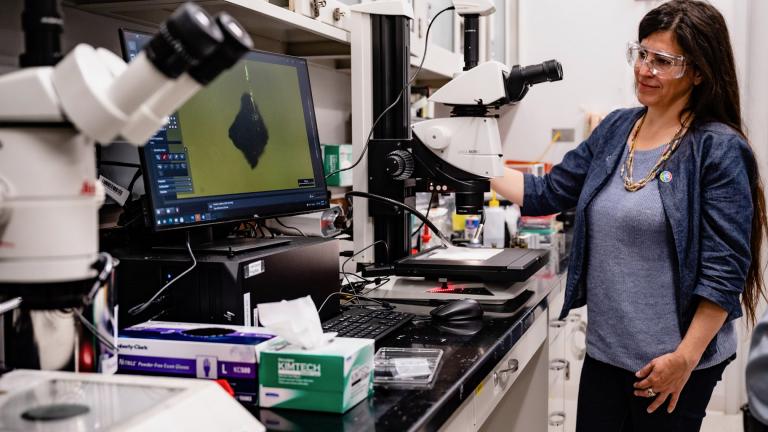
Tiny fragments from an asteroid could shed light on the early development of the solar system, thanks to the unique capabilities of Argonne National Laboratory.
Two harbingers of autumn — the harvest moon and fall equinox — are occurring within days of each other this week, which will make for some interesting sunsets and moon rises. And keep an eye out for “Chicagohenge.”
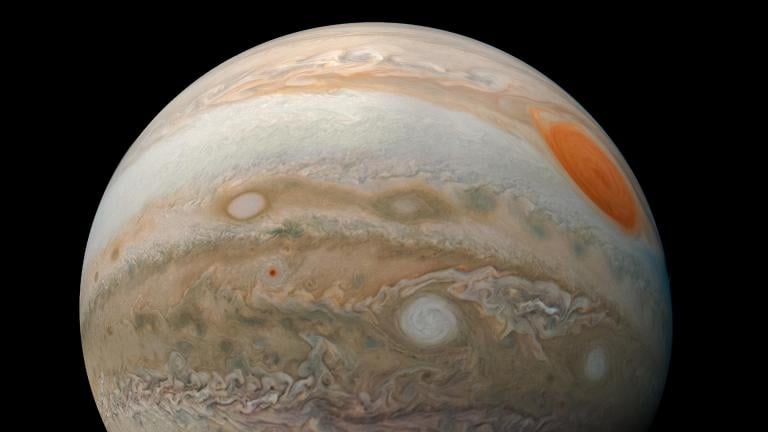
Jupiter and Earth are currently about as close as they get to each other. The outer planet is visible from sunset to sunrise and is among the brightest objects in the sky.
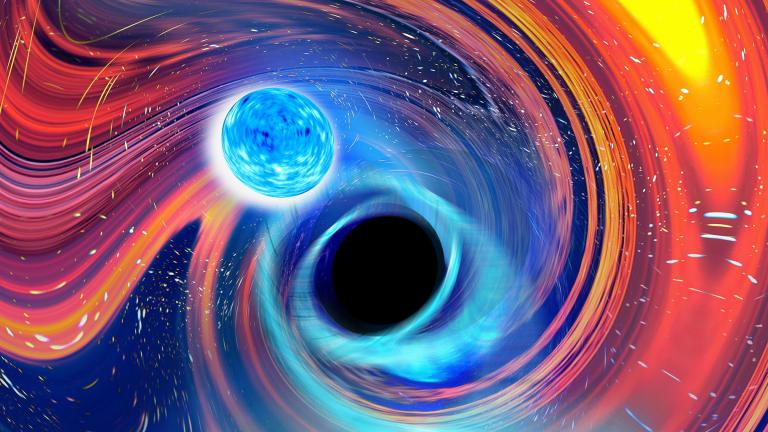
Talk about a heavy snack. For the first time, astronomers have witnessed a black hole swallowing a neutron star, the most dense object in the universe — all in a split-second gulp.
Trending
2026 Chicago Festival Guide

CPD Officer Who Fired 3 Shots at Suspected Carjacker on 606 Trail Faces Firing: Records

Interim NITA Director Earning $350K Salary While Also Collecting $213K Annual City Pension, Records Show

Firm Set to Buy Chicago’s Parking Meters Sells Airline That Carried Out Deportations

Chicago Woman Accused of Social Security Fraud After Hiding Mother’s Body in Freezer for 2 Years

Sign up for the WTTW News newsletter