

American History
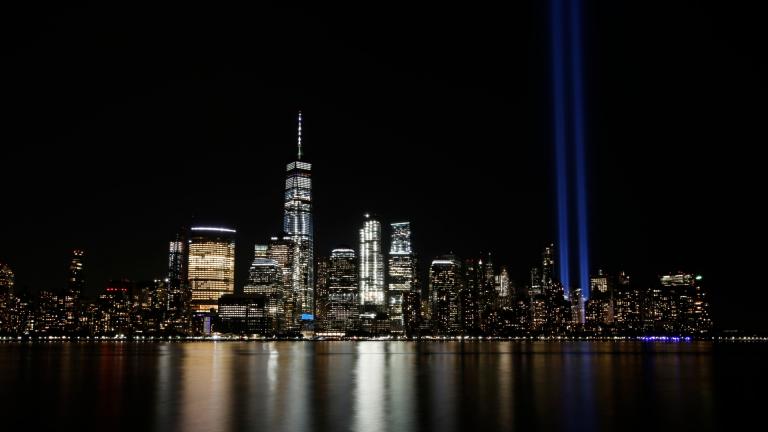
In a year when the coronavirus pandemic has reshaped countless American rituals, even the commemoration of 9/11 could not escape unchanged.
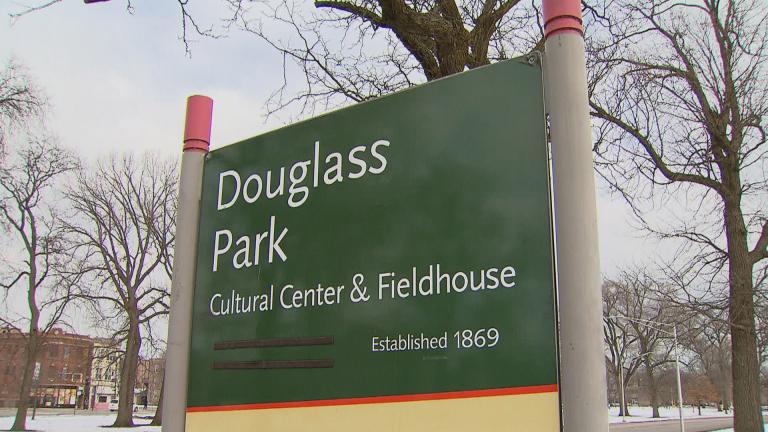
After a three-year, student-led grassroots campaign, the Chicago Park District Board of Commissioners voted to officially remove the name of Stephen Douglas from what’s now temporarily known as Park 218.
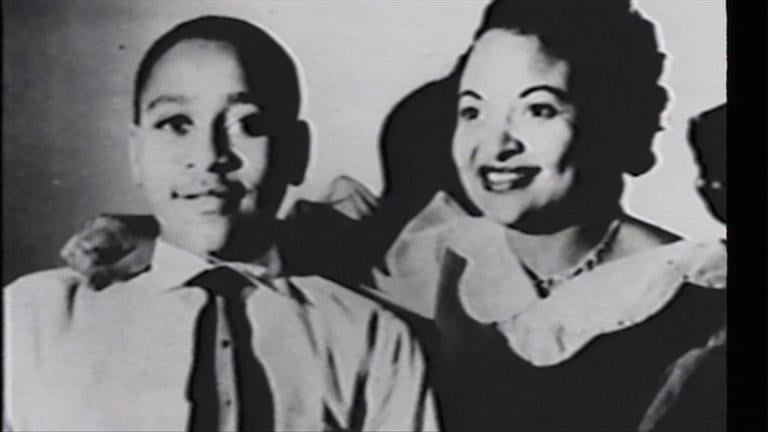

The painful legacy of Emmett Till seems fresh amid this era of civil unrest. We reflect on his death with Ollie Gordon, Till’s cousin, and Chris Benson, who co-authored an autobiography of Mamie Till-Mobley, Till’s mother.
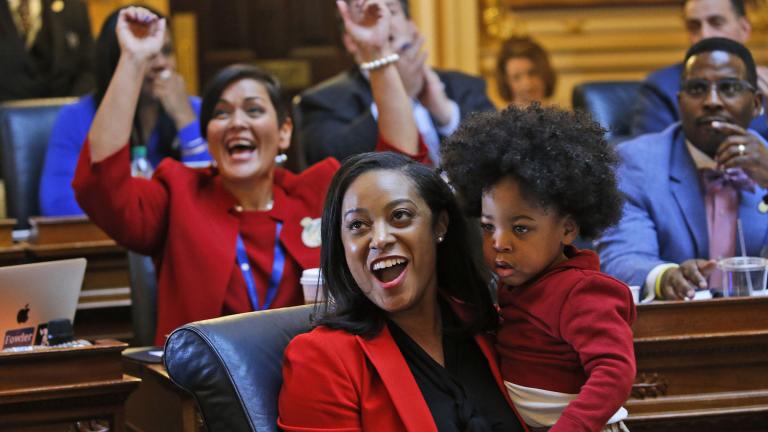
It was a huge step forward for American women when, exactly 100 years ago, they finally gained the guaranteed right to vote with ratification of the 19th Amendment. But to Alice Paul, the step wasn’t nearly large enough.
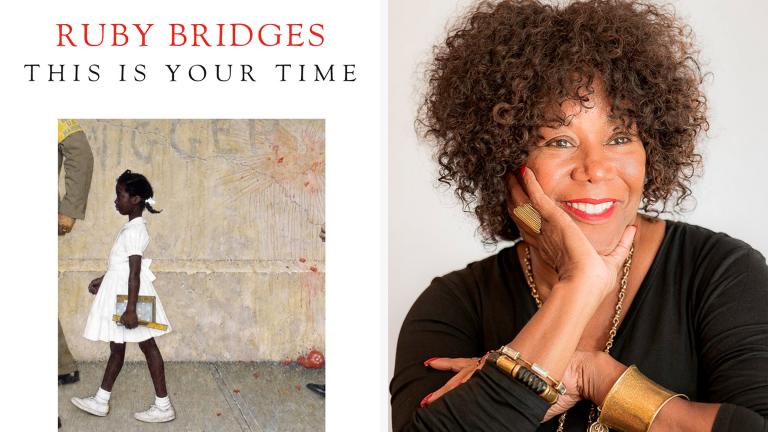
Civil rights activist Ruby Bridges has written a children’s book with a candid telling of the past and positive message for the future, inspired by the Black Lives Matter protests.
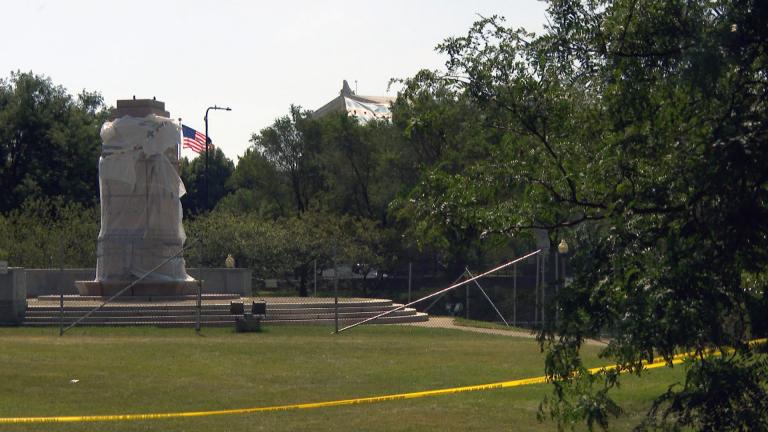
After protests forced Mayor Lori Lightfoot to remove the city’s statues of Christopher Columbus, the city will launch an effort to “provide a vehicle to address the hard truths of Chicago’s racial history,” the mayor’s office announced Wednesday.
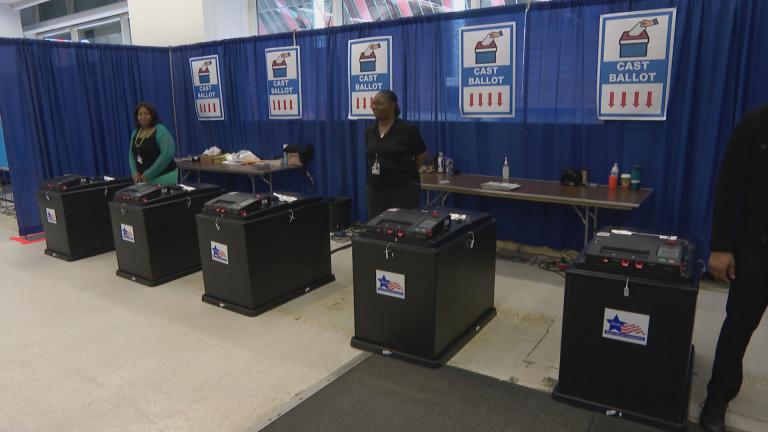
Thursday marks the 55th anniversary of the Voting Rights Act. Where the fight for ballot access goes next.
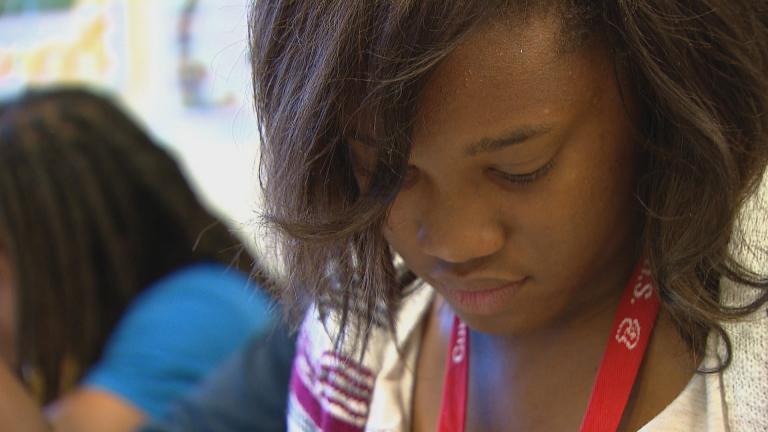
Is it time to abolish, or radically alter the way history is taught in Illinois schools? A debate over how the subject is taught.
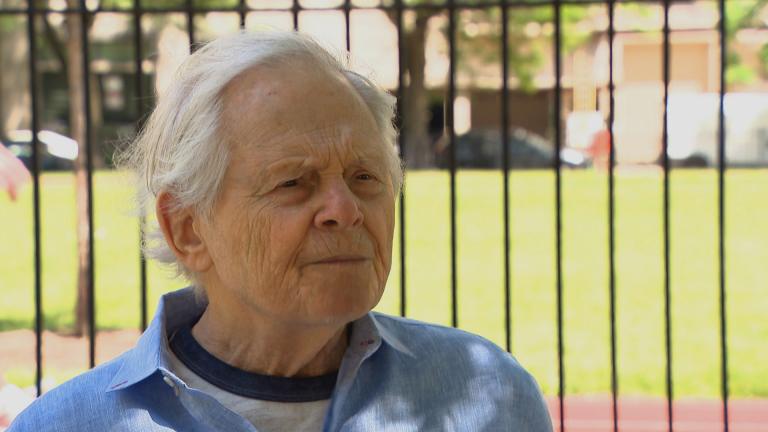
He took memorable pictures of Martin Luther King Jr. and traveled with writer James Baldwin. Steve Schapiro talks about what he witnessed in the United States back then — and what he is seeing today.

The Secret Service agent who took a bullet to protect President Ronald Reagan has spent the last 26 years as chief of police in Orland Park. We speak with Tim McCarthy ahead of his Aug. 1 retirement.
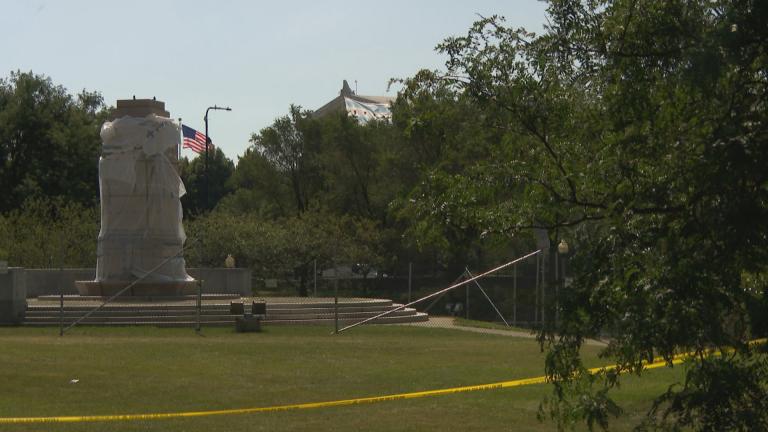
Mayor Lori Lightfoot ordered the temporary removal of two Christopher Columbus statues in Chicago last week following protests that turned violent. Now, activists are hoping to make their removal permanent — but the debate isn’t over.
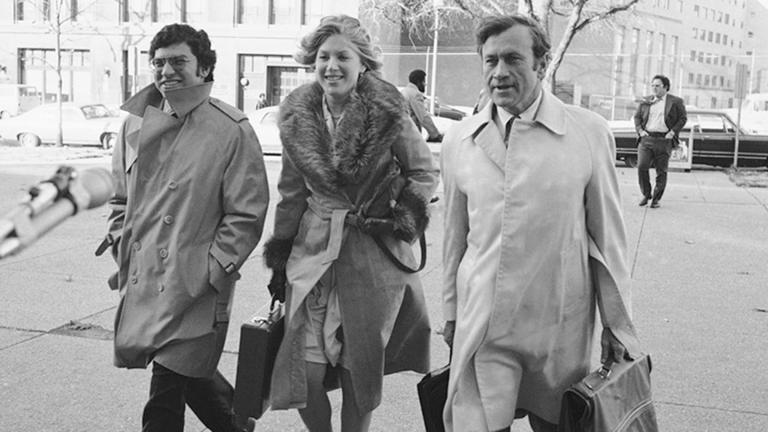
She broke many barriers as an attorney in a male-dominated arena, but perhaps her greatest battle was as a tough-questioning prosecutor in the Watergate case. We speak with Chicago native Jill Wine-Banks.
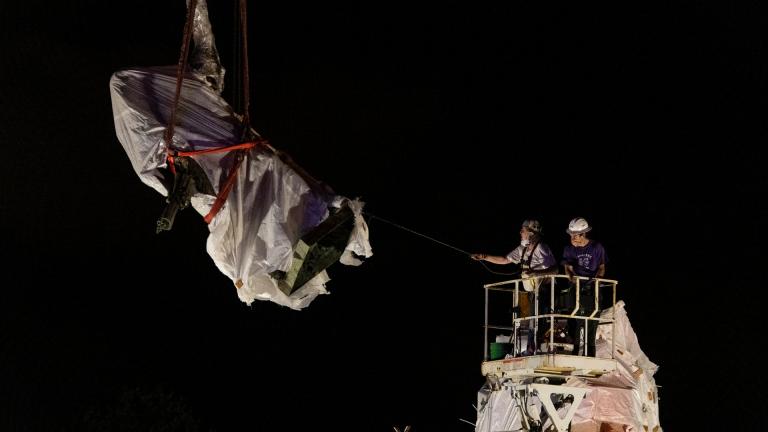
While some aldermen praised Mayor Lori Lightfoot’s decision to take down the statues of Christopher Columbus, others said Friday she should not have acted unilaterally in the middle of the night.
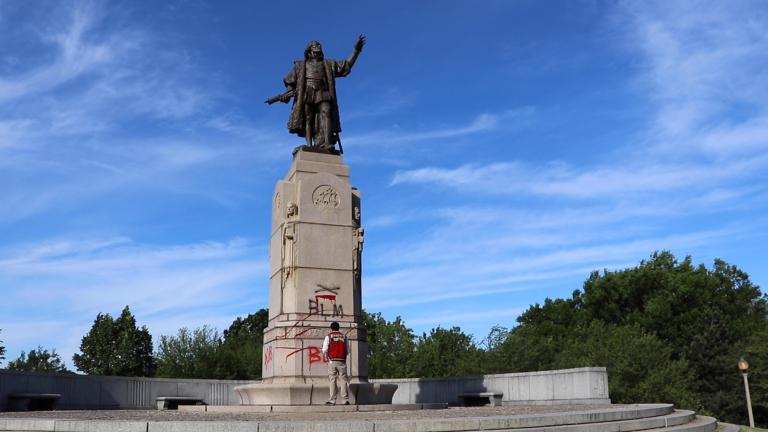
A towering likeness of Christopher Columbus no longer stands in Chicago’s Grant Park after Chicago Mayor Lori Lightfoot ordered for its “temporary” removal.
Students leading the movement to change the name of Douglas Park said they were frustrated to have been left out of the board’s meeting Wednesday, and for their broader campaign to have been ignored.
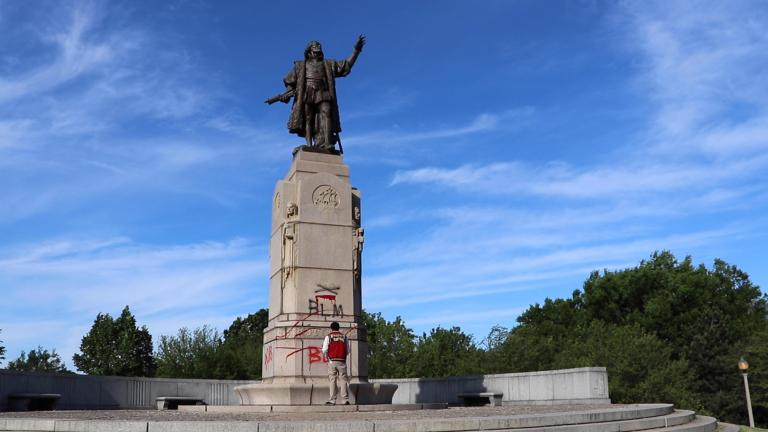
Activists and elected officials condemned violence by Chicago police and again called on Mayor Lori Lightfoot to remove a Christopher Columbus statue that became the site of a clash between demonstrators and officers Friday evening.
Trending
Who Is Running, or Thinking About Running, to Become Chicago’s Next Mayor

Suspend CPD Officers, Sergeant Repeatedly Accused of Making Improper Traffic Stops for a Combined 330 Days: Police Brass

No Tax Hikes or Layoffs Needed to Close Cook County’s $550M Gap Thanks to ‘Budget Magic’: Preckwinkle
Hilario Dominguez, Candidate for CPS Board President, Defends Conduct as Watchdog Reopens Probe Into Inappropriate Behavior Allegations

Johnson’s Debt Refinancing Plan Results in Just Half of What He Promised, Forcing Officials to Scramble to Fill Budget Gap
Sign up for the WTTW News newsletter