

Adler Planetarium

Chicago Public School students can kick off their last week of freedom at one of several Chicago institutions. Learn more.
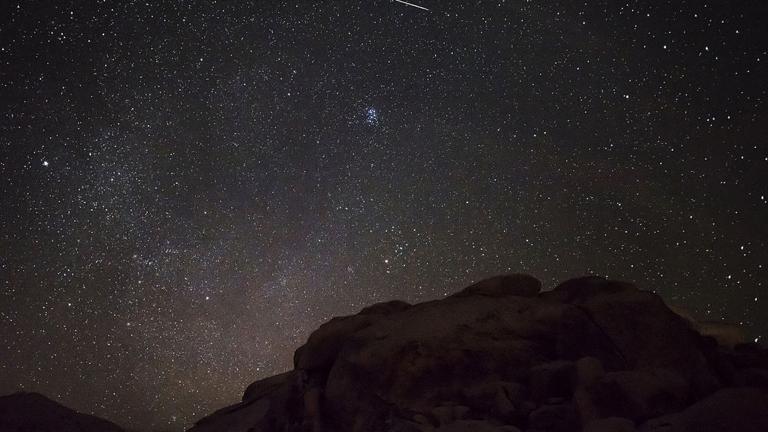
Peak activity for the Perseids is expected to be Thursday and Friday, according to NASA. The best time to view the meteors is between midnight and dawn, no telescope required.


Juno is set to uncover what Jupiter has been hiding. After a five-year, 1.75 billion mile voyage, NASA's spacecraft named after a Roman goddess successfully entered into orbit around the largest planet in our solar system Monday night.

He's best known for having killed Pluto, but astronomer Mike Brown may have found a replacement planet in the outer reaches of our solar system and it forms the basis of a new Adler Planetarium show.

Attendance was down 30 percent last year at the museum, largely due to its hugely popular retrospective of David Bowie's career–the museum's most-attended exhibition ever. Most other Chicago museums fared better, according to 2015 attendance data compiled by Museums in the Park.
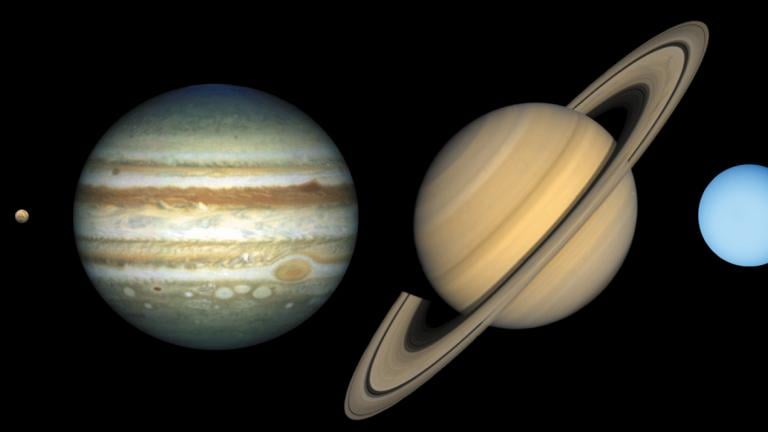
For the first time in a decade, five planets will be visible at the same time in the pre-dawn sky – and you won't need a telescope to see them.
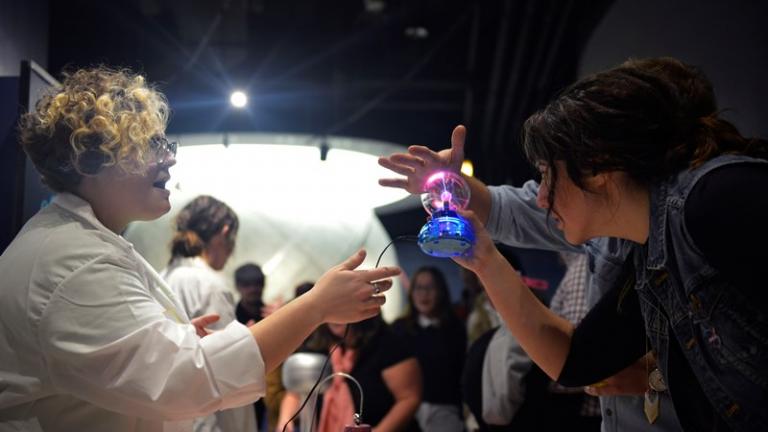
The Penn State astronomer will discuss his involvement in an astrological event from 2014 which many at the time speculated to be a sign of alien life.

With an average of 60 to 70 meteors per hour and roughly one or two sightings per minute during its peak, the Geminids offers the most abundant, reliable meteor show of the year. Find out when to turn your eyes to the sky.

When we think wildlife, most of us think national parks and far-off forests. But an interactive science project called Chicago Wildlife Watch wants to show us that wildlife is, quite literally, right in our own backyards and outside our high-rise balconies. Seth Magle, director of the Urban Wildlife Institute at the Lincoln Park Zoo, tells us about Chicago Wildlife Watch and how we can all answer the call of the wild.

The new Matt Damon movie "The Martian" rocketed to the top of the box-office this past weekend, but how accurate is its rocket science? Our panelists give us their review of the physics and psychology of the cinematic trip to Mars.

Weather permitting, the Chicago area will be treated to prime time, front-row seats for a rare astronomical phenomenon Sunday evening when a total lunar eclipse of a simultaneous harvest moon, supermoon and blood moon rises above the horizon.
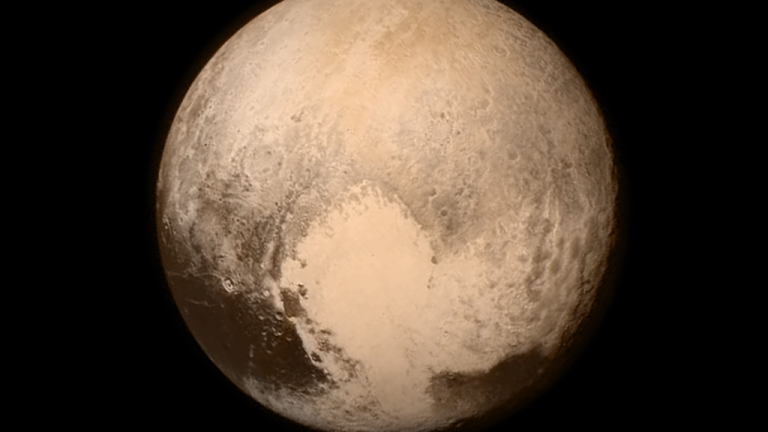
Pluto finally got a visitor from Earth, 85 years after the dwarf planet’s discovery. Completing a nine-year, 3-billion-mile voyage, NASA's New Horizons spacecraft reached the former ninth planet of our solar system on Tuesday. We'll discuss the milestone flyby with astronomers from the Adler Planetarium.
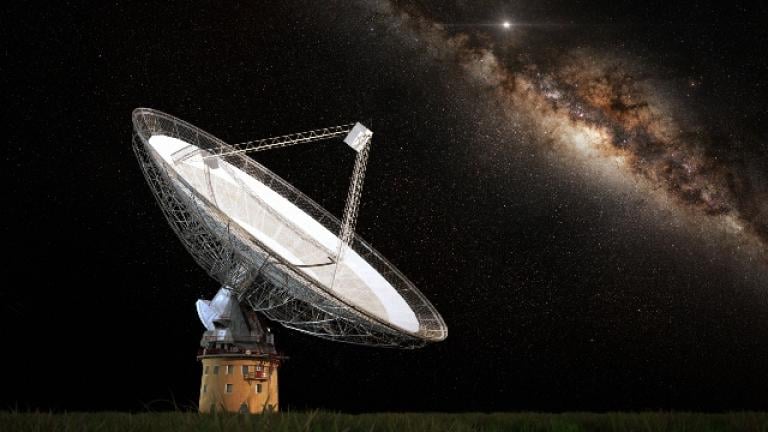
An Adler Planetarium astronomer tells us whether earthlings may, at long last, be hearing from other intelligent life in the universe.

From close encounters with a speeding comet to an intimate visit with mysterious Pluto, we examine the most fascinating stories from the final frontier.
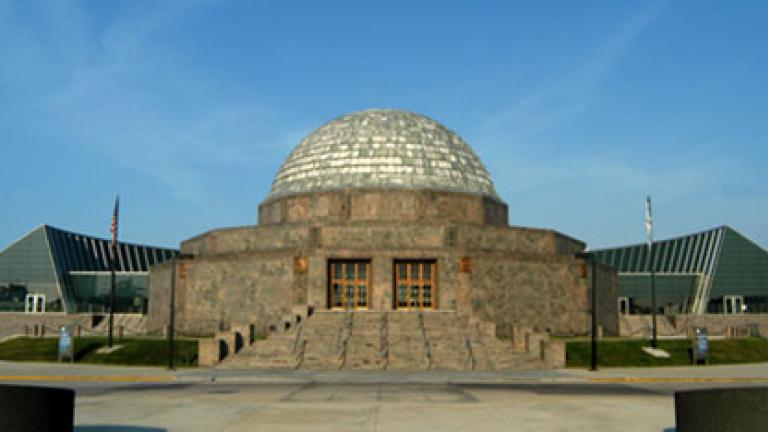
If you've ever dreamed of leaving our planet to visit otherworldly destinations, it just got a bit easier to do. On May 16, Adler Planetarium is set to open its newest space adventure, “Destination Solar System." Adler President Michelle Larson joins us to talk about the new show, more.

The movie Gravity, starring George Clooney and Sandra Bullock, has become a runaway box office hit and critical success. And while it’s been hailed for its groundbreaking technical accomplishments, how realistic is it? We hear from some Adler Planetarium astronomers about what they thought of the scientific aspects of the film. Read an Q & A.
Trending
Interim NITA Director Earning $350K Salary While Also Collecting $213K Annual City Pension, Records Show

Early Voting for November General Election Kicks Off in Downtown Chicago

Uptown Theatre Added to Open House Chicago, Catch a Rare Glimpse Inside Gilded Jewel

City Lawyers Propose Spending $260.8M to Settle 16 Cases Tied to Disgraced Ex-CPD Detective Guevara

Chicago Woman Accused of Social Security Fraud After Hiding Mother’s Body in Freezer for 2 Years

Sign up for the WTTW News newsletter