

Science & Nature

For an animal that has its own holiday, the groundhog kind of flies under the radar. Let’s get to know it better.
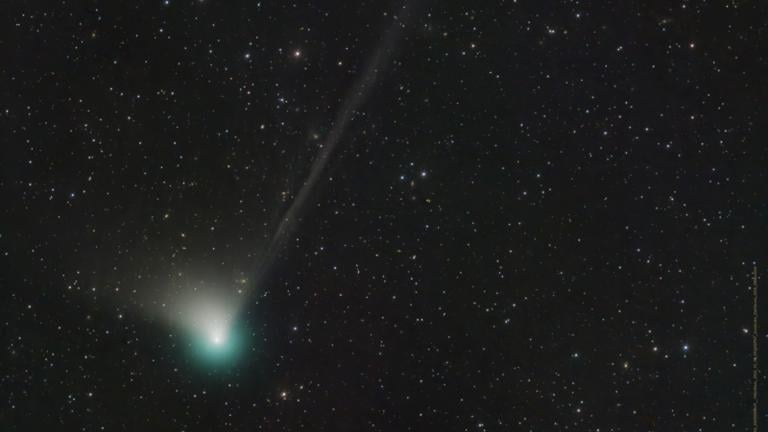
The Green Comet is making its closest pass to Earth Wednesday night and the skies are looking clear enough for Adler Planetarium to host a virtual viewing party.


Oil refineries are discharging toxic pollutants into our waterways and the Great Lakes with little oversight from regulators, according to a new report from the Environmental Integrity Project, a nonpartisan nonprofit group that advocates for enforcement of environmental law

A federal evaluation of Chicago’s shoreline by the U.S. Army Corps of Engineers will no longer include Promontory Point — because the Point is getting a review all its own.

If the embattled online retailer still wants to build its tower in Skokie, the company will have to start the approval process back at square one, village trustees said.

Headlines spun out of control when it came to new research results on the Earth’s core. In other news, narwhals have had it with noisy neighbors.

Admission for a Chicago adult will increase from $9 to $15 at the Peggy Notebaert Nature Museum and from $18 to $21 at the Field Museum. The Park District Board of Commissioners approved the hikes Wednesday.

WTTW News explains the science behind lake effect snow. (Hint: We’re lucky to be on this side of Lake Michigan.)

Lingering lake effect snow could make the evening rush hour an equal exercise in patience, according to the National Weather Service.
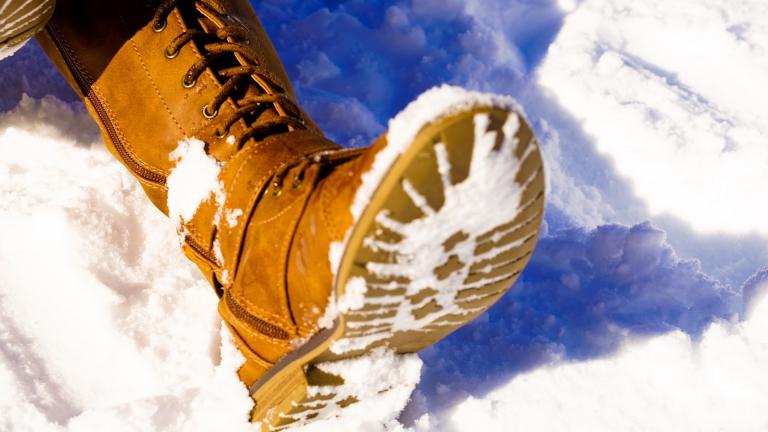
The National Weather Service is trackiThe National Weather Service is tracking a storm set to hit late Tuesday, with peak snowfall during Wednesday morning’s commute. The greatest snow totals are expected east of I-55 and south of I-80.ng a storm set to hit late Tuesday, with peak snowfall during Wednesday morning's commute. The greatest snow totals are expected east of I-55 and south of I-80.

Pending confirmation by the Illinois Senate, Natalie Phelps Finnie is poised to become just the second woman to head the Illinois Department of Natural Resources, following in the trailblazing footsteps of her immediate predecessor Colleen Callahan.

The exceptional find is heading to the Royal Belgian Institute of Natural Sciences in Brussels, where it will be studied. And Maria Valdes, a research scientist at Chicago’s Field Museum of Natural History and the University of Chicago who was part of the expedition team, has kept some of the material for her own analysis.
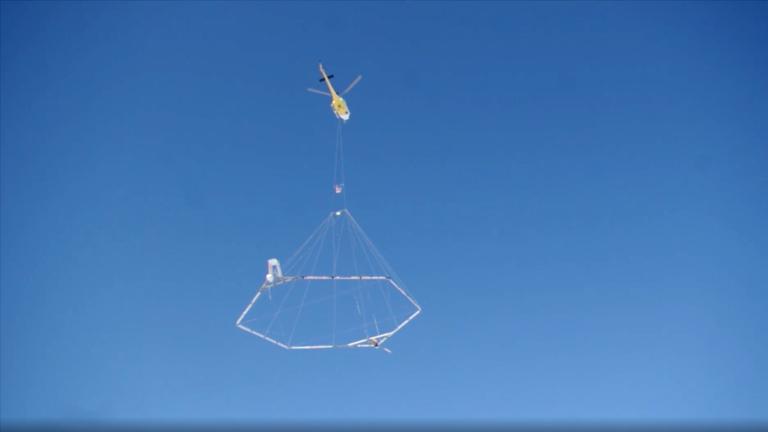
A low-flying helicopter, towing what looks like a giant hula hoop, is set to pass over a wide swath of the state's midsection into Northwest Indiana, surveying the Illinois River watershed.

It’s a public relations challenge that could determine whether the country meets President Joe Biden’s ambitious goal to cut greenhouse gas emissions in half by 2030.
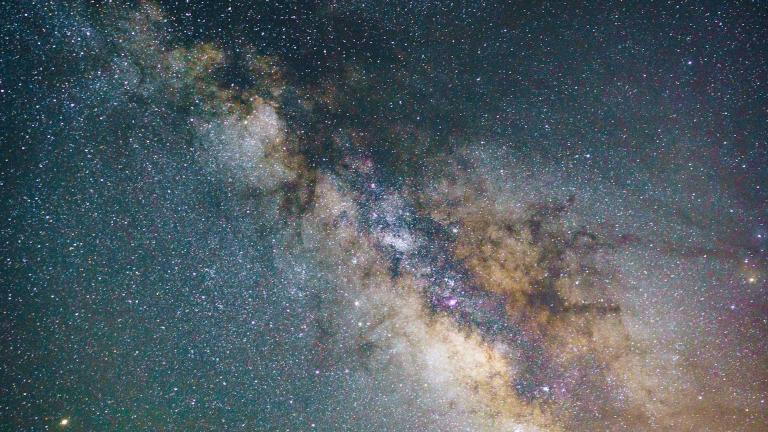
Looks like we’re going to have to come up with replacements for terms like “starstruck” and “starry-eyed.” Scientists say the visibility of stars is rapidly fading as light pollution increases.

PFAS are called "forever chemicals" because they fail to break down easily in the environment. Chemicals leach into the nation's drinking water and accumulate in the bodies of fish, shellfish, livestock, dairy and game animals.
Trending
2026 Chicago Summer Festival Guide

Obama Presidential Center Unveils Official Portrait of Barack and Michelle Obama

‘Pandora’s Box Has Been Opened’: Judge Blasts US Attorney Andrew Boutros as Another Case Tied to ‘Broadview Six’ Scandal Falls Apart

Chicago Paid $2.7M for System Designed to Flag Officers With Multiple Complaints: Records

EF-2 Tornado Near Midway Among 20 Tallied So Far From Last Week’s Storms, Weather Service Says

Sign up for the WTTW News newsletter