

Science & Nature
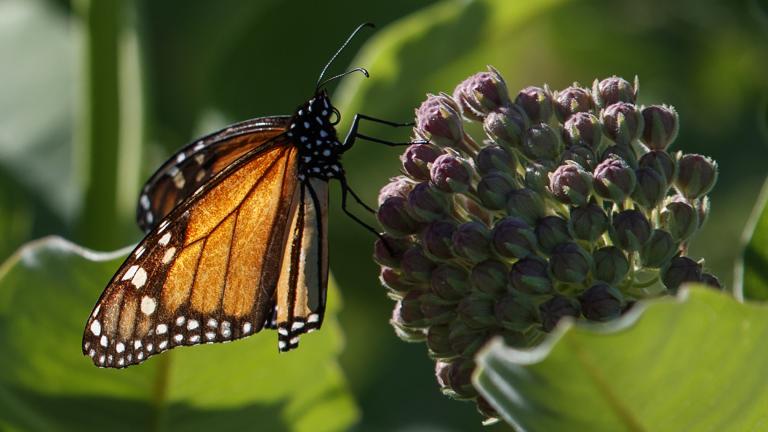
Monarchs are in trouble, despite efforts by volunteers and organizations across the United States to nurture the beloved butterfly. And the Trump administration’s new order weakening the Endangered Species Act could well make things worse.
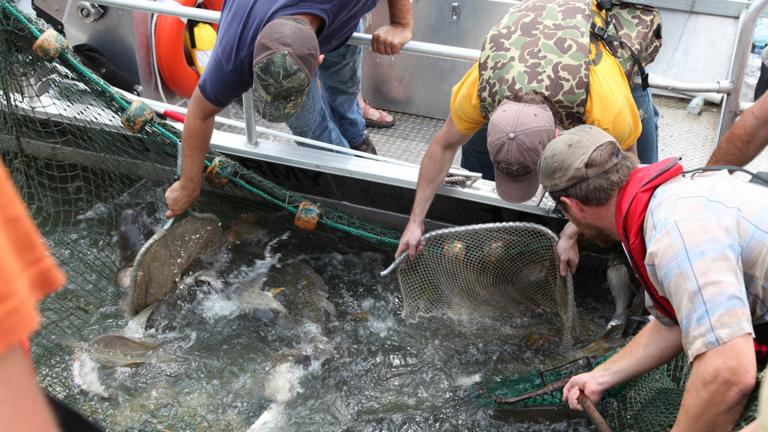

Asian carp will certainly survive and most likely thrive if they are able to make their way into Lake Michigan, according to a study released Monday by the University of Michigan.

More than 30 countries have banned cosmetics testing on animals, and while the practice hasn’t been banned in the U.S., Illinois is now the third state to enact “humane cosmetics” legislation. The new law takes effect Jan. 1, 2020.
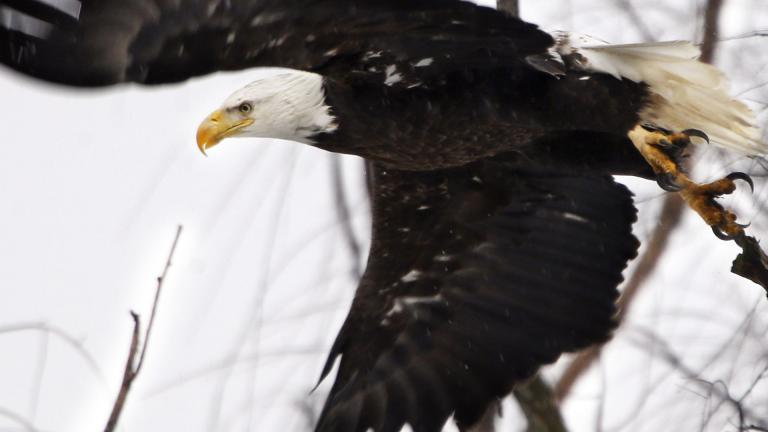
Under the enforcement changes, officials for the first time will be able to publicly attach a cost to saving an animal or plant. Blanket protections for creatures newly listed as threatened will be removed.

Why some Illinois Facebook users are suing the company over its facial recognition software for photos.
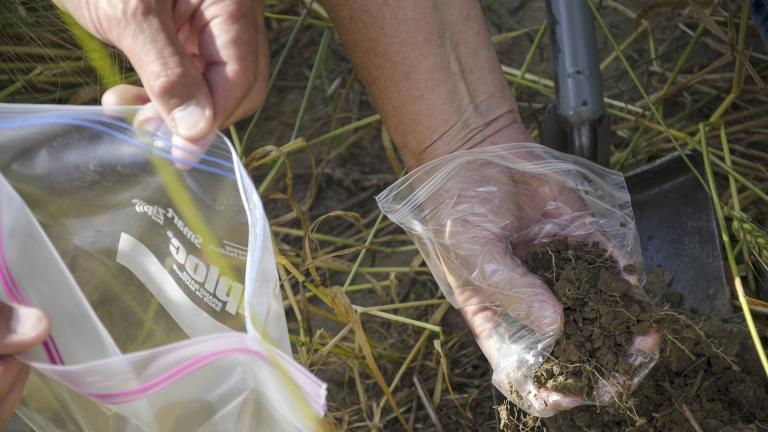
As urban agriculture programs expand in Chicago and other cities, a new project aims to unearth data on one of the biggest potential obstacles to city-based farming efforts: soil contamination.

What lies below the surface of the Chicago River today is not what it was a century ago, but pollution is still a problem. A Chicago nonprofit aims to offer real-time water quality data to the public later this year.
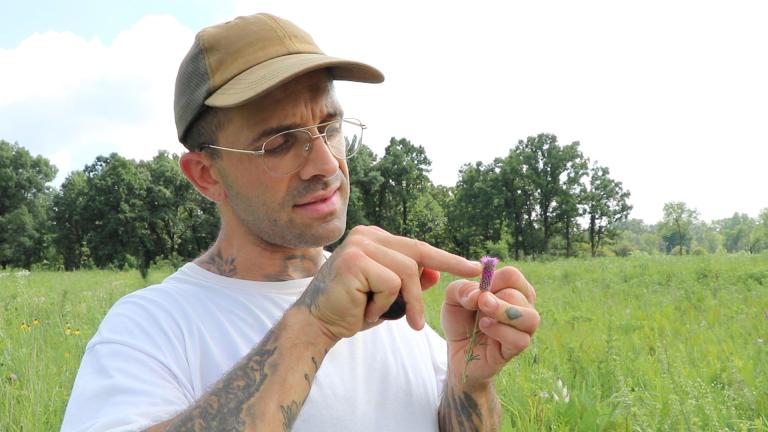
Joey Santore isn’t your typical plant expert, but his colorful style and depth of knowledge have proved popular. We go for a stroll through Wolf Road Prairie, an 80-acre nature preserve in Chicago’s western suburbs.
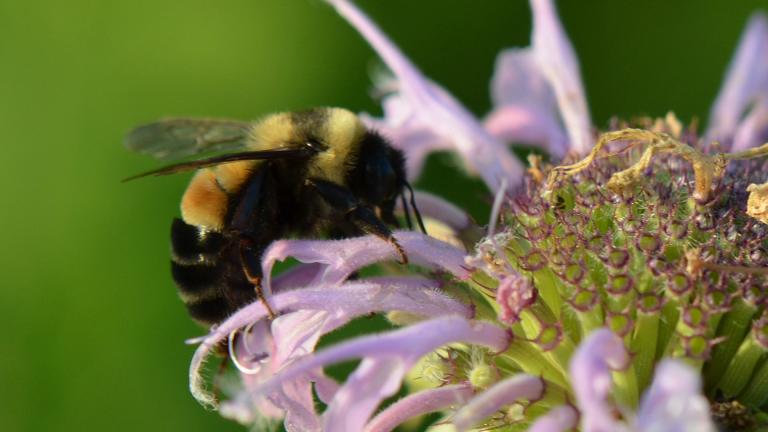
It’s been a rough few decades for the rusty patched bumblebee. Once widespread in Illinois and throughout much of the U.S., the species has lost nearly 90% of its population over the past 20 years.

Joel Brammeier, president and CEO of the Alliance for the Great Lakes, talks about the area’s shrinking and disappearing beaches this year, and why it matters.

As they set out to learn more about kids’ affinity for nature, a group of psychologists had a strong idea about what they would find. As it turned out, their assumptions were wrong. “We were incredibly surprised,” said the lead author of the study.

The discovery comes about a month after an alligator in the Humboldt Park Lagoon captured the attention of the city for about a week before the alligator was captured by a gator hunter who was flown in from Florida.

Could you imagine life without the “like” button? Ben Grosser, an arts and design professor at the University of Illinois at Urbana-Champaign, tells us about “demetrication.”
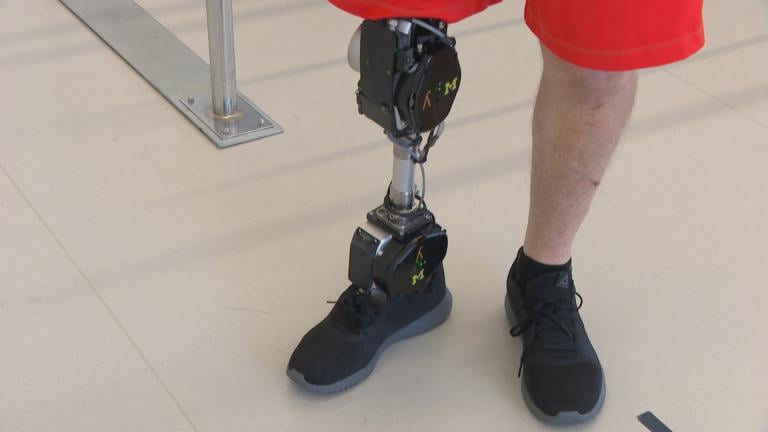
Advances in prosthetics mean that in the not-too-distant future it’s possible that people who have lost a limb could receive a fully functional robotic replacement. And a lab in Chicago is leading the way to the future.
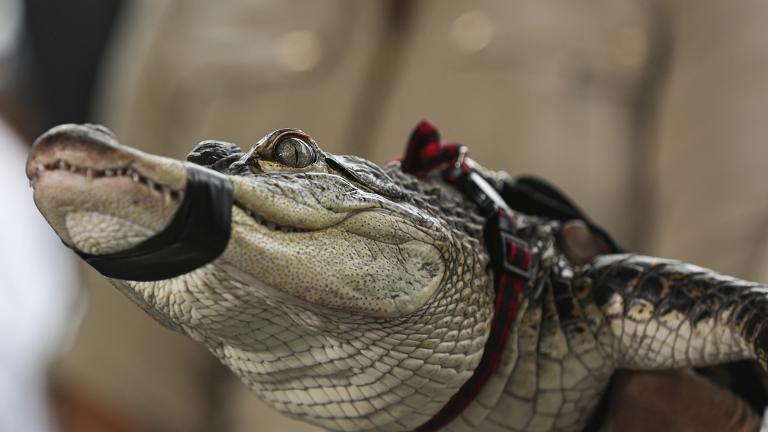
Most of the costs arose from city workers putting up and removing barricades to keep people away from the lagoon in Humboldt Park after the male reptile was first spotted there last month.
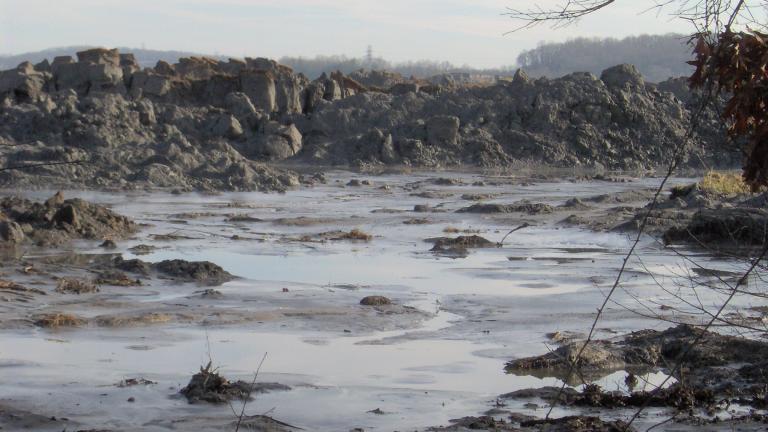
A new law in Illinois prohibits discharge of coal ash into the environment and establishes a regulatory framework to ensure that polluting companies finance the cleanup of coal ash waste, according to the Illinois Environmental Council.
Trending
2026 Chicago Summer Festival Guide

Obama Presidential Center Unveils Official Portrait of Barack and Michelle Obama

Obamas Celebrate Chicago Roots, Power of Community During Presidential Center’s Opening

Supreme Court Expected to Hand Down Rulings on Birthright Citizenship, Presidential Power and More

Chicago Paid $2.7M for System Designed to Flag Officers With Multiple Complaints: Records

Sign up for the WTTW News newsletter