

Conservation
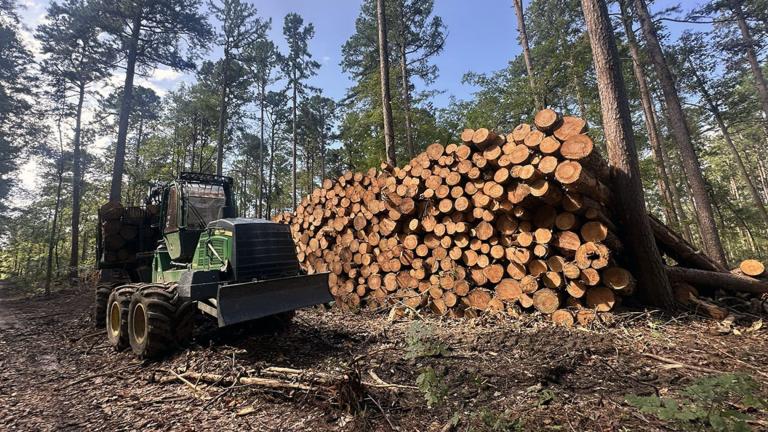
A pending federal proposal would roll back the 2001 Roadless Area Conservation Rule, which prevents road construction and timber harvesting on millions of acres of federal forest land, including approximately 11,000 acres of sensitive wildlife in the Shawnee National Forest.
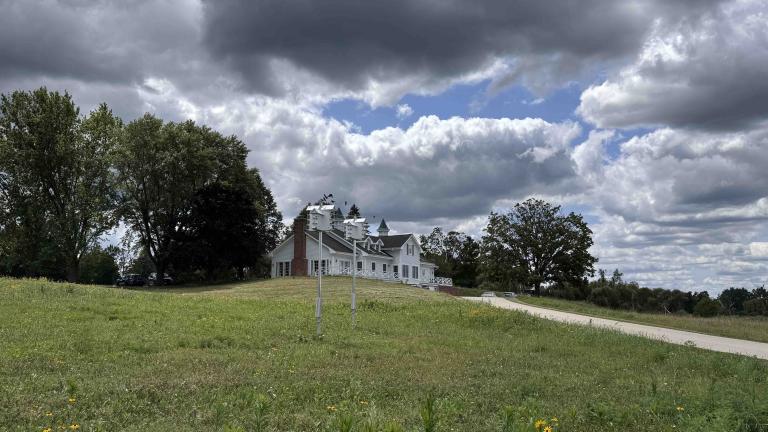
Deep in Barrington's horse country, a former equestrian farm is being restored to native wetland and grassland habitat. How's it going?
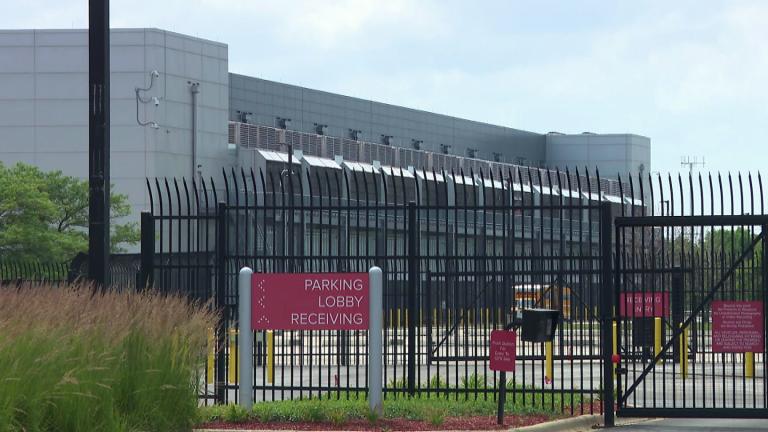

What Does Sustainable Data Center Development Look Like? Chicago Working Group Makes Recommendations
Public concern has grown around data centers’ energy usage, noise pollution, water consumption and emissions. Now, as Chicago leaders race to catch up, they won’t be starting from square one.
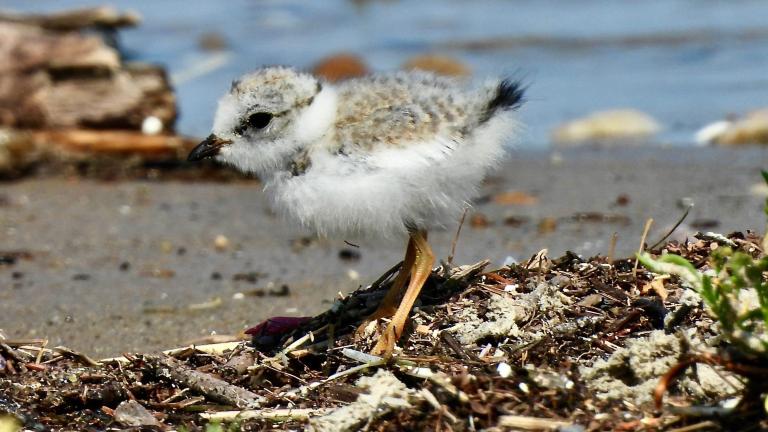
Calling for reinforcements! It’s a piping plover-palooza in Waukegan where the ratio of hatchlings to adults is suddenly 6 to 1.
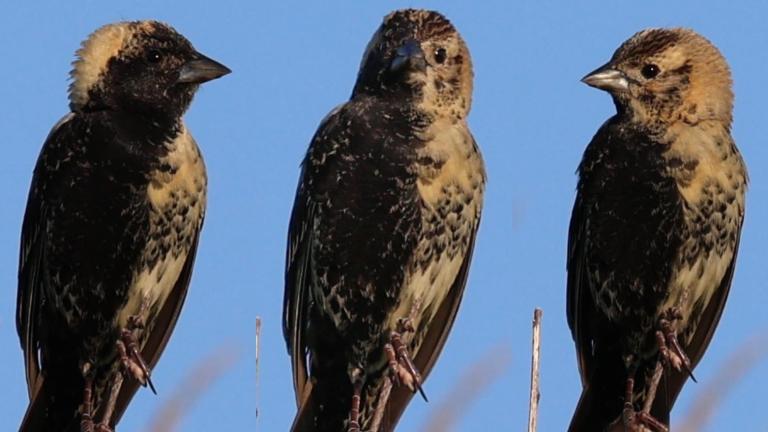
“I had a better chance of photographing a unicorn,” Luke Dahlberg said of discovering the rare bird.
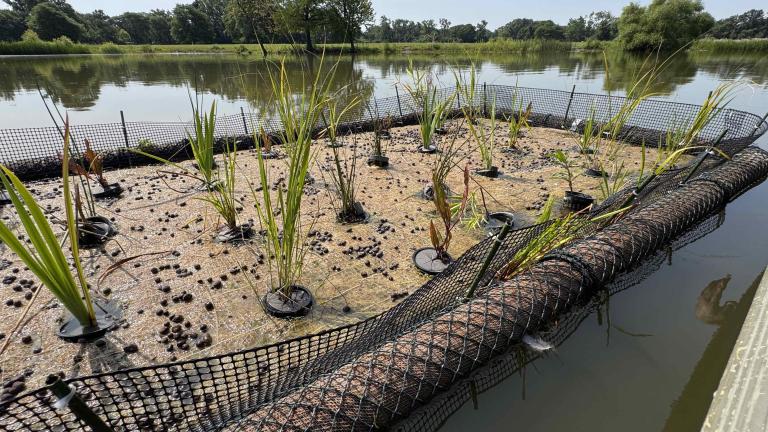
The Cook County Forest Preserves Fisheries Division is piloting a nature-based solution to treat a water quality issue.
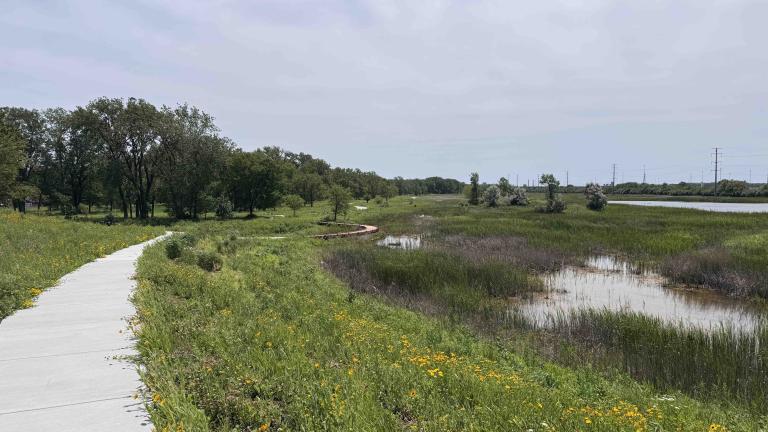
The singular beauty on display at Marian Byrnes Park is now more accessible than ever, thanks to new amenities added by the Chicago Park District.
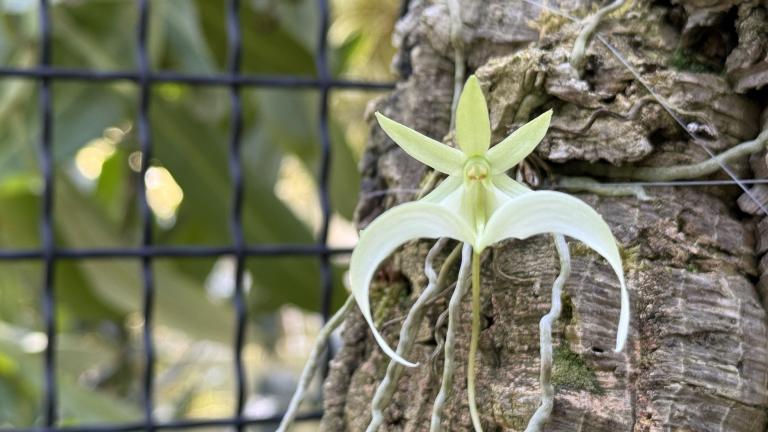
The rare ghost orchid bloom will be on public display at the garden’s Tropical Greenhouse through May 25.
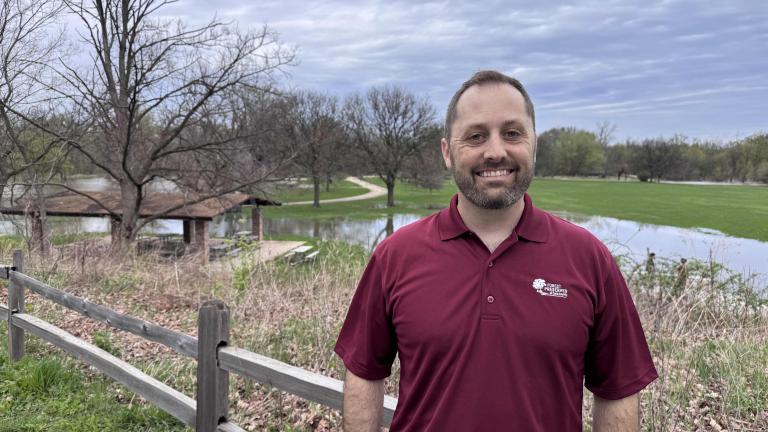
What kind of outdoorsman leaves Colorado for Illinois? Six months into his tenure as general superintendent with the Forest Preserve District of Cook County, Adam Bianchi still gets asked that question.
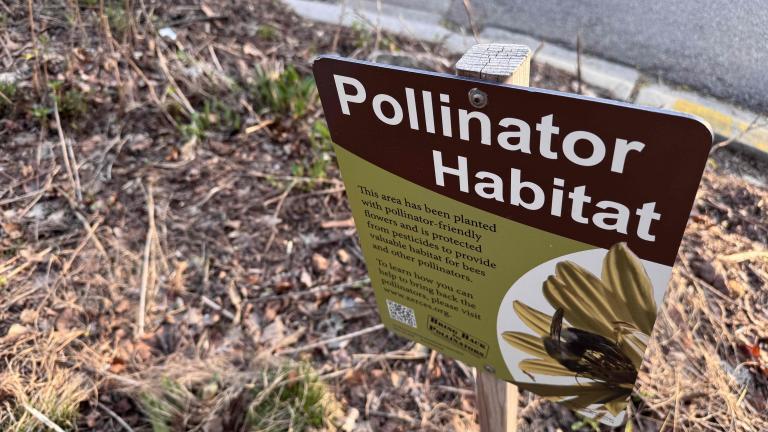
There’s a divide in the pollinator gardening movement between those who advocate for nothing but native plantings and those whose standards are less rigid. New research suggests there’s a middle ground.
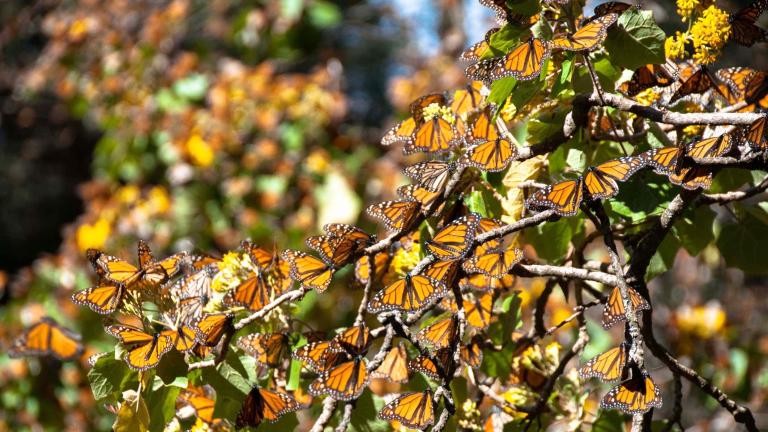
A newly released survey of the eastern monarch’s 2025-26 winter population in Mexico showed a 64% increase over 2024-25.

Last November, the Trump administration proposed a stricter definition for “Waters of the United States,” excluding seasonal streams, marshes, bogs, swamps and mangrove forests from protection under the 1972 Clean Water Act.
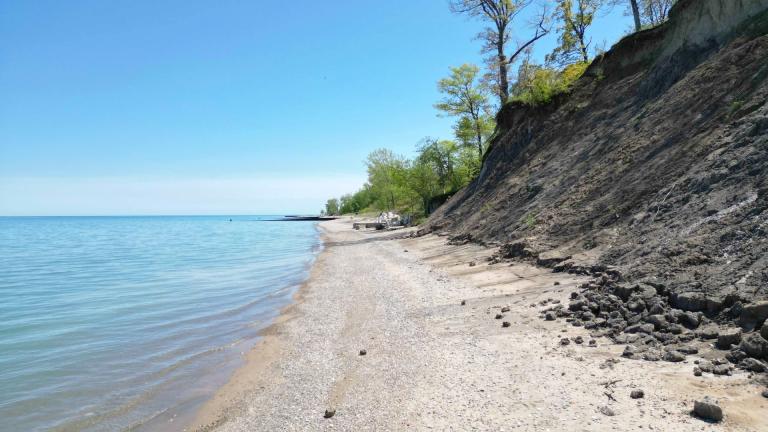
If landscapes could talk, the 61-acre Greene Nature Preserve in Lake Forest would have quite the tale to tell.
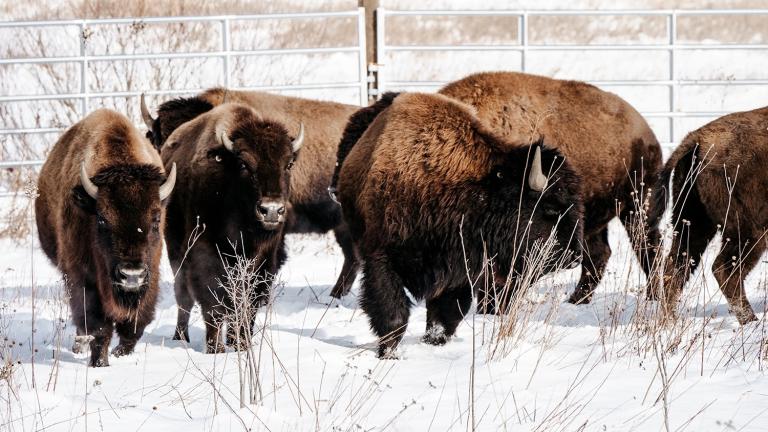
Six bison released onto prairie in Kane County carry the weight of interwoven hopes: that they can heal both the land and the deep trauma borne by Indigenous people.
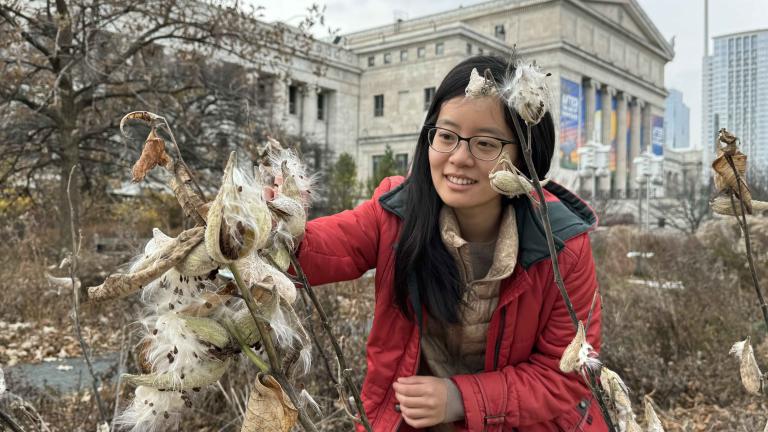
Collecting native seed can be labor intensive but it eventually pays for itself by creating even more seeds — for free.

The Grainger Center for Conservation and Science, projected to cost $50 million to build, will be a space for conservators across departments to collaborate, conduct research, teach and preserve the Art Institute’s collection, according to the museum.
Trending
Republican Ohio Gov. Mike DeWine Denounces Ramaswamy Ad Featuring Democrat Amy Acton’s Estranged Mother

CTA to Suspend Loop Elevated Train Service This Weekend for Track Maintenance

Suspend 4 CPD Officers Who Stopped, Shot Dexter Reed for Violating Rights of 4th Driver: Former Top Cop

Chicago DJ Sam Chatman, Known as the Godfather of Steppin’, Dies at 85

CPD Opens Misconduct Probe Into Members’ Use of License Plate Readers

Sign up for the WTTW News newsletter