

Christopher Columbus
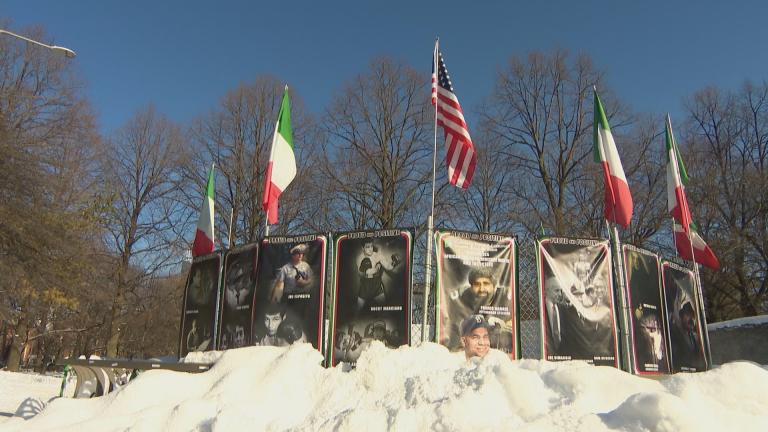
Frances Xavier Cabrini, the first American saint, received approximately 38% of the 3,900 votes cast during a little-advertised online contest.
Eight notable Italian Americans are finalists in a little-advertised contest.
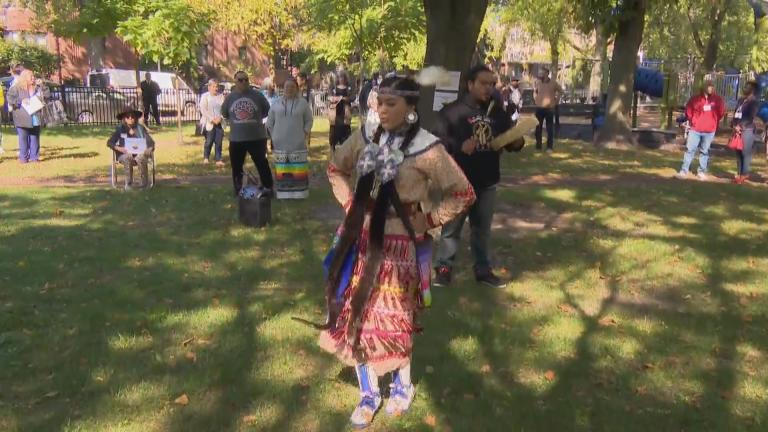
Monday’s Columbus Day parade kicked off for the 73rd time in Chicago amid renewed attention on the legacy the day celebrates.
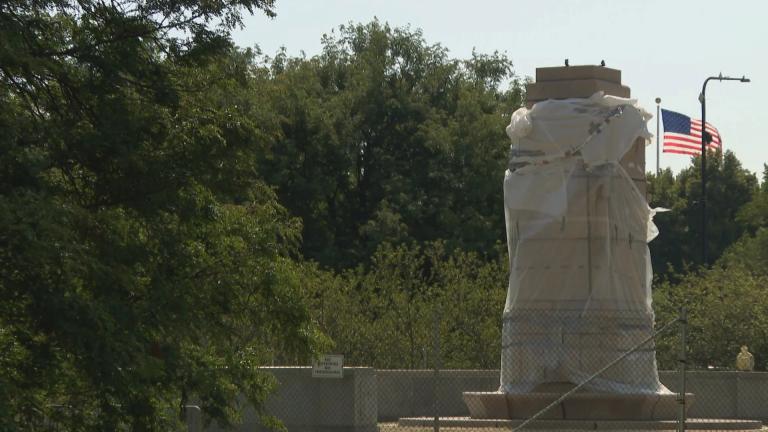
Nor will another statue of the Italian explorer return to Arrigo Park in Little Italy, under an agreement between Chicago’s Joint Civic Committee of Italian Americans and the Chicago Park District to resolve a lawsuit.
Mayor Brandon Johnson has been noncommittal about the fate of the statues, saying in June that he would follow the “direction” of the people of Chicago about their ultimate fate.
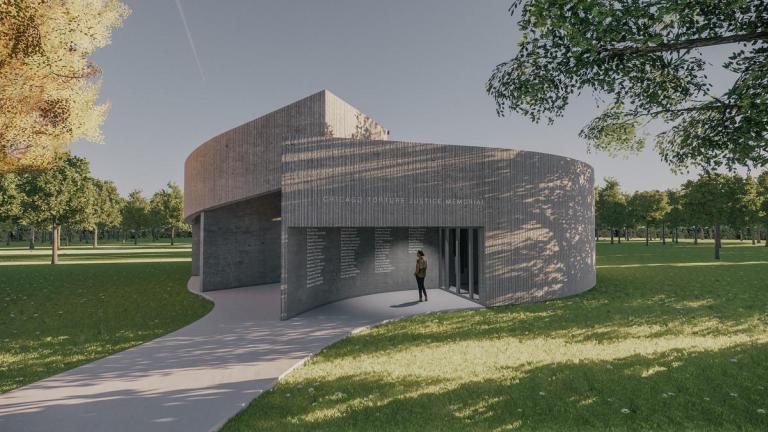

Chicago officials will use a $6.8 million grant from the Mellon Foundation to build eight new public monuments, including a monument to the more than 100 Black men who were tortured by Chicago Police officers trained by Jon Burge, a disgraced Chicago police commander.
Some organizations and governments are changing how they observe the holiday, if at all, while many still gather for the annual parade.
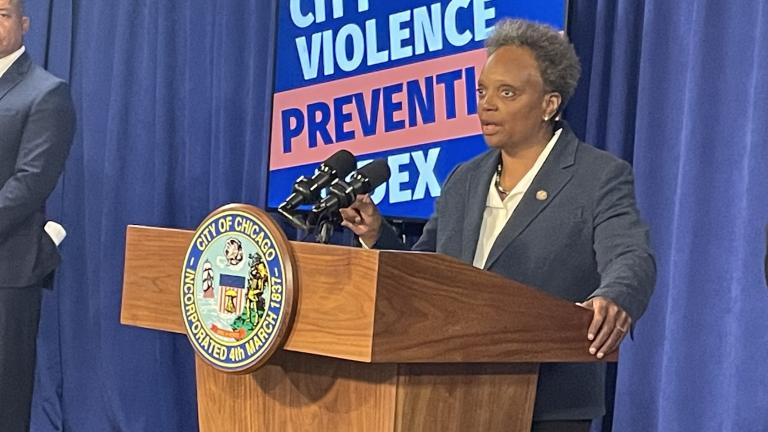
The commission, which was formed more than two years ago in the wake of the social justice protests and unrest that erupted after the police murder of George Floyd, also recommended that the city remove the Italo Balbo monument as well as several monuments because of the way they depict Native Americans.
In a statement released by her office, Lightfoot thanked Chicago’s Native American and Italian American communities for participating in the commission’s work, but did not address the future of the statues “regarded by many members of the Italian American community as a symbol of cultural pride” but considered “a bitter reminder of centuries of exploitation, conquest and genocide” to members of Chicago’s Native American community, according to the commission’s report.
Mayor Lori Lightfoot vowed two years ago Friday to confront the “the hard truths of Chicago’s racial history” by using the city’s public spaces to memorialize the “city’s true and complete history.” That promise remains unfulfilled, 729 days later.
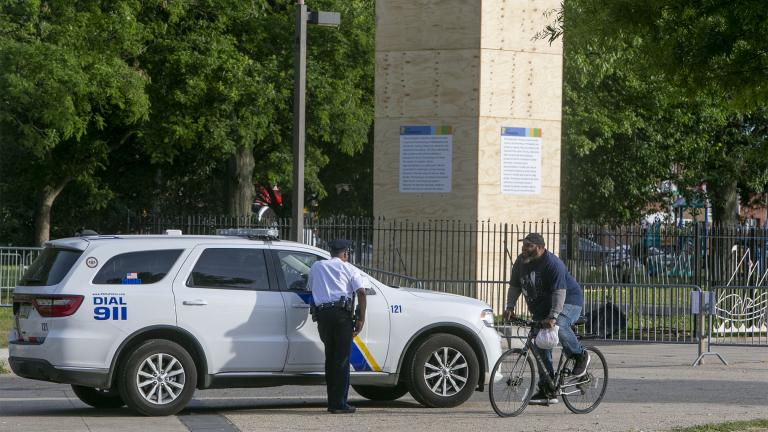
Monday’s federal holiday dedicated to Christopher Columbus is highlighting the ongoing divide between those who view the explorer as a representative of Italian American history and others horrified by an annual tribute that ignores native people whose lives and culture were forever changed by colonialism.
A “racial healing and historical reckoning project” launched by Mayor Lori Lightfoot after she removed the city’s three statues of Christopher Columbus has stalled, and the statues remain in storage a year after they were wrenched from their pedestals.
Last summer, three Christopher Columbus statues were removed after violent altercations between police and protesters. For months, the sites sat empty. But last fall, a display of Italian American pride banners appeared in place of the former statue in Chicago’s Little Italy neighborhood.
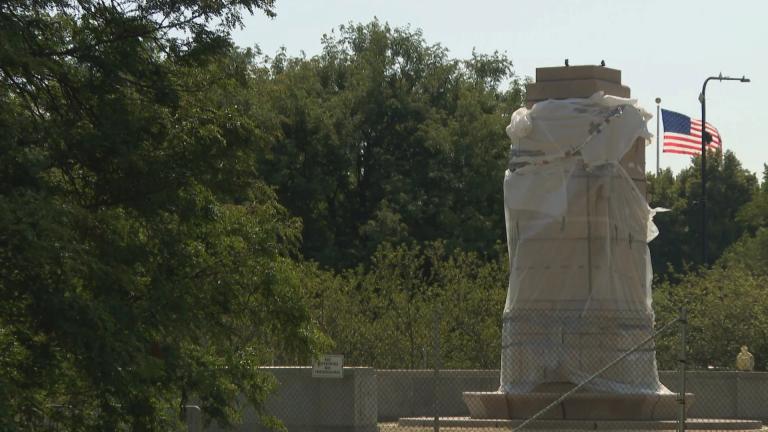
After a summer of social unrest and calls to remove some monuments, activists are still pushing for the city to change the name of Columbus Day to Indigenous Peoples Day. How some groups envision reteaching the history of Christopher Columbus.
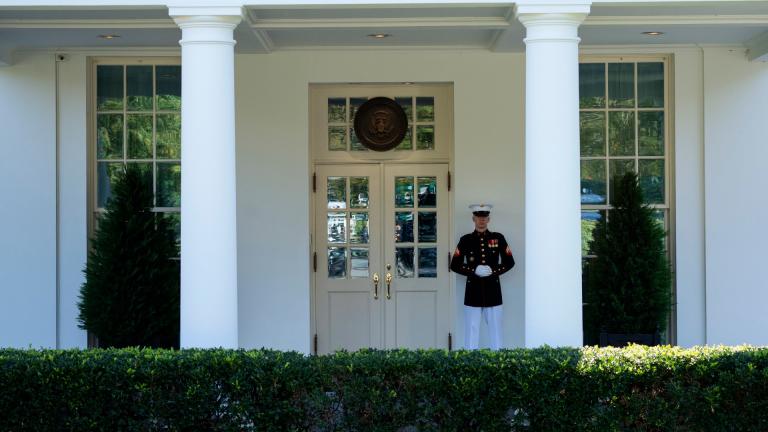
President Donald Trump’s proclamation Friday commemorating Columbus Day veered from a typical White House holiday announcement, with stark warnings of “radical activists” seeking to tarnish the explorer’s legacy.
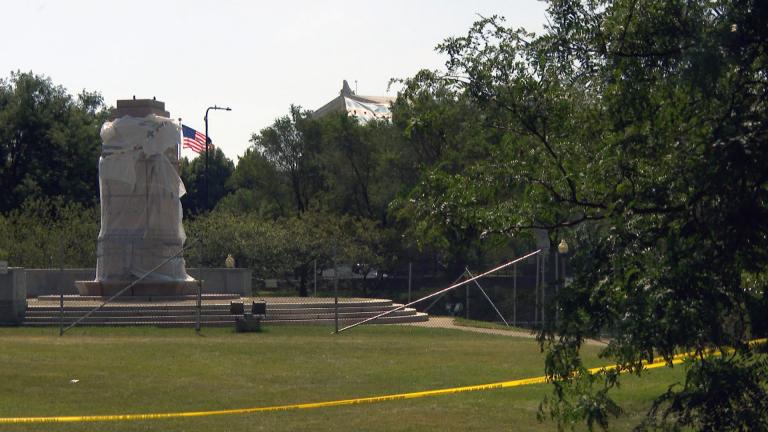
After protests forced Mayor Lori Lightfoot to remove the city’s statues of Christopher Columbus, the city will launch an effort to “provide a vehicle to address the hard truths of Chicago’s racial history,” the mayor’s office announced Wednesday.
Trending
Pair of Chicago Elementary Schools Named Top in Illinois in New U.S. News Rankings

Mother-Son Reunions Among Latest Milestones for Shedd’s Rescued Belugas

Republican Ohio Gov. Mike DeWine Denounces Ramaswamy Ad Featuring Democrat Amy Acton’s Estranged Mother

Chicago to Test New Gunshot Detection System in 6 South, West Side Districts: Johnson

CTA to Suspend Loop Elevated Train Service This Weekend for Track Maintenance

Sign up for the WTTW News newsletter