

Chicago Water Department
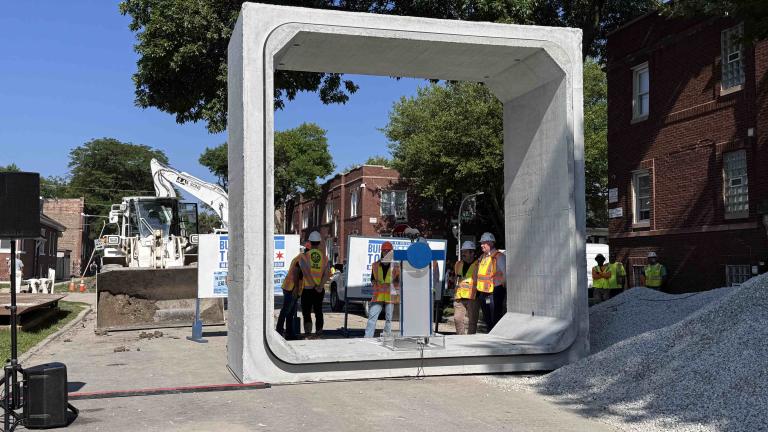
Mini underground reservoirs are Chicago’s latest solution to its flooding problem. But there’s no one silver bullet, officials said.
City crews are going to have to sharply increase efforts to remove the lines from homes and two- and four-flats to comply with state and federal requirements, Department of Water Management Commissioner Randy Conner said.
The Chicago Department of Water Management is sitting on hundreds of millions of dollars earmarked for lead line replacement, with little progress made in terms of swapping out the toxic pipes. City Council members want to know why.
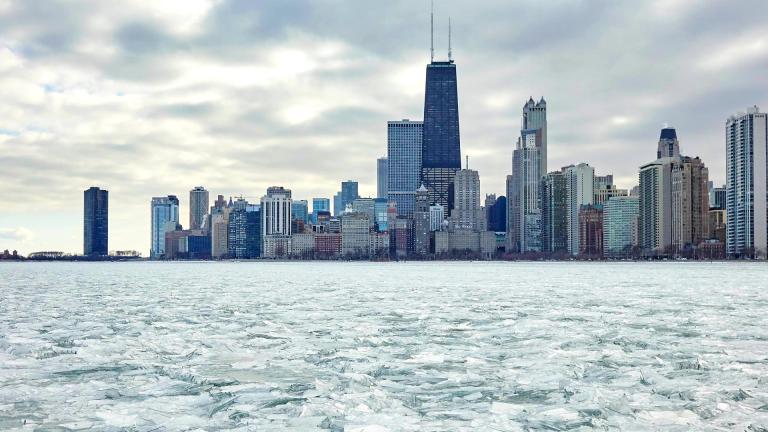
Sub-zero wind chills will be the norm until Friday.
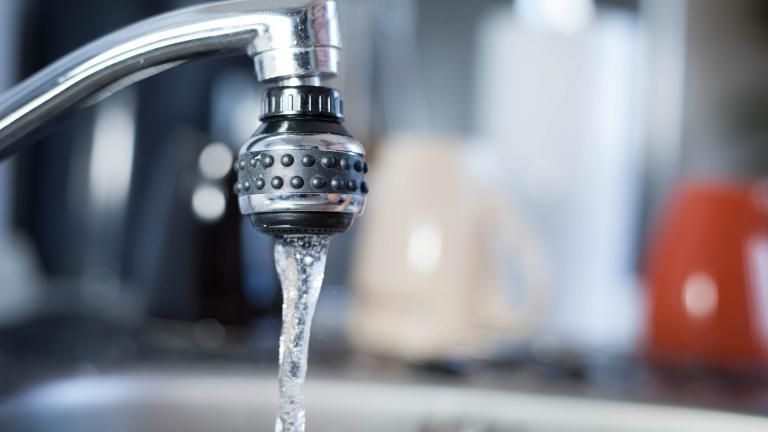
The boil order had been in place since Tuesday night following an outage at the Roseland Pumping Station.
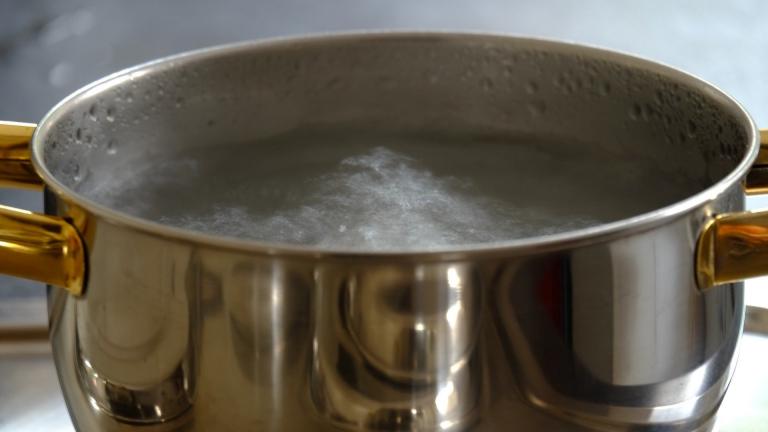
Residents of several Chicago South Side neighborhoods are under a boil order following a service disruption at the Roseland Pumping Station Tuesday night.
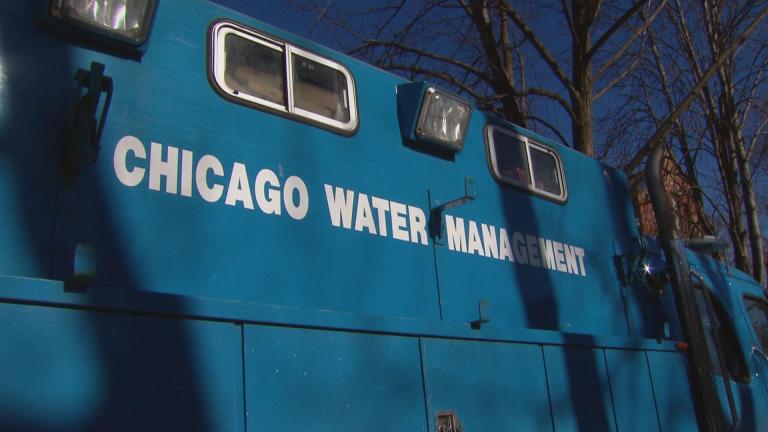
U.S. District Judge Matthew Kennelly ruled there was enough evidence for a jury to conclude “that the city had a custom or policy of condoning racial harassment and discrimination at (the Water Department) as well as inaction in the face of a risk of potential constitutional violations.”
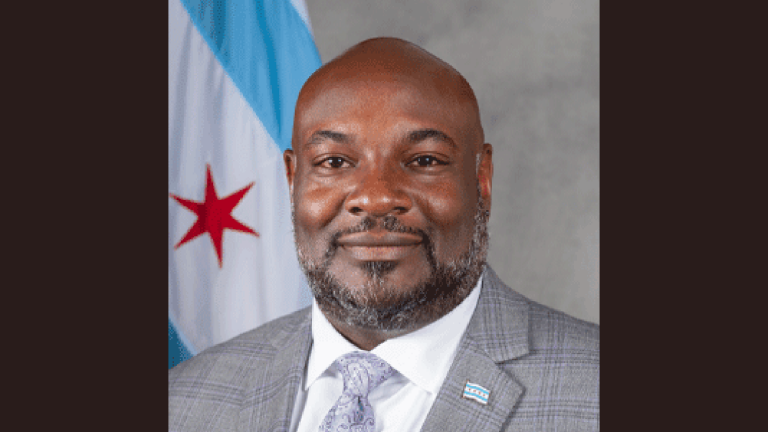
Mayor Brandon Johnson praised former Water Commissioner Randy Conner as a “proven leader and someone who knows the ins and outs of infrastructure and water management,” in a statement.


Meet Ellis Chesbrough, Chicago’s first city engineer and designer of the water delivery system we still use today. WTTW News Explains how water cribs work out on Lake Michigan.
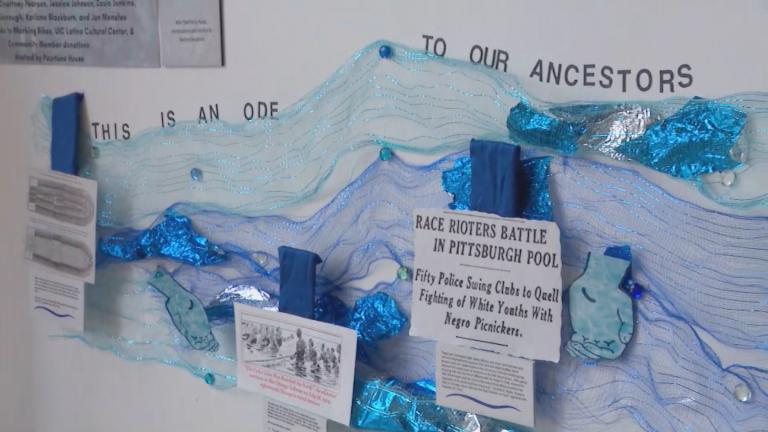
A 2022 Guardian analysis found that majority Black and Latino neighborhoods had the highest concentration of lead in their tap water. As of a few months ago, the city of Chicago had replaced fewer than 300 lead service lines out of about 390,000.
Starting Jan. 1, city crews will have to replace all of the lead service lines connected to a water main that is being repaired — and foot the bill, which is expected to cost between $15,000 to $26,000 per line.
Despite promises, a federally-funded program has removed just 154 lead service lines from Chicago homes as of Monday, according to data provided to WTTW News by the Department of Water Management.
The unanimous vote of the City Council’s Budget and Government Operations Committee sends the proposal backed by Lightfoot to the full City Council for consideration at its meeting on May 25.
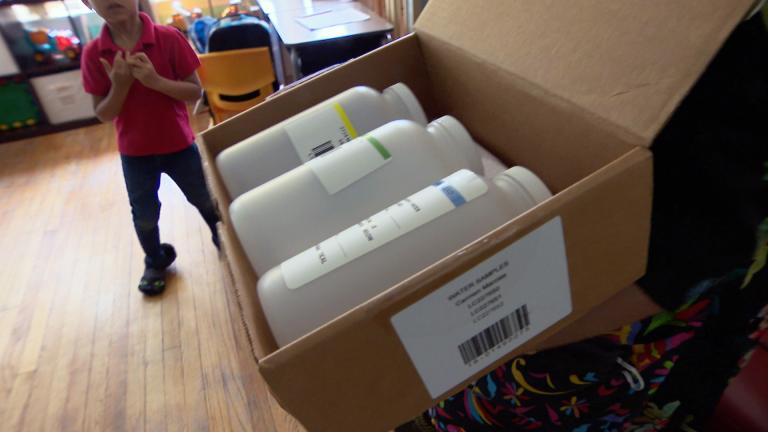
Lead service lines connect approximately 400,000 Chicago homes with water mains buried under city streets, and can leach a brain-damaging chemical into drinking water.
In an interview with “Chicago Tonight” Tuesday, Department of Water Commissioner Andrea Cheng said officials are confident both regular and ultrasonic water meters can be safely installed in Chicago homes without threatening the health of residents.
Department of Water Management Commissioner Andrea Cheng said federal funding will “jump-start” Chicago’s efforts to remove the lead service. Cheng acknowledged logistical challenges have meant the program has failed to achieve what Lightfoot promised in September 2020, when she vowed that the city would remove 650 pipes by the end of 2021.
Trending
Suspend 4 CPD Officers Who Stopped, Shot Dexter Reed for Violating Rights of 4th Driver: Former Top Cop

CPD Officer Who Shoved Woman Who Called 911 After Her Boyfriend Beat Her Won’t Be Fired: Records

CPD Opens Misconduct Probe Into Members’ Use of License Plate Readers
Johnson Makes Bid for Chicago Mayor Official By Filing Thousands of Signatures

Mendoza, Cardenas, Pappas Among Last to File Signatures Ahead of Chicago’s February Mayoral Election

Sign up for the WTTW News newsletter